Goodal Green Tangerine Vita-C Toning Cleansing Balm Versus Goodal Green Tangerine Vita C Eye Patch Gels
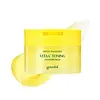
This oil-based makeup remover is made to dissolve makeup, sunscreen, and daily buildup.
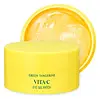
This brightening eye mask is formulated around Niacinamide and Ascorbyl Glucoside to brighten dull-looking skin and fade the look of dark spots.

What's inside
What's inside
 Key Ingredients
Benefits
Concerns
Ingredients Side-by-side
Ethylhexyl Palmitate
Emollient




Sorbeth-30 Tetraoleate
Emulsifying
Isododecane
EmollientSynthetic Wax
Abrasive
Hippophae Rhamnoides Oil
Emollient


Helianthus Annuus Seed Oil
Emollient
Pinus Sylvestris Leaf Oil
Masking
Citrus Aurantium Dulcis Peel Oil
Masking
Citrus Limon Peel Oil
Masking



Citrus Grandis Peel Oil
Masking
Citrus Reticulata Peel Extract
Skin ConditioningCitrus Tangerina Extract
TonicCalluna Vulgaris Extract
Skin ConditioningTrihydroxystearin
Skin Conditioning
Tocopherol
Antioxidant




Hydrogenated Polyisobutene
EmollientWater
Skin ConditioningAscorbic Acid
Antioxidant


Butylene Glycol
Humectant
1,2-Hexanediol
Skin Conditioning
Glutathione
Allantoin
Skin Conditioning
Ascorbyl Glucoside
Antioxidant
Capryloyl Salicylic Acid
Exfoliating


Gluconolactone
Chelating
Salicylic Acid
Masking

Succinic Acid
BufferingGlycolic Acid
Buffering
Glycerin
Humectant
Dipropylene Glycol
HumectantPanthenol
Skin Conditioning
Ethylhexylglycerin
Skin ConditioningHydrogenated Lecithin
Emulsifying
Cetearyl Olivate
Sorbitan Olivate
Emulsifying
Madecassoside
Antioxidant
Ferulic Acid
Antimicrobial
Lactic Acid
Buffering
Rutin
Antioxidant
Limonene
Perfuming
Ethylhexyl Palmitate, Sorbeth-30 Tetraoleate, Isododecane, Synthetic Wax, Hippophae Rhamnoides Oil, Helianthus Annuus Seed Oil, Pinus Sylvestris Leaf Oil, Citrus Aurantium Dulcis Peel Oil, Citrus Limon Peel Oil, Citrus Grandis Peel Oil, Citrus Reticulata Peel Extract, Citrus Tangerina Extract, Calluna Vulgaris Extract, Trihydroxystearin, Tocopherol, Hydrogenated Polyisobutene, Water, Ascorbic Acid, Butylene Glycol, 1,2-Hexanediol, Glutathione, Allantoin, Ascorbyl Glucoside, Capryloyl Salicylic Acid, Gluconolactone, Salicylic Acid, Succinic Acid, Glycolic Acid, Glycerin, Dipropylene Glycol, Panthenol, Ethylhexylglycerin, Hydrogenated Lecithin, Cetearyl Olivate, Sorbitan Olivate, Madecassoside, Ferulic Acid, Lactic Acid, Rutin, Limonene
Water
Skin ConditioningGlycerin
Humectant
Niacinamide
Smoothing
Carrageenan
1,2-Hexanediol
Skin Conditioning
Ceratonia Siliqua Gum
EmollientHydroxyacetophenone
Antioxidant
Glucomannan
Skin ConditioningCalcium Chloride
AstringentChlorphenesin
Antimicrobial
Allantoin
Skin Conditioning
Propanediol
Solvent
Chondrus Crispus
Masking
Cyamopsis Tetragonoloba Gum
Emulsion StabilisingChondrus Crispus Powder
Abrasive
Polyglyceryl-10 Laurate
Skin Conditioning
Potassium Chloride
Pentylene Glycol
Skin Conditioning
Sucrose
Humectant
Pinus Sylvestris Leaf Extract
TonicAdenosine
Skin Conditioning
Ethylhexylglycerin
Skin ConditioningDipotassium Glycyrrhizate
Humectant
Disodium EDTA
ChelatingMelia Azadirachta Flower Extract
Skin ConditioningCocos Nucifera Fruit Extract
Emollient
Citrus Aurantium Bergamia Fruit Oil
Masking
Citrus Tangerina Extract
TonicMelia Azadirachta Leaf Extract
Skin ConditioningAscorbyl Glucoside
Antioxidant
Curcuma Longa Root Extract
Antioxidant
Ocimum Sanctum Leaf Extract
Skin ConditioningButylene Glycol
Humectant
Corallina Officinalis Extract
Skin Conditioning
Citrus Limon Peel Oil
Masking
Calcium Lactate
AstringentArbutin
Antioxidant
Lavandula Angustifolia Oil
Masking
Cananga Odorata Flower Oil
Masking
Citrus Aurantium Dulcis Peel Oil
Masking
Eucalyptus Globulus Leaf Extract
Perfuming
Tocopherol
Antioxidant
Potassium Hydroxide
BufferingHyaluronic Acid
Humectant
Hydrolyzed Hyaluronic Acid
Humectant
Sodium Hyaluronate
Humectant
Limonene
Perfuming
Linalool
Perfuming
Water, Glycerin, Niacinamide, Carrageenan, 1,2-Hexanediol, Ceratonia Siliqua Gum, Hydroxyacetophenone, Glucomannan, Calcium Chloride, Chlorphenesin, Allantoin, Propanediol, Chondrus Crispus, Cyamopsis Tetragonoloba Gum, Chondrus Crispus Powder, Polyglyceryl-10 Laurate, Potassium Chloride, Pentylene Glycol, Sucrose, Pinus Sylvestris Leaf Extract, Adenosine, Ethylhexylglycerin, Dipotassium Glycyrrhizate, Disodium EDTA, Melia Azadirachta Flower Extract, Cocos Nucifera Fruit Extract, Citrus Aurantium Bergamia Fruit Oil, Citrus Tangerina Extract, Melia Azadirachta Leaf Extract, Ascorbyl Glucoside, Curcuma Longa Root Extract, Ocimum Sanctum Leaf Extract, Butylene Glycol, Corallina Officinalis Extract, Citrus Limon Peel Oil, Calcium Lactate, Arbutin, Lavandula Angustifolia Oil, Cananga Odorata Flower Oil, Citrus Aurantium Dulcis Peel Oil, Eucalyptus Globulus Leaf Extract, Tocopherol, Potassium Hydroxide, Hyaluronic Acid, Hydrolyzed Hyaluronic Acid, Sodium Hyaluronate, Limonene, Linalool
Reviews
Ingredients Explained
These ingredients are found in both products.
Ingredients higher up in an ingredient list are typically present in a larger amount.
1,2-Hexanediol is a synthetic liquid and another multi-functional powerhouse.
It is a:
- Humectant, drawing moisture into the skin
- Emollient, helping to soften skin
- Solvent, dispersing and stabilizing formulas
- Preservative booster, enhancing the antimicrobial activity of other preservatives
Allantoin is a soothing ingredient known for its protective and moisturizing properties; it's basically a quiet workhorse ingredient you can find in a huge range of cosmetics.
Though it can be derived from the comfrey plant, allantoin is produced synthetically for cosmetic products to ensure purity.
Research shows it can encourage your skin cells to turn over and renew by stimulating keratinocyte and fibroblast proliferation.
It also has mild keratolytic properties to help loosen and shed dead skin cells without being harsh.
Studies also suggest allantoin can help calm inflammation by dialing down some of the chemical signals your skin sends out when it is irritated.
This ingredient is typically used in the 0.1-0.5% range, and the FDA recognizes it as a skin protectant in OTC products up to 2%.
Overall, allantoin is a wonderful addition to most routines; it is stable across a wide pH range (~4-8), works well with other ingredients, and is considered non-sensitizing/non-irritating.
Fun fact: Allantoin is naturally occurring in comfrey root, beets, chamomile, and wheat sprouts. Our bodies even produce it as a byproduct of uric acid metabolism.
Learn more about AllantoinAscorbyl Glucoside (AA-2G) is one of the most stable vitamin C derivatives out there.
It's made by attaching a glucose molecule to ascorbic acid; this glucose "cap" shields the vitamin C from air, light, heat, and metal ions that normally cause pure ascorbic acid to oxidize.
Once on your skin, the enzyme alpha-glucosidase snips off the glucose and gradually releases active ascorbic acid right where it's needed. Basically, it behaves like a slow-release pro-vitamin C with less of a stinging that high-strength ascorbic acid can cause.
The research supports the classic vitamin C benefits as well. In lab and human studies, AA-2G slowed down the skin's production of melanin (the pigment behind dark spots) and helped shield skin cells against sun damage better than ascorbyl phosphate.
These studies also showed AA-2G released vitamin C over a longer period.
A frequently cited manufacturer trial found that a 2% AA-2G face cream significantly improved wrinkle depth and skin roughness after 45 days.
And in 2009, a clinical trial showed it meaningfully lightened dark patches on the gums compared to a placebo.
There's also collagen-synthesis support (since vitamin C is a required cofactor for that) and an antioxidant effect too.
Typical usage is usually between 0.5-5% and most studies/products land around 2%.
AA-2G performs best when formulated at a mildly acidic pH (~5-7) which is much gentler than the pH that pure vitamin C demands (~2.5-3.5).
Just one thing worth knowing: the in-skin conversation rate is only about 55-60% by weight. So a 5% AA-2G product delivers roughly 2.75-3% of actual active vitamin C. On top of that, skin absorption is relatively low because the ingredient is water-soluble.
Learn more about Ascorbyl GlucosideButylene Glycol (or BG) is used within cosmetic products for a few different reasons:
Overall, Butylene Glycol is a safe and well-rounded ingredient that works well with other ingredients.
Though this ingredient works well with most skin types, some people with sensitive skin may experience a reaction such as allergic rashes, closed comedones, or itchiness.
Learn more about Butylene GlycolCitrus Aurantium Dulcis Peel Oil is oil from the peel of an orange fruit.
Limonene and linalool make up the majority of oils from citrus peels. Limonene has a "citrus" fragrance. Citrus peels also contain flavonoids, which have anti-inflammatory properties.
Citrus peel is also a rich source of flavonoids. Flavonoids are natural antioxidants and help protect your skin against damage. Flavonoids are a group of compounds naturally found in vegetables and fruits.
The term 'fragrance' is not regulated in many countries. In many cases, it is up to the brand to define this term. For instance, many brands choose to label themselves as "fragrance-free" because they are not using synthetic fragrances. However, their products may still contain ingredients such as essential oils that are considered a fragrance.
Learn more about Citrus Aurantium Dulcis Peel OilCitrus Limon Peel Oil is created from the peels of the lemon. It is used to add a lemon-scent to products. Lemon peel oil also has antibacterial, antifungal, and antioxidant properties. However, it may also cause phototoxicity and sensitize skin.
Lemon peel oil contains limonene, a skin sensitizing ingredient. Another component is furanocoumarin, which induces phototoxicity in skin.
Furanocoumarins bind and destabilize your DNA to increase the rate of sunburn.
Most reputable companies will remove furanocoumarins from their formulations.
Learn more about Citrus Limon Peel OilCitrus Tangerina Extract is exactly what it sounds like: a botanical extract from the tangerine fruit. In skincare, it's mostly along for the ride as a supporting "nice extra" rather than a hero ingredient.
Animal and lab studies show that the flavonoids in it act as antioxidants and help calm inflammation. But we still need human skin studies at a cosmetic dose to get a better understanding of all the perks of this ingredient.
One industry survey found citrus extracts are usually used anywhere from trace amounts up to 1-1.5% (and sometimes higher in masks).
Regulators consider the whole citrus-extract family safe for leave-on and rinse-off products as long as it's formulated to be non-irritating and non-sensitizing. Leave-on products must also stay under 15 ppm of 5-Methoxypsoralen, a naturally occurring citrus compound that can cause sun-triggered reactions.
This extract itself is not a common allergen but as with any botanical extracts, people with sensitivies may react to it. Just be sure to patch test if you're unsure.
This concern comes from undiluted lime and lemon juice or peel oils. This is a real thing, but a cosmetic-dose tangerine extract is a very different situation; mandarins and tangerines are generally low in those compounds anyway.
Learn more about Citrus Tangerina ExtractEthylhexylglycerin is created from glycerin. It is a multitasker ingredient that:
The CIR Expert Panel found minimal skin absorption or sensitization of any kind in a safety assessment. Though this ingredient is considered well-tolerated, a small number of cases of allergic dermatitis have been published since 2002. Just be sure to patch test if you are unsure.
Industry-reported use ranges from 8% in rinse-off products and 2% in leave-on formulations.
Learn more about EthylhexylglycerinGlycerin (or glycerol) is a compound naturally found in your skin. It's a powerhouse humectant that pulls water into the stratum corneum.
Topically, glycerin does several things at once:
Your skin makes glycerin on its own (mostly from sebaceous oil breakdown) and shuttles it to your outermost layer of skin, or your epidermis, via aquaporin-3.
Aquaporin-3 is a transporter that is essential for normal skin hydration, elasticity, and repair. Interestingly, mice lacking in AQP3 have dry and less elastic skin that can be fully corrected with glycerin.
This ingredient is non-irritating, plays well with almost every ingredient, and works across all skin types. Typical use is anywhere between 3-10% but can go up to 79% in some leave-on products.
Just know very high concentrations (>40%) can feel tacky in low humidity.
Glycerin is the name for this ingredient in American English. British English uses Glycerol/Glycerine.
Learn more about GlycerinLimonene is the compound that gives citrus peel its smell.
In skincare, it shows up as a standalone fragrance ingredient or as a natural compound of citrus and other essential oils.
You'll typically see this ingredient used in very small amounts; anything above 0.001% in a leave-on product or 0.01% in a rinse-off has to be named on the label in the EU. The citrus oils that carry it sit around 0.5-1% in a finished formula.
Fresh limonene is a weak allergen; the real issue is that it slowly reacts with air and then breaks down from oxidation to create hydroperoxides (which are strong sensitizers). This is why suppliers are required to keep the peroxide value below 20 mmol.
Positive reactions in people being investigated for eczema vary:
It's worth skipping if you have a known fragrance allergy or a compromised barrier, but the risk is low for most people.
Older or long-opened products are also more likely to bother you than fresh ones due to oxidation.
Learn more about LimoneneTocopherol is a fat-soluble antioxidant known as Vitamin E.
You'll find this ingredient in the vast majority of skincare (for good reason). It works to neutralize free radicals, or unstable molecules generated by UV exposure, pollution, and other environmental stressors, before they can cause oxidative damage to your skin cells.
Topically applied tocopherol has been shown to protect against UV damage by ramping up the skin's own natural defense enzymes.
It also acts as a skin conditioning agent; some studies show that regular topical use can improve the skin's water-binding capacity over 2-4 weeks.
This ingredient is especially loved for being a team player. When combined with Vitamin C, the photoprotective effect of both ingredients roughly doubles and the combo also helps reduce UV-induced DNA damage.
This ingredient has some brightening potential but it's more of a prevention ingredient than spot-fader. Cell studies show it can slow down melanin production but it's worth noting that it's not the most powerful brightener out there.
In formulations, it also serves as a stabilizer that helps protect other oxidation-prone ingredients from degrading.
Concentrations usually range from 0.1-1% in most leave-on products.
Learn more about TocopherolWater. It's the most common cosmetic ingredient of all. You'll usually see it at the top of ingredient lists, meaning that it makes up the largest part of the product.
So why is it so popular? Water most often acts as a solvent - this means that it helps dissolve other ingredients into the formulation.
You'll also recognize water as that liquid we all need to stay alive. If you see this, drink a glass of water. Remember to stay hydrated!
Learn more about Water

