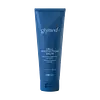
This barrier-repair moisturizer is formulated around Squalane and Saccharomyces Ferment Lysate Filtrate to strengthen the skin barrier and hydrate skin.
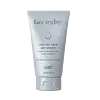
This barrier-repair moisturizer is formulated around Squalane and Ceramide NP to strengthen the skin barrier and calm redness.

What's inside
What's inside
 Key Ingredients
Benefits
Concerns
Ingredients Side-by-side
Petrolatum
Emollient



Squalane
Emollient

Saccharomyces Ferment Lysate Filtrate
Skin Conditioning

Butyrospermum Parkii Butter
Skin Conditioning

Retinyl Palmitate
Skin Conditioning



Tocopheryl Acetate
Antioxidant

Panthenol
Skin Conditioning

Bisabolol
Antioxidant
Yeast Beta-Glucan
Skin ConditioningCitrus Grandis Peel Oil
Masking


Citrus Aurantium Dulcis Peel Oil
Masking
Pelargonium Graveolens Oil
Masking
Rosmarinus Officinalis Leaf Oil
Masking
Phenoxyethanol
Preservative
Petrolatum, Squalane, Saccharomyces Ferment Lysate Filtrate, Butyrospermum Parkii Butter, Retinyl Palmitate, Tocopheryl Acetate, Panthenol, Bisabolol, Yeast Beta-Glucan, Citrus Grandis Peel Oil, Citrus Aurantium Dulcis Peel Oil, Pelargonium Graveolens Oil, Rosmarinus Officinalis Leaf Oil, Phenoxyethanol
Water
Skin ConditioningSqualane
Emollient
Glycerin
Humectant
Dicaprylyl Ether
Emollient
Hydrolyzed Jojoba Esters
Skin Conditioning
Glyceryl Stearate
Emollient
Dicaprylyl Carbonate
EmollientHydroxyethyl Acrylate/Sodium Acryloyldimethyl Taurate Copolymer
Emulsion StabilisingCeramide NP
Skin Conditioning
Ceramide Ng
Skin Conditioning
Ceramide AP
Skin Conditioning
Punica Granatum Sterols
Skin Conditioning
Euterpe Oleracea Sterols
Skin ConditioningLinoleic Acid
Cleansing
Linolenic Acid
Cleansing
Serine
Masking
Alanine
Masking
Glycine
Buffering
Lysine Hcl
Skin Conditioning
Threonine
Arginine
Masking
Proline
Skin Conditioning
Betaine
Humectant
Glutamic Acid
Humectant
Sodium PCA
Humectant
Sodium Lactate
Buffering
PCA
Humectant
Sodium Hyaluronate
Humectant
Sodium Acetylated Hyaluronate
Humectant
Sodium Hyaluronate Crosspolymer
Humectant
Hydrolyzed Sodium Hyaluronate
Skin Conditioning
Asiaticoside
Antioxidant
Madecassic Acid
Skin Conditioning
Centella Asiatica Extract
Cleansing
Asiatic Acid
Skin Conditioning
Bisabolol
Antioxidant
Allantoin
Skin Conditioning
Panthenol
Skin Conditioning
Jojoba Esters
Emollient
Sodium Stearoyl Glutamate
CleansingOleic Acid
Emollient
Maltodextrin
Absorbent
Cetyl Alcohol
Emollient

Beta-Glucan
Skin Conditioning
Inulin
Skin Conditioning
Sodium Phytate
ChelatingTocopheryl Acetate
Antioxidant
Xanthan Gum
EmulsifyingPolysorbate 60
Emulsifying
Dimethicone
Emollient
Polyacrylate Crosspolymer-6
Emulsion StabilisingPhenoxyethanol
Preservative
Hydrolyzed Gardenia Florida Extract
Antioxidant
Propanediol
Solvent
Caprylyl Glycol
Emollient
Ethylhexylglycerin
Skin ConditioningHexylene Glycol
EmulsifyingCitric Acid
Buffering
Pentylene Glycol
Skin Conditioning
Water, Squalane, Glycerin, Dicaprylyl Ether, Hydrolyzed Jojoba Esters, Glyceryl Stearate, Dicaprylyl Carbonate, Hydroxyethyl Acrylate/Sodium Acryloyldimethyl Taurate Copolymer, Ceramide NP, Ceramide Ng, Ceramide AP, Punica Granatum Sterols, Euterpe Oleracea Sterols, Linoleic Acid, Linolenic Acid, Serine, Alanine, Glycine, Lysine Hcl, Threonine, Arginine, Proline, Betaine, Glutamic Acid, Sodium PCA, Sodium Lactate, PCA, Sodium Hyaluronate, Sodium Acetylated Hyaluronate, Sodium Hyaluronate Crosspolymer, Hydrolyzed Sodium Hyaluronate, Asiaticoside, Madecassic Acid, Centella Asiatica Extract, Asiatic Acid, Bisabolol, Allantoin, Panthenol, Jojoba Esters, Sodium Stearoyl Glutamate, Oleic Acid, Maltodextrin, Cetyl Alcohol, Beta-Glucan, Inulin, Sodium Phytate, Tocopheryl Acetate, Xanthan Gum, Polysorbate 60, Dimethicone, Polyacrylate Crosspolymer-6, Phenoxyethanol, Hydrolyzed Gardenia Florida Extract, Propanediol, Caprylyl Glycol, Ethylhexylglycerin, Hexylene Glycol, Citric Acid, Pentylene Glycol
Ingredients Explained
These ingredients are found in both products.
Ingredients higher up in an ingredient list are typically present in a larger amount.
Bisabolol is a gentle skin conditioner, antioxidant, and soothing ingredient.
It's primary claim to fame is soothing and research shows topically applied bisabolol can quiet the chemical messengers that cause your skin to become inflamed, helping to sooth any irritation.
A clinical study found that applying 0.5% bisabolol daily for 8 weeks produced an average 9% decrease in skin pigmentation. Researchers found it can also suppress the process that leads to excess melanin production in skin.
In vitro studies found that bisabolol combined with propylene glycol significantly increased skin permeability by increasing lipid fluidity in the stratum corneum.
You'll likely see use concentrations quite low, usually 0.1-0.2%.
Overall, this is a well-tolerated ingredient that works well in formulas designed for sensitive, reactive, or post-procedure skin.
Learn more about BisabololPanthenol is a common ingredient that helps hydrate and soothe the skin. It is found naturally in our skin and hair.
There are two forms of panthenol: D and L.
D-panthenol is also known as dexpanthenol. Most cosmetics use dexpanthenol or a mixture of D and L-panthenol.
Panthenol is famous due to its ability to go deeper into the skin's layers. Using this ingredient has numerous pros (and no cons):
Like hyaluronic acid, panthenol is a humectant. Humectants are able to bind and hold large amounts of water to keep skin hydrated.
This ingredient works well for wound healing. It works by increasing tissue in the wound and helps close open wounds.
Once oxidized, panthenol converts to pantothenic acid. Panthothenic acid is found in all living cells.
This ingredient is also referred to as pro-vitamin B5.
Learn more about PanthenolPhenoxyethanol is one of the most widely used preservatives in skincare (and for good reason!).
It has a large spectrum of antimicrobial activity and especially effective bacteria, yeast, and mold while only having a weak effect on your skin's natural microbiome.
On a cellular level, it disrupts the cell membranes of microbes by poking holes that make the cell leak. This shuts down the chemical reactions the microbe needs to make energy so it can no longer survive.
Another perk of this ingredient is that it stays functional across a wide pH range (3-10).
You'll often see it paired with boosters like Ethylhexylglycerin; one study showed that a 1:9 ratio of Ethylhexylglycerin to Phenoxyethanol damages bacterial membranes as effectively as doubling the Phenoxyethanol concentration on its own.
Typical use concentrations range from 0.3-1% depending on the formula, and this ingredient is capped at 1% int the EU.
Safety-wise, the fear mongering does not hold up to the evidence. The EU's Scientific Committee on Consumer Safety and FDA consider it safe as a preservative at up to 1%, including for children of all ages.
Adverse systemic effects only showed up in animal studies at exposures roughly 200x higher than what people get from cosmetics. And despite its very widespread use, this ingredient is a rare sensitizer and allergic reactions are uncommon.
Learn more about PhenoxyethanolSqualane is the hydrogenated and shelf-stable form of squalene (a lipid that naturally occurs in human sebum).
It is an emollient and skin conditioning agent that is able to integrate seamlessly into the skin's lipid barrier without clogging pores.
This is due to how structurally similar it is to what your skin already produces.
Though it is mostly an emollient that helps soften and hydrate skin, it also has some humectant and occlusive action. Humectants help the skin retain moisture while occlusives seal it in, making squalane a triple-threat moisturizer.
Research shows it has antioxidant capabilities that help protect against stressors like UV exposure, specifically UVA induced oxidative stress. This study also found that it supports collagen biosynthesis in human dermal fibroblasts.
No clinical study has reported significant adverse effects and irritation reactions are very rare from this ingredient (even at 100% concentration).
Overall, it's a fantastic ingredient for hydration and is suitable for all skin types.
This depends on the source. Squalane can be derived from both plants and animals. Most squalane used in skincare comes from plants.
Please note: the source of squalane is only known if disclosed by the brand. We recommend reaching out to the brand if you have any questions about their squalane.
Read more about squalene with an "e".
Though squalane is often called an oil, it’s technically not one. It is a hydrocarbon, meaning it is only made of carbon and hydrogen. True oils are triglycerides and made of fatty acids and glycerol.
The term “oil-free” isn’t regulated so companies can define it however they want. Some exclude all oils, while others just avoid mineral oil or comedogenic oils.
Squalane has a comedogenic rating of 1 from the original 1972 study that tested raw ingredients under occlusion on rabbit ears. This system is not standardized or peer-reviewed, and using the raw ingredients is very different from how diluted cosmetic formulations are used on human skin.
A comedogenic rating of 1 means it is "unlikely to clog pores" according to the original rating system.
The overall formula of a product matters more than the individual ingredients on whether or not it will cause clogged pores.
Learn more about SqualaneTocopheryl Acetate is a stable, shelf-friendly form of vitamin E.
Formulators love it because plain vitamin E oxidizes quickly once it hits air. This acetate version stays stable and resists going off, helping to extend a product's shelf life.
It's actually inactive on its own and works like a slow-release "storage" form; the enzymes in your skin called esterases gradually convert it into active vitamin E over time.
One in vivo study showed 5% of the acetate in the living layer of the epidermis converted to vitamin E after 5 days of application. This study also found the skin gained protection against UV damage even though the conversion was slow and small.
Once converted, vitamin E acts as a skin's main fat-soluble antioxidant that fights free radicals to protect skin from damage.
Topical vitamin E generally boosts the skin's photoprotection, and it reduced UV-damage in animal models.
This ingredient has some brightening potential but it's more of a prevention ingredient than spot-fader. Cell studies show it can slow down melanin production but it's worth noting that it's not the most powerful brightener out there.
Overall, it has a pretty solid safety profile and has been found to be non-irritating and non-comedogenic. Allergic reactions may happen but stay rare due to how widely the ingredient gets used.
The concentration will vary depending on the formula; industry data shows 0.1% in baby lotions, 3% in lipsticks, and 5% in foot powders. You can also find this ingredient at 100% in a pure vitamin E oil.
Most leave-on skincare keeps it at the lower end, often between 0.5-1%.
Learn more about Tocopheryl Acetate

