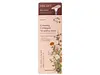
This wash off mask is made with Panax Ginseng Root Extract and Collagen Extract for a rinse-off hydration boost.
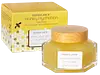
This wash off mask is made with Honey Extract and Niacinamide for a rinse-off hydration boost.


What's inside
What's inside
 Key Ingredients
Benefits
Concerns
Ingredients Side-by-side
Panax Ginseng Root Extract
Emollient



Polyvinyl Alcohol
Caprylic/Capric Triglyceride
Masking

Water
Skin ConditioningCollagen Extract
Skin Conditioning
Niacinamide
Smoothing






Butylene Glycol
Humectant
1,2-Hexanediol
Skin Conditioning
Methylpropanediol
SolventLactobacillus/Panax Ginseng Root Extract Ferment Filtrate
Skin ConditioningLithospermum Erythrorhizon Root Oil
Skin Conditioning
Sorbitan Sesquioleate
Emulsifying

Simmondsia Chinensis Seed Oil
Emollient
Argania Spinosa Kernel Oil
Emollient
Hydroxyacetophenone
Antioxidant
Parfum
Masking



Arginine
Masking
Acrylates/C10-30 Alkyl Acrylate Crosspolymer
Emulsion StabilisingGlyceryl Stearate
Emollient
Squalane
Emollient
Sodium Gluconate
ChelatingPolyglyceryl-10 Oleate
Skin Conditioning
Panthenol
Skin Conditioning
Helianthus Annuus Seed Oil
Emollient
Allantoin
Skin Conditioning
PEG-100 Stearate
Surfactant
Glycerin
Humectant
Propanediol
Solvent
Adenosine
Skin Conditioning
Hydrolyzed Collagen
Emollient
Ethylhexylglycerin
Skin ConditioningPentylene Glycol
Skin Conditioning
Hydrogenated Lecithin
Emulsifying
Camellia Japonica Flower Extract
EmollientMadecassoside
Antioxidant
Phytosteryl/Octyldodecyl Lauroyl Glutamate
Skin ConditioningTremella Fuciformis Polysaccharide
Emulsion Stabilising
Ceramide NP
Skin Conditioning
Sodium Hyaluronate
Humectant
Linalool
Perfuming
Benzyl Benzoate
Antimicrobial
Limonene
Perfuming
Geraniol
Perfuming
Citronellol
Perfuming
Alpha-Isomethyl Ionone
Perfuming
Panax Ginseng Root Extract, Polyvinyl Alcohol, Caprylic/Capric Triglyceride, Water, Collagen Extract, Niacinamide, Butylene Glycol, 1,2-Hexanediol, Methylpropanediol, Lactobacillus/Panax Ginseng Root Extract Ferment Filtrate, Lithospermum Erythrorhizon Root Oil, Sorbitan Sesquioleate, Simmondsia Chinensis Seed Oil, Argania Spinosa Kernel Oil, Hydroxyacetophenone, Parfum, Arginine, Acrylates/C10-30 Alkyl Acrylate Crosspolymer, Glyceryl Stearate, Squalane, Sodium Gluconate, Polyglyceryl-10 Oleate, Panthenol, Helianthus Annuus Seed Oil, Allantoin, PEG-100 Stearate, Glycerin, Propanediol, Adenosine, Hydrolyzed Collagen, Ethylhexylglycerin, Pentylene Glycol, Hydrogenated Lecithin, Camellia Japonica Flower Extract, Madecassoside, Phytosteryl/Octyldodecyl Lauroyl Glutamate, Tremella Fuciformis Polysaccharide, Ceramide NP, Sodium Hyaluronate, Linalool, Benzyl Benzoate, Limonene, Geraniol, Citronellol, Alpha-Isomethyl Ionone
Glycerin
Humectant
Diglycerin
Humectant
Water
Skin ConditioningHelianthus Annuus Seed Oil
Emollient
Polyglyceryl-10 Stearate
Skin Conditioning
Oleyl Erucate
Emollient
Sucrose Stearate
Emollient1,2-Hexanediol
Skin Conditioning
Coco-Glucoside
Cleansing
Glyceryl Oleate
Emollient
Hydroxyacetophenone
Antioxidant
Honey Extract
Humectant
Niacinamide
Smoothing
Panthenol
Skin Conditioning
Allantoin
Skin Conditioning
Glycine Soja Sterols
Emollient
Parfum
Masking
Tocopherol
Antioxidant
C10-30 Cholesterol/Lanosterol Esters
Emulsifying
Hippophae Rhamnoides Fruit Oil
Skin Protecting
Beta-Sitosterol
Emulsion Stabilising
Sodium Hyaluronate
Humectant
Oleyl Alcohol
Emollient


Butylene Glycol
Humectant
Squalene
Emollient
Limonene
Perfuming
Centella Asiatica Leaf Extract
Skin Conditioning
Pentylene Glycol
Skin Conditioning
Zanthoxylum Bungeanum Fruit Extract
Skin ConditioningHexyl Cinnamal
Perfuming
Phospholipids
Skin Conditioning
Linalool
Perfuming
Sphingolipids
Emollient
Glycerin, Diglycerin, Water, Helianthus Annuus Seed Oil, Polyglyceryl-10 Stearate, Oleyl Erucate, Sucrose Stearate, 1,2-Hexanediol, Coco-Glucoside, Glyceryl Oleate, Hydroxyacetophenone, Honey Extract, Niacinamide, Panthenol, Allantoin, Glycine Soja Sterols, Parfum, Tocopherol, C10-30 Cholesterol/Lanosterol Esters, Hippophae Rhamnoides Fruit Oil, Beta-Sitosterol, Sodium Hyaluronate, Oleyl Alcohol, Butylene Glycol, Squalene, Limonene, Centella Asiatica Leaf Extract, Pentylene Glycol, Zanthoxylum Bungeanum Fruit Extract, Hexyl Cinnamal, Phospholipids, Linalool, Sphingolipids
Reviews
Ingredients Explained
These ingredients are found in both products.
Ingredients higher up in an ingredient list are typically present in a larger amount.
1,2-Hexanediol is a synthetic liquid and another multi-functional powerhouse.
It is a:
- Humectant, drawing moisture into the skin
- Emollient, helping to soften skin
- Solvent, dispersing and stabilizing formulas
- Preservative booster, enhancing the antimicrobial activity of other preservatives
Allantoin is a soothing ingredient known for its protective and moisturizing properties; it's basically a quiet workhorse ingredient you can find in a huge range of cosmetics.
Though it can be derived from the comfrey plant, allantoin is produced synthetically for cosmetic products to ensure purity.
Research shows it can encourage your skin cells to turn over and renew by stimulating keratinocyte and fibroblast proliferation.
It also has mild keratolytic properties to help loosen and shed dead skin cells without being harsh.
Studies also suggest allantoin can help calm inflammation by dialing down some of the chemical signals your skin sends out when it is irritated.
This ingredient is typically used in the 0.1-0.5% range, and the FDA recognizes it as a skin protectant in OTC products up to 2%.
Overall, allantoin is a wonderful addition to most routines; it is stable across a wide pH range (~4-8), works well with other ingredients, and is considered non-sensitizing/non-irritating.
Fun fact: Allantoin is naturally occurring in comfrey root, beets, chamomile, and wheat sprouts. Our bodies even produce it as a byproduct of uric acid metabolism.
Learn more about AllantoinButylene Glycol (or BG) is used within cosmetic products for a few different reasons:
Overall, Butylene Glycol is a safe and well-rounded ingredient that works well with other ingredients.
Though this ingredient works well with most skin types, some people with sensitive skin may experience a reaction such as allergic rashes, closed comedones, or itchiness.
Learn more about Butylene GlycolGlycerin (or glycerol) is a compound naturally found in your skin. It's a powerhouse humectant that pulls water into the stratum corneum.
Topically, glycerin does several things at once:
Your skin makes glycerin on its own (mostly from sebaceous oil breakdown) and shuttles it to your outermost layer of skin, or your epidermis, via aquaporin-3.
Aquaporin-3 is a transporter that is essential for normal skin hydration, elasticity, and repair. Interestingly, mice lacking in AQP3 have dry and less elastic skin that can be fully corrected with glycerin.
This ingredient is non-irritating, plays well with almost every ingredient, and works across all skin types. Typical use is anywhere between 3-10% but can go up to 79% in some leave-on products.
Just know very high concentrations (>40%) can feel tacky in low humidity.
Glycerin is the name for this ingredient in American English. British English uses Glycerol/Glycerine.
Learn more about GlycerinHelianthus Annuus Seed Oil is a plant oil derived from the seeds of a sunflower.
It is rich in fatty acids, primarily linoleic acid and oleic acid. This gives it emollient and skin conditioning properties.
The reason this ingredient is so effective is because it forms a thin film on the skin that reduces transepidermal water loss (TEWL) while supplying linoleic acid to the stratum corneum to improve barrier strength.
The high linoleic acid content is particularly noteworthy for acne-prone skin.
Research suggests that acne-prone skin tends to be deficient in linoleic acid in sebum. Topical application may help replenish this to support a healthier follicular environment and less comedone-promoting sebum.
One randomized study found sunflower seed oil preserved skin barrier integrity in adult volunteers with and without atopic dermatitis (outperforming olive oil).
This ingredient is well-studied, gentle, and an effective emollient suitable for most skin types.
On fungal acne: This ingredient may not be Fungal acne (Malassezia folliculitis) safe. This is because it contains fatty acids with carbon chain lengths in the C11-C24 range.
Learn more about Helianthus Annuus Seed OilHydroxyacetophenone is a small phenolic molecule that earns its place in a formulas as an antioxidant and preservative booster.
As a phenol, it is able to neutralize free radicals to protect both the product and the skin from oxidative stress.
Though it can't kill microbes on its own, it works as a good supporting agent when combined with other preservatives like Phenoxyethanol or 1,2-Hexanediol.
This ingredient naturally occurs as piceol in Norwegian spruce needles (~0.4-1.1% dry weight and in cloudberries). Though the cosmetic-grade material is synthesized for purity and consistency.
You'll usually see it used at low levels and suppliers recommend up to 1% added to a water phase.
Safety testing was done at concentrations like 0.05% in SPF products and 0.5% in a Human Repeated Insult Patch Test. The safety evidence is assuring; this ingredient is safe for cosmetics in current use and also holds safety status as a food flavoring as well.
An honest caveat: the "soothing" and "anti-inflammatory" claims come mostly from supplier marketing rather than published clinical trials. The Cosmetic Ingredient Review's own literature search found no useful efficacy studies on this ingredient.
So the antioxidant and preservative-boosting roles are the well supported ones while the calming benefit is plausible but thinly evidenced.
Overall, this is a well-tolerated, low-irritation multitasker that quietly helps a formula stay fresh and stable.
Learn more about HydroxyacetophenoneLimonene is the compound that gives citrus peel its smell.
In skincare, it shows up as a standalone fragrance ingredient or as a natural compound of citrus and other essential oils.
You'll typically see this ingredient used in very small amounts; anything above 0.001% in a leave-on product or 0.01% in a rinse-off has to be named on the label in the EU. The citrus oils that carry it sit around 0.5-1% in a finished formula.
Fresh limonene is a weak allergen; the real issue is that it slowly reacts with air and then breaks down from oxidation to create hydroperoxides (which are strong sensitizers). This is why suppliers are required to keep the peroxide value below 20 mmol.
Positive reactions in people being investigated for eczema vary:
It's worth skipping if you have a known fragrance allergy or a compromised barrier, but the risk is low for most people.
Older or long-opened products are also more likely to bother you than fresh ones due to oxidation.
Learn more about LimoneneLinalool is a small, naturally occurring scent molecule found in plants like lavender, coriander, bergamot, and more.
It is one of the two most-used fragrance ingredients in cosmetics and added purely for smell. Since it's not used for a skin benefit, there's no "effective dose". Concentration depends on the fragrance load of the product.
The EU requires it to be named on the label above 0.001% in leave-on and 0.01% in rinse-off products.
Fresh linalool is a weak sensitizer but air exposure turns some of it into hydroperoxides, which are strong sensitizers. Those oxidation products are the actual allergy concern.
Patch-test clinics see positive reactions to linalool hydroperoxides in about 4% to 12% of dermatitis patients depending on country and test concentration.
Resassuringly, one analytical study found hydroperoxide levels in real fragranced products to be orders of magnitude below what induced sensitization in animal studies with no evidence of oxidation building up during normal storage.
The practical takeaway is that linalool is fine for most people but worth avoiding if you have a confirmed fragrance contact allergy or a badly compromised barrier.
Products stored a long time after opening are also the high-risk scenario since that is when oxidation happens.
The scent of linalool is described as floral, spicy tropical, and citrus-like.
Learn more about LinaloolNiacinamide is a multitasking form of vitamin B3 that strengthens the skin barrier, reduces pores and dark spots, regulates oil, and improves signs of aging.
And the best part? It's gentle and well-tolerated by most skin types, including sensitive and reactive skin.
You might have heard of "niacin flush", or the reddening of skin that causes itchiness. Niacinamide has not been found to cause this.
In very rare cases, some individuals may not be able to tolerate niacinamide at all or experience an allergic reaction to it.
If you are experiencing flaking, irritation, and dryness with this ingredient, be sure to double check all your products as this ingredient can be found in all categories of skincare.
When incorporating niacinamide into your routine, look out for concentration amounts. Typically, 5% niacinamide provides benefits such as fading dark spots. However, if you have sensitive skin, it is better to begin with a smaller concentration.
When you apply niacinamide to your skin, your body converts it into nicotinamide adenine dinucleotide (NAD). NAD is an essential coenzyme that is already found in your cells as "fuel" and powers countless biological processes.
In your skin, NAD helps repair cell damage, produce new healthy cells, support collagen production, strengthen the skin barrier, and fight environmental stressors (like UV and pollution).
Our natural NAD levels start to decline with age, leading to slower skin repair, visible aging, and a weaker skin barrier. By providing your skin niacinamide, you're recharging your skin's NAD levels. This leads to stronger, healthier, and younger looking skin.
Another name for vitamin B3 is nicotinamide. This vitamin is water-soluble and our bodies don't store it. We obtain Vitamin B3 from either food or skincare. Meat, fish, wheat, yeast, and leafy greens contain vitamin B3.
The type of niacinamide used in skincare is synthetically created.
Learn more about NiacinamidePanthenol is a common ingredient that helps hydrate and soothe the skin. It is found naturally in our skin and hair.
There are two forms of panthenol: D and L.
D-panthenol is also known as dexpanthenol. Most cosmetics use dexpanthenol or a mixture of D and L-panthenol.
Panthenol is famous due to its ability to go deeper into the skin's layers. Using this ingredient has numerous pros (and no cons):
Like hyaluronic acid, panthenol is a humectant. Humectants are able to bind and hold large amounts of water to keep skin hydrated.
This ingredient works well for wound healing. It works by increasing tissue in the wound and helps close open wounds.
Once oxidized, panthenol converts to pantothenic acid. Panthothenic acid is found in all living cells.
This ingredient is also referred to as pro-vitamin B5.
Learn more about PanthenolParfum is a catch-all term for an ingredient or more that is used to give a scent to products.
Also called "fragrance", this ingredient can be a blend of hundreds of chemicals or plant oils. This means every product with "fragrance" or "parfum" in the ingredients list is a different mixture.
For instance, Habanolide is a proprietary trade name for a specific aroma chemical. When used as a fragrance ingredient in cosmetics, most aroma chemicals fall under the broad labeling category of “FRAGRANCE” or “PARFUM” according to EU and US regulations.
The term 'parfum' or 'fragrance' is not regulated in many countries. In many cases, it is up to the brand to define this term.
For instance, many brands choose to label themselves as "fragrance-free" because they are not using synthetic fragrances. However, their products may still contain ingredients such as essential oils that are considered a fragrance by INCI standards.
One example is Calendula flower extract. Calendula is an essential oil that still imparts a scent or 'fragrance'.
Depending on the blend, the ingredients in the mixture can cause allergies and sensitivities on the skin. Some ingredients that are known EU allergens include linalool and citronellol.
Parfum can also be used to mask or cover an unpleasant scent.
The bottom line is: not all fragrances/parfum/ingredients are created equally. If you are worried about fragrances, we recommend taking a closer look at an ingredient. And of course, we always recommend speaking with a professional.
Learn more about ParfumPentylene Glycol (1,2-pentanediol) is a multitasking little diol with three main roles in a formula:
Research on alkanediols (the family pentylene glycol belongs to) show they work by disrupting microbial cell membranes. This disruption helps the primary preservative system in a product work more effectively at lower doses.
On the safety side, the Cosmetic Ingredient Review Expert Panel has concluded this ingredient to be safe as used in current cosmetic practices + concentrations.
Typical use levels in a formula run about 1-5%.
Learn more about Pentylene GlycolSodium Hyaluronate is the salt form of hyaluronic acid. It is a long sugar chain that is naturally found in your skin, joints, and connective tissue that maintains hydration and elasticity.
In skincare, it works as a humectant. It pulls water from the environment and deeper layers of skin and binds it to the surface.
Interestingly, the size of the molecule affects its behavior:
Some clinical evidence links low molecular weight versions to improved wrinkle depth, elasticity, anti-inflammatory effects, and barrier repair.
Many serums use a blend of both weights so you can get surface hydration plus longer-lasting and deeper effects.
You'll typically see concentrations between 0.1-2% for this ingredient.
Learn more about Sodium HyaluronateWater. It's the most common cosmetic ingredient of all. You'll usually see it at the top of ingredient lists, meaning that it makes up the largest part of the product.
So why is it so popular? Water most often acts as a solvent - this means that it helps dissolve other ingredients into the formulation.
You'll also recognize water as that liquid we all need to stay alive. If you see this, drink a glass of water. Remember to stay hydrated!
Learn more about Water

