

What's inside
What's inside
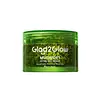 Key Ingredients
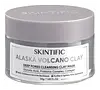
Benefits
Concerns
No concerns
Ingredients Side-by-side
Water
Skin ConditioningButylene Glycol
Humectant

Erythritol
Humectant
Diglycerin
Humectant
Acrylates/C10-30 Alkyl Acrylate Crosspolymer
Emulsion StabilisingCamellia Sinensis Leaf Extract
Antimicrobial






Artemisia Vulgaris Extract
Skin Conditioning
Pinus Densiflora Leaf Extract
Antimicrobial
Hydroxyacetophenone
Antioxidant
Salix Alba Bark Extract
Astringent
Pentylene Glycol
Skin Conditioning
Niacinamide
Smoothing



Panthenol
Skin Conditioning
Betaine
Humectant
Portulaca Oleracea Extract
Skin Conditioning
Centella Asiatica Extract
Cleansing
Asiaticoside
Antioxidant
Madecassic Acid
Skin Conditioning
Asiatic Acid
Skin Conditioning
Sodium Hyaluronate
Humectant
Hydroxyphenyl Propamidobenzoic Acid
Skin Conditioning1,2-Hexanediol
Skin Conditioning
Methyl Gluceth-20
Humectant
Aminomethyl Propanol
BufferingHydroxypropyl Tetrahydropyrantriol
Skin ConditioningCapryloyl Glycine
CleansingAcetyl Glucosamine
Skin Conditioning
Hydroxyethylpiperazine Ethane Sulfonic Acid
BufferingPEG-40 Hydrogenated Castor Oil
Emulsifying

Glycerin
Humectant
Carnosine
Skin Conditioning
Inulin
Skin Conditioning
Alpha-Glucan Oligosaccharide
Cleansing
Lactobacillus/Soymilk Ferment Filtrate
Skin ConditioningLactobacillus Ferment
Skin Conditioning
Caprylic/Capric Triglyceride
Masking
Hydrogenated Lecithin
Emulsifying
Hydroxypropyl Cyclodextrin
MaskingDipropylene Glycol
HumectantAscorbyl Palmitate
Antioxidant
Ethylhexylglycerin
Skin ConditioningPhenoxyethanol
Preservative
Potassium Sorbate
Preservative
Sodium Benzoate
Masking
Aroma

Caramel
Cosmetic ColorantCI 15985
Cosmetic ColorantCI 42090
Cosmetic ColorantWater, Butylene Glycol, Erythritol, Diglycerin, Acrylates/C10-30 Alkyl Acrylate Crosspolymer, Camellia Sinensis Leaf Extract, Artemisia Vulgaris Extract, Pinus Densiflora Leaf Extract, Hydroxyacetophenone, Salix Alba Bark Extract, Pentylene Glycol, Niacinamide, Panthenol, Betaine, Portulaca Oleracea Extract, Centella Asiatica Extract, Asiaticoside, Madecassic Acid, Asiatic Acid, Sodium Hyaluronate, Hydroxyphenyl Propamidobenzoic Acid, 1,2-Hexanediol, Methyl Gluceth-20, Aminomethyl Propanol, Hydroxypropyl Tetrahydropyrantriol, Capryloyl Glycine, Acetyl Glucosamine, Hydroxyethylpiperazine Ethane Sulfonic Acid, PEG-40 Hydrogenated Castor Oil, Glycerin, Carnosine, Inulin, Alpha-Glucan Oligosaccharide, Lactobacillus/Soymilk Ferment Filtrate, Lactobacillus Ferment, Caprylic/Capric Triglyceride, Hydrogenated Lecithin, Hydroxypropyl Cyclodextrin, Dipropylene Glycol, Ascorbyl Palmitate, Ethylhexylglycerin, Phenoxyethanol, Potassium Sorbate, Sodium Benzoate, Aroma, Caramel, CI 15985, CI 42090
Water
Skin ConditioningBentonite
Absorbent
Kaolin
Abrasive
Glycerin
Humectant
Perlite
Absorbent
Volcanic Soil
Skin Conditioning
Manicouagan Clay
AbsorbentGlycolic Acid
Buffering

Collagen
Moisturising
Bifida Ferment Filtrate
Skin Conditioning
Saccharomyces/Barley Seed Ferment Filtrate
HumectantSaccharomyces/Mother Of Pearl Ferment Lysate Filtrate
Skin Conditioning
Lactobacillus Ferment Lysate
Skin Conditioning
Lactobacillus/Soymilk Ferment Filtrate
Skin ConditioningButylene Glycol
Humectant
Caprylic/Capric Triglyceride
Masking
Zea Mays Starch
Absorbent
Ceteareth-25
CleansingCI 77499
Cosmetic Colorant1,2-Hexanediol
Skin Conditioning
Hydroxyacetophenone
Antioxidant
Avena Sativa Kernel Flour
Abrasive
Xanthan Gum
EmulsifyingDipropylene Glycol
HumectantHydrogenated Lecithin
Emulsifying
Tocopheryl Acetate
Antioxidant
Titanium Dioxide
Cosmetic Colorant

Bisabolol
Antioxidant
Menthyl Lactate
Masking
Parfum
Masking

Disodium Stearoyl Glutamate
CleansingAluminum Hydroxide
EmollientPhytic Acid
Citrus Reticulata Fruit Extract
Skin ProtectingEthylhexylglycerin
Skin ConditioningAllantoin
Skin Conditioning
Sodium Hydroxide
BufferingStearyl Alcohol
Emollient
Cetyl Alcohol
Emollient
Paeonia Suffruticosa Extract
Skin ConditioningMichelia Alba Flower Extract
Skin ConditioningScutellaria Baicalensis Extract
AntimicrobialDunaliella Salina Extract
Skin ConditioningLeuconostoc/Radish Root Ferment Filtrate
Antimicrobial
Phenoxyethanol
Preservative
Populus Tremuloides Bark Extract
AntiseborrhoeicWater, Bentonite, Kaolin, Glycerin, Perlite, Volcanic Soil, Manicouagan Clay, Glycolic Acid, Collagen, Bifida Ferment Filtrate, Saccharomyces/Barley Seed Ferment Filtrate, Saccharomyces/Mother Of Pearl Ferment Lysate Filtrate, Lactobacillus Ferment Lysate, Lactobacillus/Soymilk Ferment Filtrate, Butylene Glycol, Caprylic/Capric Triglyceride, Zea Mays Starch, Ceteareth-25, CI 77499, 1,2-Hexanediol, Hydroxyacetophenone, Avena Sativa Kernel Flour, Xanthan Gum, Dipropylene Glycol, Hydrogenated Lecithin, Tocopheryl Acetate, Titanium Dioxide, Bisabolol, Menthyl Lactate, Parfum, Disodium Stearoyl Glutamate, Aluminum Hydroxide, Phytic Acid, Citrus Reticulata Fruit Extract, Ethylhexylglycerin, Allantoin, Sodium Hydroxide, Stearyl Alcohol, Cetyl Alcohol, Paeonia Suffruticosa Extract, Michelia Alba Flower Extract, Scutellaria Baicalensis Extract, Dunaliella Salina Extract, Leuconostoc/Radish Root Ferment Filtrate, Phenoxyethanol, Populus Tremuloides Bark Extract
Reviews
Ingredients Explained
These ingredients are found in both products.
Ingredients higher up in an ingredient list are typically present in a larger amount.
1,2-Hexanediol is a synthetic liquid and another multi-functional powerhouse.
It is a:
- Humectant, drawing moisture into the skin
- Emollient, helping to soften skin
- Solvent, dispersing and stabilizing formulas
- Preservative booster, enhancing the antimicrobial activity of other preservatives
Butylene Glycol (or BG) is used within cosmetic products for a few different reasons:
Overall, Butylene Glycol is a safe and well-rounded ingredient that works well with other ingredients.
Though this ingredient works well with most skin types, some people with sensitive skin may experience a reaction such as allergic rashes, closed comedones, or itchiness.
Learn more about Butylene GlycolThis ingredient is a lightweight emollient, solvent, and texture enhancer. It is considered a skin-softener by helping the skin prevent moisture loss.
It helps thicken a product's formula and makes it easier to spread by dissolving clumping compounds.
Caprylic Triglyceride is made by combining glycerin with coconut oil, forming a clear liquid. Though it behaves like an oil, it is not technically one due to its chemical composition. It is very stable, resistant to oxidation, and unlikely to go rancid. In practice, that translates to a long shelf life and a consistently elegant skin feel.
While there is an assumption Caprylic Triglyceride can clog pores due to it being derived from coconut oil, there is no research supporting this. Be sure to patch test if you have concerns.
Fractionated coconut oil and MCT Oil are both listed as Caprylic/Capric Triglyceride according to INCI. This is because INCI names are based on the ingredient’s final chemical composition and not its marketing name or source.
Learn more about Caprylic/Capric TriglycerideDipropylene Glycol is a synthetically created humectant, stabilizer, and solvent.
This ingredient helps:
Dipropylene glycol is technically an alcohol, but it belongs to the glycol family (often considered part of the ‘good’ alcohols). This means it is hydrating and gentle on skin unlike drying solvent alcohols like denatured alcohol.
As a masking agent, Dipropylene Glycol can be used to cover the smell of other ingredients. However, it does not have a scent.
Studies show Dipropylene Glycol is considered safe to use in skincare.
Learn more about Dipropylene GlycolEthylhexylglycerin is created from glycerin. It is a multitasker ingredient that:
The CIR Expert Panel found minimal skin absorption or sensitization of any kind in a safety assessment. Though this ingredient is considered well-tolerated, a small number of cases of allergic dermatitis have been published since 2002. Just be sure to patch test if you are unsure.
Industry-reported use ranges from 8% in rinse-off products and 2% in leave-on formulations.
Learn more about EthylhexylglycerinGlycerin (or glycerol) is a compound naturally found in your skin. It's a powerhouse humectant that pulls water into the stratum corneum.
Topically, glycerin does several things at once:
Your skin makes glycerin on its own (mostly from sebaceous oil breakdown) and shuttles it to your outermost layer of skin, or your epidermis, via aquaporin-3.
Aquaporin-3 is a transporter that is essential for normal skin hydration, elasticity, and repair. Interestingly, mice lacking in AQP3 have dry and less elastic skin that can be fully corrected with glycerin.
This ingredient is non-irritating, plays well with almost every ingredient, and works across all skin types. Typical use is anywhere between 3-10% but can go up to 79% in some leave-on products.
Just know very high concentrations (>40%) can feel tacky in low humidity.
Glycerin is the name for this ingredient in American English. British English uses Glycerol/Glycerine.
Learn more about GlycerinHydrogenated Lecithin is a more stable version of lecithin.
It's made by taking lecithin (a phospholipid commonly found in soybeans and egg yolks) and hydrogenating it. This just means the unsaturated fatty acids are turned into saturated ones so they don't go bad as easily.
This ingredient is an emollient, emulsifier, and penetration enhancer. As an emollient, it helps soften and hydrate skin by trapping moisture within. As an emulsifier, it prevents oil and water ingredients from separating.
Hydrogenated Lecithin can form tiny spherical structures made of phospholipid bilayers called liposomes. These liposomes are able to capture compounds inside their structure and deliver them through the skin barrier.
Because phospholipids are a natural component of our cell membranes, this ingredient is inherently compatible with skin.
A 2021 study found lecithin-based surfactants were less harsh and more tolerable comared to Sodium Lauryl Sulfate (SLS).
Learn more about Hydrogenated LecithinHydroxyacetophenone is antioxidant with skin conditioning and soothing properties. It also boosts the efficiency of preservatives.
Though naturally occuring in Norwegian spruce needles, this ingredient is usually synthetically created.
This ingredient is not irritating or sensitizing. Recent research also suggests it may have skin-brightening effects through tyrosinase inhibition.
Learn more about HydroxyacetophenoneThis ingredient is a filtrate from soymilk that has been fermented with Lactobacillus. The word "filtrate" means you're getting fermentation by-products, not live probiotic bacteria.
It is a gentle skin conditioning ingredient used to help skin feel softer, calmer, and more hydrated. In cosmetic research, "probiotic/postbiotic" style ingredients are commonly discussed in the context of supporting the skin's micro-ecology and barrier function.
Just be cautious if you're allergic to soy, and be sure to patch test even though it's processed/filtered.
Learn more about Lactobacillus/Soymilk Ferment FiltratePhenoxyethanol is a preservative that has germicide, antimicrobial, and aromatic properties. Studies show that phenoxyethanol can prevent microbial growth. By itself, it has a scent that is similar to that of a rose.
It's often used in formulations along with Caprylyl Glycol to preserve the shelf life of products.
Water. It's the most common cosmetic ingredient of all. You'll usually see it at the top of ingredient lists, meaning that it makes up the largest part of the product.
So why is it so popular? Water most often acts as a solvent - this means that it helps dissolve other ingredients into the formulation.
You'll also recognize water as that liquid we all need to stay alive. If you see this, drink a glass of water. Remember to stay hydrated!
Learn more about Water
