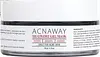
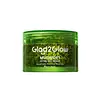
This wash off mask is formulated around Salicylic Acid to clear breakouts and unclog pores.
This wash off mask is made with Artemisia Vulgaris Extract and Salix Alba Bark Extract for a rinse-off breakout-care boost.

What's inside
What's inside
 Key Ingredients
Benefits
Concerns
Ingredients Side-by-side
Water
Skin ConditioningButylene Glycol
Humectant

PEG/PPG-17/6 Copolymer
SolventAcrylates/C10-30 Alkyl Acrylate Crosspolymer
Emulsion StabilisingArginine
Masking
Propylene Glycol
Humectant

PPG-5-Ceteth-20
EmulsifyingHydroxyacetophenone
Antioxidant
Camellia Sinensis Leaf
Perfuming




Aloe Barbadensis Leaf Juice Powder
Skin Conditioning
Dimethiconol
Emollient
Allantoin
Skin Conditioning
Niacinamide
Smoothing





1,2-Hexanediol
Skin Conditioning
Caprylhydroxamic Acid
ChelatingBeta-Glucan
Skin Conditioning
Sodium Hyaluronate
Humectant
Gentiana Scabra Root Extract
Skin ConditioningDipotassium Glycyrrhizate
Humectant
Portulaca Oleracea Extract
Skin Conditioning
Glyceryl Caprylate
EmollientEthylhexylglycerin
Skin ConditioningLactobacillus/Soymilk Ferment Filtrate
Skin ConditioningHouttuynia Cordata Extract
Skin Conditioning
Artemisia Argyi Leaf Extract
Skin ConditioningCalendula Officinalis Extract
Skin Conditioning
Ahnfeltiopsis Concinna Extract
Skin Conditioning
Sodium Dehydroacetate
Preservative
Phenoxyethanol
Preservative
Chlorphenesin
Antimicrobial
Lavandula Angustifolia Oil
Masking



Melaleuca Alternifolia Leaf Oil
Antioxidant
Mentha Piperita Oil
Masking
CI 19140
Cosmetic ColorantCI 74260
Cosmetic ColorantCI 77266
Cosmetic ColorantCI 16255
Cosmetic ColorantSalicylic Acid
Masking
Water, Butylene Glycol, PEG/PPG-17/6 Copolymer, Acrylates/C10-30 Alkyl Acrylate Crosspolymer, Arginine, Propylene Glycol, PPG-5-Ceteth-20, Hydroxyacetophenone, Camellia Sinensis Leaf, Aloe Barbadensis Leaf Juice Powder, Dimethiconol, Allantoin, Niacinamide, 1,2-Hexanediol, Caprylhydroxamic Acid, Beta-Glucan, Sodium Hyaluronate, Gentiana Scabra Root Extract, Dipotassium Glycyrrhizate, Portulaca Oleracea Extract, Glyceryl Caprylate, Ethylhexylglycerin, Lactobacillus/Soymilk Ferment Filtrate, Houttuynia Cordata Extract, Artemisia Argyi Leaf Extract, Calendula Officinalis Extract, Ahnfeltiopsis Concinna Extract, Sodium Dehydroacetate, Phenoxyethanol, Chlorphenesin, Lavandula Angustifolia Oil, Melaleuca Alternifolia Leaf Oil, Mentha Piperita Oil, CI 19140, CI 74260, CI 77266, CI 16255, Salicylic Acid
Water
Skin ConditioningButylene Glycol
Humectant
Erythritol
Humectant
Diglycerin
Humectant
Acrylates/C10-30 Alkyl Acrylate Crosspolymer
Emulsion StabilisingCamellia Sinensis Leaf Extract
Antimicrobial
Artemisia Vulgaris Extract
Skin Conditioning
Pinus Densiflora Leaf Extract
Antimicrobial
Hydroxyacetophenone
Antioxidant
Salix Alba Bark Extract
Astringent
Pentylene Glycol
Skin Conditioning
Niacinamide
Smoothing
Panthenol
Skin Conditioning
Betaine
Humectant
Portulaca Oleracea Extract
Skin Conditioning
Centella Asiatica Extract
Cleansing
Asiaticoside
Antioxidant
Madecassic Acid
Skin Conditioning
Asiatic Acid
Skin Conditioning
Sodium Hyaluronate
Humectant
Hydroxyphenyl Propamidobenzoic Acid
Skin Conditioning1,2-Hexanediol
Skin Conditioning
Methyl Gluceth-20
Humectant
Aminomethyl Propanol
BufferingHydroxypropyl Tetrahydropyrantriol
Skin ConditioningCapryloyl Glycine
CleansingAcetyl Glucosamine
Skin Conditioning
Hydroxyethylpiperazine Ethane Sulfonic Acid
BufferingPEG-40 Hydrogenated Castor Oil
Emulsifying
Glycerin
Humectant
Carnosine
Skin Conditioning
Inulin
Skin Conditioning
Alpha-Glucan Oligosaccharide
Cleansing
Lactobacillus/Soymilk Ferment Filtrate
Skin ConditioningLactobacillus Ferment
Skin Conditioning
Caprylic/Capric Triglyceride
Masking
Hydrogenated Lecithin
Emulsifying
Hydroxypropyl Cyclodextrin
MaskingDipropylene Glycol
HumectantAscorbyl Palmitate
Antioxidant
Ethylhexylglycerin
Skin ConditioningPhenoxyethanol
Preservative
Potassium Sorbate
Preservative
Sodium Benzoate
Masking
Aroma

Caramel
Cosmetic ColorantCI 15985
Cosmetic ColorantCI 42090
Cosmetic ColorantWater, Butylene Glycol, Erythritol, Diglycerin, Acrylates/C10-30 Alkyl Acrylate Crosspolymer, Camellia Sinensis Leaf Extract, Artemisia Vulgaris Extract, Pinus Densiflora Leaf Extract, Hydroxyacetophenone, Salix Alba Bark Extract, Pentylene Glycol, Niacinamide, Panthenol, Betaine, Portulaca Oleracea Extract, Centella Asiatica Extract, Asiaticoside, Madecassic Acid, Asiatic Acid, Sodium Hyaluronate, Hydroxyphenyl Propamidobenzoic Acid, 1,2-Hexanediol, Methyl Gluceth-20, Aminomethyl Propanol, Hydroxypropyl Tetrahydropyrantriol, Capryloyl Glycine, Acetyl Glucosamine, Hydroxyethylpiperazine Ethane Sulfonic Acid, PEG-40 Hydrogenated Castor Oil, Glycerin, Carnosine, Inulin, Alpha-Glucan Oligosaccharide, Lactobacillus/Soymilk Ferment Filtrate, Lactobacillus Ferment, Caprylic/Capric Triglyceride, Hydrogenated Lecithin, Hydroxypropyl Cyclodextrin, Dipropylene Glycol, Ascorbyl Palmitate, Ethylhexylglycerin, Phenoxyethanol, Potassium Sorbate, Sodium Benzoate, Aroma, Caramel, CI 15985, CI 42090
Reviews
Ingredients Explained
These ingredients are found in both products.
Ingredients higher up in an ingredient list are typically present in a larger amount.
1,2-Hexanediol is a synthetic liquid and another multi-functional powerhouse.
It is a:
- Humectant, drawing moisture into the skin
- Emollient, helping to soften skin
- Solvent, dispersing and stabilizing formulas
- Preservative booster, enhancing the antimicrobial activity of other preservatives
Acrylates/C10-30 Alkyl Acrylate Crosspolymer is a synthetic polymer. It is used to thicken, emulsify, and improve the texture of products.
As an emulsifier, it helps stabilize oil-in-water emulsions to give products an elegant feel when applied.
It can also form a thin protective film on skin. One study found that a formula using this polymer helped slow down how quickly other ingredients (like DEET) were absorbed through skin.
A 2024 study of over 1,300 patients confirmed that sensitization to this ingredient is rare. It is also non-mutagenic and has a clean track record.
Learn more about Acrylates/C10-30 Alkyl Acrylate CrosspolymerButylene Glycol (or BG) is used within cosmetic products for a few different reasons:
Overall, Butylene Glycol is a safe and well-rounded ingredient that works well with other ingredients.
Though this ingredient works well with most skin types, some people with sensitive skin may experience a reaction such as allergic rashes, closed comedones, or itchiness.
Learn more about Butylene GlycolEthylhexylglycerin is created from glycerin. It is a multitasker ingredient that:
The CIR Expert Panel found minimal skin absorption or sensitization of any kind in a safety assessment. Though this ingredient is considered well-tolerated, a small number of cases of allergic dermatitis have been published since 2002. Just be sure to patch test if you are unsure.
Industry-reported use ranges from 8% in rinse-off products and 2% in leave-on formulations.
Learn more about EthylhexylglycerinHydroxyacetophenone is a small phenolic molecule that earns its place in a formulas as an antioxidant and preservative booster.
As a phenol, it is able to neutralize free radicals to protect both the product and the skin from oxidative stress.
Though it can't kill microbes on its own, it works as a good supporting agent when combined with other preservatives like Phenoxyethanol or 1,2-Hexanediol.
This ingredient naturally occurs as piceol in Norwegian spruce needles (~0.4-1.1% dry weight and in cloudberries). Though the cosmetic-grade material is synthesized for purity and consistency.
You'll usually see it used at low levels and suppliers recommend up to 1% added to a water phase.
Safety testing was done at concentrations like 0.05% in SPF products and 0.5% in a Human Repeated Insult Patch Test. The safety evidence is assuring; this ingredient is safe for cosmetics in current use and also holds safety status as a food flavoring as well.
An honest caveat: the "soothing" and "anti-inflammatory" claims come mostly from supplier marketing rather than published clinical trials. The Cosmetic Ingredient Review's own literature search found no useful efficacy studies on this ingredient.
So the antioxidant and preservative-boosting roles are the well supported ones while the calming benefit is plausible but thinly evidenced.
Overall, this is a well-tolerated, low-irritation multitasker that quietly helps a formula stay fresh and stable.
Learn more about HydroxyacetophenoneThis ingredient is a filtrate from soymilk that has been fermented with Lactobacillus. The word "filtrate" means you're getting fermentation by-products, not live probiotic bacteria.
It is a gentle skin conditioning ingredient used to help skin feel softer, calmer, and more hydrated. In cosmetic research, "probiotic/postbiotic" style ingredients are commonly discussed in the context of supporting the skin's micro-ecology and barrier function.
Just be cautious if you're allergic to soy, and be sure to patch test even though it's processed/filtered.
Learn more about Lactobacillus/Soymilk Ferment FiltrateNiacinamide is a multitasking form of vitamin B3 that strengthens the skin barrier, reduces pores and dark spots, regulates oil, and improves signs of aging.
And the best part? It's gentle and well-tolerated by most skin types, including sensitive and reactive skin.
You might have heard of "niacin flush", or the reddening of skin that causes itchiness. Niacinamide has not been found to cause this.
In very rare cases, some individuals may not be able to tolerate niacinamide at all or experience an allergic reaction to it.
If you are experiencing flaking, irritation, and dryness with this ingredient, be sure to double check all your products as this ingredient can be found in all categories of skincare.
When incorporating niacinamide into your routine, look out for concentration amounts. Typically, 5% niacinamide provides benefits such as fading dark spots. However, if you have sensitive skin, it is better to begin with a smaller concentration.
When you apply niacinamide to your skin, your body converts it into nicotinamide adenine dinucleotide (NAD). NAD is an essential coenzyme that is already found in your cells as "fuel" and powers countless biological processes.
In your skin, NAD helps repair cell damage, produce new healthy cells, support collagen production, strengthen the skin barrier, and fight environmental stressors (like UV and pollution).
Our natural NAD levels start to decline with age, leading to slower skin repair, visible aging, and a weaker skin barrier. By providing your skin niacinamide, you're recharging your skin's NAD levels. This leads to stronger, healthier, and younger looking skin.
Another name for vitamin B3 is nicotinamide. This vitamin is water-soluble and our bodies don't store it. We obtain Vitamin B3 from either food or skincare. Meat, fish, wheat, yeast, and leafy greens contain vitamin B3.
The type of niacinamide used in skincare is synthetically created.
Learn more about NiacinamidePhenoxyethanol is one of the most widely used preservatives in skincare (and for good reason!).
It has a large spectrum of antimicrobial activity and especially effective bacteria, yeast, and mold while only having a weak effect on your skin's natural microbiome.
On a cellular level, it disrupts the cell membranes of microbes by poking holes that make the cell leak. This shuts down the chemical reactions the microbe needs to make energy so it can no longer survive.
Another perk of this ingredient is that it stays functional across a wide pH range (3-10).
You'll often see it paired with boosters like Ethylhexylglycerin; one study showed that a 1:9 ratio of Ethylhexylglycerin to Phenoxyethanol damages bacterial membranes as effectively as doubling the Phenoxyethanol concentration on its own.
Typical use concentrations range from 0.3-1% depending on the formula, and this ingredient is capped at 1% int the EU.
Safety-wise, the fear mongering does not hold up to the evidence. The EU's Scientific Committee on Consumer Safety and FDA consider it safe as a preservative at up to 1%, including for children of all ages.
Adverse systemic effects only showed up in animal studies at exposures roughly 200x higher than what people get from cosmetics. And despite its very widespread use, this ingredient is a rare sensitizer and allergic reactions are uncommon.
Learn more about PhenoxyethanolThis extract comes from Purslane, a succulent. It has anti-inflammatory, antioxidant, and hydrating properties.
Purslane is very nutritious. It contains omega-3 fatty acids, NMFs, many vitamins, minerals, and antioxidants. The vitamins found in purslane include: Vitamin C, Vitamin A, and Vitamin E.
Fun fact: Purslane is a succulent with an extensive habitat. It is used in traditional Korean medicine to treat irritated skin.
Nowadays, purslane is becoming a superfood due to its highly nutritious content.
Learn more about Portulaca Oleracea ExtractSodium Hyaluronate is the salt form of hyaluronic acid. It is a long sugar chain that is naturally found in your skin, joints, and connective tissue that maintains hydration and elasticity.
In skincare, it works as a humectant. It pulls water from the environment and deeper layers of skin and binds it to the surface.
Interestingly, the size of the molecule affects its behavior:
Some clinical evidence links low molecular weight versions to improved wrinkle depth, elasticity, anti-inflammatory effects, and barrier repair.
Many serums use a blend of both weights so you can get surface hydration plus longer-lasting and deeper effects.
You'll typically see concentrations between 0.1-2% for this ingredient.
Learn more about Sodium HyaluronateWater. It's the most common cosmetic ingredient of all. You'll usually see it at the top of ingredient lists, meaning that it makes up the largest part of the product.
So why is it so popular? Water most often acts as a solvent - this means that it helps dissolve other ingredients into the formulation.
You'll also recognize water as that liquid we all need to stay alive. If you see this, drink a glass of water. Remember to stay hydrated!
Learn more about Water

