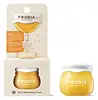
This brightening moisturizer is formulated around Niacinamide to brighten dull-looking skin.
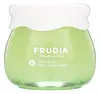
This calming day moisturizer is formulated around Panthenol to calm redness and hydrate skin.

What's inside
What's inside
 Key Ingredients
Benefits
Concerns
Ingredients Side-by-side
Citrus Unshiu Peel Extract
MaskingGlycerin
Humectant


Pentaerythrityl Tetraethylhexanoate
Emollient
Water
Skin ConditioningButylene Glycol
Humectant
Dimethicone/Divinyldimethicone/Silsesquioxane Crosspolymer
Humectant
1,2-Hexanediol
Skin Conditioning
Niacinamide
Smoothing









Hydrogenated Polydecene
EmollientDiisostearyl Malate
EmollientCetyl Alcohol
Emollient



Betaine
Humectant
Cetearyl Olivate
Sorbitan Olivate
Emulsifying
Caprylic/Capric Triglyceride
Masking
Glyceryl Caprylate
EmollientGlycereth-26
Humectant
Dimethicone
Emollient
Glyceryl Stearate
Emollient
PEG-100 Stearate
Surfactant
Stearyl Alcohol
Emollient
Sodium Acrylate/Sodium Acryloyldimethyl Taurate Copolymer
Emulsion StabilisingElaeis Guineensis Oil
Emollient


Tocopherol
Antioxidant

Carbomer
Emulsion StabilisingArginine
Masking
Isohexadecane
EmollientPolyquaternium-51
Skin Conditioning
Myristyl Alcohol
Emollient
Polysorbate 80
Emulsifying
Sodium Hyaluronate
Humectant
Lauryl Alcohol
Emollient
Sorbitan Oleate
Emulsifying
Eclipta Prostrata Extract
Skin Conditioning
Propanediol
Solvent
Melia Azadirachta Leaf Extract
Skin ConditioningMoringa Oleifera Seed Oil
Emollient
Eriobotrya Japonica Leaf Extract
Skin ConditioningHydrogenated Lecithin
Emulsifying
Mentha Viridis Extract
MaskingPhytosterols
Skin Conditioning
Panthenol
Skin Conditioning
Allantoin
Skin Conditioning
Riboflavin
Cosmetic ColorantCyanocobalamin
Skin ConditioningBiotin
AntiseborrhoeicAscorbic Acid
Antioxidant
Ceramide NP
Skin Conditioning
Disodium EDTA
Chlorphenesin
Antimicrobial
Parfum
Masking


Limonene
Perfuming
Linalool
Perfuming
Citrus Unshiu Peel Extract, Glycerin, Pentaerythrityl Tetraethylhexanoate, Water, Butylene Glycol, Dimethicone/Divinyldimethicone/Silsesquioxane Crosspolymer, 1,2-Hexanediol, Niacinamide, Hydrogenated Polydecene, Diisostearyl Malate, Cetyl Alcohol, Betaine, Cetearyl Olivate, Sorbitan Olivate, Caprylic/Capric Triglyceride, Glyceryl Caprylate, Glycereth-26, Dimethicone, Glyceryl Stearate, PEG-100 Stearate, Stearyl Alcohol, Sodium Acrylate/Sodium Acryloyldimethyl Taurate Copolymer, Elaeis Guineensis Oil, Tocopherol, Carbomer, Arginine, Isohexadecane, Polyquaternium-51, Myristyl Alcohol, Polysorbate 80, Sodium Hyaluronate, Lauryl Alcohol, Sorbitan Oleate, Eclipta Prostrata Extract, Propanediol, Melia Azadirachta Leaf Extract, Moringa Oleifera Seed Oil, Eriobotrya Japonica Leaf Extract, Hydrogenated Lecithin, Mentha Viridis Extract, Phytosterols, Panthenol, Allantoin, Riboflavin, Cyanocobalamin, Biotin, Ascorbic Acid, Ceramide NP, Disodium EDTA, Chlorphenesin, Parfum, Limonene, Linalool
Vitis Vinifera Fruit Extract 81%
Skin ConditioningMethylpropanediol
SolventGlycerin
Humectant
1,2-Hexanediol
Skin Conditioning
PEG/PPG-17/6 Copolymer
SolventWater
Skin ConditioningHydroxyethyl Urea
Humectant
Sodium Carbomer
Emulsion StabilisingBetaine
Humectant
Dimethicone
Emollient
Panthenol
Skin Conditioning
Phenoxyethanol
Preservative
Octyldodeceth-16
EmulsifyingPEG-60 Hydrogenated Castor Oil
Emulsifying
Ethylhexylglycerin
Skin ConditioningParfum
Masking
Polyquaternium-51
Skin Conditioning
Disodium EDTA
Coco-Caprylate/Caprate
Emollient
Prunus Armeniaca Kernel Oil
Masking
Vitis Vinifera Seed Oil
Emollient
CI 15985
Cosmetic ColorantCI 19140
Cosmetic ColorantCI 42090
Cosmetic ColorantCitrus Paradisi Seed Oil
Perfuming
Mangifera Indica Seed Oil
Emollient
Punica Granatum Seed Oil
Emollient
Solanum Lycopersicum Seed Oil
Emollient
Tocopherol
Antioxidant
Vitis Vinifera Fruit Extract 81%, Methylpropanediol, Glycerin, 1,2-Hexanediol, PEG/PPG-17/6 Copolymer, Water, Hydroxyethyl Urea, Sodium Carbomer, Betaine, Dimethicone, Panthenol, Phenoxyethanol, Octyldodeceth-16, PEG-60 Hydrogenated Castor Oil, Ethylhexylglycerin, Parfum, Polyquaternium-51, Disodium EDTA, Coco-Caprylate/Caprate, Prunus Armeniaca Kernel Oil, Vitis Vinifera Seed Oil, CI 15985, CI 19140, CI 42090, Citrus Paradisi Seed Oil, Mangifera Indica Seed Oil, Punica Granatum Seed Oil, Solanum Lycopersicum Seed Oil, Tocopherol
Reviews
Ingredients Explained
These ingredients are found in both products.
Ingredients higher up in an ingredient list are typically present in a larger amount.
1,2-Hexanediol is a synthetic liquid and another multi-functional powerhouse.
It is a:
- Humectant, drawing moisture into the skin
- Emollient, helping to soften skin
- Solvent, dispersing and stabilizing formulas
- Preservative booster, enhancing the antimicrobial activity of other preservatives
Betaine is a humectant. Like hyaluronic acid, it helps attract and retain moisture in the skin. It’s known for being gentle and for helping the skin maintain balanced hydration.
Betaine is mainly used to improve hydration and support calmer skin. It helps skin cells regulate water balance because it functions as an osmolyte.
Some studies suggest betaine may support making skin tone more even.
Fun fact: Betaine naturally exists in the skin and the body. In cosmetic products, it can be either plant-derived (most commonly from sugar beets) or synthetically produced for consistency and stability.
Betaine is also known as trimethylglycine.
Learn more about BetaineDimethicone is a type of synthetic silicone created from natural materials such as quartz. It is also known as polydimethylsiloxane.
What it does:
Dimethicone comes in different viscosities:
Depending on the viscosity, dimethicone has different properties.
Ingredients lists don't always show which type is used, so we recommend reaching out to the brand if you have questions about the viscosity.
This ingredient is unlikely to cause irritation because it does not get absorbed into skin. However, people with silicone allergies should be careful about using this ingredient.
Note: Dimethicone may contribute to pilling. This is because it is not oil or water soluble, so pilling may occur when layered with products. When mixed with heavy oils in a formula, the outcome is also quite greasy.
Learn more about DimethiconeDisodium EDTA is a chelating agent. It grabs onto and deactivates metal ions that sneak into your products from water, packaging, or air.
This ingredient mainly works behind the scenes and helps with:
On top of that, this ingredient can counteract the effects of hard water by binding to the minerals in it.
One thing worth knowing is that Disodium EDTA has been shown to be a mild penetration enhancer. It can help other ingredients absorb into skin more effectively which can be a double-edged sword (great for actives, but can also make the active too strong if you have sensitive skin).
Clinical patch testing showed no significant skin irritation at typical use concentrations and minimal dermal absorption.
You'll most likely see this ingredient near the end of an ingredient list. It's typically found in concentrations less than 1%.
Learn more about Disodium EDTAGlycerin (or glycerol) is a compound naturally found in your skin. It's a powerhouse humectant that pulls water into the stratum corneum.
Topically, glycerin does several things at once:
Your skin makes glycerin on its own (mostly from sebaceous oil breakdown) and shuttles it to your outermost layer of skin, or your epidermis, via aquaporin-3.
Aquaporin-3 is a transporter that is essential for normal skin hydration, elasticity, and repair. Interestingly, mice lacking in AQP3 have dry and less elastic skin that can be fully corrected with glycerin.
This ingredient is non-irritating, plays well with almost every ingredient, and works across all skin types. Typical use is anywhere between 3-10% but can go up to 79% in some leave-on products.
Just know very high concentrations (>40%) can feel tacky in low humidity.
Glycerin is the name for this ingredient in American English. British English uses Glycerol/Glycerine.
Learn more about GlycerinPanthenol is a common ingredient that helps hydrate and soothe the skin. It is found naturally in our skin and hair.
There are two forms of panthenol: D and L.
D-panthenol is also known as dexpanthenol. Most cosmetics use dexpanthenol or a mixture of D and L-panthenol.
Panthenol is famous due to its ability to go deeper into the skin's layers. Using this ingredient has numerous pros (and no cons):
Like hyaluronic acid, panthenol is a humectant. Humectants are able to bind and hold large amounts of water to keep skin hydrated.
This ingredient works well for wound healing. It works by increasing tissue in the wound and helps close open wounds.
Once oxidized, panthenol converts to pantothenic acid. Panthothenic acid is found in all living cells.
This ingredient is also referred to as pro-vitamin B5.
Learn more about PanthenolParfum is a catch-all term for an ingredient or more that is used to give a scent to products.
Also called "fragrance", this ingredient can be a blend of hundreds of chemicals or plant oils. This means every product with "fragrance" or "parfum" in the ingredients list is a different mixture.
For instance, Habanolide is a proprietary trade name for a specific aroma chemical. When used as a fragrance ingredient in cosmetics, most aroma chemicals fall under the broad labeling category of “FRAGRANCE” or “PARFUM” according to EU and US regulations.
The term 'parfum' or 'fragrance' is not regulated in many countries. In many cases, it is up to the brand to define this term.
For instance, many brands choose to label themselves as "fragrance-free" because they are not using synthetic fragrances. However, their products may still contain ingredients such as essential oils that are considered a fragrance by INCI standards.
One example is Calendula flower extract. Calendula is an essential oil that still imparts a scent or 'fragrance'.
Depending on the blend, the ingredients in the mixture can cause allergies and sensitivities on the skin. Some ingredients that are known EU allergens include linalool and citronellol.
Parfum can also be used to mask or cover an unpleasant scent.
The bottom line is: not all fragrances/parfum/ingredients are created equally. If you are worried about fragrances, we recommend taking a closer look at an ingredient. And of course, we always recommend speaking with a professional.
Learn more about ParfumPolyquaternium-51 is a polymer salt. It helps hydrate the skin by creating a film on top. This film traps moisture in, keeping your skin soft and hydrated.
Tocopherol is a fat-soluble antioxidant known as Vitamin E.
You'll find this ingredient in the vast majority of skincare (for good reason). It works to neutralize free radicals, or unstable molecules generated by UV exposure, pollution, and other environmental stressors, before they can cause oxidative damage to your skin cells.
Topically applied tocopherol has been shown to protect against UV damage by ramping up the skin's own natural defense enzymes.
It also acts as a skin conditioning agent; some studies show that regular topical use can improve the skin's water-binding capacity over 2-4 weeks.
This ingredient is especially loved for being a team player. When combined with Vitamin C, the photoprotective effect of both ingredients roughly doubles and the combo also helps reduce UV-induced DNA damage.
This ingredient has some brightening potential but it's more of a prevention ingredient than spot-fader. Cell studies show it can slow down melanin production but it's worth noting that it's not the most powerful brightener out there.
In formulations, it also serves as a stabilizer that helps protect other oxidation-prone ingredients from degrading.
Concentrations usually range from 0.1-1% in most leave-on products.
Learn more about TocopherolWater. It's the most common cosmetic ingredient of all. You'll usually see it at the top of ingredient lists, meaning that it makes up the largest part of the product.
So why is it so popular? Water most often acts as a solvent - this means that it helps dissolve other ingredients into the formulation.
You'll also recognize water as that liquid we all need to stay alive. If you see this, drink a glass of water. Remember to stay hydrated!
Learn more about Water

