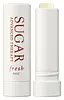
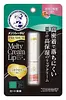
Fresh Sugar Advanced Therapy Treatment Lip Balm Versus Melty Cream Lip Premium Lip Balm SPF 26 PA+++
This barrier-repair lip moisturizer is formulated around Simmondsia Chinensis Seed Oil and Vitis Vinifera Seed Oil to strengthen the lip barrier and hydrate lips.
This barrier-repair lip moisturizer is formulated around Petrolatum and Butyrospermum Parkii Butter to strengthen the lip barrier and hydrate lips.


What's inside
What's inside
 Key Ingredients
Benefits
Concerns
Ingredients Side-by-side
Cera Alba
Emollient





Simmondsia Chinensis Seed Oil
Emollient


Hydrogenated Olive Oil Decyl Esters
Emulsion Stabilising
Hydrogenated Palm Kernel Glycerides
EmollientRicinus Communis Seed Oil
Masking
Vitis Vinifera Seed Oil
Emollient
Ethylhexyl Palmitate
Emollient
Parfum
Masking

Hydrogenated Palm Glycerides
Emollient
Theobroma Grandiflorum Seed Butter
Skin Conditioning
Prunus Domestica Seed Oil
Skin Conditioning
Copernicia Cerifera Wax
Limnanthes Alba Seed Oil
Skin Conditioning
Hydrogenated Vegetable Oil
Emollient
Passiflora Incarnata Seed Oil
Skin Protecting
Sucrose Tetrastearate Triacetate
Emollient
Crithmum Maritimum Extract
Skin ConditioningCommiphora Mukul Resin Extract
Skin ConditioningRibes Nigrum Seed Oil
Emollient
Tocopherol
Antioxidant




Ascorbyl Tetraisopalmitate
Antioxidant
Tocopheryl Acetate
Antioxidant
Ascorbyl Palmitate
Antioxidant
PEG-6 Isostearate
Emulsifying
Caprylic/Capric Triglyceride
Masking
Ammonium Glycyrrhizate
MaskingTrihydroxystearin
Skin Conditioning
Hesperetin Laurate
Antioxidant
Vanillin
Masking
Butylene Glycol
Humectant
BHT
Antioxidant
Caprylyl Glycol
Emollient
Sodium Hyaluronate
Humectant
Hexylene Glycol
EmulsifyingPhenoxyethanol
Preservative
Limonene
Perfuming
Citral
Perfuming
Benzyl Alcohol
Perfuming
Linalool
Perfuming
Geraniol
Perfuming
Cera Alba, Simmondsia Chinensis Seed Oil, Hydrogenated Olive Oil Decyl Esters, Hydrogenated Palm Kernel Glycerides, Ricinus Communis Seed Oil, Vitis Vinifera Seed Oil, Ethylhexyl Palmitate, Parfum, Hydrogenated Palm Glycerides, Theobroma Grandiflorum Seed Butter, Prunus Domestica Seed Oil, Copernicia Cerifera Wax, Limnanthes Alba Seed Oil, Hydrogenated Vegetable Oil, Passiflora Incarnata Seed Oil, Sucrose Tetrastearate Triacetate, Crithmum Maritimum Extract, Commiphora Mukul Resin Extract, Ribes Nigrum Seed Oil, Tocopherol, Ascorbyl Tetraisopalmitate, Tocopheryl Acetate, Ascorbyl Palmitate, PEG-6 Isostearate, Caprylic/Capric Triglyceride, Ammonium Glycyrrhizate, Trihydroxystearin, Hesperetin Laurate, Vanillin, Butylene Glycol, BHT, Caprylyl Glycol, Sodium Hyaluronate, Hexylene Glycol, Phenoxyethanol, Limonene, Citral, Benzyl Alcohol, Linalool, Geraniol
Petrolatum
Emollient
Paraffin
Skin Conditioning
Paraffinum Liquidum
Emollient
Hydrogenated Polyisobutene
EmollientEthylhexyl Methoxycinnamate
UV Absorber

Stearic Acid
Cleansing
Microcrystalline Wax
Emulsion StabilisingButyrospermum Parkii Butter
Skin Conditioning
Phytosteryl/Octyldodecyl Lauroyl Glutamate
Skin ConditioningSqualane
Emollient
Polyglyceryl-2 Diisostearate
Emulsifying
Phytosteryl Macadamiate
Skin Conditioning
Diisostearyl Malate
EmollientPersea Gratissima Oil
Skin Conditioning
Hydrogenated Vegetable Oil
Emollient
Ceramide NP
Skin Conditioning

Ceramide Ns
Skin Conditioning
Ceramide AP
Skin Conditioning
Honey
Humectant
Macadamia Integrifolia Seed Oil
Skin Conditioning
Olea Europaea Fruit Oil
Masking
Simmondsia Chinensis Seed Oil
Emollient
Royal Jelly Extract
Skin Conditioning
Butyl Methoxydibenzoylmethane
UV Absorber
Dipropylene Glycol
HumectantVp/Eicosene Copolymer
Polyglyceryl-4 Oleate
Emulsifying
Tocopheryl Acetate
Antioxidant
Argania Spinosa Kernel Oil
Emollient
Cholesterol
Emollient
Synthetic Wax
Abrasive
Iron Oxides
Water
Skin ConditioningHydrogenated Lecithin
Emulsifying
PEG-5 Soy Sterol
EmulsifyingIsopropyl Titanium Triisostearate
Emollient
Butylene Glycol
Humectant
Petrolatum, Paraffin, Paraffinum Liquidum, Hydrogenated Polyisobutene, Ethylhexyl Methoxycinnamate, Stearic Acid, Microcrystalline Wax, Butyrospermum Parkii Butter, Phytosteryl/Octyldodecyl Lauroyl Glutamate, Squalane, Polyglyceryl-2 Diisostearate, Phytosteryl Macadamiate, Diisostearyl Malate, Persea Gratissima Oil, Hydrogenated Vegetable Oil, Ceramide NP, Ceramide Ns, Ceramide AP, Honey, Macadamia Integrifolia Seed Oil, Olea Europaea Fruit Oil, Simmondsia Chinensis Seed Oil, Royal Jelly Extract, Butyl Methoxydibenzoylmethane, Dipropylene Glycol, Vp/Eicosene Copolymer, Polyglyceryl-4 Oleate, Tocopheryl Acetate, Argania Spinosa Kernel Oil, Cholesterol, Synthetic Wax, Iron Oxides, Water, Hydrogenated Lecithin, PEG-5 Soy Sterol, Isopropyl Titanium Triisostearate, Butylene Glycol
Reviews
Ingredients Explained
These ingredients are found in both products.
Ingredients higher up in an ingredient list are typically present in a larger amount.
Butylene Glycol (or BG) is used within cosmetic products for a few different reasons:
Overall, Butylene Glycol is a safe and well-rounded ingredient that works well with other ingredients.
Though this ingredient works well with most skin types, some people with sensitive skin may experience a reaction such as allergic rashes, closed comedones, or itchiness.
Learn more about Butylene GlycolHydrogenated Vegetable Oil isn't a single oil. It's the labeling name for a blend of plant-derived oils that can include canola, rapeseed, safflower, sunflower, sesame, palm, palm kernel, cotton, soybean, olive, and more.
Hydrogenation is the processing step that reduces or removes the unsaturated bonds in the fatty acids to make the oil more resistant to oxidative and thermal damage.
In cosmetics, it acts as a skin conditioner, occlusive, and emollient that give products a rich body.
Concentrations are reported from 0.0004% to 60% with leave-on products going as high as 60% and rinse-off products staying at 8% or below.
The Cosmetic Ingredient Review has concluded this ingredient to be safe as used in cosmetics.
This ingredient does have a comedogenic rating of 3, but this doesn't mean a formula with this ingredient will clog pores. Human testing has proved that any finished product with this ingredient won't automatically make you break out; it really comes down to concentration, formula, and your skin.
Since this ingredient is a triglyceride built mostly from C16 and C18 fatty acids, this ingredient may not be fungal acne safe as that falls into the range the Malassezia yeast can metabolize.
Allergy-wise, the proteins responsible for plant food allergies are taken out of the refined oil. This is why reactions to refined oils are rare even from highly allergenic sources like peanut. Well-designed studies have also shown refined peanut oil is safely tolerated by the vast majority of peanut-allergic people.
However, the issue is with unrefined oils; be sure to reach out to the manufacturer if you have a plant food allergy about the type of oil used in their products.
The other catch for this INCI name is that it doesn't tell you which plants are in the blend so you would need to ask the brand.
Learn more about Hydrogenated Vegetable OilJojoba oil is one of the most well-studied plant-derived ingredients in cosmetics. It is an emollient with a special structure.
Because it is made up of 97-98% wax esters, it closely mirrors the linear monoesters found in human sebum. This makes it skin compatible, non-greasy, and lightweight.
Unlike other plant oils, jojoba wax doesn't easily penetrate skin. It mostly works in the uppermost layers as an emollient. This just means it forms a light barrier on the skin to help retain moisture.
Formulations with jojoba esters up to 90% reduced transepidermal water loss (TEWL) and increased barrier recovery by 81% (outperforming bisabolol at 47%).
Besides barrier support, the science also suggests jojoba to have anti-inflammatory effects and potential applications for skin infections, aging, and wound healing.
Fun fact: Indigenous cultures have used jojoba as a moisturizer and to help treat burns for centuries.
Fungal acne: The Malassezia yeast is known to metabolize fatty acids in the C11-24 range and jojoba's dominant fatty acid components fall into this range. This ingredient may not be fungal acne safe.
Learn more about Simmondsia Chinensis Seed OilTocopheryl Acetate is a stable, shelf-friendly form of vitamin E.
Formulators love it because plain vitamin E oxidizes quickly once it hits air. This acetate version stays stable and resists going off, helping to extend a product's shelf life.
It's actually inactive on its own and works like a slow-release "storage" form; the enzymes in your skin called esterases gradually convert it into active vitamin E over time.
One in vivo study showed 5% of the acetate in the living layer of the epidermis converted to vitamin E after 5 days of application. This study also found the skin gained protection against UV damage even though the conversion was slow and small.
Once converted, vitamin E acts as a skin's main fat-soluble antioxidant that fights free radicals to protect skin from damage.
Topical vitamin E generally boosts the skin's photoprotection, and it reduced UV-damage in animal models.
This ingredient has some brightening potential but it's more of a prevention ingredient than spot-fader. Cell studies show it can slow down melanin production but it's worth noting that it's not the most powerful brightener out there.
Overall, it has a pretty solid safety profile and has been found to be non-irritating and non-comedogenic. Allergic reactions may happen but stay rare due to how widely the ingredient gets used.
The concentration will vary depending on the formula; industry data shows 0.1% in baby lotions, 3% in lipsticks, and 5% in foot powders. You can also find this ingredient at 100% in a pure vitamin E oil.
Most leave-on skincare keeps it at the lower end, often between 0.5-1%.
Learn more about Tocopheryl Acetate

