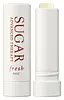
This barrier-repair lip moisturizer is formulated around Simmondsia Chinensis Seed Oil and Vitis Vinifera Seed Oil to strengthen the lip barrier and hydrate lips.
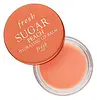
This lip moisturizer is formulated around Bis-Diglyceryl Polyacyladipate-2 and Vitis Vinifera Seed Oil to hydrate lips.

What's inside
What's inside
 Key Ingredients
Benefits
Concerns
Ingredients Side-by-side
Cera Alba
Emollient





Simmondsia Chinensis Seed Oil
Emollient


Hydrogenated Olive Oil Decyl Esters
Emulsion Stabilising
Hydrogenated Palm Kernel Glycerides
EmollientRicinus Communis Seed Oil
Masking
Vitis Vinifera Seed Oil
Emollient
Ethylhexyl Palmitate
Emollient
Parfum
Masking

Hydrogenated Palm Glycerides
Emollient
Theobroma Grandiflorum Seed Butter
Skin Conditioning
Prunus Domestica Seed Oil
Skin Conditioning
Copernicia Cerifera Wax
Limnanthes Alba Seed Oil
Skin Conditioning
Hydrogenated Vegetable Oil
Emollient
Passiflora Incarnata Seed Oil
Skin Protecting
Sucrose Tetrastearate Triacetate
Emollient
Crithmum Maritimum Extract
Skin ConditioningCommiphora Mukul Resin Extract
Skin ConditioningRibes Nigrum Seed Oil
Emollient
Tocopherol
Antioxidant




Ascorbyl Tetraisopalmitate
Antioxidant
Tocopheryl Acetate
Antioxidant
Ascorbyl Palmitate
Antioxidant
PEG-6 Isostearate
Emulsifying
Caprylic/Capric Triglyceride
Masking
Ammonium Glycyrrhizate
MaskingTrihydroxystearin
Skin Conditioning
Hesperetin Laurate
Antioxidant
Vanillin
Masking
Butylene Glycol
Humectant
BHT
Antioxidant
Caprylyl Glycol
Emollient
Sodium Hyaluronate
Humectant
Hexylene Glycol
EmulsifyingPhenoxyethanol
Preservative
Limonene
Perfuming
Citral
Perfuming
Benzyl Alcohol
Perfuming
Linalool
Perfuming
Geraniol
Perfuming
Cera Alba, Simmondsia Chinensis Seed Oil, Hydrogenated Olive Oil Decyl Esters, Hydrogenated Palm Kernel Glycerides, Ricinus Communis Seed Oil, Vitis Vinifera Seed Oil, Ethylhexyl Palmitate, Parfum, Hydrogenated Palm Glycerides, Theobroma Grandiflorum Seed Butter, Prunus Domestica Seed Oil, Copernicia Cerifera Wax, Limnanthes Alba Seed Oil, Hydrogenated Vegetable Oil, Passiflora Incarnata Seed Oil, Sucrose Tetrastearate Triacetate, Crithmum Maritimum Extract, Commiphora Mukul Resin Extract, Ribes Nigrum Seed Oil, Tocopherol, Ascorbyl Tetraisopalmitate, Tocopheryl Acetate, Ascorbyl Palmitate, PEG-6 Isostearate, Caprylic/Capric Triglyceride, Ammonium Glycyrrhizate, Trihydroxystearin, Hesperetin Laurate, Vanillin, Butylene Glycol, BHT, Caprylyl Glycol, Sodium Hyaluronate, Hexylene Glycol, Phenoxyethanol, Limonene, Citral, Benzyl Alcohol, Linalool, Geraniol
Isononyl Isononanoate
EmollientC10-30 Cholesterol/Lanosterol Esters
Emulsifying
Bis-Diglyceryl Polyacyladipate-2
Emollient
Cera Microcristallina
Emulsion StabilisingPolybutene
Ethylene/Propylene/Styrene Copolymer
Glyceryl Behenate
Emollient
Prunus Armeniaca Kernel Oil
Masking
Butylene/Ethylene/Styrene Copolymer
Parfum
Masking
Ribes Nigrum Seed Oil
Emollient
Vitis Vinifera Seed Oil
Emollient
Mel Extract
MoisturisingSucrose Tetrastearate Triacetate
Emollient
Caramel
Cosmetic ColorantTocopherol
Antioxidant
Ascorbyl Palmitate
Antioxidant
Silica Silylate
Emollient
BHT
Antioxidant
Ammonium Glycyrrhizate
MaskingPolyglyceryl-2 Triisostearate
Emulsifying
Vanillin
Masking
Water
Skin ConditioningCI 77492
Cosmetic ColorantCI 77491
Cosmetic ColorantTrimethylolpropane Triisostearate
Emollient
CI 77499
Cosmetic ColorantPropyl Gallate
Antioxidant
Phenoxyethanol
Preservative
Limonene
Perfuming
Linalool
Perfuming
Citral
Perfuming
Benzyl Alcohol
Perfuming
Isononyl Isononanoate, C10-30 Cholesterol/Lanosterol Esters, Bis-Diglyceryl Polyacyladipate-2, Cera Microcristallina, Polybutene, Ethylene/Propylene/Styrene Copolymer, Glyceryl Behenate, Prunus Armeniaca Kernel Oil, Butylene/Ethylene/Styrene Copolymer, Parfum, Ribes Nigrum Seed Oil, Vitis Vinifera Seed Oil, Mel Extract, Sucrose Tetrastearate Triacetate, Caramel, Tocopherol, Ascorbyl Palmitate, Silica Silylate, BHT, Ammonium Glycyrrhizate, Polyglyceryl-2 Triisostearate, Vanillin, Water, CI 77492, CI 77491, Trimethylolpropane Triisostearate, CI 77499, Propyl Gallate, Phenoxyethanol, Limonene, Linalool, Citral, Benzyl Alcohol
Ingredients Explained
These ingredients are found in both products.
Ingredients higher up in an ingredient list are typically present in a larger amount.
We don't have a description for Ammonium Glycyrrhizate yet.
Ascorbyl Palmitate is a fat-soluble form of vitamin C (Ascorbic Acid) made by combining it with palmitic acid.
It is able to blend easily into creams and oil-based formulas because it dissolves in oils rather than water.
As you may know, regular vitamin C is notorious for breaking down when exposed to sunlight and air. Ascorbyl Palmitate is more stable and degrades at a slower rate.
Research on whether it converts efficiently into active vitamin C once it's applied on your skin is still limited.
Some in-vitro studies suggest it may support collagen production, but it is not considered one of the stronger vitamin C derivatives, like:
Due to the palmitic acid base, this ingredient may not be fungal acne safe. Comedogenic studies have also shown this ingredient to have a rating of 2.
It's also worth keeping in mind that comedogenic and irritancy ratings are tested on individual ingredients, not finished formulas. The final product's formulation, concentration, and other ingredients all play a role in how something actually behaves on your skin.
Learn more about Ascorbyl PalmitateBenzyl Alcohol is an aromatic alcohol with several roles: it's a preservative, solvent, and mild fragrance component with a floral scent.
This ingredient has been deemed safe for use in cosmetic formulations at concentrations up to 5%, and up to 10% in hair dyes. You'll typically see 0.5-2% in most rinse-off or leave-on products.
As a preservative, it works by disrupting the membrane of microbial proteins. This helps keep bacteria and fungi from growing in your products.
The sensitization picture is actually quite assuring as well:of nearly 71,000 patients patch tested with benzyl alcohol, only 0.21% showed a positive reaction with most of them being weakly positive.
This led researchers to conclude that benzyl alcohol cannot be regarded as a significant contact allergen.
It is worth noting this ingredient is classified as one of the EU's regulated fragrance allergens and restricted to 1% in finished products.
Labels must also declare it in concentrations above 0.001% in leave-on products and 0.01% in rinse-off products.
At concentrations around 5%, localized redness and itching can appear as a direct irritant response and not as a true allergic reaction.
Learn more about Benzyl AlcoholBHT is a synthetic antioxidant and preservative.
As an antioxidant, it helps your body fight off free-radicals. Free-radicals are molecules that may damage your skin cells.
As a preservative, it is used to stabilize products and prevent them from degrading. Specifically, BHT prevents degradation from oxidation.
The concerns related to BHT come from oral studies; this ingredient is currently allowed for use by both the FDA and EU.
However, it was recently restricted for use in the UK as of April 2024.
Learn more about BHTCitral is the molecule responsible for the fresh lemon scent in lemon, lime, and lemongrass. It is a fragrance ingredient that can be created from plant essential oils or synthetically.
Though Citral has documented antimicrobial activity against acne bacteria (which is where the marketing claims about it being good for acne-prone skin originate), real formulas use it at fragrance-level concentrations under 1% so there's likely no skin benefit.
You should know this ingredient is a known EU fragrance allergen.
Animal studies classifies this ingredient as a weak-to-moderate skin sensitizer and clinical patch testing on eczema patients confirmed it to be both a contact allergen and irritant.
The term 'citral' is a collective term for two geometric isomers: geranial/Citral A and neral/Citral B.
The term 'fragrance' is not regulated in many countries. In many cases, it is up to the brand to define this term. For instance, many brands choose to label themselves as "fragrance-free" because they are not using synthetic fragrances. However, their products may still contain ingredients such as essential oils that are considered a fragrance.
Learn more about CitralLimonene is the compound that gives citrus peel its smell.
In skincare, it shows up as a standalone fragrance ingredient or as a natural compound of citrus and other essential oils.
You'll typically see this ingredient used in very small amounts; anything above 0.001% in a leave-on product or 0.01% in a rinse-off has to be named on the label in the EU. The citrus oils that carry it sit around 0.5-1% in a finished formula.
Fresh limonene is a weak allergen; the real issue is that it slowly reacts with air and then breaks down from oxidation to create hydroperoxides (which are strong sensitizers). This is why suppliers are required to keep the peroxide value below 20 mmol.
Positive reactions in people being investigated for eczema vary:
It's worth skipping if you have a known fragrance allergy or a compromised barrier, but the risk is low for most people.
Older or long-opened products are also more likely to bother you than fresh ones due to oxidation.
Learn more about LimoneneLinalool is a small, naturally occurring scent molecule found in plants like lavender, coriander, bergamot, and more.
It is one of the two most-used fragrance ingredients in cosmetics and added purely for smell. Since it's not used for a skin benefit, there's no "effective dose". Concentration depends on the fragrance load of the product.
The EU requires it to be named on the label above 0.001% in leave-on and 0.01% in rinse-off products.
Fresh linalool is a weak sensitizer but air exposure turns some of it into hydroperoxides, which are strong sensitizers. Those oxidation products are the actual allergy concern.
Patch-test clinics see positive reactions to linalool hydroperoxides in about 4% to 12% of dermatitis patients depending on country and test concentration.
Resassuringly, one analytical study found hydroperoxide levels in real fragranced products to be orders of magnitude below what induced sensitization in animal studies with no evidence of oxidation building up during normal storage.
The practical takeaway is that linalool is fine for most people but worth avoiding if you have a confirmed fragrance contact allergy or a badly compromised barrier.
Products stored a long time after opening are also the high-risk scenario since that is when oxidation happens.
The scent of linalool is described as floral, spicy tropical, and citrus-like.
Learn more about LinaloolParfum is a catch-all term for an ingredient or more that is used to give a scent to products.
Also called "fragrance", this ingredient can be a blend of hundreds of chemicals or plant oils. This means every product with "fragrance" or "parfum" in the ingredients list is a different mixture.
For instance, Habanolide is a proprietary trade name for a specific aroma chemical. When used as a fragrance ingredient in cosmetics, most aroma chemicals fall under the broad labeling category of “FRAGRANCE” or “PARFUM” according to EU and US regulations.
The term 'parfum' or 'fragrance' is not regulated in many countries. In many cases, it is up to the brand to define this term.
For instance, many brands choose to label themselves as "fragrance-free" because they are not using synthetic fragrances. However, their products may still contain ingredients such as essential oils that are considered a fragrance by INCI standards.
One example is Calendula flower extract. Calendula is an essential oil that still imparts a scent or 'fragrance'.
Depending on the blend, the ingredients in the mixture can cause allergies and sensitivities on the skin. Some ingredients that are known EU allergens include linalool and citronellol.
Parfum can also be used to mask or cover an unpleasant scent.
The bottom line is: not all fragrances/parfum/ingredients are created equally. If you are worried about fragrances, we recommend taking a closer look at an ingredient. And of course, we always recommend speaking with a professional.
Learn more about ParfumPhenoxyethanol is one of the most widely used preservatives in skincare (and for good reason!).
It has a large spectrum of antimicrobial activity and especially effective bacteria, yeast, and mold while only having a weak effect on your skin's natural microbiome.
On a cellular level, it disrupts the cell membranes of microbes by poking holes that make the cell leak. This shuts down the chemical reactions the microbe needs to make energy so it can no longer survive.
Another perk of this ingredient is that it stays functional across a wide pH range (3-10).
You'll often see it paired with boosters like Ethylhexylglycerin; one study showed that a 1:9 ratio of Ethylhexylglycerin to Phenoxyethanol damages bacterial membranes as effectively as doubling the Phenoxyethanol concentration on its own.
Typical use concentrations range from 0.3-1% depending on the formula, and this ingredient is capped at 1% int the EU.
Safety-wise, the fear mongering does not hold up to the evidence. The EU's Scientific Committee on Consumer Safety and FDA consider it safe as a preservative at up to 1%, including for children of all ages.
Adverse systemic effects only showed up in animal studies at exposures roughly 200x higher than what people get from cosmetics. And despite its very widespread use, this ingredient is a rare sensitizer and allergic reactions are uncommon.
Learn more about PhenoxyethanolRibes Nigrum Seed Oil is oil from the seeds of Black Currant. A more common name for this ingredient is Black Currant Seed Oil.
Black Currant Seed Oil contains a high amount of omega-6 and omega-3 fatty acids. It also contains linoleic acid.
Black currant berries contain anthocyanins, an antioxidant. Antioxidants help fight free-radicals. Free-radicals are molecules that may damage your skin cells, such as pollution.
Black currant berries also contain Vitamin E and fatty acids. It can help soften the skin.
Learn more about Ribes Nigrum Seed OilSucrose Tetrastearate Triacetate isn't fungal acne safe.
Tocopherol is a fat-soluble antioxidant known as Vitamin E.
You'll find this ingredient in the vast majority of skincare (for good reason). It works to neutralize free radicals, or unstable molecules generated by UV exposure, pollution, and other environmental stressors, before they can cause oxidative damage to your skin cells.
Topically applied tocopherol has been shown to protect against UV damage by ramping up the skin's own natural defense enzymes.
It also acts as a skin conditioning agent; some studies show that regular topical use can improve the skin's water-binding capacity over 2-4 weeks.
This ingredient is especially loved for being a team player. When combined with Vitamin C, the photoprotective effect of both ingredients roughly doubles and the combo also helps reduce UV-induced DNA damage.
This ingredient has some brightening potential but it's more of a prevention ingredient than spot-fader. Cell studies show it can slow down melanin production but it's worth noting that it's not the most powerful brightener out there.
In formulations, it also serves as a stabilizer that helps protect other oxidation-prone ingredients from degrading.
Concentrations usually range from 0.1-1% in most leave-on products.
Learn more about TocopherolVanillin is the main compound of the vanilla bean. It is naturally occuring but can also be artificially created.
This ingredient exhibits antioxidant properties but is also a known skin-irritant.
Vanillism is the term of contact-dermatitis associated with the vanilla plant. The sap of the vanilla plant triggers skin irritation, swelling, and redness.
Learn more about VanillinVitis Vinifera Seed Oil comes from the grape vine. Grape seeds are a byproduct of creating grape juice or wine.
The components of grape seeds have many skin benefits. Research has found it to be antimicrobial and anti-inflammatory. It also contains many potent antioxidants such as Vitamin E , Vitamin C, proanthocyanidins, polyphenols, flavonoids, and anthocyanins. Proanthocyanidin has been shown to help even out skin tone.
Antioxidants help fight free-radical molecules. Free-radical molecules are capable of damaging our cells and other genetic material. Antioxidants help stabilize free-radicals by donating extra electrons. Grape seed extract may help reduce the signs of aging.
The antimicrobial properties of grape seed may help treat acne. However, more research is needed to support this claim.
Grape seed has also been found to help absorb UV rays. Grape seed extract should not replace your sunscreen.
The fatty acids of grape seed oil give it emollient properties. Emollients help soothe and soften your skin by creating a film. This film traps moisture within, keeping your skin hydrated.
Learn more about Vitis Vinifera Seed Oil

