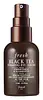
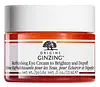
Fresh Black Tea Firming Eye Serum Versus Origins GinZing™ Refreshing Eye Cream to Brighten and Depuff
This anti-aging eye moisturizer is formulated around Saccharomyces Ferment Filtrate and Camellia Sinensis Leaf Extract to soften the look of wrinkles and hydrate skin.
This eye moisturizer is formulated around Panax Ginseng Root Extract and Caffeine to hydrate skin.

What's inside
What's inside
 Key Ingredients
Benefits
Concerns
Ingredients Side-by-side
Water
Skin ConditioningGlycerin
Humectant


Butylene Glycol
Humectant
Pentylene Glycol
Skin Conditioning
Jojoba Oil PEG-150 Esters
Skin Conditioning
Methyl Gluceth-20
Humectant
PEG-6 Caprylic/Capric Glycerides
EmulsifyingAcacia Senegal Gum
MaskingPEG-40 Hydrogenated Castor Oil
Emulsifying

Lycium Chinense Fruit Extract
Antioxidant
Saccharomyces Ferment Filtrate
Humectant
Camellia Sinensis Leaf Extract
Antimicrobial




Rubus Fruticosus Leaf Extract
MaskingLitchi Chinensis Seed Extract
Skin ConditioningAcetyl Tetrapeptide-5
Humectant
Tocopheryl Acetate
Antioxidant
Tocopherol
Antioxidant
Polymethylsilsesquioxane

Carbomer
Emulsion StabilisingPEG-150
HumectantSorbitol
Humectant
Sodium Hydroxide
BufferingParfum
Masking



Rhizobian Gum
Maltodextrin
Absorbent
Algin
MaskingXanthan Gum
EmulsifyingAdenosine
Skin Conditioning
Polyvinyl Alcohol
Cellulose Gum
Emulsion StabilisingCitric Acid
Buffering
Sodium Metabisulfite
Antioxidant
Diamond Powder
Abrasive
Sodium Benzoate
Masking
Potassium Sorbate
Preservative
Hydroxyethylcellulose
Emulsion StabilisingSodium Citrate
BufferingBiotin
AntiseborrhoeicPhenoxyethanol
Preservative
Linalool
Perfuming
Citronellol
Perfuming
Geraniol
Perfuming
Water, Glycerin, Butylene Glycol, Pentylene Glycol, Jojoba Oil PEG-150 Esters, Methyl Gluceth-20, PEG-6 Caprylic/Capric Glycerides, Acacia Senegal Gum, PEG-40 Hydrogenated Castor Oil, Lycium Chinense Fruit Extract, Saccharomyces Ferment Filtrate, Camellia Sinensis Leaf Extract, Rubus Fruticosus Leaf Extract, Litchi Chinensis Seed Extract, Acetyl Tetrapeptide-5, Tocopheryl Acetate, Tocopherol, Polymethylsilsesquioxane, Carbomer, PEG-150, Sorbitol, Sodium Hydroxide, Parfum, Rhizobian Gum, Maltodextrin, Algin, Xanthan Gum, Adenosine, Polyvinyl Alcohol, Cellulose Gum, Citric Acid, Sodium Metabisulfite, Diamond Powder, Sodium Benzoate, Potassium Sorbate, Hydroxyethylcellulose, Sodium Citrate, Biotin, Phenoxyethanol, Linalool, Citronellol, Geraniol
Water
Skin ConditioningMethyl Trimethicone
Skin Conditioning
Butylene Glycol
Humectant
PEG-100 Stearate
Surfactant
Dimethicone
Emollient
Cetyl Ricinoleate
Emollient
Silica
Abrasive
Olea Europaea Fruit Oil
Masking
Glycerin
Humectant
Behenyl Alcohol
Emollient
Cucumis Sativus Fruit Extract
Emollient
Panax Ginseng Root Extract
Emollient
Castanea Sativa Seed Extract
Skin ConditioningCamellia Sinensis Leaf Extract
Antimicrobial
Cordyceps Sinensis Extract
Antioxidant
Magnolia Officinalis Bark Extract
Antimicrobial
Pyrus Malus Fruit Extract
Skin Conditioning
Scutellaria Baicalensis Root Extract
Astringent
Pantethine
EmollientPanthenol
Skin Conditioning
Caprylic/Capric Triglyceride
Masking
Butyrospermum Parkii Butter
Skin Conditioning
Caffeine
Skin Conditioning
Coleus Barbatus Root Extract
Skin ConditioningFaex Extract
Skin ConditioningFolic Acid
Skin ConditioningHydrogenated Lecithin
Emulsifying
Jojoba Wax PEG-120 Esters
Surfactant
Biotin
AntiseborrhoeicTribehenin
Emollient
Myristyl Alcohol
Emollient
Palmitoyl Tetrapeptide-7
Skin Conditioning
Trehalose
Humectant
Sodium Hyaluronate
Humectant
Ascorbyl Tocopheryl Maleate
Antioxidant
Hesperidin Methyl Chalcone
Antioxidant
Sodium Sulfite
Preservative
Sodium Metabisulfite
Antioxidant
Steareth-20
CleansingDipeptide-2
Skin Conditioning
Ethylhexylglycerin
Skin ConditioningCarbomer
Emulsion StabilisingTromethamine
BufferingSorbic Acid
Preservative
Chlorphenesin
Antimicrobial
Phenoxyethanol
Preservative
Mica
Cosmetic ColorantCI 77891
Cosmetic ColorantCI 77491
Cosmetic ColorantCI 77492
Cosmetic ColorantCI 77499
Cosmetic ColorantWater, Methyl Trimethicone, Butylene Glycol, PEG-100 Stearate, Dimethicone, Cetyl Ricinoleate, Silica, Olea Europaea Fruit Oil, Glycerin, Behenyl Alcohol, Cucumis Sativus Fruit Extract, Panax Ginseng Root Extract, Castanea Sativa Seed Extract, Camellia Sinensis Leaf Extract, Cordyceps Sinensis Extract, Magnolia Officinalis Bark Extract, Pyrus Malus Fruit Extract, Scutellaria Baicalensis Root Extract, Pantethine, Panthenol, Caprylic/Capric Triglyceride, Butyrospermum Parkii Butter, Caffeine, Coleus Barbatus Root Extract, Faex Extract, Folic Acid, Hydrogenated Lecithin, Jojoba Wax PEG-120 Esters, Biotin, Tribehenin, Myristyl Alcohol, Palmitoyl Tetrapeptide-7, Trehalose, Sodium Hyaluronate, Ascorbyl Tocopheryl Maleate, Hesperidin Methyl Chalcone, Sodium Sulfite, Sodium Metabisulfite, Steareth-20, Dipeptide-2, Ethylhexylglycerin, Carbomer, Tromethamine, Sorbic Acid, Chlorphenesin, Phenoxyethanol, Mica, CI 77891, CI 77491, CI 77492, CI 77499
Reviews
Ingredients Explained
These ingredients are found in both products.
Ingredients higher up in an ingredient list are typically present in a larger amount.
Biotin is a B vitamin that is naturally produced by our bodies. It is also called Vitamin H.
Our bodies use biotin in the metabolism process. It also helps our bodies use enzymes and move nutrients around. A biotin deficiency can lead to brittle hair and nails.
More research is needed on applying biotin topically. However, taking biotin orally has been shown to help nourish the skin, hair, and nails. They play a role in forming skin-hydrating fatty acids.
Biotin is water-soluble. It can be found in foods such as fish, eggs, dairy, nuts, and meat. Vitamin H stands for "haar" and "haut". These are the German words for hair and skin.
Learn more about BiotinButylene Glycol (or BG) is used within cosmetic products for a few different reasons:
Overall, Butylene Glycol is a safe and well-rounded ingredient that works well with other ingredients.
Though this ingredient works well with most skin types, some people with sensitive skin may experience a reaction such as allergic rashes, closed comedones, or itchiness.
Learn more about Butylene GlycolCamellia Sinensis Leaf Extract (tea extract) is one of the most well-researched plant extracts in skincare with an impressive resume.
Black tea, green tea, and oolong tea are all harvested from the Camellia Sinensis plant.
Studies show green tea extract and its catechins (like epigallocatechin gallate (EGCG)) help your skin cells product energy more efficiently and reducing the number of free-radicals that can damage your skin from the inside.
In lab-grown skin models, this translated to younger, healthier, and stronger skin.
There's also good sun protection data; researchers saw less DNA damage and redness on human skin when green tea was applied before UVB exposure. And the more they applied, the better the protection.
Needless to say, this ingredient shouldn't replace your sunscreen. But it is a great supportive ingredient that you can already find in many sunscreens and antioxidant serums.
A 2009 study found a 2% green tea lotion was effective for mild-to-moderate acne thanks to its anti-inflammatory and mild antimicrobial activity.
The quality of the extract matters a lot here:
Good extracts contain 50-90% catechins while lower quality ones are mostly there for marketing. We recommend reaching out to the brand if you have questions about the quality or source of their ingredients.
Human Repeated Insult Patch Testing showed no irritation or sensitization at use concentrations (0.86% in leave-on products and up to 30% as leaf water).
Learn more about Camellia Sinensis Leaf ExtractCarbomer is a synthetic thickening and gelling agent. It's basically the ingredient that gives a lot of serums, gels, creams, and sunscreens their smooth, non-sticky texture.
Although legally permitted at very high levels, carbomers are normally used at concentrations below 1%.
It also needs to be neutralized to actually thicken, and because it is a large molecule, it doesn't really penetrate the skin barrier.
Allergy-wise, the risk is very low. Clinical studies show carbomers have low potential for skin irritation/sensitization even at concentrations up to 100%.
A 2024 UK study patch-tested 1,302 patients and found true allergy to the parent group of carbomer to be rare with no confirmed relevant reactions.
Learn more about CarbomerGlycerin (or glycerol) is a compound naturally found in your skin. It's a powerhouse humectant that pulls water into the stratum corneum.
Topically, glycerin does several things at once:
Your skin makes glycerin on its own (mostly from sebaceous oil breakdown) and shuttles it to your outermost layer of skin, or your epidermis, via aquaporin-3.
Aquaporin-3 is a transporter that is essential for normal skin hydration, elasticity, and repair. Interestingly, mice lacking in AQP3 have dry and less elastic skin that can be fully corrected with glycerin.
This ingredient is non-irritating, plays well with almost every ingredient, and works across all skin types. Typical use is anywhere between 3-10% but can go up to 79% in some leave-on products.
Just know very high concentrations (>40%) can feel tacky in low humidity.
Glycerin is the name for this ingredient in American English. British English uses Glycerol/Glycerine.
Learn more about GlycerinPhenoxyethanol is one of the most widely used preservatives in skincare (and for good reason!).
It has a large spectrum of antimicrobial activity and especially effective bacteria, yeast, and mold while only having a weak effect on your skin's natural microbiome.
On a cellular level, it disrupts the cell membranes of microbes by poking holes that make the cell leak. This shuts down the chemical reactions the microbe needs to make energy so it can no longer survive.
Another perk of this ingredient is that it stays functional across a wide pH range (3-10).
You'll often see it paired with boosters like Ethylhexylglycerin; one study showed that a 1:9 ratio of Ethylhexylglycerin to Phenoxyethanol damages bacterial membranes as effectively as doubling the Phenoxyethanol concentration on its own.
Typical use concentrations range from 0.3-1% depending on the formula, and this ingredient is capped at 1% int the EU.
Safety-wise, the fear mongering does not hold up to the evidence. The EU's Scientific Committee on Consumer Safety and FDA consider it safe as a preservative at up to 1%, including for children of all ages.
Adverse systemic effects only showed up in animal studies at exposures roughly 200x higher than what people get from cosmetics. And despite its very widespread use, this ingredient is a rare sensitizer and allergic reactions are uncommon.
Learn more about PhenoxyethanolSodium metabisulfite is also known as Sodium Pyrosulfite. It is a preservative, antioxidant, and disinfectant.
As a preservative, it helps stabilize cosmetic formulas without affecting their color or scent.
Water. It's the most common cosmetic ingredient of all. You'll usually see it at the top of ingredient lists, meaning that it makes up the largest part of the product.
So why is it so popular? Water most often acts as a solvent - this means that it helps dissolve other ingredients into the formulation.
You'll also recognize water as that liquid we all need to stay alive. If you see this, drink a glass of water. Remember to stay hydrated!
Learn more about Water

