Finally Found You! Sun Rice All Day Invisible UV Fluid SPF 50 Versus Wardah UV Shield Aqua Fresh Essence SPF 50 PA++++
This chemical sunscreen covers the full UV range and blocks ~98% of UVB at SPF 50.
This chemical sunscreen covers the full UV range and blocks ~98% of UVB at SPF 50.

What's inside
What's inside
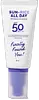 Key Ingredients
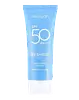
Benefits
Concerns
Ingredients Side-by-side
Water
Skin ConditioningEthylhexyl Methoxycinnamate
UV Absorber


Butylene Glycol
Humectant

Ethylhexyl Triazone
UV Absorber
Pentylene Glycol
Skin Conditioning
Oryza Sativa Bran Water
Masking
Methylene Bis-Benzotriazolyl Tetramethylbutylphenol
UV Filter
Niacinamide
Smoothing










Dibutyl Adipate
EmollientVinyldimethicone

Bis-Ethylhexyloxyphenol Methoxyphenyl Triazine
UV Absorber
Glyceryl Glucoside
Humectant
Diisopropyl Adipate
EmollientC12-15 Alkyl Benzoate
AntimicrobialCaprylyl Methicone
Skin Conditioning
Panthenol
Skin Conditioning
Polyglyceryl-3 Methylglucose Distearate
Emulsifying

Behenyl Alcohol
Emollient
Polysilicone-15
UV Filter
Glycerin
Humectant
Decyl Glucoside
Cleansing
Ammonium Acryloyldimethyltaurate/Vp Copolymer
Hydroxyacetophenone
Antioxidant
Acrylates/C10-30 Alkyl Acrylate Crosspolymer
Emulsion StabilisingPotassium Cetyl Phosphate
EmulsifyingPoly C10-30 Alkyl Acrylate
Emulsion StabilisingSodium Acrylates Crosspolymer-2
Absorbent1,2-Hexanediol
Skin Conditioning
Ethylhexylglycerin
Skin ConditioningXanthan Gum
EmulsifyingBHT
Antioxidant
Tocopherol
Antioxidant
Hydrogenated Lecithin
Emulsifying
Cetearyl Alcohol
Emollient


Stearic Acid
Cleansing
Sodium Hyaluronate
Humectant
Ectoin
Skin Conditioning
Ceramide NP
Skin Conditioning
Cholesterol
Emollient
Phytosphingosine
Skin Conditioning
Hydroxypropyltrimonium Hyaluronate
Ceramide Ns
Skin Conditioning
Ceramide Ng
Skin Conditioning
Ceramide AP
Skin Conditioning
Ceramide As
Skin Conditioning
Sodium Acetylated Hyaluronate
Humectant
Hydrolyzed Hyaluronic Acid
Humectant
Artemisia Princeps Leaf Extract
Skin ConditioningXanthium Strumarium Fruit Extract
Skin ConditioningHyaluronic Acid
Humectant
Prunella Vulgaris Flower/Leaf/Stem Extract
Skin ProtectingCetraria Islandica Extract
CleansingSodium Hyaluronate Crosspolymer
Humectant
Oleanolic Acid
Skin ConditioningHydrolyzed Sodium Hyaluronate
Skin Conditioning
Potassium Hyaluronate
Skin ConditioningCeramide EOP
Skin Conditioning
Water, Ethylhexyl Methoxycinnamate, Butylene Glycol, Ethylhexyl Triazone, Pentylene Glycol, Oryza Sativa Bran Water, Methylene Bis-Benzotriazolyl Tetramethylbutylphenol, Niacinamide, Dibutyl Adipate, Vinyldimethicone, Bis-Ethylhexyloxyphenol Methoxyphenyl Triazine, Glyceryl Glucoside, Diisopropyl Adipate, C12-15 Alkyl Benzoate, Caprylyl Methicone, Panthenol, Polyglyceryl-3 Methylglucose Distearate, Behenyl Alcohol, Polysilicone-15, Glycerin, Decyl Glucoside, Ammonium Acryloyldimethyltaurate/Vp Copolymer, Hydroxyacetophenone, Acrylates/C10-30 Alkyl Acrylate Crosspolymer, Potassium Cetyl Phosphate, Poly C10-30 Alkyl Acrylate, Sodium Acrylates Crosspolymer-2, 1,2-Hexanediol, Ethylhexylglycerin, Xanthan Gum, BHT, Tocopherol, Hydrogenated Lecithin, Cetearyl Alcohol, Stearic Acid, Sodium Hyaluronate, Ectoin, Ceramide NP, Cholesterol, Phytosphingosine, Hydroxypropyltrimonium Hyaluronate, Ceramide Ns, Ceramide Ng, Ceramide AP, Ceramide As, Sodium Acetylated Hyaluronate, Hydrolyzed Hyaluronic Acid, Artemisia Princeps Leaf Extract, Xanthium Strumarium Fruit Extract, Hyaluronic Acid, Prunella Vulgaris Flower/Leaf/Stem Extract, Cetraria Islandica Extract, Sodium Hyaluronate Crosspolymer, Oleanolic Acid, Hydrolyzed Sodium Hyaluronate, Potassium Hyaluronate, Ceramide EOP
Water
Skin ConditioningEthylhexyl Methoxycinnamate
UV Absorber
Ethylhexyl Salicylate
UV Absorber
Homosalate
Skin Conditioning
Butyl Methoxydibenzoylmethane
UV Absorber
Octocrylene
UV Absorber
Polymethyl Methacrylate
Butylene Glycol
Humectant
Butyloctyl Salicylate
Skin Conditioning
Bis-Ethylhexyloxyphenol Methoxyphenyl Triazine
UV Absorber
Cyclopentasiloxane
Emollient
Cyclohexasiloxane
Emollient
Arachidyl Alcohol
Emollient
Polyester-7
Skin ConditioningBehenyl Alcohol
Emollient
Bisabolol
Antioxidant
Cetyl Alcohol
Emollient
Phenoxyethanol
Preservative
Stearyl Alcohol
Emollient
Neopentyl Glycol Diheptanoate
EmollientChlorphenesin
Antimicrobial
Arachidyl Glucoside
EmulsifyingPropanediol
Solvent
Polyacrylate-13
Disodium EDTA
ChelatingParfum
Masking
Polyisobutene
Pongamia Glabra Seed Oil
Skin Conditioning
Polysorbate 20
Emulsifying
Artemisia Capillaris Flower Extract
Skin ConditioningWater, Ethylhexyl Methoxycinnamate, Ethylhexyl Salicylate, Homosalate, Butyl Methoxydibenzoylmethane, Octocrylene, Polymethyl Methacrylate, Butylene Glycol, Butyloctyl Salicylate, Bis-Ethylhexyloxyphenol Methoxyphenyl Triazine, Cyclopentasiloxane, Cyclohexasiloxane, Arachidyl Alcohol, Polyester-7, Behenyl Alcohol, Bisabolol, Cetyl Alcohol, Phenoxyethanol, Stearyl Alcohol, Neopentyl Glycol Diheptanoate, Chlorphenesin, Arachidyl Glucoside, Propanediol, Polyacrylate-13, Disodium EDTA, Parfum, Polyisobutene, Pongamia Glabra Seed Oil, Polysorbate 20, Artemisia Capillaris Flower Extract
Reviews
Ingredients Explained
These ingredients are found in both products.
Ingredients higher up in an ingredient list are typically present in a larger amount.
Behenyl Alcohol is a type of fatty alcohol (these are different from the drying, solvent alcohols).
Fatty Alcohols have hydrating properties and are most often used as an emollient or to thicken a product. They are usually derived from natural fats and oils; behenyl alcohol is derived from the fats of vegetable oils.
Emollients help keep your skin soft and hydrated by creating a film that traps moisture in.
In 2000, Behenyl Alcohol was approved by the US as medicine to reduce the duration of cold sores.
Learn more about Behenyl AlcoholThis ingredient is better known as bemotrizinol or Tinosorb S and is one of the best broad-spectrum UV filters in modern sunscreen.
It works by absorbing UV light across a whole range (280-400 nm) with peaks around 310 nm (UVB) and 340-345 nm (UVA). This means it covers UVB plus the deeper UVA wavelengths that drive photoaging and pigmentation.
Another pro?
It's exceptionally photostable, barely degrades in sunlight, and acts as a "bodyguard" for less stable filters.
That's why you'll see it paired with avobenzone or octinoxate; this team up ensures they keep working through sun exposure.
Safety reviews have been reassuring across the board. This ingredient shows low absorption through the skin, rarely irritates, and lab studies found it doesn't act like a hormone in the body (a concern that's been raised about some older sunscreen filters).
On maximum concentrations:
In 2026, the US F.D.A finally added it as an OTC sunscreen ingredient at concentrations up to 6% for adults / children 6 months and older
Learn more about Bis-Ethylhexyloxyphenol Methoxyphenyl TriazineButylene Glycol (or BG) is used within cosmetic products for a few different reasons:
Overall, Butylene Glycol is a safe and well-rounded ingredient that works well with other ingredients.
Though this ingredient works well with most skin types, some people with sensitive skin may experience a reaction such as allergic rashes, closed comedones, or itchiness.
Learn more about Butylene GlycolThis ingredient is also known as Octinoxate and is one of the oldest and most widely used chemical UV filters in skincare.
It has a simple job: soap up UVB radiation (290-320 nm), the wavelengths responsible for sunburn and a big chunk of long-term sun damage.
In formulas, it's always paired with a separate UVA filter because octinoxate solely protects skin from UVB.
Because it's an oil-soluble liquid, it's easy to blend into the oil phase of lotions/creams and gives a cosmetically elegant feel.
The one quirk about formulating this ingredient is photostability; the molecule slowly changes shape into a less effective version when sunlight hits it. So the longer you're in the sun, the weaker its protection gets. The drop can be more than 30% in some formulas.
It also doesn't play nice with Avobenzone (the common UVA filter) since avobenzone destabilizes octinoxate and the two degrade each other. But don't worry: brands have solved this issue by adding photostabilizers like Tinosorb S to prevent degradation and keep SPF stable under heavy UV exposure.
The maximum allowed level is 10% in the EU and Australia, 7.5% in the US and Canada, and 20% in Japan.
The Cosmetic Ingredient Review Panel has concluded this ingredient to be safe in cosmetics up to 10%.
One last thing worth knowing for context:
Octinoxate has been the subject of ongoing review in Europe where the Scientific Committee on Consumer Safety's (SCCS) 2025 final opinion is that this ingredient is an endocrine-active substance.
Lab and animal studies suggest it can act a bit like a hormone in the body (mildly mimicking estrogen and slightly blocking male hormones). It's important to know this hasn't really been shown to happen in everyday human use.
This ingredient is also banned in Hawaii over coral reef concerns.
Learn more about Ethylhexyl MethoxycinnamateWater. It's the most common cosmetic ingredient of all. You'll usually see it at the top of ingredient lists, meaning that it makes up the largest part of the product.
So why is it so popular? Water most often acts as a solvent - this means that it helps dissolve other ingredients into the formulation.
You'll also recognize water as that liquid we all need to stay alive. If you see this, drink a glass of water. Remember to stay hydrated!
Learn more about Water

