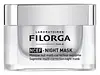
This anti-aging overnight mask is formulated around Squalane and Sodium Hyaluronate to soften the look of wrinkles and hydrate skin.
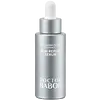
This barrier-repair serum is formulated around Aloe Barbadensis Leaf Juice and Panthenol to strengthen the skin barrier and calm redness.


What's inside
What's inside
 Key Ingredients
Benefits
Concerns
Ingredients Side-by-side
Water
Skin ConditioningGlycerin
Humectant


Caprylic/Capric Triglyceride
Masking
Propylene Glycol
Humectant

Sodium Polyacrylate
Absorbent
Butylene Glycol
Humectant
Albizia Julibrissin Bark Extract
MaskingAmmonium Acryloyldimethyltaurate/Vp Copolymer
Squalane
Emollient
Propanediol
Solvent
Sodium Chloride
Masking1,2-Hexanediol
Skin Conditioning
Propylene Glycol Dicaprylate/Dicaprate
EmollientSodium Polyacrylate Starch
AbsorbentParfum
Masking


Sucrose Palmitate
EmollientChlorphenesin
Antimicrobial
Tocopheryl Acetate
Antioxidant


Hydroxyethyl Acrylate/Sodium Acryloyldimethyl Taurate Copolymer
Emulsion StabilisingIsohexadecane
EmollientGlucose
Humectant
O-Cymen-5-Ol
Antimicrobial
Glyceryl Linoleate
Emollient
Prunus Amygdalus Dulcis Oil
Skin Conditioning

Tephrosia Purpurea Seed Extract
Skin ConditioningDisodium EDTA
ChelatingPotassium Chloride
Carbomer
Emulsion StabilisingSodium Lactate
Buffering
Calcium Chloride
AstringentPolysorbate 60
Emulsifying
Polysorbate 20
Emulsifying
Magnesium Sulfate
Glutamine
Skin ConditioningSorbitan Isostearate
Emulsifying
Sodium Phosphate
BufferingSodium Benzoate
Masking
Phenoxyethanol
Preservative
Sodium Hyaluronate
Humectant

Ascorbic Acid
Antioxidant


Sodium Acetate
BufferingCitric Acid
Buffering
Lysine Hcl
Skin Conditioning
Arginine Hcl
Skin ConditioningAlanine
Masking
Histidine Hcl
Skin ConditioningValine
MaskingPotassium Sorbate
Preservative
Leucine
Skin ConditioningThreonine
Isoleucine
Skin ConditioningTryptophan
MaskingPhenylalanine
Masking
Tyrosine
MaskingGlycine
Buffering
Polysorbate 80
Emulsifying
Serine
Masking
Cystine
MaskingCyanocobalamin
Skin ConditioningGlutathione
Asparagine
MaskingAspartic Acid
Masking
Ornithine Hcl
Skin ConditioningGlutamic Acid
Humectant
Nicotinamide Adenine Dinucleotide
Skin ConditioningProline
Skin Conditioning
Methionine
Skin ConditioningTaurine
BufferingHydroxyproline
Skin ConditioningGlucosamine Hcl
Tocopherol
Antioxidant
Coenzyme A
Skin ConditioningPalmitoyl Tripeptide-1
Skin Conditioning
Sodium Glucuronate
HumectantPalmitoyl Tetrapeptide-7
Skin Conditioning
Thiamine Diphosphate
Skin ConditioningRetinyl Acetate
Skin Conditioning
Inositol
Humectant
Niacin
SmoothingNiacinamide
Smoothing



Pyridoxine Hcl
Skin ConditioningBiotin
AntiseborrhoeicCalcium Pantothenate
Riboflavin
Cosmetic ColorantSodium Tocopheryl Phosphate
Antioxidant
Thiamine Hcl
MaskingFolic Acid
Skin ConditioningWater, Glycerin, Caprylic/Capric Triglyceride, Propylene Glycol, Sodium Polyacrylate, Butylene Glycol, Albizia Julibrissin Bark Extract, Ammonium Acryloyldimethyltaurate/Vp Copolymer, Squalane, Propanediol, Sodium Chloride, 1,2-Hexanediol, Propylene Glycol Dicaprylate/Dicaprate, Sodium Polyacrylate Starch, Parfum, Sucrose Palmitate, Chlorphenesin, Tocopheryl Acetate, Hydroxyethyl Acrylate/Sodium Acryloyldimethyl Taurate Copolymer, Isohexadecane, Glucose, O-Cymen-5-Ol, Glyceryl Linoleate, Prunus Amygdalus Dulcis Oil, Tephrosia Purpurea Seed Extract, Disodium EDTA, Potassium Chloride, Carbomer, Sodium Lactate, Calcium Chloride, Polysorbate 60, Polysorbate 20, Magnesium Sulfate, Glutamine, Sorbitan Isostearate, Sodium Phosphate, Sodium Benzoate, Phenoxyethanol, Sodium Hyaluronate, Ascorbic Acid, Sodium Acetate, Citric Acid, Lysine Hcl, Arginine Hcl, Alanine, Histidine Hcl, Valine, Potassium Sorbate, Leucine, Threonine, Isoleucine, Tryptophan, Phenylalanine, Tyrosine, Glycine, Polysorbate 80, Serine, Cystine, Cyanocobalamin, Glutathione, Asparagine, Aspartic Acid, Ornithine Hcl, Glutamic Acid, Nicotinamide Adenine Dinucleotide, Proline, Methionine, Taurine, Hydroxyproline, Glucosamine Hcl, Tocopherol, Coenzyme A, Palmitoyl Tripeptide-1, Sodium Glucuronate, Palmitoyl Tetrapeptide-7, Thiamine Diphosphate, Retinyl Acetate, Inositol, Niacin, Niacinamide, Pyridoxine Hcl, Biotin, Calcium Pantothenate, Riboflavin, Sodium Tocopheryl Phosphate, Thiamine Hcl, Folic Acid
Water
Skin ConditioningAloe Barbadensis Leaf Juice
Skin Conditioning
Betaine
Humectant
Lactobacillus/Soybean Ferment Extract
Skin ConditioningAlcohol Denat.
Antimicrobial

Fucus Vesiculosus Extract
Emollient
Fumaria Officinalis Extract
Skin ConditioningNasturtium Officinale Extract
Perfuming
Panax Ginseng Root Extract
Emollient
Rosmarinus Officinalis Leaf Extract
AntimicrobialScrophularia Nodosa Extract
Skin ConditioningUrtica Dioica Leaf Extract
Skin ConditioningAgrimonia Eupatoria Extract
AstringentPanthenol
Skin Conditioning
Sodium Lactate
Buffering
Sodium PCA
Humectant
Sorbitol
Humectant
Hydrolyzed Lupine Protein
Skin ConditioningPentylene Glycol
Skin Conditioning
Caprylyl Glycol
Emollient
Fructose
Humectant
Glycine
Buffering
Inositol
Humectant
Lactic Acid
Buffering
Niacinamide
Smoothing
Urea
Buffering
Xanthan Gum
EmulsifyingEthylhexylglycerin
Skin ConditioningPantolactone
Humectant
Citric Acid
Buffering
Phenoxyethanol
Preservative
Sodium Benzoate
Masking
Water, Aloe Barbadensis Leaf Juice, Betaine, Lactobacillus/Soybean Ferment Extract, Alcohol Denat., Fucus Vesiculosus Extract, Fumaria Officinalis Extract, Nasturtium Officinale Extract, Panax Ginseng Root Extract, Rosmarinus Officinalis Leaf Extract, Scrophularia Nodosa Extract, Urtica Dioica Leaf Extract, Agrimonia Eupatoria Extract, Panthenol, Sodium Lactate, Sodium PCA, Sorbitol, Hydrolyzed Lupine Protein, Pentylene Glycol, Caprylyl Glycol, Fructose, Glycine, Inositol, Lactic Acid, Niacinamide, Urea, Xanthan Gum, Ethylhexylglycerin, Pantolactone, Citric Acid, Phenoxyethanol, Sodium Benzoate
Ingredients Explained
These ingredients are found in both products.
Ingredients higher up in an ingredient list are typically present in a larger amount.
Citric Acid is an alpha hydroxy acid (AHA) naturally found in citrus fruits like oranges, lemons, and limes.
Like other AHAs, citric acid can exfoliate skin by breaking down the bonds that hold dead skin cells together. This helps reveal smoother and brighter skin underneath.
However, this exfoliating effect only happens at high concentrations (20%) which can be hard to find in cosmetic products.
Due to this, citric acid is usually included in small amounts as a pH adjuster. This helps keep products slightly more acidic and compatible with skin's natural pH.
In skincare formulas, citric acid can:
While it can provide some skin benefits, research shows lactic acid and glycolic acid are generally more effective and less irritating exfoliants.
Most citric acid used in skincare today is made by fermenting sugars (usually from molasses). This synthetic version is identical to the natural citrus form but easier to stabilize and use in formulations.
Rosacea skin has a lower threshold for acids generally, with 62.5% of rosacea subjects in one study reacting to lactic acid in a sting test. This is why we mark citric acid as a potential rosacea trigger.
However, this ingredient shows up as a pH adjuster or chelator at roughly 0.1-1% in many products. These low levels are unlikely to be an issue for rosacea skin and becomes a potential trigger at exfoliating concentrations (20%). Because everybody's skin is unique, we recommend a patch test if you are unsure.
Learn more about Citric AcidGlycine is the smallest amino acid and a key building block of collagen. It's part if your skin's Natural Moisturizing Factor (NMF), or the water-loving molecules in your outermost layer of skin (stratum corneum) that keeps everything hydrated and happy.
A study from 2022 found that an amino acid complex featuring taurine, arginine, and glycine significantly reduced skin irritation, improved redness, and accelerated the skin repair process.
Inositol is a sugar alcohol naturally found in the human body. Our bodies use this ingredient in the process of growing new cells.
Studies show inositol to be a key component for keratinocyte growth.
Keratinocytes make up the majority of the outermost layer of skin. These cells protect our skin from UV exposure, infection, and help keep skin hydrated.
This ingredient is also considered a humectant. Humectants help hydrate the skin by drawing moisture to it.
Learn more about InositolNiacinamide is a multitasking form of vitamin B3 that strengthens the skin barrier, reduces pores and dark spots, regulates oil, and improves signs of aging.
And the best part? It's gentle and well-tolerated by most skin types, including sensitive and reactive skin.
You might have heard of "niacin flush", or the reddening of skin that causes itchiness. Niacinamide has not been found to cause this.
In very rare cases, some individuals may not be able to tolerate niacinamide at all or experience an allergic reaction to it.
If you are experiencing flaking, irritation, and dryness with this ingredient, be sure to double check all your products as this ingredient can be found in all categories of skincare.
When incorporating niacinamide into your routine, look out for concentration amounts. Typically, 5% niacinamide provides benefits such as fading dark spots. However, if you have sensitive skin, it is better to begin with a smaller concentration.
When you apply niacinamide to your skin, your body converts it into nicotinamide adenine dinucleotide (NAD). NAD is an essential coenzyme that is already found in your cells as "fuel" and powers countless biological processes.
In your skin, NAD helps repair cell damage, produce new healthy cells, support collagen production, strengthen the skin barrier, and fight environmental stressors (like UV and pollution).
Our natural NAD levels start to decline with age, leading to slower skin repair, visible aging, and a weaker skin barrier. By providing your skin niacinamide, you're recharging your skin's NAD levels. This leads to stronger, healthier, and younger looking skin.
Another name for vitamin B3 is nicotinamide. This vitamin is water-soluble and our bodies don't store it. We obtain Vitamin B3 from either food or skincare. Meat, fish, wheat, yeast, and leafy greens contain vitamin B3.
The type of niacinamide used in skincare is synthetically created.
Learn more about NiacinamidePhenoxyethanol is one of the most widely used preservatives in skincare (and for good reason!).
It has a large spectrum of antimicrobial activity and especially effective bacteria, yeast, and mold while only having a weak effect on your skin's natural microbiome.
On a cellular level, it disrupts the cell membranes of microbes by poking holes that make the cell leak. This shuts down the chemical reactions the microbe needs to make energy so it can no longer survive.
Another perk of this ingredient is that it stays functional across a wide pH range (3-10).
You'll often see it paired with boosters like Ethylhexylglycerin; one study showed that a 1:9 ratio of Ethylhexylglycerin to Phenoxyethanol damages bacterial membranes as effectively as doubling the Phenoxyethanol concentration on its own.
Typical use concentrations range from 0.3-1% depending on the formula, and this ingredient is capped at 1% int the EU.
Safety-wise, the fear mongering does not hold up to the evidence. The EU's Scientific Committee on Consumer Safety and FDA consider it safe as a preservative at up to 1%, including for children of all ages.
Adverse systemic effects only showed up in animal studies at exposures roughly 200x higher than what people get from cosmetics. And despite its very widespread use, this ingredient is a rare sensitizer and allergic reactions are uncommon.
Learn more about PhenoxyethanolSodium Benzoate is a preservative. It's used in both cosmetic and food products to inhibit the growth of mold and bacteria. It is typically produced synthetically.
Both the US FDA and EU Health Committee have approved the use of sodium benzoate. In the US, levels of 0.1% (of the total product) are allowed.
Sodium benzoate works as a preservative by inhibiting the growth of bacteria inside of cells. It prevents the cell from fermenting a type of sugar using an enzyme called phosphofructokinase.
It is the salt of benzoic acid. Foods containing sodium benzoate include soda, salad dressings, condiments, fruit juices, wines, and snack foods.
Studies for using ascorbic acid and sodium benzoate in cosmetics are lacking, especially in skincare routines with multiple steps.
We always recommend speaking with a professional, such as a dermatologist, if you have any concerns.
Learn more about Sodium BenzoateSodium Lactate is the sodium salt of lactic acid, an AHA. It is a humectant and sometimes used to adjust the pH of a product.
This ingredient is part of our skin's NMF, or natural moisturizing factor. Our NMF is essential for the hydration of our top skin layers and plasticity of skin. NMF also influences our skin's natural acid mantle and pH, which protects our skin from harmful bacteria.
High percentages of Sodium Lactate can have an exfoliating effect.
Fun fact: Sodium Lactate is produced from fermented sugar.
Learn more about Sodium LactateWater. It's the most common cosmetic ingredient of all. You'll usually see it at the top of ingredient lists, meaning that it makes up the largest part of the product.
So why is it so popular? Water most often acts as a solvent - this means that it helps dissolve other ingredients into the formulation.
You'll also recognize water as that liquid we all need to stay alive. If you see this, drink a glass of water. Remember to stay hydrated!
Learn more about Water

