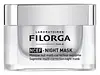
This anti-aging overnight mask is formulated around Squalane and Sodium Hyaluronate to soften the look of wrinkles and hydrate skin.
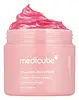
This anti-aging moisturizer is formulated around Niacinamide to soften the look of wrinkles.


What's inside
What's inside
 Key Ingredients
Benefits
Concerns
Ingredients Side-by-side
Water
Skin ConditioningGlycerin
Humectant


Caprylic/Capric Triglyceride
Masking
Propylene Glycol
Humectant

Sodium Polyacrylate
Absorbent
Butylene Glycol
Humectant
Albizia Julibrissin Bark Extract
MaskingAmmonium Acryloyldimethyltaurate/Vp Copolymer
Squalane
Emollient
Propanediol
Solvent
Sodium Chloride
Masking1,2-Hexanediol
Skin Conditioning
Propylene Glycol Dicaprylate/Dicaprate
EmollientSodium Polyacrylate Starch
AbsorbentParfum
Masking


Sucrose Palmitate
EmollientChlorphenesin
Antimicrobial
Tocopheryl Acetate
Antioxidant


Hydroxyethyl Acrylate/Sodium Acryloyldimethyl Taurate Copolymer
Emulsion StabilisingIsohexadecane
EmollientGlucose
Humectant
O-Cymen-5-Ol
Antimicrobial
Glyceryl Linoleate
Emollient
Prunus Amygdalus Dulcis Oil
Skin Conditioning

Tephrosia Purpurea Seed Extract
Skin ConditioningDisodium EDTA
Potassium Chloride
Carbomer
Emulsion StabilisingSodium Lactate
Buffering
Calcium Chloride
AstringentPolysorbate 60
Emulsifying
Polysorbate 20
Emulsifying
Magnesium Sulfate
Glutamine
Skin ConditioningSorbitan Isostearate
Emulsifying
Sodium Phosphate
BufferingSodium Benzoate
Masking
Phenoxyethanol
Preservative
Sodium Hyaluronate
Humectant

Ascorbic Acid
Antioxidant


Sodium Acetate
BufferingCitric Acid
Buffering
Lysine Hcl
Skin Conditioning
Arginine Hcl
Skin ConditioningAlanine
Masking
Histidine Hcl
Skin ConditioningValine
MaskingPotassium Sorbate
Preservative
Leucine
Skin ConditioningThreonine
Isoleucine
Skin ConditioningTryptophan
MaskingPhenylalanine
Masking
Tyrosine
MaskingGlycine
Buffering
Polysorbate 80
Emulsifying
Serine
Masking
Cystine
MaskingCyanocobalamin
Skin ConditioningGlutathione
Asparagine
MaskingAspartic Acid
Masking
Ornithine Hcl
Skin ConditioningGlutamic Acid
Humectant
Nicotinamide Adenine Dinucleotide
Skin ConditioningProline
Skin Conditioning
Methionine
Skin ConditioningTaurine
BufferingHydroxyproline
Skin ConditioningGlucosamine Hcl
Tocopherol
Antioxidant
Coenzyme A
Skin ConditioningPalmitoyl Tripeptide-1
Skin Conditioning
Sodium Glucuronate
HumectantPalmitoyl Tetrapeptide-7
Skin Conditioning
Thiamine Diphosphate
Skin ConditioningRetinyl Acetate
Skin Conditioning
Inositol
Humectant
Niacin
SmoothingNiacinamide
Smoothing



Pyridoxine Hcl
Skin ConditioningBiotin
AntiseborrhoeicCalcium Pantothenate
Riboflavin
Cosmetic ColorantSodium Tocopheryl Phosphate
Antioxidant
Thiamine Hcl
MaskingFolic Acid
Skin ConditioningWater, Glycerin, Caprylic/Capric Triglyceride, Propylene Glycol, Sodium Polyacrylate, Butylene Glycol, Albizia Julibrissin Bark Extract, Ammonium Acryloyldimethyltaurate/Vp Copolymer, Squalane, Propanediol, Sodium Chloride, 1,2-Hexanediol, Propylene Glycol Dicaprylate/Dicaprate, Sodium Polyacrylate Starch, Parfum, Sucrose Palmitate, Chlorphenesin, Tocopheryl Acetate, Hydroxyethyl Acrylate/Sodium Acryloyldimethyl Taurate Copolymer, Isohexadecane, Glucose, O-Cymen-5-Ol, Glyceryl Linoleate, Prunus Amygdalus Dulcis Oil, Tephrosia Purpurea Seed Extract, Disodium EDTA, Potassium Chloride, Carbomer, Sodium Lactate, Calcium Chloride, Polysorbate 60, Polysorbate 20, Magnesium Sulfate, Glutamine, Sorbitan Isostearate, Sodium Phosphate, Sodium Benzoate, Phenoxyethanol, Sodium Hyaluronate, Ascorbic Acid, Sodium Acetate, Citric Acid, Lysine Hcl, Arginine Hcl, Alanine, Histidine Hcl, Valine, Potassium Sorbate, Leucine, Threonine, Isoleucine, Tryptophan, Phenylalanine, Tyrosine, Glycine, Polysorbate 80, Serine, Cystine, Cyanocobalamin, Glutathione, Asparagine, Aspartic Acid, Ornithine Hcl, Glutamic Acid, Nicotinamide Adenine Dinucleotide, Proline, Methionine, Taurine, Hydroxyproline, Glucosamine Hcl, Tocopherol, Coenzyme A, Palmitoyl Tripeptide-1, Sodium Glucuronate, Palmitoyl Tetrapeptide-7, Thiamine Diphosphate, Retinyl Acetate, Inositol, Niacin, Niacinamide, Pyridoxine Hcl, Biotin, Calcium Pantothenate, Riboflavin, Sodium Tocopheryl Phosphate, Thiamine Hcl, Folic Acid
Water
Skin ConditioningPropanediol
Solvent
Dipropylene Glycol
HumectantButylene Glycol
Humectant
Methylpropanediol
SolventDiethoxyethyl Succinate
SolventEthoxydiglycol
HumectantAmmonium Acryloyldimethyltaurate/Beheneth-25 Methacrylate Crosspolymer
Emulsion StabilisingNiacinamide
Smoothing
Trehalose
Humectant
1,2-Hexanediol
Skin Conditioning
Chlorella Vulgaris Extract
Skin ConditioningCollagen
Moisturising
Hydrolyzed Collagen
Emollient
Cynanchum Atratum Extract
Skin ConditioningAlthaea Rosea Flower Extract
Skin ConditioningSoluble Collagen
Humectant
Allium Sativum Bulb Extract
Skin ConditioningAvena Sativa Kernel Extract
Abrasive
Bertholletia Excelsa Seed Extract
Skin ConditioningBrassica Oleracea Italica Extract
AstringentCamellia Sinensis Seed Extract
Humectant
Salmon Egg Extract
Solanum Lycopersicum Fruit Extract
Antioxidant
Spinacia Oleracea Leaf Extract
Skin ConditioningVaccinium Angustifolium Fruit Extract
Skin Protecting
Wine Extract
Antioxidant
Polyglyceryl-10 Isostearate
Skin Conditioning
Tromethamine
BufferingGlucose
Humectant
Polyglyceryl-10 Oleate
Skin Conditioning
Ethylhexylglycerin
Skin ConditioningFructooligosaccharides
Humectant
Fructose
Humectant
Adenosine
Skin Conditioning
Sodium Phytate
Cyanocobalamin
Skin ConditioningTocopherol
Antioxidant
Pullulan
Glycerin
Humectant
Hydroxypropyltrimonium Hyaluronate
Squalane
Emollient
Soluble Proteoglycan
Skin ConditioningHydrolyzed Elastin
EmollientSodium DNA
Skin Conditioning
Carbomer
Emulsion StabilisingXanthan Gum
EmulsifyingParfum
Masking
Water, Propanediol, Dipropylene Glycol, Butylene Glycol, Methylpropanediol, Diethoxyethyl Succinate, Ethoxydiglycol, Ammonium Acryloyldimethyltaurate/Beheneth-25 Methacrylate Crosspolymer, Niacinamide, Trehalose, 1,2-Hexanediol, Chlorella Vulgaris Extract, Collagen, Hydrolyzed Collagen, Cynanchum Atratum Extract, Althaea Rosea Flower Extract, Soluble Collagen, Allium Sativum Bulb Extract, Avena Sativa Kernel Extract, Bertholletia Excelsa Seed Extract, Brassica Oleracea Italica Extract, Camellia Sinensis Seed Extract, Salmon Egg Extract, Solanum Lycopersicum Fruit Extract, Spinacia Oleracea Leaf Extract, Vaccinium Angustifolium Fruit Extract, Wine Extract, Polyglyceryl-10 Isostearate, Tromethamine, Glucose, Polyglyceryl-10 Oleate, Ethylhexylglycerin, Fructooligosaccharides, Fructose, Adenosine, Sodium Phytate, Cyanocobalamin, Tocopherol, Pullulan, Glycerin, Hydroxypropyltrimonium Hyaluronate, Squalane, Soluble Proteoglycan, Hydrolyzed Elastin, Sodium DNA, Carbomer, Xanthan Gum, Parfum
Reviews
Ingredients Explained
These ingredients are found in both products.
Ingredients higher up in an ingredient list are typically present in a larger amount.
1,2-Hexanediol is a synthetic liquid and another multi-functional powerhouse.
It is a:
- Humectant, drawing moisture into the skin
- Emollient, helping to soften skin
- Solvent, dispersing and stabilizing formulas
- Preservative booster, enhancing the antimicrobial activity of other preservatives
Butylene Glycol (or BG) is used within cosmetic products for a few different reasons:
Overall, Butylene Glycol is a safe and well-rounded ingredient that works well with other ingredients.
Though this ingredient works well with most skin types, some people with sensitive skin may experience a reaction such as allergic rashes, closed comedones, or itchiness.
Learn more about Butylene GlycolCarbomer is a synthetic thickening and gelling agent. It's basically the ingredient that gives a lot of serums, gels, creams, and sunscreens their smooth, non-sticky texture.
Although legally permitted at very high levels, carbomers are normally used at concentrations below 1%.
It also needs to be neutralized to actually thicken, and because it is a large molecule, it doesn't really penetrate the skin barrier.
Allergy-wise, the risk is very low. Clinical studies show carbomers have low potential for skin irritation/sensitization even at concentrations up to 100%.
A 2024 UK study patch-tested 1,302 patients and found true allergy to the parent group of carbomer to be rare with no confirmed relevant reactions.
Learn more about CarbomerCyanocobalamin is the manufactured version of vitamin B12. It has skin soothing, antioxidant, and barrier protecting properties. Topical cyanocobalamin is used to treat skin irritation and atopic dermatitis.
Glucose is a simple sugar (a monosaccharide). In skincare, it is mostly a humectant and skin conditioning agent.
Mechanistically, it has multiple hydroxyl groups that hydrogen-bond to water. This pulls moisture into the upper layers of skin to keep the surface soft and hydrated.
It's worth knowing sugars are already a natural component of the skin's NMF (natural moisturizing factor) so it's a molecule that your stratum corneum is well-acquainted with.
Just so you know, glucose is hydrophilic (water-loving) and the stratum corneum is a strong barrier to hydrophilic compounds. This just means penetration is slow and most of the action is happening on the surface.
Gram-to-gram, glucose is not as efficient as a humectant as glycerin. This is why you'll likely see glycose paired with stronger humectants for a bigger hydration payoff.
In skincare, glucose is typically derived from corn or other starch sources.
Learn more about GlucoseGlycerin (or glycerol) is a compound naturally found in your skin. It's a powerhouse humectant that pulls water into the stratum corneum.
Topically, glycerin does several things at once:
Your skin makes glycerin on its own (mostly from sebaceous oil breakdown) and shuttles it to your outermost layer of skin, or your epidermis, via aquaporin-3.
Aquaporin-3 is a transporter that is essential for normal skin hydration, elasticity, and repair. Interestingly, mice lacking in AQP3 have dry and less elastic skin that can be fully corrected with glycerin.
This ingredient is non-irritating, plays well with almost every ingredient, and works across all skin types. Typical use is anywhere between 3-10% but can go up to 79% in some leave-on products.
Just know very high concentrations (>40%) can feel tacky in low humidity.
Glycerin is the name for this ingredient in American English. British English uses Glycerol/Glycerine.
Learn more about GlycerinNiacinamide is a multitasking form of vitamin B3 that strengthens the skin barrier, reduces pores and dark spots, regulates oil, and improves signs of aging.
And the best part? It's gentle and well-tolerated by most skin types, including sensitive and reactive skin.
You might have heard of "niacin flush", or the reddening of skin that causes itchiness. Niacinamide has not been found to cause this.
In very rare cases, some individuals may not be able to tolerate niacinamide at all or experience an allergic reaction to it.
If you are experiencing flaking, irritation, and dryness with this ingredient, be sure to double check all your products as this ingredient can be found in all categories of skincare.
When incorporating niacinamide into your routine, look out for concentration amounts. Typically, 5% niacinamide provides benefits such as fading dark spots. However, if you have sensitive skin, it is better to begin with a smaller concentration.
When you apply niacinamide to your skin, your body converts it into nicotinamide adenine dinucleotide (NAD). NAD is an essential coenzyme that is already found in your cells as "fuel" and powers countless biological processes.
In your skin, NAD helps repair cell damage, produce new healthy cells, support collagen production, strengthen the skin barrier, and fight environmental stressors (like UV and pollution).
Our natural NAD levels start to decline with age, leading to slower skin repair, visible aging, and a weaker skin barrier. By providing your skin niacinamide, you're recharging your skin's NAD levels. This leads to stronger, healthier, and younger looking skin.
Another name for vitamin B3 is nicotinamide. This vitamin is water-soluble and our bodies don't store it. We obtain Vitamin B3 from either food or skincare. Meat, fish, wheat, yeast, and leafy greens contain vitamin B3.
The type of niacinamide used in skincare is synthetically created.
Learn more about NiacinamideParfum is a catch-all term for an ingredient or more that is used to give a scent to products.
Also called "fragrance", this ingredient can be a blend of hundreds of chemicals or plant oils. This means every product with "fragrance" or "parfum" in the ingredients list is a different mixture.
For instance, Habanolide is a proprietary trade name for a specific aroma chemical. When used as a fragrance ingredient in cosmetics, most aroma chemicals fall under the broad labeling category of “FRAGRANCE” or “PARFUM” according to EU and US regulations.
The term 'parfum' or 'fragrance' is not regulated in many countries. In many cases, it is up to the brand to define this term.
For instance, many brands choose to label themselves as "fragrance-free" because they are not using synthetic fragrances. However, their products may still contain ingredients such as essential oils that are considered a fragrance by INCI standards.
One example is Calendula flower extract. Calendula is an essential oil that still imparts a scent or 'fragrance'.
Depending on the blend, the ingredients in the mixture can cause allergies and sensitivities on the skin. Some ingredients that are known EU allergens include linalool and citronellol.
Parfum can also be used to mask or cover an unpleasant scent.
The bottom line is: not all fragrances/parfum/ingredients are created equally. If you are worried about fragrances, we recommend taking a closer look at an ingredient. And of course, we always recommend speaking with a professional.
Learn more about ParfumPropanediol is an all-star ingredient. It softens, hydrates, and smooths the skin.
It’s often used to:
Propanediol is not likely to cause sensitivity and considered safe to use. It is derived from corn or petroleum with a clear color and no scent.
Learn more about PropanediolSqualane is the hydrogenated and shelf-stable form of squalene (a lipid that naturally occurs in human sebum).
It is an emollient and skin conditioning agent that is able to integrate seamlessly into the skin's lipid barrier without clogging pores.
This is due to how structurally similar it is to what your skin already produces.
Though it is mostly an emollient that helps soften and hydrate skin, it also has some humectant and occlusive action. Humectants help the skin retain moisture while occlusives seal it in, making squalane a triple-threat moisturizer.
Research shows it has antioxidant capabilities that help protect against stressors like UV exposure, specifically UVA induced oxidative stress. This study also found that it supports collagen biosynthesis in human dermal fibroblasts.
No clinical study has reported significant adverse effects and irritation reactions are very rare from this ingredient (even at 100% concentration).
Overall, it's a fantastic ingredient for hydration and is suitable for all skin types.
This depends on the source. Squalane can be derived from both plants and animals. Most squalane used in skincare comes from plants.
Please note: the source of squalane is only known if disclosed by the brand. We recommend reaching out to the brand if you have any questions about their squalane.
Read more about squalene with an "e".
Though squalane is often called an oil, it’s technically not one. It is a hydrocarbon, meaning it is only made of carbon and hydrogen. True oils are triglycerides and made of fatty acids and glycerol.
The term “oil-free” isn’t regulated so companies can define it however they want. Some exclude all oils, while others just avoid mineral oil or comedogenic oils.
Squalane has a comedogenic rating of 1 from the original 1972 study that tested raw ingredients under occlusion on rabbit ears. This system is not standardized or peer-reviewed, and using the raw ingredients is very different from how diluted cosmetic formulations are used on human skin.
A comedogenic rating of 1 means it is "unlikely to clog pores" according to the original rating system.
The overall formula of a product matters more than the individual ingredients on whether or not it will cause clogged pores.
Learn more about SqualaneTocopherol is a fat-soluble antioxidant known as Vitamin E.
You'll find this ingredient in the vast majority of skincare (for good reason). It works to neutralize free radicals, or unstable molecules generated by UV exposure, pollution, and other environmental stressors, before they can cause oxidative damage to your skin cells.
Topically applied tocopherol has been shown to protect against UV damage by ramping up the skin's own natural defense enzymes.
It also acts as a skin conditioning agent; some studies show that regular topical use can improve the skin's water-binding capacity over 2-4 weeks.
This ingredient is especially loved for being a team player. When combined with Vitamin C, the photoprotective effect of both ingredients roughly doubles and the combo also helps reduce UV-induced DNA damage.
This ingredient has some brightening potential but it's more of a prevention ingredient than spot-fader. Cell studies show it can slow down melanin production but it's worth noting that it's not the most powerful brightener out there.
In formulations, it also serves as a stabilizer that helps protect other oxidation-prone ingredients from degrading.
Concentrations usually range from 0.1-1% in most leave-on products.
Learn more about TocopherolWater. It's the most common cosmetic ingredient of all. You'll usually see it at the top of ingredient lists, meaning that it makes up the largest part of the product.
So why is it so popular? Water most often acts as a solvent - this means that it helps dissolve other ingredients into the formulation.
You'll also recognize water as that liquid we all need to stay alive. If you see this, drink a glass of water. Remember to stay hydrated!
Learn more about Water

