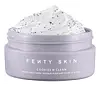
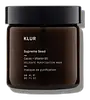
Fenty Beauty Cookies N Clean Whipped Clay Pore Detox Face Mask with Salicylic Acid + Charcoal Versus Klur Supreme Seed Purification Mask
This wash off mask is formulated around Salicylic Acid to clear breakouts and unclog pores.
This wash off mask is made with Aloe Barbadensis Leaf and Centella Asiatica Extract for a rinse-off oil-control boost.

What's inside
What's inside
 Key Ingredients
Benefits
Concerns
Ingredients Side-by-side
Water
Skin ConditioningKaolin
Abrasive



Glycerin
Humectant


Bentonite
Absorbent
Cetearyl Alcohol
Emollient






Caprylic/Capric Triglyceride
Masking
Cetyl Ethylhexanoate
EmollientSalicylic Acid
Masking





Charcoal Powder
Abrasive
Rheum Palmatum Root Extract
Astringent
Zingiber Officinale Root Extract
Masking
Panthenol
Skin Conditioning
Tocopheryl Acetate
Antioxidant

Butyrospermum Parkii Butter
Skin Conditioning
Mannitol
Humectant
Sorbitan Stearate
Emulsifying
Citric Acid
Buffering
Microcrystalline Cellulose
AbsorbentPolysorbate 60
Emulsifying
Hydroxypropyl Methylcellulose
Emulsion StabilisingPolyacrylate Crosspolymer-6
Emulsion StabilisingSodium Polyacrylate Starch
AbsorbentPotassium Hydroxide
BufferingPhenoxyethanol
Preservative
CI 77891
Cosmetic ColorantWater, Kaolin, Glycerin, Bentonite, Cetearyl Alcohol, Caprylic/Capric Triglyceride, Cetyl Ethylhexanoate, Salicylic Acid, Charcoal Powder, Rheum Palmatum Root Extract, Zingiber Officinale Root Extract, Panthenol, Tocopheryl Acetate, Butyrospermum Parkii Butter, Mannitol, Sorbitan Stearate, Citric Acid, Microcrystalline Cellulose, Polysorbate 60, Hydroxypropyl Methylcellulose, Polyacrylate Crosspolymer-6, Sodium Polyacrylate Starch, Potassium Hydroxide, Phenoxyethanol, CI 77891
Aloe Barbadensis Leaf
Masking
Water
Skin ConditioningCamellia Sinensis Leaf Extract
Antimicrobial
Centella Asiatica Extract
Cleansing
Kaolin
Abrasive
Pantothenic Acid
Skin ConditioningCarica Papaya Fruit Extract
Skin ConditioningGinkgo Biloba Leaf Extract
Skin Conditioning
Oenothera Biennis Oil
Emollient
Theobroma Cacao Seed Butter
Emollient
Macrocystis Pyrifera Extract
Skin Conditioning
Boswellia Carterii Gum Absolute
Perfuming
Rosa Damascena Flower Water
Masking
Lactic Acid
Buffering
Calendula Officinalis Extract
Skin Conditioning
Cucurbita Pepo Fruit Extract
Skin Conditioning
Chondrus Crispus Extract
Skin Conditioning
Prunus Armeniaca Kernel Oil
Masking
Sambucus Nigra Flower Extract
RefreshingPrunus Serotina Bark Extract
MaskingPelargonium Graveolens Extract
Masking
Malic Acid
Buffering
Vitis Vinifera Seed Oil
Emollient
Carthamus Tinctorius Seed Oil
Masking
Oryza Sativa Bran Oil
Emollient
Tocopheryl Acetate
Antioxidant
Simmondsia Chinensis Seed Oil
Emollient
Glycerin
Humectant
Xanthan Gum
EmulsifyingLonicera Caprifolium Flower Extract
Perfuming
Glycolic Acid
Buffering
Bentonite
Absorbent
Helianthus Annuus Seed Oil
Emollient
Avena Sativa Kernel Extract
Abrasive
Lecithin
Emollient
Stearic Acid
Cleansing
Cetearyl Alcohol
Emollient
Cellulose Gum
Emulsion StabilisingEthylhexylglycerin
Skin ConditioningPhenoxyethanol
Preservative
Aloe Barbadensis Leaf, Water, Camellia Sinensis Leaf Extract, Centella Asiatica Extract, Kaolin, Pantothenic Acid, Carica Papaya Fruit Extract, Ginkgo Biloba Leaf Extract, Oenothera Biennis Oil, Theobroma Cacao Seed Butter, Macrocystis Pyrifera Extract, Boswellia Carterii Gum Absolute, Rosa Damascena Flower Water, Lactic Acid, Calendula Officinalis Extract, Cucurbita Pepo Fruit Extract, Chondrus Crispus Extract, Prunus Armeniaca Kernel Oil, Sambucus Nigra Flower Extract, Prunus Serotina Bark Extract, Pelargonium Graveolens Extract, Malic Acid, Vitis Vinifera Seed Oil, Carthamus Tinctorius Seed Oil, Oryza Sativa Bran Oil, Tocopheryl Acetate, Simmondsia Chinensis Seed Oil, Glycerin, Xanthan Gum, Lonicera Caprifolium Flower Extract, Glycolic Acid, Bentonite, Helianthus Annuus Seed Oil, Avena Sativa Kernel Extract, Lecithin, Stearic Acid, Cetearyl Alcohol, Cellulose Gum, Ethylhexylglycerin, Phenoxyethanol
Reviews
Ingredients Explained
These ingredients are found in both products.
Ingredients higher up in an ingredient list are typically present in a larger amount.
Bentonite is an aluminium phyllosilicate clay with great absorbent properties. The name 'bentonite' comes from the area where the largest source is found: Fort Benton, Wyoming.
As a clay, bentonite is often used to absorb excess oil and provide exfoliation. It has also been shown to have some antibacterial and anti-inflammatory properties. Studies show bentonite was effective at calming dermatitis from poison ivy and in diaper dermatitis of infants. Bentonite has also been shown to act as a barrier against toxic compounds on your skin.
Sunscreens containing bentonite display higher water resistance and stay on the skin for much longer. The sunscreens containing bentonite also show higher potency and UV light absorbtion.
Bentonite is naturally created from volcanic ash and several natural weathering/hydrothermal processes.
A common usage of bentonite is removing excess protein from white wines. Bentonite contains a property of being able to absorb large amounts of protein from aqueous solutions.
Phyllosilicate clay has a structure formed by sheets.
Learn more about BentoniteCetearyl alcohol is a waxy mixture of two fatty alcohols: cetyl alcohol and stearyl alcohol. It is an emollient and emulsifier.
Despite having "alcohol" in its name, it has nothing to do with drying solvent alcohols; the FDA also allows "alcohol-free" products to contain fatty alcohols like this ingredient.
It plays several roles in a formula:
Typical use levels for this ingredient sit around 1-10% and the Cosmetic Ingredient Review Expert Panel has affirmed safety at concentrations up to 25% in leave-on products.
Multiple assessments have found it to be non-irritating and non-sensitizing to most people.
However, there have been some cases of allergic contact dermatitis in patients with chronically compromised skin barriers.
Cetearyl alcohol has a comedogenic rating of 2 and irritancy rating of 1. Both of these numbers come from the 1989 study that used rabbit ears; a "2" means mildly comedogenic and a "1" means low irritancy.
Here's the catch: rabbit skin is more sensitive than human skin and throws a lot of false positives. A 1996 reappraisal found that ingredients rated 1-2 in the rabbit ear tests are generally safe for humans.
Remember comedogenic ratings are unable to assess the entire formula of a product or how it will react on your skin. Just be sure to patch test if you are unsure about certain ingredients.
This ingredient is not fungal acne safe. Cetearyl alcohol is a fatty alcohol with chain lengths that fall within the range that Malassezia can metabolize.
A 2019 study has also observed Malassezia growth in the presence of this ingredient, confirming it to be not-fungal acne safe.
Learn more about Cetearyl AlcoholGlycerin (or glycerol) is a compound naturally found in your skin. It's a powerhouse humectant that pulls water into the stratum corneum.
Topically, glycerin does several things at once:
Your skin makes glycerin on its own (mostly from sebaceous oil breakdown) and shuttles it to your outermost layer of skin, or your epidermis, via aquaporin-3.
Aquaporin-3 is a transporter that is essential for normal skin hydration, elasticity, and repair. Interestingly, mice lacking in AQP3 have dry and less elastic skin that can be fully corrected with glycerin.
This ingredient is non-irritating, plays well with almost every ingredient, and works across all skin types. Typical use is anywhere between 3-10% but can go up to 79% in some leave-on products.
Just know very high concentrations (>40%) can feel tacky in low humidity.
Glycerin is the name for this ingredient in American English. British English uses Glycerol/Glycerine.
Learn more about GlycerinKaolin is a clay. It is used for oil control and to help minimize pores. Like other clays, kaolin has the ability to absorb excess sebum or oil. This can help clean out pores and mattify the skin.
Some types of kaolin may have exfoliating properties. When water is added to kaolin, it becomes a paste with small abrasive particles.
Most kaolin is a white color, but may be pink/orange/red depending on where it comes from.
The name 'kaolin' comes from a Chinese village named 'Gaoling'. Kaolin clay comes from rocks rich in kaolinite. Kaolinite, the mineral, has a silicate layered structure. Kaolinite is formed from chemical weathering of aluminum siilicate minerals.
Besides skincare, kaolin is commonly used to make glossy paper, in ceramics, toothpaste, and as medicine to soothe stomach issues.
Learn more about KaolinPhenoxyethanol is one of the most widely used preservatives in skincare (and for good reason!).
It has a large spectrum of antimicrobial activity and especially effective bacteria, yeast, and mold while only having a weak effect on your skin's natural microbiome.
On a cellular level, it disrupts the cell membranes of microbes by poking holes that make the cell leak. This shuts down the chemical reactions the microbe needs to make energy so it can no longer survive.
Another perk of this ingredient is that it stays functional across a wide pH range (3-10).
You'll often see it paired with boosters like Ethylhexylglycerin; one study showed that a 1:9 ratio of Ethylhexylglycerin to Phenoxyethanol damages bacterial membranes as effectively as doubling the Phenoxyethanol concentration on its own.
Typical use concentrations range from 0.3-1% depending on the formula, and this ingredient is capped at 1% int the EU.
Safety-wise, the fear mongering does not hold up to the evidence. The EU's Scientific Committee on Consumer Safety and FDA consider it safe as a preservative at up to 1%, including for children of all ages.
Adverse systemic effects only showed up in animal studies at exposures roughly 200x higher than what people get from cosmetics. And despite its very widespread use, this ingredient is a rare sensitizer and allergic reactions are uncommon.
Learn more about PhenoxyethanolTocopheryl Acetate is a stable, shelf-friendly form of vitamin E.
Formulators love it because plain vitamin E oxidizes quickly once it hits air. This acetate version stays stable and resists going off, helping to extend a product's shelf life.
It's actually inactive on its own and works like a slow-release "storage" form; the enzymes in your skin called esterases gradually convert it into active vitamin E over time.
One in vivo study showed 5% of the acetate in the living layer of the epidermis converted to vitamin E after 5 days of application. This study also found the skin gained protection against UV damage even though the conversion was slow and small.
Once converted, vitamin E acts as a skin's main fat-soluble antioxidant that fights free radicals to protect skin from damage.
Topical vitamin E generally boosts the skin's photoprotection, and it reduced UV-damage in animal models.
This ingredient has some brightening potential but it's more of a prevention ingredient than spot-fader. Cell studies show it can slow down melanin production but it's worth noting that it's not the most powerful brightener out there.
Overall, it has a pretty solid safety profile and has been found to be non-irritating and non-comedogenic. Allergic reactions may happen but stay rare due to how widely the ingredient gets used.
The concentration will vary depending on the formula; industry data shows 0.1% in baby lotions, 3% in lipsticks, and 5% in foot powders. You can also find this ingredient at 100% in a pure vitamin E oil.
Most leave-on skincare keeps it at the lower end, often between 0.5-1%.
Learn more about Tocopheryl AcetateWater. It's the most common cosmetic ingredient of all. You'll usually see it at the top of ingredient lists, meaning that it makes up the largest part of the product.
So why is it so popular? Water most often acts as a solvent - this means that it helps dissolve other ingredients into the formulation.
You'll also recognize water as that liquid we all need to stay alive. If you see this, drink a glass of water. Remember to stay hydrated!
Learn more about Water

