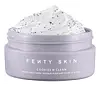
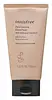
Fenty Beauty Cookies N Clean Whipped Clay Pore Detox Face Mask with Salicylic Acid + Charcoal Versus innisfree Volcanic Clusters Pore Clearing Facial Foam
This wash off mask is formulated around Salicylic Acid to clear breakouts and unclog pores.


What's inside
What's inside
 Key Ingredients
Benefits
Concerns
Ingredients Side-by-side
Water
Skin ConditioningKaolin
Abrasive



Glycerin
Humectant


Bentonite
Absorbent
Cetearyl Alcohol
Emollient






Caprylic/Capric Triglyceride
Masking
Cetyl Ethylhexanoate
EmollientSalicylic Acid
Masking





Charcoal Powder
Abrasive
Rheum Palmatum Root Extract
Astringent
Zingiber Officinale Root Extract
Masking
Panthenol
Skin Conditioning
Tocopheryl Acetate
Antioxidant

Butyrospermum Parkii Butter
Skin Conditioning
Mannitol
Humectant
Sorbitan Stearate
Emulsifying
Citric Acid
Buffering
Microcrystalline Cellulose
AbsorbentPolysorbate 60
Emulsifying
Hydroxypropyl Methylcellulose
Emulsion StabilisingPolyacrylate Crosspolymer-6
Emulsion StabilisingSodium Polyacrylate Starch
AbsorbentPotassium Hydroxide
BufferingPhenoxyethanol
Preservative
CI 77891
Cosmetic ColorantWater, Kaolin, Glycerin, Bentonite, Cetearyl Alcohol, Caprylic/Capric Triglyceride, Cetyl Ethylhexanoate, Salicylic Acid, Charcoal Powder, Rheum Palmatum Root Extract, Zingiber Officinale Root Extract, Panthenol, Tocopheryl Acetate, Butyrospermum Parkii Butter, Mannitol, Sorbitan Stearate, Citric Acid, Microcrystalline Cellulose, Polysorbate 60, Hydroxypropyl Methylcellulose, Polyacrylate Crosspolymer-6, Sodium Polyacrylate Starch, Potassium Hydroxide, Phenoxyethanol, CI 77891
Water
Skin ConditioningGlycerin
Humectant
Myristic Acid
Cleansing
Stearic Acid
Cleansing
PEG-32
HumectantPotassium Hydroxide
BufferingButylene Glycol
Humectant
Palmitic Acid
Emollient
Lauric Acid
Cleansing
Hydrated Silica
Abrasive
Lauryl Glucoside
CleansingGlyceryl Stearate
Emollient
PEG-100 Stearate
Surfactant
Cocamidopropyl Betaine
Cleansing
Parfum
Masking

Zea Mays Starch
Absorbent
Polyquaternium-7
Sodium Chloride
MaskingMannitol
Humectant
Microcrystalline Cellulose
AbsorbentDisodium EDTA
ChelatingSodium Benzoate
Masking
Volcanic Ash
Abrasive
Silica
Abrasive
Lactic Acid
Buffering

Water, Glycerin, Myristic Acid, Stearic Acid, PEG-32, Potassium Hydroxide, Butylene Glycol, Palmitic Acid, Lauric Acid, Hydrated Silica, Lauryl Glucoside, Glyceryl Stearate, PEG-100 Stearate, Cocamidopropyl Betaine, Parfum, Zea Mays Starch, Polyquaternium-7, Sodium Chloride, Mannitol, Microcrystalline Cellulose, Disodium EDTA, Sodium Benzoate, Volcanic Ash, Silica, Lactic Acid
Reviews
Ingredients Explained
These ingredients are found in both products.
Ingredients higher up in an ingredient list are typically present in a larger amount.
Glycerin (or glycerol) is a compound naturally found in your skin. It's a powerhouse humectant that pulls water into the stratum corneum.
Topically, glycerin does several things at once:
Your skin makes glycerin on its own (mostly from sebaceous oil breakdown) and shuttles it to your outermost layer of skin, or your epidermis, via aquaporin-3.
Aquaporin-3 is a transporter that is essential for normal skin hydration, elasticity, and repair. Interestingly, mice lacking in AQP3 have dry and less elastic skin that can be fully corrected with glycerin.
This ingredient is non-irritating, plays well with almost every ingredient, and works across all skin types. Typical use is anywhere between 3-10% but can go up to 79% in some leave-on products.
Just know very high concentrations (>40%) can feel tacky in low humidity.
Glycerin is the name for this ingredient in American English. British English uses Glycerol/Glycerine.
Learn more about GlycerinMannitol is a sugar alcohol. It is a humectant and moisturizes the skin. In vitro (not tested on a living organism), mannitol displays antioxidant properties.
When found in aqueous solutions, mannitol tends to become acidic. This is because it loses a hydrogen ion. This is why mannitol can often be found with pH adjusting ingredients, such as sodium bicarbonate.
Fun fact: Mannitol can be found in foods as a sweetener. It can be naturally found in mushrooms, algae, fruits, and veggies.
Learn more about MannitolMicrocrystalline Cellulose is another name for refined wood pulp. It is used as an emulsifier and mattifying ingredient. As an emulsifier, it helps keep ingredients together.
Potassium Hydroxide (also known as potash) is a strong alkaline ingredient that does one job: it nudges a product's pH up so the whole formula lands in a skin-friendly range.
It's also the base that turns oils into liquid soap during the soap making process.
An expert safety panel reviewed it and found it safe when formulations are made to be non-irritating.
As a pH adjuster, it's typically used well under 1% though regulatory caps go much higher: 5% in nail cuticle removers and 2-4.5% in hair straighteners.
Though there is some concern for irritation from raw or high pH material, a well-balanced formula will be a non-issue for the vast majority of people.
Learn more about Potassium HydroxideWater. It's the most common cosmetic ingredient of all. You'll usually see it at the top of ingredient lists, meaning that it makes up the largest part of the product.
So why is it so popular? Water most often acts as a solvent - this means that it helps dissolve other ingredients into the formulation.
You'll also recognize water as that liquid we all need to stay alive. If you see this, drink a glass of water. Remember to stay hydrated!
Learn more about Water

