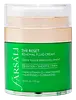
This anti-aging moisturizer is formulated around Tetrahexyldecyl Ascorbate and Niacinamide to soften the look of wrinkles and brighten dull-looking skin.
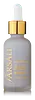
This hydrating serum is formulated around Sodium Hyaluronate and Citrullus Lanatus Fruit Extract to hydrate skin.

What's inside
What's inside
 Key Ingredients
Benefits
Concerns
Ingredients Side-by-side
Water
Skin ConditioningPropanediol
Solvent

Caprylic/Capric Triglyceride
Masking
Glycerin
Humectant
Tetrahexyldecyl Ascorbate
Antioxidant





Niacinamide
Smoothing





Squalane
Emollient
Diheptyl Succinate
EmollientLactic Acid
Buffering



Sodium Hyaluronate
Humectant
Hydroxyethyl Acrylate/Sodium Acryloyldimethyl Taurate Copolymer
Emulsion StabilisingRosa Canina Fruit Oil
Emollient

Cetyl Stearate
Emollient
Isostearyl Isostearate
Emollient

Potassium Cetyl Phosphate
EmulsifyingAllantoin
Skin Conditioning
Acetyl Hexapeptide-8
Humectant
Acetyl Octapeptide-3
Humectant
Acetyl Tetrapeptide-2
Skin Conditioning
Copper Tripeptide-1
Skin Conditioning
Nonapeptide-1
Skin Conditioning
Palmitoyl Tetrapeptide-7
Skin Conditioning
Palmitoyl Tripeptide-1
Skin Conditioning
Palmitoyl Tripeptide-38
Skin Conditioning
Pentapeptide-18
Skin Conditioning
Ceramide As
Skin Conditioning
Ceramide AP
Skin Conditioning
Ceramide Ns
Skin Conditioning
Cholesterol
Emollient
Pentapeptide-28
Skin Conditioning
Polyacrylate Crosspolymer-6
Emulsion StabilisingCeramide NP
Skin Conditioning
Ceramide EOP
Skin Conditioning
Capryloyl Glycerin/Sebacic Acid Copolymer
Skin ConditioningTocopheryl Acetate
Antioxidant
Sorbitan Isostearate
Emulsifying
Sodium Phytate
ChelatingCentella Asiatica Extract
Cleansing
Butylene Glycol
Humectant
Aloe Barbadensis Leaf Juice
Skin Conditioning
Sodium Benzoate
Masking
Sodium Hydroxide
BufferingPotassium Sorbate
Preservative
Carbomer
Emulsion StabilisingCetyl Alcohol
Emollient
Stearic Acid
Cleansing
1,2-Hexanediol
Skin Conditioning
Beta-Glucan
Skin Conditioning
Caprylyl Glycol
Emollient
Euterpe Oleracea Fruit Extract
Porphyridium Cruentum Extract
Skin ConditioningPanax Ginseng Root Extract
Emollient
Carica Papaya Fruit Extract
Skin ConditioningLupinus Albus Seed Extract
Skin ConditioningCurcuma Longa Root Extract
Antioxidant
Hydrogenated Lecithin
Emulsifying
Astragalus Membranaceus Root Extract
Emollient
Camellia Sinensis Leaf Extract
Antimicrobial
Dipropylene Glycol
HumectantGlyceryl Stearate
Emollient
Sucrose Distearate
Emollient
Water, Propanediol, Caprylic/Capric Triglyceride, Glycerin, Tetrahexyldecyl Ascorbate, Niacinamide, Squalane, Diheptyl Succinate, Lactic Acid, Sodium Hyaluronate, Hydroxyethyl Acrylate/Sodium Acryloyldimethyl Taurate Copolymer, Rosa Canina Fruit Oil, Cetyl Stearate, Isostearyl Isostearate, Potassium Cetyl Phosphate, Allantoin, Acetyl Hexapeptide-8, Acetyl Octapeptide-3, Acetyl Tetrapeptide-2, Copper Tripeptide-1, Nonapeptide-1, Palmitoyl Tetrapeptide-7, Palmitoyl Tripeptide-1, Palmitoyl Tripeptide-38, Pentapeptide-18, Ceramide As, Ceramide AP, Ceramide Ns, Cholesterol, Pentapeptide-28, Polyacrylate Crosspolymer-6, Ceramide NP, Ceramide EOP, Capryloyl Glycerin/Sebacic Acid Copolymer, Tocopheryl Acetate, Sorbitan Isostearate, Sodium Phytate, Centella Asiatica Extract, Butylene Glycol, Aloe Barbadensis Leaf Juice, Sodium Benzoate, Sodium Hydroxide, Potassium Sorbate, Carbomer, Cetyl Alcohol, Stearic Acid, 1,2-Hexanediol, Beta-Glucan, Caprylyl Glycol, Euterpe Oleracea Fruit Extract, Porphyridium Cruentum Extract, Panax Ginseng Root Extract, Carica Papaya Fruit Extract, Lupinus Albus Seed Extract, Curcuma Longa Root Extract, Hydrogenated Lecithin, Astragalus Membranaceus Root Extract, Camellia Sinensis Leaf Extract, Dipropylene Glycol, Glyceryl Stearate, Sucrose Distearate
Water
Skin ConditioningIsopentyldiol
Humectant
Butylene Glycol
Humectant
Dimethyl Isosorbide
SolventPPG-24-Glycereth-24
EmulsifyingPEG-40 Hydrogenated Castor Oil
Emulsifying
Polyester-5
Sodium Hyaluronate
Humectant
Glycerin
Humectant
Citrullus Lanatus Fruit Extract
Skin Conditioning
Pyrus Malus Fruit Extract
Skin Conditioning
Lens Esculenta Fruit Extract
Skin ConditioningSodium PCA
Humectant
Sodium Lactate
Buffering
Xylitylglucoside
Humectant
Anhydroxylitol
Humectant
Xylitol
Humectant
Vanilla Planifolia Fruit Water
Skin ConditioningCitrus Aurantium Dulcis Oil
Masking
Ammonium Acryloyldimethyltaurate/Carboxyethyl Acrylate Crosspolymer
Disodium EDTA
ChelatingEthylhexylglycerin
Skin ConditioningHydroxyacetophenone
Antioxidant
Phenoxyethanol
Preservative
Sodium Hydroxide
BufferingSynthetic Fluorphlogopite
CI 77891
Cosmetic ColorantMica
Cosmetic ColorantIron Oxides
Water, Isopentyldiol, Butylene Glycol, Dimethyl Isosorbide, PPG-24-Glycereth-24, PEG-40 Hydrogenated Castor Oil, Polyester-5, Sodium Hyaluronate, Glycerin, Citrullus Lanatus Fruit Extract, Pyrus Malus Fruit Extract, Lens Esculenta Fruit Extract, Sodium PCA, Sodium Lactate, Xylitylglucoside, Anhydroxylitol, Xylitol, Vanilla Planifolia Fruit Water, Citrus Aurantium Dulcis Oil, Ammonium Acryloyldimethyltaurate/Carboxyethyl Acrylate Crosspolymer, Disodium EDTA, Ethylhexylglycerin, Hydroxyacetophenone, Phenoxyethanol, Sodium Hydroxide, Synthetic Fluorphlogopite, CI 77891, Mica, Iron Oxides
Reviews
Ingredients Explained
These ingredients are found in both products.
Ingredients higher up in an ingredient list are typically present in a larger amount.
Butylene Glycol (or BG) is used within cosmetic products for a few different reasons:
Overall, Butylene Glycol is a safe and well-rounded ingredient that works well with other ingredients.
Though this ingredient works well with most skin types, some people with sensitive skin may experience a reaction such as allergic rashes, closed comedones, or itchiness.
Learn more about Butylene GlycolGlycerin (or glycerol) is a compound naturally found in your skin. It's a powerhouse humectant that pulls water into the stratum corneum.
Topically, glycerin does several things at once:
Your skin makes glycerin on its own (mostly from sebaceous oil breakdown) and shuttles it to your outermost layer of skin, or your epidermis, via aquaporin-3.
Aquaporin-3 is a transporter that is essential for normal skin hydration, elasticity, and repair. Interestingly, mice lacking in AQP3 have dry and less elastic skin that can be fully corrected with glycerin.
This ingredient is non-irritating, plays well with almost every ingredient, and works across all skin types. Typical use is anywhere between 3-10% but can go up to 79% in some leave-on products.
Just know very high concentrations (>40%) can feel tacky in low humidity.
Glycerin is the name for this ingredient in American English. British English uses Glycerol/Glycerine.
Learn more about GlycerinSodium Hyaluronate is the salt form of hyaluronic acid. It is a long sugar chain that is naturally found in your skin, joints, and connective tissue that maintains hydration and elasticity.
In skincare, it works as a humectant. It pulls water from the environment and deeper layers of skin and binds it to the surface.
Interestingly, the size of the molecule affects its behavior:
Some clinical evidence links low molecular weight versions to improved wrinkle depth, elasticity, anti-inflammatory effects, and barrier repair.
Many serums use a blend of both weights so you can get surface hydration plus longer-lasting and deeper effects.
You'll typically see concentrations between 0.1-2% for this ingredient.
Learn more about Sodium HyaluronateSodium Hydroxide is also known as lye or caustic soda. It is used to adjust the pH of products; many ingredients require a specific pH to be effective.
In small amounts, sodium hydroxide is considered safe to use. However, large amounts may cause chemical burns due to its high alkaline.
Your skin has a natural pH and acid mantle. This acid mantle helps prevent harmful bacteria from breaking through. The acid mantle also helps keep your skin hydrated.
"Alkaline" refers to a high pH level. A low pH level would be considered acidic.
Learn more about Sodium HydroxideWater. It's the most common cosmetic ingredient of all. You'll usually see it at the top of ingredient lists, meaning that it makes up the largest part of the product.
So why is it so popular? Water most often acts as a solvent - this means that it helps dissolve other ingredients into the formulation.
You'll also recognize water as that liquid we all need to stay alive. If you see this, drink a glass of water. Remember to stay hydrated!
Learn more about Water

