

What's inside
What's inside
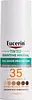 Key Ingredients
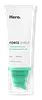
Benefits
Concerns
Ingredients Side-by-side
Zinc Oxide 24%
Cosmetic Colorant


Water
Skin ConditioningC12-15 Alkyl Benzoate
AntimicrobialIsopropyl Palmitate
Emollient


Butyloctyl Salicylate
Skin Conditioning
Ethylhexyl Pelargonate
EmollientCetyl PEG/PPG-10/1 Dimethicone
Emulsifying
Propylene Glycol
Humectant


Cyclopentasiloxane
Emollient
Bis-Octyldodecyl Dimer Dilinoleate/Propanediol Copolymer
EmollientDimethicone
Emollient
Diethylhexyl Syringylidenemalonate
Skin ProtectingEthylhexyl Methoxycrylene
Skin Conditioning
Polyester-27
Glycyrrhiza Inflata Root Extract
Skin Conditioning
Glycyrrhetinic Acid
Skin Conditioning
Sodium Ascorbyl Phosphate
Antioxidant




Simmondsia Chinensis Seed Oil
Emollient

Tocopherol
Antioxidant


Triethoxycaprylylsilane
Beeswax
Emulsion Stabilising
Hydroxyacetophenone
Antioxidant
Sodium Chloride
MaskingPEG-12 Dimethicone Crosspolymer
Emulsifying
1,2-Hexanediol
Skin Conditioning
Caprylyl Glycol
Emollient
Jojoba Esters
Emollient
Silica
Abrasive
Polyglyceryl-6 Polyricinoleate
Emulsifying
Iron Oxides
Zinc Oxide 24%, Water, C12-15 Alkyl Benzoate, Isopropyl Palmitate, Butyloctyl Salicylate, Ethylhexyl Pelargonate, Cetyl PEG/PPG-10/1 Dimethicone, Propylene Glycol, Cyclopentasiloxane, Bis-Octyldodecyl Dimer Dilinoleate/Propanediol Copolymer, Dimethicone, Diethylhexyl Syringylidenemalonate, Ethylhexyl Methoxycrylene, Polyester-27, Glycyrrhiza Inflata Root Extract, Glycyrrhetinic Acid, Sodium Ascorbyl Phosphate, Simmondsia Chinensis Seed Oil, Tocopherol, Triethoxycaprylylsilane, Beeswax, Hydroxyacetophenone, Sodium Chloride, PEG-12 Dimethicone Crosspolymer, 1,2-Hexanediol, Caprylyl Glycol, Jojoba Esters, Silica, Polyglyceryl-6 Polyricinoleate, Iron Oxides
Zinc Oxide 17.53%
Cosmetic Colorant
Water
Skin ConditioningCaprylic/Capric Triglyceride
Masking
C13-15 Alkane
SolventPropanediol
Solvent
C15-19 Alkane
SolventBis-Diglyceryl Polyacyladipate-2
Emollient
Butyloctyl Salicylate
Skin Conditioning
Ectoin
Skin Conditioning
Alteromonas Ferment Extract
Skin Conditioning
Harungana Madagascariensis Extract
Skin ConditioningIpomoea Batatas Root Extract
Skin ConditioningRubus Idaeus Seed Oil
Emollient
Camellia Sinensis Leaf Extract
Antimicrobial
Corallina Officinalis Extract
Skin Conditioning
Curcuma Longa Leaf Extract
Skin ConditioningMelia Azadirachta Flower Extract
Skin ConditioningMelia Azadirachta Leaf Extract
Skin ConditioningMoringa Oleifera Seed Oil
Emollient
Ocimum Sanctum Leaf Extract
Skin ConditioningOryza Sativa Hull Extract
MoisturisingSolanum Melongena Fruit Extract
Skin ConditioningCoccinia Indica Fruit Extract
Skin ConditioningTocopherol
Antioxidant
Bisabolol
Antioxidant
Amber Powder
Coco-Glucoside
Cleansing
Glucose
Humectant
Glycerin
Humectant
Xanthan Gum
Emulsifying1,2-Hexanediol
Skin Conditioning
Caprylhydroxamic Acid
Arachidyl Alcohol
Emollient
Arachidyl Glucoside
EmulsifyingHydroxyacetophenone
Antioxidant
Polyacrylate Crosspolymer-6
Emulsion StabilisingBehenyl Alcohol
Emollient
Cetearyl Alcohol
Emollient
Isostearic Acid
Cleansing
Lecithin
Emollient
Polyglycerin-3
Humectant
Polyglyceryl-3 Lactate/Laurate
CleansingPolyglyceryl-3 Polyricinoleate
Emulsifying
Polyhydroxystearic Acid
Emulsifying
Silica
Abrasive
T-Butyl Alcohol
Perfuming


Sodium Benzoate
Masking
Sodium Citrate
BufferingSodium Dilauramidoglutamide Lysine
HumectantSodium Phytate
Citric Acid
Buffering
Inositol
Humectant
Lactobacillus Ferment Lysate
Skin Conditioning
Saccharomyces Lysate
Skin Conditioning
Butylene Glycol
Humectant
Caprylyl Glycol
Emollient
Zinc Oxide 17.53%, Water, Caprylic/Capric Triglyceride, C13-15 Alkane, Propanediol, C15-19 Alkane, Bis-Diglyceryl Polyacyladipate-2, Butyloctyl Salicylate, Ectoin, Alteromonas Ferment Extract, Harungana Madagascariensis Extract, Ipomoea Batatas Root Extract, Rubus Idaeus Seed Oil, Camellia Sinensis Leaf Extract, Corallina Officinalis Extract, Curcuma Longa Leaf Extract, Melia Azadirachta Flower Extract, Melia Azadirachta Leaf Extract, Moringa Oleifera Seed Oil, Ocimum Sanctum Leaf Extract, Oryza Sativa Hull Extract, Solanum Melongena Fruit Extract, Coccinia Indica Fruit Extract, Tocopherol, Bisabolol, Amber Powder, Coco-Glucoside, Glucose, Glycerin, Xanthan Gum, 1,2-Hexanediol, Caprylhydroxamic Acid, Arachidyl Alcohol, Arachidyl Glucoside, Hydroxyacetophenone, Polyacrylate Crosspolymer-6, Behenyl Alcohol, Cetearyl Alcohol, Isostearic Acid, Lecithin, Polyglycerin-3, Polyglyceryl-3 Lactate/Laurate, Polyglyceryl-3 Polyricinoleate, Polyhydroxystearic Acid, Silica, T-Butyl Alcohol, Sodium Benzoate, Sodium Citrate, Sodium Dilauramidoglutamide Lysine, Sodium Phytate, Citric Acid, Inositol, Lactobacillus Ferment Lysate, Saccharomyces Lysate, Butylene Glycol, Caprylyl Glycol
Reviews
Ingredients Explained
These ingredients are found in both products.
Ingredients higher up in an ingredient list are typically present in a larger amount.
1,2-Hexanediol is a synthetic liquid and another multi-functional powerhouse.
It is a:
- Humectant, drawing moisture into the skin
- Emollient, helping to soften skin
- Solvent, dispersing and stabilizing formulas
- Preservative booster, enhancing the antimicrobial activity of other preservatives
Butyloctyl Salicylate is a chemical UV filter structurally similar to octisalate. It is a photostabilizer, SPF booster, emollient and solvent. This ingredient helps evenly spread out ingredients.
According to a manufacturer, it is suitable for pairing with micro Titanium Dioxide, Zinc Oxide, and pigments.
Photostabilizers help stabilize UV-filters and prevents them from degrading quickly.
Learn more about Butyloctyl SalicylateCaprylyl Glycol is a humectant, skin conditioner, emollient, and preservative booster derived from either caprylic acid or synthetically created.
Typical use levels vary from 0.3-1% as a preservative booster and go up to 2% to condition skin.
Because it is not a free-fatty acid or alcohol, this ingredient is fungal acne safe (there's nothing for Malassezia to feed on).
Learn more about Caprylyl GlycolHydroxyacetophenone is antioxidant with skin conditioning and soothing properties. It also boosts the efficiency of preservatives.
Though naturally occuring in Norwegian spruce needles, this ingredient is usually synthetically created.
This ingredient is not irritating or sensitizing. Recent research also suggests it may have skin-brightening effects through tyrosinase inhibition.
Learn more about HydroxyacetophenoneSilica, also known as silicon dioxide, is a naturally occurring mineral. It is used as a fine, spherical, and porous powder in cosmetics.
Though it has exfoliant properties, the function of silica varies depending on the product.
The unique structure of silica enhances the spreadability and adds smoothness, making it a great texture enhancer.
It is also used as an active carrier, emulsifier, and mattifier due to its ability to absorb excess oil.
In some products, tiny microneedles called spicules are made from silica or hydrolyzed sponge. When you rub them in, they lightly polish away dead skin layers and enhance the penetration of active ingredients.
Learn more about SilicaTocopherol is a fat-soluble antioxidant known as Vitamin E.
You'll find this ingredient in the vast majority of skincare (for good reason). It works to neutralize free radicals, or unstable molecules generated by UV exposure, pollution, and other environmental stressors, before they can cause oxidative damage to your skin cells.
Topically applied tocopherol has been shown to protect against UV damage by ramping up the skin's own natural defense enzymes.
It also acts as a skin conditioning agent; some studies show that regular topical use can improve the skin's water-binding capacity over 2-4 weeks.
This ingredient is especially loved for being a team player. When combined with Vitamin C, the photoprotective effect of both ingredients roughly doubles and the combo also helps reduce UV-induced DNA damage.
This ingredient has some brightening potential but it's more of a prevention ingredient than spot-fader. Cell studies show it can slow down melanin production but it's worth noting that it's not the most powerful brightener out there.
In formulations, it also serves as a stabilizer that helps protect other oxidation-prone ingredients from degrading.
Concentrations usually range from 0.1-1% in most leave-on products.
Learn more about TocopherolWater. It's the most common cosmetic ingredient of all. You'll usually see it at the top of ingredient lists, meaning that it makes up the largest part of the product.
So why is it so popular? Water most often acts as a solvent - this means that it helps dissolve other ingredients into the formulation.
You'll also recognize water as that liquid we all need to stay alive. If you see this, drink a glass of water. Remember to stay hydrated!
Learn more about WaterZinc Oxide is a mineral broad-spectrum UV filter; it is the broadest UVA and UVB reflector approved by the FDA. It also has skin protectant and skin soothing properties.
Zinc oxide is one of the most effective broad-spectrum UV filters. It protects against UVB, UVAII, and UVAI. In comparison to its counterpart titanium dioxide, zinc oxide provides uniform and extended UVA protection.
Another great benefit? This ingredient is highly photostable so it won't degrade easily under sunlight.
A common myth is that mineral UV filters are widely believed to primarily reflect UV light.
However, modern research shows titanium dioxide absorbs UV radiation like chemical filters (~95% absorption & 5% reflection).
Zinc oxide has great skin soothing properties so you'll likely find this in sunscreens formulated for sensitive skin or babies/children. It is unlikely to cause "eye sting" like other sunscreen ingredients.
Regulatory agencies consider zinc oxide to be non-toxic and safe. It has also been shown to not penetrate the skin.
Unfortunately, this ingredient does leave a visible white cast. This is why mineral sunscreens are often less cosmetically elegant than chemical or hybrid ones.
In cosmetics, zinc oxide can be found in both non-nano and nano-sized forms. The nano version is used to reduce white cast and improve the texture of sunscreen formulas.
There are ongoing concerns surrounding nano-zinc oxide's impact on marine ecosystems and whether it can be absorbed into skin.
Regarding marine ecosystems and coral reefs, there is no conclusive evidence that any form of zinc oxide (or any other sunscreen ingredients) will cause harm. The science is still developing but many consumers are keeping a close eye on this issue.
Please note, many destinations have reef-safety sunscreen rules. For instance, the U.S. Virgin Islands advises all visitors to use non-nano mineral sunscreens.
There has also been some stir about whether micronized or nano zinc oxide has potential photoxicity and absorption through the skin/lungs.
An in-vitro (done in a test tube or petri dish) study demonstrated micronized zinc oxide to have potential phototoxicity. There's no need to fret; the EU Commission's Scientific Committee on Consumer Safety has stated, "The relevance of these findings needs to be clarified by appropriate investigations in vivo." Or in other words, further studies done on living organisms are needed to prove this.
Current research shows zinc oxide nanoparticles do not penetrate intact or sunburned skin. They either remain on the surface or in the outermost layer of dead skin (stratum corneum).
Zinc oxide is one of only two classified mineral UV filters with titanium dioxide being the other one.
Fun fact: Zinc has been used throughout history as an ingredient in paint and medicine. An Indian text from 500BC is believed to list zinc oxide as a salve for open wound. The Ancient Greek physician Dioscorides has also mentioned the use of zinc as an ointment in 1AD.
Learn more about Zinc Oxide
