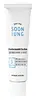
This barrier-repair moisturizer is formulated around Panthenol and Squalane to strengthen the skin barrier and calm redness.
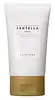
This barrier-repair moisturizer is formulated around Niacinamide and Panthenol to strengthen the skin barrier and calm redness.

What's inside
What's inside
 Key Ingredients
Benefits
Concerns
Ingredients Side-by-side
Water
Skin ConditioningPropanediol
Solvent

Panthenol
Skin Conditioning


Squalane
Emollient
Cetearyl Alcohol
Emollient






Madecassoside
Antioxidant

Camellia Sinensis Leaf Extract
Antimicrobial


Butylene Glycol
Humectant
Hydrogenated Lecithin
Emulsifying
Glyceryl Stearate
Emollient
Diisostearyl Malate
EmollientCetearyl Glucoside
Emulsifying
Stearic Acid
Cleansing
Acrylates/C10-30 Alkyl Acrylate Crosspolymer
Emulsion StabilisingTromethamine
BufferingPolyglyceryl-10 Stearate
Skin Conditioning
Polyglyceryl-3 Methylglucose Distearate
Emulsifying
Hydroxyethyl Acrylate/Sodium Acryloyldimethyl Taurate Copolymer
Emulsion StabilisingDisodium EDTA
1,2-Hexanediol
Skin Conditioning
Water, Propanediol, Panthenol, Squalane, Cetearyl Alcohol, Madecassoside, Camellia Sinensis Leaf Extract, Butylene Glycol, Hydrogenated Lecithin, Glyceryl Stearate, Diisostearyl Malate, Cetearyl Glucoside, Stearic Acid, Acrylates/C10-30 Alkyl Acrylate Crosspolymer, Tromethamine, Polyglyceryl-10 Stearate, Polyglyceryl-3 Methylglucose Distearate, Hydroxyethyl Acrylate/Sodium Acryloyldimethyl Taurate Copolymer, Disodium EDTA, 1,2-Hexanediol
Cetyl Ethylhexanoate
EmollientGlycerin
Humectant
Pentylene Glycol
Skin Conditioning
Hydrogenated Lecithin
Emulsifying
Niacinamide
Smoothing


Macadamia Ternifolia Seed Oil
Emollient
PEG-50 Shea Butter
Emulsifying
Limnanthes Alba Seed Oil
Skin Conditioning
Squalane
Emollient
Carbomer
Emulsion Stabilising1,2-Hexanediol
Skin Conditioning
Tromethamine
BufferingPanthenol
Skin Conditioning
Sodium Carbomer
Emulsion StabilisingErythritol
Humectant
Trehalose
Humectant
Betaine
Humectant
Butylene Glycol
Humectant
Caprylhydroxamic Acid
Caprylic/Capric Triglyceride
Masking
Adenosine
Skin Conditioning
Lavandula Spica Flower Oil
Masking
Xanthan Gum
EmulsifyingOzonized Olive Oil
Skin Conditioning
Hydroxyethylcellulose
Emulsion StabilisingOrange Roughy Oil
Skin Conditioning
Madecassoside
Antioxidant
Biosaccharide Gum-1
Humectant
Asiaticoside
Antioxidant
Malt Extract
Skin ProtectingAsiatic Acid
Skin Conditioning
Butter Extract
Emollient
Glycyrrhiza Glabra Leaf Extract
Skin ConditioningCeramide AP
Skin Conditioning
Chamomilla Recutita Flower Extract
Masking
Linoleic Acid
Cleansing
Ethylhexylglycerin
Skin ConditioningSodium Hyaluronate
Humectant
Linolenic Acid
Cleansing

Cetyl Ethylhexanoate, Glycerin, Pentylene Glycol, Hydrogenated Lecithin, Niacinamide, Macadamia Ternifolia Seed Oil, PEG-50 Shea Butter, Limnanthes Alba Seed Oil, Squalane, Carbomer, 1,2-Hexanediol, Tromethamine, Panthenol, Sodium Carbomer, Erythritol, Trehalose, Betaine, Butylene Glycol, Caprylhydroxamic Acid, Caprylic/Capric Triglyceride, Adenosine, Lavandula Spica Flower Oil, Xanthan Gum, Ozonized Olive Oil, Hydroxyethylcellulose, Orange Roughy Oil, Madecassoside, Biosaccharide Gum-1, Asiaticoside, Malt Extract, Asiatic Acid, Butter Extract, Glycyrrhiza Glabra Leaf Extract, Ceramide AP, Chamomilla Recutita Flower Extract, Linoleic Acid, Ethylhexylglycerin, Sodium Hyaluronate, Linolenic Acid
Reviews
Ingredients Explained
These ingredients are found in both products.
Ingredients higher up in an ingredient list are typically present in a larger amount.
1,2-Hexanediol is a synthetic liquid and another multi-functional powerhouse.
It is a:
- Humectant, drawing moisture into the skin
- Emollient, helping to soften skin
- Solvent, dispersing and stabilizing formulas
- Preservative booster, enhancing the antimicrobial activity of other preservatives
Butylene Glycol (or BG) is used within cosmetic products for a few different reasons:
Overall, Butylene Glycol is a safe and well-rounded ingredient that works well with other ingredients.
Though this ingredient works well with most skin types, some people with sensitive skin may experience a reaction such as allergic rashes, closed comedones, or itchiness.
Learn more about Butylene GlycolHydrogenated Lecithin is a more stable version of lecithin.
It's made by taking lecithin (a phospholipid commonly found in soybeans and egg yolks) and hydrogenating it. This just means the unsaturated fatty acids are turned into saturated ones so they don't go bad as easily.
This ingredient is an emollient, emulsifier, and penetration enhancer. As an emollient, it helps soften and hydrate skin by trapping moisture within. As an emulsifier, it prevents oil and water ingredients from separating.
Hydrogenated Lecithin can form tiny spherical structures made of phospholipid bilayers called liposomes. These liposomes are able to capture compounds inside their structure and deliver them through the skin barrier.
Because phospholipids are a natural component of our cell membranes, this ingredient is inherently compatible with skin.
A 2021 study found lecithin-based surfactants were less harsh and more tolerable comared to Sodium Lauryl Sulfate (SLS).
Learn more about Hydrogenated LecithinMadecassoside is one of four active compounds found in Centella asiatica and is one of the main reasons Centella is so effective at calming irritated skin and supporting the moisture barrier.
There's a solid body of peer-reviewed research backing Madecassoside for several skin benefits. Studies have found:
Madecassoside pairs well with other hydrating or antioxidant ingredients like Ascorbic Acid or Hyaluronic Acid.
Learn more about MadecassosidePanthenol is a common ingredient that helps hydrate and soothe the skin. It is found naturally in our skin and hair.
There are two forms of panthenol: D and L.
D-panthenol is also known as dexpanthenol. Most cosmetics use dexpanthenol or a mixture of D and L-panthenol.
Panthenol is famous due to its ability to go deeper into the skin's layers. Using this ingredient has numerous pros (and no cons):
Like hyaluronic acid, panthenol is a humectant. Humectants are able to bind and hold large amounts of water to keep skin hydrated.
This ingredient works well for wound healing. It works by increasing tissue in the wound and helps close open wounds.
Once oxidized, panthenol converts to pantothenic acid. Panthothenic acid is found in all living cells.
This ingredient is also referred to as pro-vitamin B5.
Learn more about PanthenolSqualane is the hydrogenated and shelf-stable form of squalene (a lipid that naturally occurs in human sebum).
It is an emollient and skin conditioning agent that is able to integrate seamlessly into the skin's lipid barrier without clogging pores.
This is due to how structurally similar it is to what your skin already produces.
Though it is mostly an emollient that helps soften and hydrate skin, it also has some humectant and occlusive action. Humectants help the skin retain moisture while occlusives seal it in, making squalane a triple-threat moisturizer.
Research shows it has antioxidant capabilities that help protect against stressors like UV exposure, specifically UVA induced oxidative stress. This study also found that it supports collagen biosynthesis in human dermal fibroblasts.
No clinical study has reported significant adverse effects and irritation reactions are very rare from this ingredient (even at 100% concentration).
Overall, it's a fantastic ingredient for hydration and is suitable for all skin types.
This depends on the source. Squalane can be derived from both plants and animals. Most squalane used in skincare comes from plants.
Please note: the source of squalane is only known if disclosed by the brand. We recommend reaching out to the brand if you have any questions about their squalane.
Read more about squalene with an "e".
Though squalane is often called an oil, it’s technically not one. It is a hydrocarbon, meaning it is only made of carbon and hydrogen. True oils are triglycerides and made of fatty acids and glycerol.
The term “oil-free” isn’t regulated so companies can define it however they want. Some exclude all oils, while others just avoid mineral oil or comedogenic oils.
Squalane has a comedogenic rating of 1 from the original 1972 study that tested raw ingredients under occlusion on rabbit ears. This system is not standardized or peer-reviewed, and using the raw ingredients is very different from how diluted cosmetic formulations are used on human skin.
A comedogenic rating of 1 means it is "unlikely to clog pores" according to the original rating system.
The overall formula of a product matters more than the individual ingredients on whether or not it will cause clogged pores.
Learn more about SqualaneTromethamine (aka THAM) is a synthetic amino acid that shows up in skincare as a helper ingredient.
It functions as a pH adjuster to help neutralize acidic ingredients and set a formula's pH to the right spot.
This matters a lot because a lot of actives (like vitamin C) needs a specific pH to work well and feel comfortable on skin.
Concentration use ranges from 0.1-1.0% depending on the formula.
Learn more about Tromethamine

