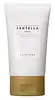
This barrier-repair moisturizer is formulated around Niacinamide and Panthenol to strengthen the skin barrier and calm redness.
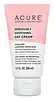
This calming day moisturizer is formulated around Aloe Barbadensis Leaf Juice and Colloidal Oatmeal to calm redness and hydrate skin.


What's inside
What's inside
 Key Ingredients
Benefits
Concerns
Ingredients Side-by-side
Cetyl Ethylhexanoate
EmollientGlycerin
Humectant


Pentylene Glycol
Skin Conditioning
Hydrogenated Lecithin
Emulsifying
Niacinamide
Smoothing









Macadamia Ternifolia Seed Oil
Emollient


PEG-50 Shea Butter
Emulsifying
Limnanthes Alba Seed Oil
Skin Conditioning
Squalane
Emollient
Carbomer
Emulsion Stabilising1,2-Hexanediol
Skin Conditioning
Tromethamine
BufferingPanthenol
Skin Conditioning
Sodium Carbomer
Emulsion StabilisingErythritol
Humectant
Trehalose
Humectant
Betaine
Humectant
Butylene Glycol
Humectant
Caprylhydroxamic Acid
ChelatingCaprylic/Capric Triglyceride
Masking
Adenosine
Skin Conditioning
Lavandula Spica Flower Oil
Masking
Xanthan Gum
EmulsifyingOzonized Olive Oil
Skin Conditioning
Hydroxyethylcellulose
Emulsion StabilisingOrange Roughy Oil
Skin Conditioning
Madecassoside
Antioxidant
Biosaccharide Gum-1
Humectant
Asiaticoside
Antioxidant
Malt Extract
Skin ProtectingAsiatic Acid
Skin Conditioning
Butter Extract
Emollient
Glycyrrhiza Glabra Leaf Extract
Skin ConditioningCeramide AP
Skin Conditioning
Chamomilla Recutita Flower Extract
Masking
Linoleic Acid
Cleansing
Ethylhexylglycerin
Skin ConditioningSodium Hyaluronate
Humectant
Linolenic Acid
Cleansing

Cetyl Ethylhexanoate, Glycerin, Pentylene Glycol, Hydrogenated Lecithin, Niacinamide, Macadamia Ternifolia Seed Oil, PEG-50 Shea Butter, Limnanthes Alba Seed Oil, Squalane, Carbomer, 1,2-Hexanediol, Tromethamine, Panthenol, Sodium Carbomer, Erythritol, Trehalose, Betaine, Butylene Glycol, Caprylhydroxamic Acid, Caprylic/Capric Triglyceride, Adenosine, Lavandula Spica Flower Oil, Xanthan Gum, Ozonized Olive Oil, Hydroxyethylcellulose, Orange Roughy Oil, Madecassoside, Biosaccharide Gum-1, Asiaticoside, Malt Extract, Asiatic Acid, Butter Extract, Glycyrrhiza Glabra Leaf Extract, Ceramide AP, Chamomilla Recutita Flower Extract, Linoleic Acid, Ethylhexylglycerin, Sodium Hyaluronate, Linolenic Acid
Water
Skin ConditioningAloe Barbadensis Leaf Juice
Skin Conditioning
Cetearyl Olivate
Sorbitan Olivate
Emulsifying
Glycerin
Humectant
Helianthus Annuus Seed Oil
Emollient
Carthamus Tinctorius Seed Oil
Masking
Glyceryl Laurate
Emollient
Cocoglycerides
Emollient
Glyceryl Stearate Se
Emulsifying


Colloidal Oatmeal
Absorbent
Argania Spinosa Kernel Oil
Emollient
Limnanthes Alba Seed Oil
Skin Conditioning
Theobroma Cacao Seed Butter
Emollient
Hippophae Rhamnoides Seed Oil
Skin Protecting
Rosa Canina Fruit Oil
Emollient
Aspalathus Linearis Leaf Extract
Skin ConditioningButyrospermum Parkii Butter
Skin Conditioning
Olea Europaea Fruit Oil
Masking
Glycerophosphoinositol Lysine
Squalane
Emollient
Chamomilla Recutita Flower Oil
Masking
Xanthan Gum
EmulsifyingTocopherol
Antioxidant
Sodium Levulinate
Skin ConditioningPotassium Sorbate
Preservative
Ethylhexylglycerin
Skin ConditioningWater, Aloe Barbadensis Leaf Juice, Cetearyl Olivate, Sorbitan Olivate, Glycerin, Helianthus Annuus Seed Oil, Carthamus Tinctorius Seed Oil, Glyceryl Laurate, Cocoglycerides, Glyceryl Stearate Se, Colloidal Oatmeal, Argania Spinosa Kernel Oil, Limnanthes Alba Seed Oil, Theobroma Cacao Seed Butter, Hippophae Rhamnoides Seed Oil, Rosa Canina Fruit Oil, Aspalathus Linearis Leaf Extract, Butyrospermum Parkii Butter, Olea Europaea Fruit Oil, Glycerophosphoinositol Lysine, Squalane, Chamomilla Recutita Flower Oil, Xanthan Gum, Tocopherol, Sodium Levulinate, Potassium Sorbate, Ethylhexylglycerin
Reviews
Ingredients Explained
These ingredients are found in both products.
Ingredients higher up in an ingredient list are typically present in a larger amount.
Ethylhexylglycerin is created from glycerin. It is a multitasker ingredient that:
The CIR Expert Panel found minimal skin absorption or sensitization of any kind in a safety assessment. Though this ingredient is considered well-tolerated, a small number of cases of allergic dermatitis have been published since 2002. Just be sure to patch test if you are unsure.
Industry-reported use ranges from 8% in rinse-off products and 2% in leave-on formulations.
Learn more about EthylhexylglycerinGlycerin (or glycerol) is a compound naturally found in your skin. It's a powerhouse humectant that pulls water into the stratum corneum.
Topically, glycerin does several things at once:
Your skin makes glycerin on its own (mostly from sebaceous oil breakdown) and shuttles it to your outermost layer of skin, or your epidermis, via aquaporin-3.
Aquaporin-3 is a transporter that is essential for normal skin hydration, elasticity, and repair. Interestingly, mice lacking in AQP3 have dry and less elastic skin that can be fully corrected with glycerin.
This ingredient is non-irritating, plays well with almost every ingredient, and works across all skin types. Typical use is anywhere between 3-10% but can go up to 79% in some leave-on products.
Just know very high concentrations (>40%) can feel tacky in low humidity.
Glycerin is the name for this ingredient in American English. British English uses Glycerol/Glycerine.
Learn more about GlycerinLimnanthes Alba Seed Oil is from the seeds of the meadowfoam plant. It is a skin conditioning agent and emollient that sits on top of skin to soften and hydrate it.
Over 98% of the oil is made up of long-chain fatty acids, mostly aachidic acid (61%), docosenoic acid (~16%), and docosadienoic acid (~18%).
This combination is not really found in any other plant oil and is the reason this is one of the most stable botanical oils available.
Some studies show it to be more stable than jojoba oil, helps a product resist going rancid, and can help extend the shelf life of a formula.
It also naturally contains vitamin E and phytosterols that give it a mild antioxidant benefit.
This ingredient is typically used from around 1% to fairly high levels since it's gentle; it's well-tolerated and low on the irritation scale.
Learn more about Limnanthes Alba Seed OilSqualane is the hydrogenated and shelf-stable form of squalene (a lipid that naturally occurs in human sebum).
It is an emollient and skin conditioning agent that is able to integrate seamlessly into the skin's lipid barrier without clogging pores.
This is due to how structurally similar it is to what your skin already produces.
Though it is mostly an emollient that helps soften and hydrate skin, it also has some humectant and occlusive action. Humectants help the skin retain moisture while occlusives seal it in, making squalane a triple-threat moisturizer.
Research shows it has antioxidant capabilities that help protect against stressors like UV exposure, specifically UVA induced oxidative stress. This study also found that it supports collagen biosynthesis in human dermal fibroblasts.
No clinical study has reported significant adverse effects and irritation reactions are very rare from this ingredient (even at 100% concentration).
Overall, it's a fantastic ingredient for hydration and is suitable for all skin types.
This depends on the source. Squalane can be derived from both plants and animals. Most squalane used in skincare comes from plants.
Please note: the source of squalane is only known if disclosed by the brand. We recommend reaching out to the brand if you have any questions about their squalane.
Read more about squalene with an "e".
Though squalane is often called an oil, it’s technically not one. It is a hydrocarbon, meaning it is only made of carbon and hydrogen. True oils are triglycerides and made of fatty acids and glycerol.
The term “oil-free” isn’t regulated so companies can define it however they want. Some exclude all oils, while others just avoid mineral oil or comedogenic oils.
Squalane has a comedogenic rating of 1 from the original 1972 study that tested raw ingredients under occlusion on rabbit ears. This system is not standardized or peer-reviewed, and using the raw ingredients is very different from how diluted cosmetic formulations are used on human skin.
A comedogenic rating of 1 means it is "unlikely to clog pores" according to the original rating system.
The overall formula of a product matters more than the individual ingredients on whether or not it will cause clogged pores.
Learn more about SqualaneXanthan gum is used as a stabilizer and thickener within cosmetic products. It helps give products a sticky, thick feeling - preventing them from being too runny.
On the technical side of things, xanthan gum is a polysaccharide - a combination consisting of multiple sugar molecules bonded together.
Xanthan gum is a pretty common and great ingredient. It is a natural, non-toxic, non-irritating ingredient that is also commonly used in food products.
Learn more about Xanthan Gum

