Estée Lauder Perfectionist Pro Serum Rapid Brightening Treatment with Ferment² + Vitamin C Versus Estée Lauder RE-NUTRIV Softening Lotion
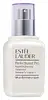
This brightening serum is formulated around Ascorbyl Glucoside and Acetyl Glucosamine to brighten dull-looking skin and fade the look of dark spots.
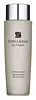
This hydrating essence is formulated around Acetyl Glucosamine and Camellia Sinensis Leaf Extract to hydrate skin and soften the look of wrinkles.

What's inside
What's inside
 Key Ingredients
Benefits
Concerns
Ingredients Side-by-side
Water
Skin ConditioningButylene Glycol
Humectant

Glycerin
Humectant
Glycereth-26
Humectant
Isononyl Isononanoate
EmollientDimethicone
Emollient
Propanediol
Solvent
Ascorbyl Glucoside
Antioxidant



Algae Extract
EmollientSucrose
Humectant
Acetyl Glucosamine
Skin Conditioning
Hydroxyethyl Urea
Humectant
Lens Esculenta Fruit Extract
Skin ConditioningCitrullus Lanatus Fruit Extract
Skin Conditioning
Pyrus Malus Fruit Extract
Skin Conditioning
Molasses Extract
Skin ConditioningMyrtus Communis Leaf Extract
Perfuming
Avena Sativa Kernel Extract
Abrasive

Triticum Vulgare Germ Extract
Skin ConditioningHordeum Vulgare Extract
EmollientCladosiphon Okamuranus Extract
Skin ConditioningSalicylic Acid
Masking









Hydrolyzed Prunus Domestica
Skin ConditioningCaffeine
Skin Conditioning
Sodium Lactate
Buffering
Dipotassium Glycyrrhizate
Humectant
Squalane
Emollient
Oryzanol
Skin ConditioningResveratrol
Antioxidant
Sodium Hyaluronate
Humectant
Sodium PCA
Humectant
Ethylhexylglycerin
Skin ConditioningBis-PEG-18 Methyl Ether Dimethyl Silane
EmollientTocopheryl Acetate
Antioxidant
PEG-75
HumectantOleth-3 Phosphate
SurfactantSorbitol
Humectant
Caprylyl Glycol
Emollient
Oleth-3
Emulsifying

Sodium Polyaspartate
HumectantOleth-5
Emulsifying
Acrylates/C10-30 Alkyl Acrylate Crosspolymer
Emulsion StabilisingPropylene Glycol Caprylate
Skin ConditioningDextrin
AbsorbentFaex Extract
Skin ConditioningCholeth-24
EmulsifyingCarbomer
Emulsion StabilisingSodium Hydroxide
BufferingCeteth-24
CleansingXanthan Gum
EmulsifyingParfum
Masking
Glyceryl Acrylate/Acrylic Acid Copolymer
HumectantCitric Acid
Buffering
Sodium Citrate
BufferingDisodium EDTA
BHT
Antioxidant
Potassium Sorbate
Preservative
Sodium Benzoate
Masking
Phenoxyethanol
Preservative
Water, Butylene Glycol, Glycerin, Glycereth-26, Isononyl Isononanoate, Dimethicone, Propanediol, Ascorbyl Glucoside, Algae Extract, Sucrose, Acetyl Glucosamine, Hydroxyethyl Urea, Lens Esculenta Fruit Extract, Citrullus Lanatus Fruit Extract, Pyrus Malus Fruit Extract, Molasses Extract, Myrtus Communis Leaf Extract, Avena Sativa Kernel Extract, Triticum Vulgare Germ Extract, Hordeum Vulgare Extract, Cladosiphon Okamuranus Extract, Salicylic Acid, Hydrolyzed Prunus Domestica, Caffeine, Sodium Lactate, Dipotassium Glycyrrhizate, Squalane, Oryzanol, Resveratrol, Sodium Hyaluronate, Sodium PCA, Ethylhexylglycerin, Bis-PEG-18 Methyl Ether Dimethyl Silane, Tocopheryl Acetate, PEG-75, Oleth-3 Phosphate, Sorbitol, Caprylyl Glycol, Oleth-3, Sodium Polyaspartate, Oleth-5, Acrylates/C10-30 Alkyl Acrylate Crosspolymer, Propylene Glycol Caprylate, Dextrin, Faex Extract, Choleth-24, Carbomer, Sodium Hydroxide, Ceteth-24, Xanthan Gum, Parfum, Glyceryl Acrylate/Acrylic Acid Copolymer, Citric Acid, Sodium Citrate, Disodium EDTA, BHT, Potassium Sorbate, Sodium Benzoate, Phenoxyethanol
Water
Skin ConditioningPolysorbate 20
Emulsifying
Acetyl Glucosamine
Skin Conditioning
Faex Extract
Skin ConditioningCamellia Sinensis Leaf Extract
Antimicrobial
Adenosine Phosphate
Skin ConditioningHordeum Vulgare Extract
EmollientPantethine
EmollientTriticum Vulgare Germ Extract
Skin ConditioningCholesterol
Emollient
Squalane
Emollient
Linoleic Acid
Cleansing
Sodium Hyaluronate
Humectant
Glycerin
Humectant
Hydrolyzed Wheat Protein
Skin ConditioningGold
Cosmetic ColorantCaprylyl Glycol
Emollient
Acrylates/C10-30 Alkyl Acrylate Crosspolymer
Emulsion StabilisingSilica
Abrasive
Tromethamine
BufferingPolymethylsilsesquioxane
Hexylene Glycol
EmulsifyingParfum
Masking
Disodium EDTA
Phenoxyethanol
Preservative
Caramel
Cosmetic ColorantCI 77891
Cosmetic ColorantMica
Cosmetic ColorantCI 17200
Cosmetic ColorantWater, Polysorbate 20, Acetyl Glucosamine, Faex Extract, Camellia Sinensis Leaf Extract, Adenosine Phosphate, Hordeum Vulgare Extract, Pantethine, Triticum Vulgare Germ Extract, Cholesterol, Squalane, Linoleic Acid, Sodium Hyaluronate, Glycerin, Hydrolyzed Wheat Protein, Gold, Caprylyl Glycol, Acrylates/C10-30 Alkyl Acrylate Crosspolymer, Silica, Tromethamine, Polymethylsilsesquioxane, Hexylene Glycol, Parfum, Disodium EDTA, Phenoxyethanol, Caramel, CI 77891, Mica, CI 17200
Ingredients Explained
These ingredients are found in both products.
Ingredients higher up in an ingredient list are typically present in a larger amount.
Acetyl Glucosamine is an antioxidant and humectant. It is an amino acid sugar and is naturally found in our skin.
The cool thing about this ingredient? It helps the skin produce hyaluronic acid and boost hydration. It also has antioxidant benefits to protect skin cells.
When paired with niacinamide, Acetyl Glucosamine has been shown to be effective at reducing discoloration.
Learn more about Acetyl GlucosamineAcrylates/C10-30 Alkyl Acrylate Crosspolymer is a synthetic polymer. It is used to thicken, emulsify, and improve the texture of products.
As an emulsifier, it helps stabilize oil-in-water emulsions to give products an elegant feel when applied.
It can also form a thin protective film on skin. One study found that a formula using this polymer helped slow down how quickly other ingredients (like DEET) were absorbed through skin.
A 2024 study of over 1,300 patients confirmed that sensitization to this ingredient is rare. It is also non-mutagenic and has a clean track record.
Learn more about Acrylates/C10-30 Alkyl Acrylate CrosspolymerCaprylyl Glycol is a humectant, skin conditioner, emollient, and preservative booster derived from either caprylic acid or synthetically created.
Typical use levels vary from 0.3-1% as a preservative booster and go up to 2% to condition skin.
Because it is not a free-fatty acid, this ingredient is fungal acne safe (there's nothing for Malassezia to feed on).
Learn more about Caprylyl GlycolDisodium EDTA is a chelating agent. It grabs onto and deactivates metal ions that sneak into your products from water, packaging, or air.
This ingredient mainly works behind the scenes and helps with:
On top of that, this ingredient can counteract the effects of hard water by binding to the minerals in it.
One thing worth knowing is that Disodium EDTA has been shown to be a mild penetration enhancer. It can help other ingredients absorb into skin more effectively which can be a double-edged sword (great for actives, but can also make the active too strong if you have sensitive skin).
Clinical patch testing showed no significant skin irritation at typical use concentrations and minimal dermal absorption.
You'll most likely see this ingredient near the end of an ingredient list. It's typically found in concentrations less than 1%.
Learn more about Disodium EDTAWe don't have a description for Faex Extract yet.
Glycerin (or glycerol) is a compound naturally found in your skin. It's a powerhouse humectant that pulls water into the stratum corneum.
Topically, glycerin does several things at once:
Your skin makes glycerin on its own (mostly from sebaceous oil breakdown) and shuttles it to your outermost layer of skin, or your epidermis, via aquaporin-3.
Aquaporin-3 is a transporter that is essential for normal skin hydration, elasticity, and repair. Interestingly, mice lacking in AQP3 have dry and less elastic skin that can be fully corrected with glycerin.
This ingredient is non-irritating, plays well with almost every ingredient, and works across all skin types. Typical use is anywhere between 3-10% but can go up to 79% in some leave-on products.
Just know very high concentrations (>40%) can feel tacky in low humidity.
Glycerin is the name for this ingredient in American English. British English uses Glycerol/Glycerine.
Learn more about GlycerinHordeum Vulgare Extract is an extract of barley, the same grain used in beer and bread.
In skincare, it is a skin conditioning and hydrating agent. This ingredient contains polyphenols, vitamin E, and trace minerals like zinc, copper, and selenium that help neutralize free radicals behind oxidative skin stress.
Lab studies on human skin cells show it can support the skin barrier, boost cell survival, and speed repair after UV exposure.
The Cosmetic Ingredient Review Expert Panel has reviewed 16 barley-derived ingredients and concluded they're safe as used with the highest reported use concentration being 1.5% (in leave-on body/hand products).
Patch testing has also found it not to be a skin irritant or sensitizer at cosmetic levels.
However, barley is a recognized food allergen so people with a known barley/grain allergy should approach it cautiously.
Note: This ingredient is not gluten-free for those avoiding gluten for skin-contact reasons.
Learn more about Hordeum Vulgare ExtractParfum is a catch-all term for an ingredient or more that is used to give a scent to products.
Also called "fragrance", this ingredient can be a blend of hundreds of chemicals or plant oils. This means every product with "fragrance" or "parfum" in the ingredients list is a different mixture.
For instance, Habanolide is a proprietary trade name for a specific aroma chemical. When used as a fragrance ingredient in cosmetics, most aroma chemicals fall under the broad labeling category of “FRAGRANCE” or “PARFUM” according to EU and US regulations.
The term 'parfum' or 'fragrance' is not regulated in many countries. In many cases, it is up to the brand to define this term.
For instance, many brands choose to label themselves as "fragrance-free" because they are not using synthetic fragrances. However, their products may still contain ingredients such as essential oils that are considered a fragrance by INCI standards.
One example is Calendula flower extract. Calendula is an essential oil that still imparts a scent or 'fragrance'.
Depending on the blend, the ingredients in the mixture can cause allergies and sensitivities on the skin. Some ingredients that are known EU allergens include linalool and citronellol.
Parfum can also be used to mask or cover an unpleasant scent.
The bottom line is: not all fragrances/parfum/ingredients are created equally. If you are worried about fragrances, we recommend taking a closer look at an ingredient. And of course, we always recommend speaking with a professional.
Learn more about ParfumPhenoxyethanol is one of the most widely used preservatives in skincare (and for good reason!).
It has a large spectrum of antimicrobial activity and especially effective bacteria, yeast, and mold while only having a weak effect on your skin's natural microbiome.
On a cellular level, it disrupts the cell membranes of microbes by poking holes that make the cell leak. This shuts down the chemical reactions the microbe needs to make energy so it can no longer survive.
Another perk of this ingredient is that it stays functional across a wide pH range (3-10).
You'll often see it paired with boosters like Ethylhexylglycerin; one study showed that a 1:9 ratio of Ethylhexylglycerin to Phenoxyethanol damages bacterial membranes as effectively as doubling the Phenoxyethanol concentration on its own.
Typical use concentrations range from 0.3-1% depending on the formula, and this ingredient is capped at 1% int the EU.
Safety-wise, the fear mongering does not hold up to the evidence. The EU's Scientific Committee on Consumer Safety and FDA consider it safe as a preservative at up to 1%, including for children of all ages.
Adverse systemic effects only showed up in animal studies at exposures roughly 200x higher than what people get from cosmetics. And despite its very widespread use, this ingredient is a rare sensitizer and allergic reactions are uncommon.
Learn more about PhenoxyethanolSodium Hyaluronate is the salt form of hyaluronic acid. It is a long sugar chain that is naturally found in your skin, joints, and connective tissue that maintains hydration and elasticity.
In skincare, it works as a humectant. It pulls water from the environment and deeper layers of skin and binds it to the surface.
Interestingly, the size of the molecule affects its behavior:
Some clinical evidence links low molecular weight versions to improved wrinkle depth, elasticity, anti-inflammatory effects, and barrier repair.
Many serums use a blend of both weights so you can get surface hydration plus longer-lasting and deeper effects.
You'll typically see concentrations between 0.1-2% for this ingredient.
Learn more about Sodium HyaluronateSqualane is the hydrogenated and shelf-stable form of squalene (a lipid that naturally occurs in human sebum).
It is an emollient and skin conditioning agent that is able to integrate seamlessly into the skin's lipid barrier without clogging pores.
This is due to how structurally similar it is to what your skin already produces.
Though it is mostly an emollient that helps soften and hydrate skin, it also has some humectant and occlusive action. Humectants help the skin retain moisture while occlusives seal it in, making squalane a triple-threat moisturizer.
Research shows it has antioxidant capabilities that help protect against stressors like UV exposure, specifically UVA induced oxidative stress. This study also found that it supports collagen biosynthesis in human dermal fibroblasts.
No clinical study has reported significant adverse effects and irritation reactions are very rare from this ingredient (even at 100% concentration).
Overall, it's a fantastic ingredient for hydration and is suitable for all skin types.
This depends on the source. Squalane can be derived from both plants and animals. Most squalane used in skincare comes from plants.
Please note: the source of squalane is only known if disclosed by the brand. We recommend reaching out to the brand if you have any questions about their squalane.
Read more about squalene with an "e".
Though squalane is often called an oil, it’s technically not one. It is a hydrocarbon, meaning it is only made of carbon and hydrogen. True oils are triglycerides and made of fatty acids and glycerol.
The term “oil-free” isn’t regulated so companies can define it however they want. Some exclude all oils, while others just avoid mineral oil or comedogenic oils.
Squalane has a comedogenic rating of 1 from the original 1972 study that tested raw ingredients under occlusion on rabbit ears. This system is not standardized or peer-reviewed, and using the raw ingredients is very different from how diluted cosmetic formulations are used on human skin.
A comedogenic rating of 1 means it is "unlikely to clog pores" according to the original rating system.
The overall formula of a product matters more than the individual ingredients on whether or not it will cause clogged pores.
Learn more about SqualaneThis ingredient is extracted from the germ part of the wheat plant. The germ of a plant refers to the seed embryo, or part that sprouts into a new plant.
Some studies have found wheat germ to help with wound healing.
Water. It's the most common cosmetic ingredient of all. You'll usually see it at the top of ingredient lists, meaning that it makes up the largest part of the product.
So why is it so popular? Water most often acts as a solvent - this means that it helps dissolve other ingredients into the formulation.
You'll also recognize water as that liquid we all need to stay alive. If you see this, drink a glass of water. Remember to stay hydrated!
Learn more about Water

