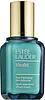
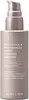
Estée Lauder Idealist Pore Minimizing Skin Refinisher Versus Allies of Skin Prebiotics & Niacinamide Pore Refining Booster
This pore-care serum is formulated around Acetyl Glucosamine and Serenoa Serrulata Fruit Extract to refine the look of pores.
This pore-care serum is formulated around Niacinamide and Alpha-Glucan Oligosaccharide to refine the look of pores and strengthen the skin barrier.

What's inside
What's inside
 Key Ingredients
Benefits
Concerns
Ingredients Side-by-side
Water
Skin ConditioningCyclopentasiloxane
Emollient
Dimethicone
Emollient
Polysilicone-11

Acetyl Glucosamine
Skin Conditioning


Sodium Lactate
Buffering
Morus Nigra Root Extract
Skin ConditioningFaex Extract
Skin ConditioningSerenoa Serrulata Fruit Extract
Skin Conditioning
Triticum Vulgare Germ Extract
Skin ConditioningVitis Vinifera Fruit Extract
Skin ConditioningScutellaria Baicalensis Extract
AntimicrobialCastanea Sativa Seed Extract
Skin ConditioningCamellia Sinensis Leaf Extract
Antimicrobial



Hordeum Vulgare Extract
EmollientLavandula Angustifolia Oil
Masking




Amorphophallus Konjac Root Powder
Abrasive
Caffeine
Skin Conditioning
Laminaria Saccharina Extract
Skin Protecting

Tocopheryl Acetate
Antioxidant
Salvia Sclarea Extract
AntiseborrhoeicSodium Hyaluronate
Humectant

Coriandrum Sativum Oil
Masking
Citrus Grandis
Cholesterol
Emollient
Glycerin
Humectant
Ethylhexylglycerin
Skin ConditioningSqualane
Emollient
Polyethylene
Abrasive
Isopentyldiol
Humectant
Phenyl Trimethicone
Skin Conditioning
Isohexadecane
EmollientPolysorbate 20
Emulsifying

Pantethine
EmollientMethyldihydrojasmonate
MaskingAcrylamide/Sodium Acryloyldimethyltaurate Copolymer
Emulsion StabilisingAmmonium Acryloyldimethyltaurate/Vp Copolymer
Polysorbate 80
Emulsifying
PEG-8
HumectantEthyl 2,2-Dimethylhydrocinnamal
Masking
Phospholipids
Skin Conditioning
Palmitoyl Oligopeptide
Cleansing
Butylene Glycol
Humectant
Magnesium Ascorbyl Phosphate
Antioxidant

Glyceryl Polymethacrylate
Sodium Glycinate
Skin ConditioningNordihydroguaiaretic Acid
Antioxidant
Chlorphenesin
Antimicrobial
Phenoxyethanol
Preservative
Limonene
Perfuming
Linalool
Perfuming
CI 77491
Cosmetic ColorantCI 77492
Cosmetic ColorantCI 77499
Cosmetic ColorantMica
Cosmetic ColorantCI 77891
Cosmetic ColorantWater, Cyclopentasiloxane, Dimethicone, Polysilicone-11, Acetyl Glucosamine, Sodium Lactate, Morus Nigra Root Extract, Faex Extract, Serenoa Serrulata Fruit Extract, Triticum Vulgare Germ Extract, Vitis Vinifera Fruit Extract, Scutellaria Baicalensis Extract, Castanea Sativa Seed Extract, Camellia Sinensis Leaf Extract, Hordeum Vulgare Extract, Lavandula Angustifolia Oil, Amorphophallus Konjac Root Powder, Caffeine, Laminaria Saccharina Extract, Tocopheryl Acetate, Salvia Sclarea Extract, Sodium Hyaluronate, Coriandrum Sativum Oil, Citrus Grandis, Cholesterol, Glycerin, Ethylhexylglycerin, Squalane, Polyethylene, Isopentyldiol, Phenyl Trimethicone, Isohexadecane, Polysorbate 20, Pantethine, Methyldihydrojasmonate, Acrylamide/Sodium Acryloyldimethyltaurate Copolymer, Ammonium Acryloyldimethyltaurate/Vp Copolymer, Polysorbate 80, PEG-8, Ethyl 2,2-Dimethylhydrocinnamal, Phospholipids, Palmitoyl Oligopeptide, Butylene Glycol, Magnesium Ascorbyl Phosphate, Glyceryl Polymethacrylate, Sodium Glycinate, Nordihydroguaiaretic Acid, Chlorphenesin, Phenoxyethanol, Limonene, Linalool, CI 77491, CI 77492, CI 77499, Mica, CI 77891
Water
Skin ConditioningNiacinamide
Smoothing

Glycerin
Humectant
Dimethyl Isosorbide
SolventAlpha-Glucan Oligosaccharide
Cleansing
Centella Asiatica Leaf Extract
Skin Conditioning
Glycyrrhiza Glabra Root Extract
Bleaching
Punica Granatum Extract
AstringentLycium Barbarum Fruit Extract
Astringent
Lactobacillus
Skin ConditioningPolymnia Sonchifolia Root Juice
Skin ConditioningBisabolol
Antioxidant
Silver
Cosmetic ColorantSodium Hyaluronate Crosspolymer-3
HumectantLysophosphatidic Acid
Skin Conditioning
Lysolecithin
EmulsifyingLecithin
Emollient
Laminaria Digitata Extract
Skin Protecting
Disodium Adenosine Triphosphate
Skin ConditioningPichia/Resveratrol Ferment Extract
Skin ConditioningSodium Hyaluronate
Humectant
Ribose
HumectantUbiquinone
Antioxidant
Chlorella Vulgaris Extract
Skin ConditioningSaccharide Isomerate
Humectant
Camellia Oleifera Leaf Extract
AstringentAstaxanthin
Skin Conditioning
Ergothioneine
Antioxidant
Glutathione
Tocopheryl Acetate
Antioxidant
Sea Water
HumectantCaprylic/Capric Triglyceride
Masking
Maltodextrin
Absorbent
Ethylhexylglycerin
Skin ConditioningXanthan Gum
EmulsifyingCitric Acid
Buffering
Polysorbate 20
Emulsifying
O-Cymen-5-Ol
Antimicrobial
Sodium Gluconate
ChelatingSodium Hydroxide
BufferingPhenoxyethanol
Preservative
Water, Niacinamide, Glycerin, Dimethyl Isosorbide, Alpha-Glucan Oligosaccharide, Centella Asiatica Leaf Extract, Glycyrrhiza Glabra Root Extract, Punica Granatum Extract, Lycium Barbarum Fruit Extract, Lactobacillus, Polymnia Sonchifolia Root Juice, Bisabolol, Silver, Sodium Hyaluronate Crosspolymer-3, Lysophosphatidic Acid, Lysolecithin, Lecithin, Laminaria Digitata Extract, Disodium Adenosine Triphosphate, Pichia/Resveratrol Ferment Extract, Sodium Hyaluronate, Ribose, Ubiquinone, Chlorella Vulgaris Extract, Saccharide Isomerate, Camellia Oleifera Leaf Extract, Astaxanthin, Ergothioneine, Glutathione, Tocopheryl Acetate, Sea Water, Caprylic/Capric Triglyceride, Maltodextrin, Ethylhexylglycerin, Xanthan Gum, Citric Acid, Polysorbate 20, O-Cymen-5-Ol, Sodium Gluconate, Sodium Hydroxide, Phenoxyethanol
Reviews
Ingredients Explained
These ingredients are found in both products.
Ingredients higher up in an ingredient list are typically present in a larger amount.
Ethylhexylglycerin is created from glycerin. It is a multitasker ingredient that:
The CIR Expert Panel found minimal skin absorption or sensitization of any kind in a safety assessment. Though this ingredient is considered well-tolerated, a small number of cases of allergic dermatitis have been published since 2002. Just be sure to patch test if you are unsure.
Industry-reported use ranges from 8% in rinse-off products and 2% in leave-on formulations.
Learn more about EthylhexylglycerinGlycerin (or glycerol) is a compound naturally found in your skin. It's a powerhouse humectant that pulls water into the stratum corneum.
Topically, glycerin does several things at once:
Your skin makes glycerin on its own (mostly from sebaceous oil breakdown) and shuttles it to your outermost layer of skin, or your epidermis, via aquaporin-3.
Aquaporin-3 is a transporter that is essential for normal skin hydration, elasticity, and repair. Interestingly, mice lacking in AQP3 have dry and less elastic skin that can be fully corrected with glycerin.
This ingredient is non-irritating, plays well with almost every ingredient, and works across all skin types. Typical use is anywhere between 3-10% but can go up to 79% in some leave-on products.
Just know very high concentrations (>40%) can feel tacky in low humidity.
Glycerin is the name for this ingredient in American English. British English uses Glycerol/Glycerine.
Learn more about GlycerinPhenoxyethanol is one of the most widely used preservatives in skincare (and for good reason!).
It has a large spectrum of antimicrobial activity and especially effective bacteria, yeast, and mold while only having a weak effect on your skin's natural microbiome.
On a cellular level, it disrupts the cell membranes of microbes by poking holes that make the cell leak. This shuts down the chemical reactions the microbe needs to make energy so it can no longer survive.
Another perk of this ingredient is that it stays functional across a wide pH range (3-10).
You'll often see it paired with boosters like Ethylhexylglycerin; one study showed that a 1:9 ratio of Ethylhexylglycerin to Phenoxyethanol damages bacterial membranes as effectively as doubling the Phenoxyethanol concentration on its own.
Typical use concentrations range from 0.3-1% depending on the formula, and this ingredient is capped at 1% int the EU.
Safety-wise, the fear mongering does not hold up to the evidence. The EU's Scientific Committee on Consumer Safety and FDA consider it safe as a preservative at up to 1%, including for children of all ages.
Adverse systemic effects only showed up in animal studies at exposures roughly 200x higher than what people get from cosmetics. And despite its very widespread use, this ingredient is a rare sensitizer and allergic reactions are uncommon.
Learn more about PhenoxyethanolPolysorbate 20 is a gentle, water-soluble emulsifier and mild surfactant. It stops oil and water from separating to keep your formulas blended and stable.
It also acts as a mild penetration enhancer by helping active ingredients absorb slightly better.
The common safety discussion around this ingredient involves a manufacturing byproduct called 1,4-dioxane.
Trace amounts can form during production but the EU's Scientific Committee on Consumer Safety has concluded that levels at/below 10 ppm in finished products are safe (commercial products consistently fall within acceptable margins).
True allergic reactions are uncommon and the CIR Expert Panel has confirmed this ingredient to be safe as used in cosmetics.
Because it is derived from lauric acid, it may not be fungal acne safe.
Learn more about Polysorbate 20Sodium Hyaluronate is the salt form of hyaluronic acid. It is a long sugar chain that is naturally found in your skin, joints, and connective tissue that maintains hydration and elasticity.
In skincare, it works as a humectant. It pulls water from the environment and deeper layers of skin and binds it to the surface.
Interestingly, the size of the molecule affects its behavior:
Some clinical evidence links low molecular weight versions to improved wrinkle depth, elasticity, anti-inflammatory effects, and barrier repair.
Many serums use a blend of both weights so you can get surface hydration plus longer-lasting and deeper effects.
You'll typically see concentrations between 0.1-2% for this ingredient.
Learn more about Sodium HyaluronateTocopheryl Acetate is a stable, shelf-friendly form of vitamin E.
Formulators love it because plain vitamin E oxidizes quickly once it hits air. This acetate version stays stable and resists going off, helping to extend a product's shelf life.
It's actually inactive on its own and works like a slow-release "storage" form; the enzymes in your skin called esterases gradually convert it into active vitamin E over time.
One in vivo study showed 5% of the acetate in the living layer of the epidermis converted to vitamin E after 5 days of application. This study also found the skin gained protection against UV damage even though the conversion was slow and small.
Once converted, vitamin E acts as a skin's main fat-soluble antioxidant that fights free radicals to protect skin from damage.
Topical vitamin E generally boosts the skin's photoprotection, and it reduced UV-damage in animal models.
This ingredient has some brightening potential but it's more of a prevention ingredient than spot-fader. Cell studies show it can slow down melanin production but it's worth noting that it's not the most powerful brightener out there.
Overall, it has a pretty solid safety profile and has been found to be non-irritating and non-comedogenic. Allergic reactions may happen but stay rare due to how widely the ingredient gets used.
The concentration will vary depending on the formula; industry data shows 0.1% in baby lotions, 3% in lipsticks, and 5% in foot powders. You can also find this ingredient at 100% in a pure vitamin E oil.
Most leave-on skincare keeps it at the lower end, often between 0.5-1%.
Learn more about Tocopheryl AcetateWater. It's the most common cosmetic ingredient of all. You'll usually see it at the top of ingredient lists, meaning that it makes up the largest part of the product.
So why is it so popular? Water most often acts as a solvent - this means that it helps dissolve other ingredients into the formulation.
You'll also recognize water as that liquid we all need to stay alive. If you see this, drink a glass of water. Remember to stay hydrated!
Learn more about Water

