Allies of Skin Prebiotics & Niacinamide Pore Refining Booster Versus Sunday Riley Good Genes All-In-One Lactic Acid Treatment
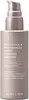
This pore-care serum is formulated around Niacinamide and Alpha-Glucan Oligosaccharide to refine the look of pores and strengthen the skin barrier.
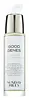
This smoothing treatment is formulated around Squalane and Lactic Acid to refine skin texture and brighten dull-looking skin.

What's inside
What's inside
 Key Ingredients
No key ingredients
Benefits
Concerns
Ingredients Side-by-side
Water
Skin ConditioningNiacinamide
Smoothing











Glycerin
Humectant
Dimethyl Isosorbide
SolventAlpha-Glucan Oligosaccharide
Cleansing
Centella Asiatica Leaf Extract
Skin Conditioning
Glycyrrhiza Glabra Root Extract
Bleaching
Punica Granatum Extract
AstringentLycium Barbarum Fruit Extract
Astringent
Lactobacillus
Skin ConditioningPolymnia Sonchifolia Root Juice
Skin ConditioningBisabolol
Antioxidant
Silver
Cosmetic ColorantSodium Hyaluronate Crosspolymer-3
HumectantLysophosphatidic Acid
Skin Conditioning

Lysolecithin
EmulsifyingLecithin
Emollient
Laminaria Digitata Extract
Skin Protecting

Disodium Adenosine Triphosphate
Skin ConditioningPichia/Resveratrol Ferment Extract
Skin ConditioningSodium Hyaluronate
Humectant
Ribose
HumectantUbiquinone
Antioxidant
Chlorella Vulgaris Extract
Skin ConditioningSaccharide Isomerate
Humectant
Camellia Oleifera Leaf Extract
AstringentAstaxanthin
Skin Conditioning
Ergothioneine
Antioxidant
Glutathione
Tocopheryl Acetate
Antioxidant
Sea Water
HumectantCaprylic/Capric Triglyceride
Masking
Maltodextrin
Absorbent
Ethylhexylglycerin
Skin ConditioningXanthan Gum
EmulsifyingCitric Acid
Buffering
Polysorbate 20
Emulsifying
O-Cymen-5-Ol
Antimicrobial
Sodium Gluconate
ChelatingSodium Hydroxide
BufferingPhenoxyethanol
Preservative
Water, Niacinamide, Glycerin, Dimethyl Isosorbide, Alpha-Glucan Oligosaccharide, Centella Asiatica Leaf Extract, Glycyrrhiza Glabra Root Extract, Punica Granatum Extract, Lycium Barbarum Fruit Extract, Lactobacillus, Polymnia Sonchifolia Root Juice, Bisabolol, Silver, Sodium Hyaluronate Crosspolymer-3, Lysophosphatidic Acid, Lysolecithin, Lecithin, Laminaria Digitata Extract, Disodium Adenosine Triphosphate, Pichia/Resveratrol Ferment Extract, Sodium Hyaluronate, Ribose, Ubiquinone, Chlorella Vulgaris Extract, Saccharide Isomerate, Camellia Oleifera Leaf Extract, Astaxanthin, Ergothioneine, Glutathione, Tocopheryl Acetate, Sea Water, Caprylic/Capric Triglyceride, Maltodextrin, Ethylhexylglycerin, Xanthan Gum, Citric Acid, Polysorbate 20, O-Cymen-5-Ol, Sodium Gluconate, Sodium Hydroxide, Phenoxyethanol
Water
Skin ConditioningOpuntia Tuna Fruit Extract
Skin ConditioningCypripedium Pubescens Extract
Skin ConditioningOpuntia Vulgaris Leaf Extract
Skin ConditioningAgave Tequilana Leaf Extract
AstringentArnica Montana Flower Extract
Masking
Aloe Barbadensis Leaf Extract
Emollient
Saccharomyces Cerevisiae Extract
Skin Conditioning
Leuconostoc/Radish Root Ferment Filtrate
Antimicrobial
Caprylic/Capric Triglyceride
Masking
Squalane
Emollient
Lactic Acid
Buffering
PPG-12/Smdi Copolymer
EmollientPropanediol
Solvent
Butylene Glycol
Humectant
Stearic Acid
Cleansing
Dimethicone
Emollient
Cetearyl Alcohol
Emollient
Phenyl Trimethicone
Skin Conditioning
Disiloxane
Skin Conditioning
Ceteareth-20
Cleansing
Glyceryl Stearate
Emollient
PEG-100 Stearate
Surfactant
Stearyl Glycyrrhetinate
Skin ConditioningGlycyrrhiza Glabra Root Extract
Bleaching
Cymbopogon Schoenanthus Oil
Masking

Potassium Hydroxide
BufferingPhenoxyethanol
Preservative
Xanthan Gum
EmulsifyingCaprylyl Glycol
Emollient
Chlorphenesin
Antimicrobial
Sodium Phytate
ChelatingWater, Opuntia Tuna Fruit Extract, Cypripedium Pubescens Extract, Opuntia Vulgaris Leaf Extract, Agave Tequilana Leaf Extract, Arnica Montana Flower Extract, Aloe Barbadensis Leaf Extract, Saccharomyces Cerevisiae Extract, Leuconostoc/Radish Root Ferment Filtrate, Caprylic/Capric Triglyceride, Squalane, Lactic Acid, PPG-12/Smdi Copolymer, Propanediol, Butylene Glycol, Stearic Acid, Dimethicone, Cetearyl Alcohol, Phenyl Trimethicone, Disiloxane, Ceteareth-20, Glyceryl Stearate, PEG-100 Stearate, Stearyl Glycyrrhetinate, Glycyrrhiza Glabra Root Extract, Cymbopogon Schoenanthus Oil, Potassium Hydroxide, Phenoxyethanol, Xanthan Gum, Caprylyl Glycol, Chlorphenesin, Sodium Phytate
Reviews
Ingredients Explained
These ingredients are found in both products.
Ingredients higher up in an ingredient list are typically present in a larger amount.
Caprylic/Capric Triglyceride (aka MCT Oil) is a lightweight emollient, solvent, and texture enhancer. It is considered a skin-softener by helping to prevent moisture loss.
Though it behaves like an oil, it is not technically one due to its chemical composition. One perk of this ingredient is that it is very stable, resistant to oxidation, and unlikely to go rancid.
In practice, that translates to a long shelf life and a consistently elegant skin feel.
While there is an assumption Caprylic Triglyceride can clog pores due to it being derived from coconut oil, there is no research supporting this. Just patch test if you have concerns.
Fractionated coconut oil and MCT Oil are both listed as Caprylic/Capric Triglyceride according to INCI. This is because INCI names are based on the ingredient’s final chemical composition and not its marketing name or source.
This ingredient is treated as the gold standard fungal acne safe oil. Even though it is coconut derived, the problematic lauric acid is stripped out.
This leaves just caprylic (C8) and capric (C10) acid. These chain lengths actually trend antifungal; a 2020 study found caprylic acid was enough to disrupt Malassezia furfur cell membrane, with a caprylic acid derivative damaging membrane structures at concentrations as low as 0.2%.
Learn more about Caprylic/Capric TriglycerideGlycyrrhiza Glabra Root Extract is an extract of the roots of Licorice. It has been found to have several benefits such as skin hydrating, conditioning, and soothing.
One component, glabridin, has extra potent antioxidant and soothing properties. It has also been found to block pigmentation from UVB rays in guinea pigs.
Licorice Root also contains a flavonoid. Flavonoids are a natural substance from in plants. Flavonoids also have antioxidant properties.
Another component, glycyrrhizin, has been found to have anti-inflammatory and antimicrobial benefits. This may make licorice root extract effective at treating acne. However, more research is needed to support this.
Liquiritin is one of the flavone compounds found in licorice. It has been found to help lighten skin by preventing tyrosinase from reacting with tyrosine. When the two react, protein is converted to melanin. Melanin is the substance in your body that gives your features pigmentation.
Learn more about Glycyrrhiza Glabra Root ExtractPhenoxyethanol is one of the most widely used preservatives in skincare (and for good reason!).
It has a large spectrum of antimicrobial activity and especially effective bacteria, yeast, and mold while only having a weak effect on your skin's natural microbiome.
On a cellular level, it disrupts the cell membranes of microbes by poking holes that make the cell leak. This shuts down the chemical reactions the microbe needs to make energy so it can no longer survive.
Another perk of this ingredient is that it stays functional across a wide pH range (3-10).
You'll often see it paired with boosters like Ethylhexylglycerin; one study showed that a 1:9 ratio of Ethylhexylglycerin to Phenoxyethanol damages bacterial membranes as effectively as doubling the Phenoxyethanol concentration on its own.
Typical use concentrations range from 0.3-1% depending on the formula, and this ingredient is capped at 1% int the EU.
Safety-wise, the fear mongering does not hold up to the evidence. The EU's Scientific Committee on Consumer Safety and FDA consider it safe as a preservative at up to 1%, including for children of all ages.
Adverse systemic effects only showed up in animal studies at exposures roughly 200x higher than what people get from cosmetics. And despite its very widespread use, this ingredient is a rare sensitizer and allergic reactions are uncommon.
Learn more about PhenoxyethanolWater. It's the most common cosmetic ingredient of all. You'll usually see it at the top of ingredient lists, meaning that it makes up the largest part of the product.
So why is it so popular? Water most often acts as a solvent - this means that it helps dissolve other ingredients into the formulation.
You'll also recognize water as that liquid we all need to stay alive. If you see this, drink a glass of water. Remember to stay hydrated!
Learn more about WaterXanthan gum is used as a stabilizer and thickener within cosmetic products. It helps give products a sticky, thick feeling - preventing them from being too runny.
On the technical side of things, xanthan gum is a polysaccharide - a combination consisting of multiple sugar molecules bonded together.
Xanthan gum is a pretty common and great ingredient. It is a natural, non-toxic, non-irritating ingredient that is also commonly used in food products.
Learn more about Xanthan Gum

