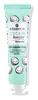
This barrier-repair lip moisturizer is formulated around Cocos Nucifera Oil and Butyrospermum Parkii Butter to strengthen the lip barrier and hydrate lips.
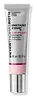
This anti-aging lip moisturizer is formulated around Squalane and Palmitoyl Tripeptide-1 to soften the look of wrinkles and hydrate lips.


What's inside
What's inside
 Key Ingredients
Benefits
Concerns
Ingredients Side-by-side
Octyldodecanol
Emollient
Hydrogenated Polyisobutene
EmollientTriethylhexanoin
MaskingCocos Nucifera Oil
Masking








Polyisobutene
Caprylic/Capric Triglyceride
Masking
Hydrogenated Polydecene
EmollientCera Microcristallina
Emulsion StabilisingSilica Dimethyl Silylate
EmollientButyrospermum Parkii Butter
Skin Conditioning
Tocopheryl Acetate
Antioxidant


Sodium Hyaluronate
Humectant


Ethylene/Propylene/Styrene Copolymer
Caprylyl Glycol
Emollient
Ethylhexyl Palmitate
Emollient
Butylene/Ethylene/Styrene Copolymer
Ricinus Communis Seed Oil
Masking
Glycerin
Humectant
Caprylhydroxamic Acid
ChelatingHydrogenated Castor Oil
Emollient
Pentaerythrityl Tetra-Di-T-Butyl Hydroxyhydrocinnamate
Antioxidant
Alumina
Abrasive
Citric Acid
Buffering
Parfum
Masking

CI 77891
Cosmetic ColorantOctyldodecanol, Hydrogenated Polyisobutene, Triethylhexanoin, Cocos Nucifera Oil, Polyisobutene, Caprylic/Capric Triglyceride, Hydrogenated Polydecene, Cera Microcristallina, Silica Dimethyl Silylate, Butyrospermum Parkii Butter, Tocopheryl Acetate, Sodium Hyaluronate, Ethylene/Propylene/Styrene Copolymer, Caprylyl Glycol, Ethylhexyl Palmitate, Butylene/Ethylene/Styrene Copolymer, Ricinus Communis Seed Oil, Glycerin, Caprylhydroxamic Acid, Hydrogenated Castor Oil, Pentaerythrityl Tetra-Di-T-Butyl Hydroxyhydrocinnamate, Alumina, Citric Acid, Parfum, CI 77891
Polyisobutene
Squalane
Emollient
C12-15 Alkyl Benzoate
AntimicrobialHydrogenated Polydecene
EmollientOctyldodecanol
Emollient
Helianthus Annuus Seed Wax
Skin Conditioning
Simmondsia Chinensis Seed Oil
Emollient
Vinyl Dimethicone/Lauryl Dimethicone Crosspolymer
Surfactant
Theobroma Cacao Seed Butter
Emollient
Tribehenin
Emollient
Ethylhexyl Palmitate
Emollient
Cocos Nucifera Oil
Masking
Silica
Abrasive

Caprylic/Capric Triglyceride
Masking
Prunus Amygdalus Dulcis Oil
Skin Conditioning
Punica Granatum Seed Oil
Emollient
Butyrospermum Parkii Butter
Skin Conditioning
Dipalmitoyl Hydroxyproline
Skin Conditioning
Palmitoyl Tripeptide-1
Skin Conditioning

Sesamum Indicum Seed Extract
Skin Conditioning
Glucomannan
Skin ConditioningDimethyl Isosorbide
SolventGlyceryl Caprylate
EmollientLinoleic Acid
Cleansing
Tocopheryl Acetate
Antioxidant
Palmitic Acid
Emollient
Mentha Piperita Oil
Masking


Tocopherol
Antioxidant
Sodium Hyaluronate
Humectant
Capsicum Frutescens Fruit Extract
Skin Conditioning
Linolenic Acid
Cleansing
Trihydroxystearin
Skin Conditioning
Sorbitan Isostearate
Emulsifying
Coco-Caprylate/Caprate
Emollient
Glyceryl Undecylenate
Emollient
Polyhydroxystearic Acid
Emulsifying
Polyglyceryl-6 Polyricinoleate
Emulsifying
Dilinoleic Acid/Butanediol Copolymer
Disodium Stearoyl Glutamate
CleansingWater
Skin ConditioningCastor Oil/Ipdi Copolymer
Mica
Cosmetic ColorantTin Oxide
Abrasive
Titanium Dioxide
Cosmetic Colorant

CI 77491
Cosmetic ColorantPolyisobutene, Squalane, C12-15 Alkyl Benzoate, Hydrogenated Polydecene, Octyldodecanol, Helianthus Annuus Seed Wax, Simmondsia Chinensis Seed Oil, Vinyl Dimethicone/Lauryl Dimethicone Crosspolymer, Theobroma Cacao Seed Butter, Tribehenin, Ethylhexyl Palmitate, Cocos Nucifera Oil, Silica, Caprylic/Capric Triglyceride, Prunus Amygdalus Dulcis Oil, Punica Granatum Seed Oil, Butyrospermum Parkii Butter, Dipalmitoyl Hydroxyproline, Palmitoyl Tripeptide-1, Sesamum Indicum Seed Extract, Glucomannan, Dimethyl Isosorbide, Glyceryl Caprylate, Linoleic Acid, Tocopheryl Acetate, Palmitic Acid, Mentha Piperita Oil, Tocopherol, Sodium Hyaluronate, Capsicum Frutescens Fruit Extract, Linolenic Acid, Trihydroxystearin, Sorbitan Isostearate, Coco-Caprylate/Caprate, Glyceryl Undecylenate, Polyhydroxystearic Acid, Polyglyceryl-6 Polyricinoleate, Dilinoleic Acid/Butanediol Copolymer, Disodium Stearoyl Glutamate, Water, Castor Oil/Ipdi Copolymer, Mica, Tin Oxide, Titanium Dioxide, CI 77491
Reviews
Ingredients Explained
These ingredients are found in both products.
Ingredients higher up in an ingredient list are typically present in a larger amount.
This ingredient is also known as shea butter. It is a plant-derived extract from the nuts of the Africa shea tree and one of the most well-studied emollients.
Because it has a high concentration of fatty acids (primarily oleic, stearic, and linoleic) it is able to form a protective barrier on the skin's surface. This helps seal in moisture and prevents transepidermal water loss (TEWL).
In vitro research found an increase in skin hydration by 58% and a decrease in TEWL by 37.8% after 24 hours of applying this ingredient (pretty impressive for a single ingredient!).
Besides hydration, shea butter also contains triterpenes that have anti-inflammatory potential. In particule, lupeol cinnamate has shown the highest anti-inflammatory activity in vivo.
Shea butter also contains vitamins A and E which may contribute to antioxidant activity.
While Shea Butter has an SPF rating of about 3-4, it is not a sunscreen replacement.
This ingredient may not be fungal acne safe because its fatty acids fall within the C11-C24 range that the Malassezia yeast can metabolize.
This ingredient shows up on a lot of "pore-clogging" lists but there's no real evidence behind that. It doesn't even have a comedogenic rating from an actual study; the numbers you'll find online come from blogs citing other blogs.
Ratings for other ingredients mostly come from a 1980s rabbit ear test. This test doesn't translate well to human skin or to real products because the ingredient sits at a much lower percentage.
Some people still find it breaks them out. So if that's you, definitely trust your skin. Just know this one's based on experience and not evidence.
Learn more about Butyrospermum Parkii ButterCaprylic/Capric Triglyceride (aka MCT Oil) is a lightweight emollient, solvent, and texture enhancer. It is considered a skin-softener by helping to prevent moisture loss.
Though it behaves like an oil, it is not technically one due to its chemical composition. One perk of this ingredient is that it is very stable, resistant to oxidation, and unlikely to go rancid.
In practice, that translates to a long shelf life and a consistently elegant skin feel.
While there is an assumption Caprylic Triglyceride can clog pores due to it being derived from coconut oil, there is no research supporting this. Just patch test if you have concerns.
Fractionated coconut oil and MCT Oil are both listed as Caprylic/Capric Triglyceride according to INCI. This is because INCI names are based on the ingredient’s final chemical composition and not its marketing name or source.
This ingredient is treated as the gold standard fungal acne safe oil. Even though it is coconut derived, the problematic lauric acid is stripped out.
This leaves just caprylic (C8) and capric (C10) acid. These chain lengths actually trend antifungal; a 2020 study found caprylic acid was enough to disrupt Malassezia furfur cell membrane, with a caprylic acid derivative damaging membrane structures at concentrations as low as 0.2%.
Learn more about Caprylic/Capric TriglycerideThis ingredient is also known as coconut oil. It is a plant-derived ingredient with skin conditioning properties.
The fatty acid profile of coconut oil is mostly lauric acid (~54%), followed by capric, caprylic, palmitic, and myristic acids. This profile allows it to penetrate easily into skin, moisturize, and improve dry skin.
A double-blind study confirmed that extra virgin coconut oil is as effective as mineral oil for treating very dry skin. Another study found it outperformed mineral oil for mild to moderate atopic dermatitis in children.
Another study from 2018 found that virgin coconut oil can soothe inflammation and boost key skin barrier proteins. Just know this evidence is still only from lab settings and not human trials.
It has also been shown to reduce Staphylococcus aureus, a bacteria that commonly overgrows in people with eczema.
Clinical testing shows very minimal skin irritation and no evidence of sensitization or phototoxicity.
Coconut oil gets flagged as a "fragrance" because it has a natural mild scent (not because it's a synthetic perfume). The European Cosmetic ingredient database also lists "perfuming" as a function of this ingredient.
Just so you know, the term "fragrance" is completely unregulated. Some brands still use botanical extracts or essential oils in their "fragrance-free" formulas, but regulatory databases technically classify these under "fragrance".
Coconut oil has a tiny and useless bit of natural SPF. Early lab studies clocked it around SPF 7-8 but a more recent study found the real number closer to SPF 1.2. It also offers no meaningful UVA protection (SPF only overs UVB rays).
The comedogenic rating of 4/5 means it has a high potential to clog pores; but it's worth noting that comedogenicity is highly individual and ratings cannot predict how an overall formula will behave on skin.
Since lauric acid is the dominant fatty acid, this ingredient may not be fungal acne safe. The Malassezia yeast feeds on fatty acids with carbon chain lengths between 11-24, and lauric acid falls within these lengths (C12).
Learn more about Cocos Nucifera OilEthylhexyl Palmitate, also known as octyl palmitate, is created from 2-ethylhexyl alcohol and palmitic acid.
In cosmetics, it plays many roles:
One thing worth noting: a controlled study found this ingredient applied under occlusion to acne-prone subjects increased microcomedones. Just keep in mind this was under occlusive conditions and don't reflect how most products are used day-to-day.
For most people, this is a well-tolerated and lightweight ingredient.
This ingredient may not be fungal acne safe because it is an ester of palmitic acid, a C16 fatty acid that falls within the C11-24 range that Malassezia can metabolize.
You'll see this one rated 4 comedogenic all over the internet. That number isn't from a single study, and the actual research is more interesting.
The original rating comes from 1980s rabbit ear tests (which are a shaky basis for anything). But Ethylhexyl Palmitate is one of the few ingredients with real human data behind it. A 2021 controlled trial found this ingredient increased microcomedones by an average of 365% over four weeks.
Just know that test used the pure ingredient under an occlusive pad on back skin; most products use it at much lower levels alongside other ingredients and plenty of people use those with no issue.
Learn more about Ethylhexyl PalmitateHydrogenated Polydecene is a synthetic emollient. It forms a non-occlusive film on the skin's surface to provide a silky feel without being greasy.
In vivo studies in volunteers with atopic and dry skin showed no irritation or intolerance. The volunteers also saw a positive effect in dryness, scaling, and roughness after 28 days of use.
Concentrations up to 100% in guinea pig tests found it to be non-sensitizing and completely safe for use in cosmetics.
Learn more about Hydrogenated PolydeceneOctyldodecanol is a fatty alcohol sourced from plant oils like coconut or palm (or made synthetically).
It is:
You'll likely see this in many BHA products because this is the go-to solvent for salicylic acid.
This ingredient is typically used at levels between 2-20%.
Regarding fungal acne:
In 2019, this ingredient was tested against multiple Malassezia species (the yeast that causes fungal acne) and showed no growth.
Polyisobutene is a synthetic polymer made from isobutene.
It is a film-forming agent and helps bind ingredients together.
Polyisobutene is not absorbed by the skin.
Learn more about PolyisobuteneSodium Hyaluronate is the salt form of hyaluronic acid. It is a long sugar chain that is naturally found in your skin, joints, and connective tissue that maintains hydration and elasticity.
In skincare, it works as a humectant. It pulls water from the environment and deeper layers of skin and binds it to the surface.
Interestingly, the size of the molecule affects its behavior:
Some clinical evidence links low molecular weight versions to improved wrinkle depth, elasticity, anti-inflammatory effects, and barrier repair.
Many serums use a blend of both weights so you can get surface hydration plus longer-lasting and deeper effects.
You'll typically see concentrations between 0.1-2% for this ingredient.
Learn more about Sodium HyaluronateTocopheryl Acetate is a stable, shelf-friendly form of vitamin E.
Formulators love it because plain vitamin E oxidizes quickly once it hits air. This acetate version stays stable and resists going off, helping to extend a product's shelf life.
It's actually inactive on its own and works like a slow-release "storage" form; the enzymes in your skin called esterases gradually convert it into active vitamin E over time.
One in vivo study showed 5% of the acetate in the living layer of the epidermis converted to vitamin E after 5 days of application. This study also found the skin gained protection against UV damage even though the conversion was slow and small.
Once converted, vitamin E acts as a skin's main fat-soluble antioxidant that fights free radicals to protect skin from damage.
Topical vitamin E generally boosts the skin's photoprotection, and it reduced UV-damage in animal models.
This ingredient has some brightening potential but it's more of a prevention ingredient than spot-fader. Cell studies show it can slow down melanin production but it's worth noting that it's not the most powerful brightener out there.
Overall, it has a pretty solid safety profile and has been found to be non-irritating and non-comedogenic. Allergic reactions may happen but stay rare due to how widely the ingredient gets used.
The concentration will vary depending on the formula; industry data shows 0.1% in baby lotions, 3% in lipsticks, and 5% in foot powders. You can also find this ingredient at 100% in a pure vitamin E oil.
Most leave-on skincare keeps it at the lower end, often between 0.5-1%.
Learn more about Tocopheryl Acetate

