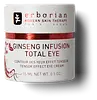
This calming eye moisturizer is formulated around Panax Ginseng Root Extract and Centella Asiatica Extract to calm redness and hydrate skin.
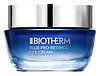
This anti-aging eye moisturizer is formulated around Caffeine and Palmitoyl Tetrapeptide-7 to soften the look of wrinkles and refine skin texture.


What's inside
What's inside
 Key Ingredients
Benefits
Concerns
Ingredients Side-by-side
Water
Skin ConditioningButylene Glycol
Humectant

Cyclomethicone
Emollient
Butyrospermum Parkii Butter
Skin Conditioning




Octyldodecanol
Emollient
Cetearyl Alcohol
Emollient
Palmitic Acid
Emollient
Talc
Abrasive
Panax Ginseng Root Extract
Emollient


Centella Asiatica Extract
Cleansing

Scutellaria Baicalensis Root Extract
Astringent
Polygonum Cuspidatum Root Extract
Antioxidant
Glycyrrhiza Glabra Root Extract
Bleaching

Camellia Sinensis Leaf Extract
Antimicrobial

Rosmarinus Officinalis Leaf Extract
AntimicrobialSaccharomyces Cerevisiae Extract
Skin Conditioning
Chamomilla Recutita Flower Extract
Masking
Dioscorea Villosa Root Extract
Skin Conditioning
Equisetum Giganteum Extract
Skin ConditioningKigelia Africana Fruit Extract
Skin ConditioningPrunus Amygdalus Dulcis Oil
Skin Conditioning
Hydrogenated Vegetable Oil
Emollient
Glycine Soja Oil
Emollient
Sesamum Indicum Seed Oil
Emollient
Zea Mays Oil
Emulsifying
Vegetable Oil
Skin Conditioning
Ethylhexylglycerin
Skin ConditioningTocopherol
Antioxidant
Tocopheryl Acetate
Antioxidant
Panthenol
Skin Conditioning
Mannitol
Humectant
Arginine
Masking
Stearyl Stearate
Emollient
Stearic Acid
Cleansing
Glyceryl Stearate
Emollient
PEG-100 Stearate
Surfactant
Ozokerite
Emulsion StabilisingBeeswax
Emulsion Stabilising
Hydrogenated Palm Acid
Cellulose
Absorbent
Hydroxypropyl Methylcellulose
Emulsion StabilisingAmmonium Acryloyldimethyltaurate/Vp Copolymer
Mica
Cosmetic ColorantPhenoxyethanol
Preservative
T-Butyl Alcohol
Perfuming


CI 77891
Cosmetic ColorantCI 77492
Cosmetic ColorantWater, Butylene Glycol, Cyclomethicone, Butyrospermum Parkii Butter, Octyldodecanol, Cetearyl Alcohol, Palmitic Acid, Talc, Panax Ginseng Root Extract, Centella Asiatica Extract, Scutellaria Baicalensis Root Extract, Polygonum Cuspidatum Root Extract, Glycyrrhiza Glabra Root Extract, Camellia Sinensis Leaf Extract, Rosmarinus Officinalis Leaf Extract, Saccharomyces Cerevisiae Extract, Chamomilla Recutita Flower Extract, Dioscorea Villosa Root Extract, Equisetum Giganteum Extract, Kigelia Africana Fruit Extract, Prunus Amygdalus Dulcis Oil, Hydrogenated Vegetable Oil, Glycine Soja Oil, Sesamum Indicum Seed Oil, Zea Mays Oil, Vegetable Oil, Ethylhexylglycerin, Tocopherol, Tocopheryl Acetate, Panthenol, Mannitol, Arginine, Stearyl Stearate, Stearic Acid, Glyceryl Stearate, PEG-100 Stearate, Ozokerite, Beeswax, Hydrogenated Palm Acid, Cellulose, Hydroxypropyl Methylcellulose, Ammonium Acryloyldimethyltaurate/Vp Copolymer, Mica, Phenoxyethanol, T-Butyl Alcohol, CI 77891, CI 77492
Water
Skin ConditioningGlycerin
Humectant
Cetearyl Alcohol
Emollient
Glyceryl Stearate
Emollient
Lauryl Laurate
Skin Conditioning
Glyceryl Stearate Citrate
Emollient
Glyceryl Stearate Se
Emulsifying
Chondrus Crispus Extract
Skin Conditioning
Prunus Armeniaca Kernel Oil
Masking
Alaria Esculenta Extract
Skin Protecting
Butyrospermum Parkii Butter
Skin Conditioning
Caffeine
Skin Conditioning
Sodium Lactate
Buffering
Sodium Phytate
ChelatingArginine
Masking
Palmitoyl Tetrapeptide-7
Skin Conditioning
Palmitoyl Tripeptide-1
Skin Conditioning
Adenosine
Skin Conditioning
Alcohol
Antimicrobial
Propanediol
Solvent
Hydroxyacetophenone
Antioxidant
Caprylic/Capric Triglyceride
Masking
Caprylyl Glycol
Emollient
Vitreoscilla Ferment
Skin Conditioning
Citric Acid
Buffering
Trisodium Ethylenediamine Disuccinate
ChelatingXanthan Gum
EmulsifyingRetinyl Palmitate
Skin Conditioning
Tocopherol
Antioxidant
Pentaerythrityl Tetra-Di-T-Butyl Hydroxyhydrocinnamate
Antioxidant
Chlorphenesin
Antimicrobial
Linalool
Perfuming
Limonene
Perfuming
Parfum
Masking
Water, Glycerin, Cetearyl Alcohol, Glyceryl Stearate, Lauryl Laurate, Glyceryl Stearate Citrate, Glyceryl Stearate Se, Chondrus Crispus Extract, Prunus Armeniaca Kernel Oil, Alaria Esculenta Extract, Butyrospermum Parkii Butter, Caffeine, Sodium Lactate, Sodium Phytate, Arginine, Palmitoyl Tetrapeptide-7, Palmitoyl Tripeptide-1, Adenosine, Alcohol, Propanediol, Hydroxyacetophenone, Caprylic/Capric Triglyceride, Caprylyl Glycol, Vitreoscilla Ferment, Citric Acid, Trisodium Ethylenediamine Disuccinate, Xanthan Gum, Retinyl Palmitate, Tocopherol, Pentaerythrityl Tetra-Di-T-Butyl Hydroxyhydrocinnamate, Chlorphenesin, Linalool, Limonene, Parfum
Reviews
Ingredients Explained
These ingredients are found in both products.
Ingredients higher up in an ingredient list are typically present in a larger amount.
Arginine is a semi-essential amino acid. This just means our bodies can product a bit on its own, but sometimes needs a little boost from food sources.
It is a part of your skin's natural moisturizing factor (NMF), or the water-loving molecules in your outermost layer of skin (stratum corneum) that keeps everything hydrated and happy.
Here's an interesting thing about Arginine: your skin converts it into urea through the Krebs-Henseleit urea cycle. Urea is one of the most effective humectants your skin naturally produces.
A clinical study showed applying 2.5% arginine hydrochloride to atopic dermatitis skin showed significant urea levels in the stratum corneum and improved moisture in just four weeks.
Arginine is also a precursor to nitric oxide; nitric oxide improves microcirculation and supports wound healing and collagen synthesis.
One study found that an amino acid complex containing Arginine reduced skin irritation, improved hydration, and accelerated skin repair in clinical / in-vivo studies.
Arginine itself is an amino acid and not a fatty acid, oil, or ester. On its own, it's not a direct food source for Malassezia, or the yeast that causes fungal acne.
Learn more about ArginineThis ingredient is also known as shea butter. It is a plant-derived extract from the nuts of the Africa shea tree and one of the most well-studied emollients.
Because it has a high concentration of fatty acids (primarily oleic, stearic, and linoleic) it is able to form a protective barrier on the skin's surface. This helps seal in moisture and prevents transepidermal water loss (TEWL).
In vitro research found an increase in skin hydration by 58% and a decrease in TEWL by 37.8% after 24 hours of applying this ingredient (pretty impressive for a single ingredient!).
Besides hydration, shea butter also contains triterpenes that have anti-inflammatory potential. In particule, lupeol cinnamate has shown the highest anti-inflammatory activity in vivo.
Shea butter also contains vitamins A and E which may contribute to antioxidant activity.
While Shea Butter has an SPF rating of about 3-4, it is not a sunscreen replacement.
This ingredient may not be fungal acne safe because its fatty acids fall within the C11-C24 range that the Malassezia yeast can metabolize.
This ingredient shows up on a lot of "pore-clogging" lists but there's no real evidence behind that. It doesn't even have a comedogenic rating from an actual study; the numbers you'll find online come from blogs citing other blogs.
Ratings for other ingredients mostly come from a 1980s rabbit ear test. This test doesn't translate well to human skin or to real products because the ingredient sits at a much lower percentage.
Some people still find it breaks them out. So if that's you, definitely trust your skin. Just know this one's based on experience and not evidence.
Learn more about Butyrospermum Parkii ButterCetearyl alcohol is a waxy mixture of two fatty alcohols: cetyl alcohol and stearyl alcohol. It is an emollient and emulsifier.
Despite having "alcohol" in its name, it has nothing to do with drying solvent alcohols; the FDA also allows "alcohol-free" products to contain fatty alcohols like this ingredient.
It plays several roles in a formula:
Typical use levels for this ingredient sit around 1-10% and the Cosmetic Ingredient Review Expert Panel has affirmed safety at concentrations up to 25% in leave-on products.
Multiple assessments have found it to be non-irritating and non-sensitizing to most people.
However, there have been some cases of allergic contact dermatitis in patients with chronically compromised skin barriers.
Cetearyl alcohol has a comedogenic rating of 2 and irritancy rating of 1. Both of these numbers come from the 1989 study that used rabbit ears; a "2" means mildly comedogenic and a "1" means low irritancy.
Here's the catch: rabbit skin is more sensitive than human skin and throws a lot of false positives. A 1996 reappraisal found that ingredients rated 1-2 in the rabbit ear tests are generally safe for humans.
Remember comedogenic ratings are unable to assess the entire formula of a product or how it will react on your skin. Just be sure to patch test if you are unsure about certain ingredients.
This ingredient is not fungal acne safe. Cetearyl alcohol is a fatty alcohol with chain lengths that fall within the range that Malassezia can metabolize.
A 2019 study has also observed Malassezia growth in the presence of this ingredient, confirming it to be not-fungal acne safe.
Learn more about Cetearyl AlcoholGlyceryl Stearate is made by reacting glycerin with stearic acid (typically sourced from plant oils like palm or coconut). It's an emulsifier, emollient, and mild occlusive.
Emulsifiers help ingredients like oil and water stay mixed so your formula stays nicely blended and uniform in texture.
This ingredient is typically used in concentrations between 1-10%. Studies have found it to be non-sensitizing, non-phototoxic, and non-photoallergenic.
A close cousin of this ingredient is Glyceryl Stearate SE ("self-emulsifying"). This just has a small amount of sodium or potassium stearate added so it can emulsify without a co-emulsifier.
Since this ingredient is an ester of a C18 fatty acid, it may not be fungal acne safe. The Malassezia yeast can potentially metabolize within the C11-C24 range.
Fun fact: The human body also creates Glyceryl Stearate naturally.
Learn more about Glyceryl StearateTocopherol is a fat-soluble antioxidant known as Vitamin E.
You'll find this ingredient in the vast majority of skincare (for good reason). It works to neutralize free radicals, or unstable molecules generated by UV exposure, pollution, and other environmental stressors, before they can cause oxidative damage to your skin cells.
Topically applied tocopherol has been shown to protect against UV damage by ramping up the skin's own natural defense enzymes.
It also acts as a skin conditioning agent; some studies show that regular topical use can improve the skin's water-binding capacity over 2-4 weeks.
This ingredient is especially loved for being a team player. When combined with Vitamin C, the photoprotective effect of both ingredients roughly doubles and the combo also helps reduce UV-induced DNA damage.
This ingredient has some brightening potential but it's more of a prevention ingredient than spot-fader. Cell studies show it can slow down melanin production but it's worth noting that it's not the most powerful brightener out there.
In formulations, it also serves as a stabilizer that helps protect other oxidation-prone ingredients from degrading.
Concentrations usually range from 0.1-1% in most leave-on products.
Learn more about TocopherolWater. It's the most common cosmetic ingredient of all. You'll usually see it at the top of ingredient lists, meaning that it makes up the largest part of the product.
So why is it so popular? Water most often acts as a solvent - this means that it helps dissolve other ingredients into the formulation.
You'll also recognize water as that liquid we all need to stay alive. If you see this, drink a glass of water. Remember to stay hydrated!
Learn more about Water

