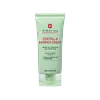
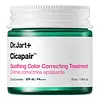
Erborian Centella Barrier Cream Versus Dr. Jart+ Cicapair Soothing Color Correcting Treatment SPF 40
This barrier-repair moisturizer is formulated around Panthenol and Centella Asiatica Leaf Extract to strengthen the skin barrier and calm redness.

What's inside
What's inside
 Key Ingredients
Benefits
Concerns
Ingredients Side-by-side
Water
Skin ConditioningGlycerin
Humectant


Caprylic/Capric Triglyceride
Masking
Dipropylene Glycol
HumectantMethylpropanediol
SolventCoco-Caprylate/Caprate
Emollient
Cocos Nucifera Oil
Masking






Stearyl Alcohol
Emollient
Betaine
Humectant
Panthenol
Skin Conditioning
Centella Asiatica Leaf Extract
Skin Conditioning
Butyrospermum Parkii Butter
Skin Conditioning
Hydrogenated Olive Oil Unsaponifiables
Emollient
Butylene Glycol
Humectant
1,2-Hexanediol
Skin Conditioning
Glyceryl Stearate Se
Emulsifying
Ceramide NP
Skin Conditioning
Polyglyceryl-3 Methylglucose Distearate
Emulsifying
Polyglyceryl-2 Stearate
Emulsifying
Arginine
Masking
Hydroxyacetophenone
Antioxidant
Hydroxyethyl Acrylate/Sodium Acryloyldimethyl Taurate Copolymer
Emulsion StabilisingGlyceryl Stearate
Emollient
Ethylhexylglycerin
Skin ConditioningPentylene Glycol
Skin Conditioning
Xanthan Gum
EmulsifyingBeta-Glucan
Skin Conditioning
Sorbitan Isostearate
Emulsifying
Caprylyl Glycol
Emollient
Propylene Glycol
Humectant
Tocopherol
Antioxidant


Water, Glycerin, Caprylic/Capric Triglyceride, Dipropylene Glycol, Methylpropanediol, Coco-Caprylate/Caprate, Cocos Nucifera Oil, Stearyl Alcohol, Betaine, Panthenol, Centella Asiatica Leaf Extract, Butyrospermum Parkii Butter, Hydrogenated Olive Oil Unsaponifiables, Butylene Glycol, 1,2-Hexanediol, Glyceryl Stearate Se, Ceramide NP, Polyglyceryl-3 Methylglucose Distearate, Polyglyceryl-2 Stearate, Arginine, Hydroxyacetophenone, Hydroxyethyl Acrylate/Sodium Acryloyldimethyl Taurate Copolymer, Glyceryl Stearate, Ethylhexylglycerin, Pentylene Glycol, Xanthan Gum, Beta-Glucan, Sorbitan Isostearate, Caprylyl Glycol, Propylene Glycol, Tocopherol
Water
Skin ConditioningZinc Oxide
Cosmetic Colorant


Isononyl Isononanoate
EmollientC12-15 Alkyl Benzoate
AntimicrobialGlycerin
Humectant
Butyloctyl Salicylate
Skin Conditioning
Lauryl PEG-10 Tris(Trimethylsiloxy)Silylethyl Dimethicone
Emulsifying
Lauryl Polyglyceryl-3 Polydimethylsiloxyethyl Dimethicone
Skin Conditioning
Titanium Dioxide
Cosmetic Colorant
Caprylic/Capric Triglyceride
Masking
Triheptanoin
Skin ConditioningSynthetic Fluorphlogopite
Disteardimonium Hectorite
StabilisingMagnesium Sulfate
Pentylene Glycol
Skin Conditioning
Beeswax
Emulsion Stabilising
Centella Asiatica Leaf Extract
Skin Conditioning
Niacinamide
Smoothing



Allantoin
Skin Conditioning
Glyceryl Caprylate
EmollientAsiaticoside
Antioxidant
Madecassic Acid
Skin Conditioning
Asiatic Acid
Skin Conditioning
Palmitoyl Tripeptide-8
Skin Conditioning
Caprylyl Glycol
Emollient
Butylene Glycol
Humectant
Polyglyceryl-4 Oleate
Emulsifying
Sodium Stearoyl Glutamate
CleansingTocopherol
Antioxidant
Dimethicone
Emollient
Zea Mays Starch
Absorbent
Silica Dimethyl Silylate
EmollientAluminum Hydroxide
EmollientHydrogenated Lecithin
Emulsifying
Stearic Acid
Cleansing
Sodium Surfactin
CleansingIsopentyldiol
Humectant
Propanediol
Solvent
Zein
Skin ConditioningDextran
Triethoxycaprylylsilane
CI 77492
Cosmetic ColorantCI 77891
Cosmetic ColorantCI 77288
Cosmetic ColorantCI 77491
Cosmetic ColorantWater, Zinc Oxide, Isononyl Isononanoate, C12-15 Alkyl Benzoate, Glycerin, Butyloctyl Salicylate, Lauryl PEG-10 Tris(Trimethylsiloxy)Silylethyl Dimethicone, Lauryl Polyglyceryl-3 Polydimethylsiloxyethyl Dimethicone, Titanium Dioxide, Caprylic/Capric Triglyceride, Triheptanoin, Synthetic Fluorphlogopite, Disteardimonium Hectorite, Magnesium Sulfate, Pentylene Glycol, Beeswax, Centella Asiatica Leaf Extract, Niacinamide, Allantoin, Glyceryl Caprylate, Asiaticoside, Madecassic Acid, Asiatic Acid, Palmitoyl Tripeptide-8, Caprylyl Glycol, Butylene Glycol, Polyglyceryl-4 Oleate, Sodium Stearoyl Glutamate, Tocopherol, Dimethicone, Zea Mays Starch, Silica Dimethyl Silylate, Aluminum Hydroxide, Hydrogenated Lecithin, Stearic Acid, Sodium Surfactin, Isopentyldiol, Propanediol, Zein, Dextran, Triethoxycaprylylsilane, CI 77492, CI 77891, CI 77288, CI 77491
Reviews
Ingredients Explained
These ingredients are found in both products.
Ingredients higher up in an ingredient list are typically present in a larger amount.
Butylene Glycol (or BG) is used within cosmetic products for a few different reasons:
Overall, Butylene Glycol is a safe and well-rounded ingredient that works well with other ingredients.
Though this ingredient works well with most skin types, some people with sensitive skin may experience a reaction such as allergic rashes, closed comedones, or itchiness.
Learn more about Butylene GlycolCaprylic/Capric Triglyceride (aka MCT Oil) is a lightweight emollient, solvent, and texture enhancer. It is considered a skin-softener by helping to prevent moisture loss.
Though it behaves like an oil, it is not technically one due to its chemical composition. One perk of this ingredient is that it is very stable, resistant to oxidation, and unlikely to go rancid.
In practice, that translates to a long shelf life and a consistently elegant skin feel.
While there is an assumption Caprylic Triglyceride can clog pores due to it being derived from coconut oil, there is no research supporting this. Just patch test if you have concerns.
Fractionated coconut oil and MCT Oil are both listed as Caprylic/Capric Triglyceride according to INCI. This is because INCI names are based on the ingredient’s final chemical composition and not its marketing name or source.
This ingredient is treated as the gold standard fungal acne safe oil. Even though it is coconut derived, the problematic lauric acid is stripped out.
This leaves just caprylic (C8) and capric (C10) acid. These chain lengths actually trend antifungal; a 2020 study found caprylic acid was enough to disrupt Malassezia furfur cell membrane, with a caprylic acid derivative damaging membrane structures at concentrations as low as 0.2%.
Learn more about Caprylic/Capric TriglycerideCaprylyl Glycol is a humectant, skin conditioner, emollient, and preservative booster derived from either caprylic acid or synthetically created.
Typical use levels vary from 0.3-1% as a preservative booster and go up to 2% to condition skin.
Because it is not a free-fatty acid, this ingredient is fungal acne safe (there's nothing for Malassezia to feed on).
Learn more about Caprylyl GlycolCentella Asiatica Leaf Extract comes from the leaves of an herb plant native to Southeast Asia. Centella Asiatica is rich in antioxidants and amino acids. It can help reduce irritation and soothe the skin.
Many active components found in centella asiatica, such as Madecassic Acid and Asiaticoside, encourage the skin to naturally produce hyaluronic acid. This helps keep our skin hydrated. Many of these components also show antioxidant activity and may help reduce the signs of aging.
Research shows centella asiatica can help increase Type I collagen production by increasing fibroblast production. Fibroblast helps form connective tissue.
The combination of all these properties makes centella asiatica leaf extract effective at soothing the skin.
Other components of centella asiatica leaf extract include Vitamin A, vitamin C, several B vitamins, and Asiatic Acid.
Recent studies found madecassoside may help prevent damage from UV rays by preventing UV-induced inflammation. Further research is needed.
This plant has been used as a medicine and in food for many centuries. As a medicine, it is used to treat burns, scratches, and wounds.
Learn more about Centella Asiatica Leaf ExtractGlycerin (or glycerol) is a compound naturally found in your skin. It's a powerhouse humectant that pulls water into the stratum corneum.
Topically, glycerin does several things at once:
Your skin makes glycerin on its own (mostly from sebaceous oil breakdown) and shuttles it to your outermost layer of skin, or your epidermis, via aquaporin-3.
Aquaporin-3 is a transporter that is essential for normal skin hydration, elasticity, and repair. Interestingly, mice lacking in AQP3 have dry and less elastic skin that can be fully corrected with glycerin.
This ingredient is non-irritating, plays well with almost every ingredient, and works across all skin types. Typical use is anywhere between 3-10% but can go up to 79% in some leave-on products.
Just know very high concentrations (>40%) can feel tacky in low humidity.
Glycerin is the name for this ingredient in American English. British English uses Glycerol/Glycerine.
Learn more about GlycerinPentylene Glycol (1,2-pentanediol) is a multitasking little diol with three main roles in a formula:
Research on alkanediols (the family pentylene glycol belongs to) show they work by disrupting microbial cell membranes. This disruption helps the primary preservative system in a product work more effectively at lower doses.
On the safety side, the Cosmetic Ingredient Review Expert Panel has concluded this ingredient to be safe as used in current cosmetic practices + concentrations.
Typical use levels in a formula run about 1-5%.
Learn more about Pentylene GlycolTocopherol is a fat-soluble antioxidant known as Vitamin E.
You'll find this ingredient in the vast majority of skincare (for good reason). It works to neutralize free radicals, or unstable molecules generated by UV exposure, pollution, and other environmental stressors, before they can cause oxidative damage to your skin cells.
Topically applied tocopherol has been shown to protect against UV damage by ramping up the skin's own natural defense enzymes.
It also acts as a skin conditioning agent; some studies show that regular topical use can improve the skin's water-binding capacity over 2-4 weeks.
This ingredient is especially loved for being a team player. When combined with Vitamin C, the photoprotective effect of both ingredients roughly doubles and the combo also helps reduce UV-induced DNA damage.
This ingredient has some brightening potential but it's more of a prevention ingredient than spot-fader. Cell studies show it can slow down melanin production but it's worth noting that it's not the most powerful brightener out there.
In formulations, it also serves as a stabilizer that helps protect other oxidation-prone ingredients from degrading.
Concentrations usually range from 0.1-1% in most leave-on products.
Learn more about TocopherolWater. It's the most common cosmetic ingredient of all. You'll usually see it at the top of ingredient lists, meaning that it makes up the largest part of the product.
So why is it so popular? Water most often acts as a solvent - this means that it helps dissolve other ingredients into the formulation.
You'll also recognize water as that liquid we all need to stay alive. If you see this, drink a glass of water. Remember to stay hydrated!
Learn more about Water

