Eminence Organics Kombucha Microbiome Foaming Cleanser Versus Eminence Organics Acne Advanced Cleansing Foam
This foaming cleanser uses mild cleansing ingredients, but contains alcohol that may feel drying for some.
This salicylic acid foaming cleanser is formulated around Salicylic Acid to clear breakouts and unclog pores.

What's inside
What's inside
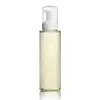 Key Ingredients
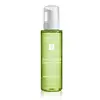
Benefits
Concerns
Ingredients Side-by-side
Aloe Barbadensis Leaf Juice
Skin Conditioning


Helianthus Annuus Seed Oil
Emollient


Pyrus Malus Juice
Skin ConditioningVitis Vinifera Seed Extract
Antimicrobial
Calendula Officinalis Flower Extract
Masking
Prunus Armeniaca Kernel Oil
Masking

Achillea Millefolium Extract
CleansingTrifolium Pratense Flower Extract
AstringentEchinacea Purpurea Root Extract
MoisturisingHippophae Rhamnoides Fruit Extract
Skin Conditioning
Glycerin
Humectant

Tocopherol
Antioxidant



Maltodextrin
Absorbent
Water
Skin ConditioningDecyl Glucoside
Cleansing
Cetyl Betaine
CleansingSaccharomyces/Xylinum/Black Tea Ferment
Skin Conditioning
Coco-Glucoside
Cleansing
Prunus Armeniaca Juice
MoisturisingLactococcus Ferment Lysate
Skin Conditioning
Camellia Sinensis Leaf Extract
Antimicrobial

Jasminum Officinale Flower Extract
Masking

Zingiber Officinale Root Extract
Masking
Inulin
Skin Conditioning
Lauramine Oxide
Cleansing1,2-Hexanediol
Skin Conditioning
Caprylyl Glycol
Emollient
Caprylyl/Capryl Glucoside
CleansingPropanediol
Solvent
Lavandula Hybrida Oil
Emollient
Lactic Acid
Buffering

Tetrasodium Glutamate Diacetate
ChelatingSalvia Sclarea Oil
Masking
Pelargonium Graveolens Flower Oil
Masking
Heptyl Glucoside
SurfactantTropolone
Skin ConditioningCitric Acid
Buffering
Alcohol Denat.
Antimicrobial

Vinegar
Sodium Dehydroacetate
Preservative
Sodium Benzoate
Masking
Euterpe Oleracea Fruit Extract
Citrus Limon Juice
Skin Conditioning
Malpighia Glabra Fruit Extract
Skin ConditioningEmblica Officinalis Fruit Extract
Skin ConditioningAdansonia Digitata Fruit Extract
EmollientMyrciaria Dubia Fruit Extract
Skin ConditioningDaucus Carota Sativa Root Extract
Skin Conditioning
Cocos Nucifera Water
Masking
Lycium Barbarum Fruit Extract
Astringent
Thioctic Acid
Antioxidant
Ubiquinone
Antioxidant
Aloe Barbadensis Leaf Juice, Helianthus Annuus Seed Oil, Pyrus Malus Juice, Vitis Vinifera Seed Extract, Calendula Officinalis Flower Extract, Prunus Armeniaca Kernel Oil, Achillea Millefolium Extract, Trifolium Pratense Flower Extract, Echinacea Purpurea Root Extract, Hippophae Rhamnoides Fruit Extract, Glycerin, Tocopherol, Maltodextrin, Water, Decyl Glucoside, Cetyl Betaine, Saccharomyces/Xylinum/Black Tea Ferment, Coco-Glucoside, Prunus Armeniaca Juice, Lactococcus Ferment Lysate, Camellia Sinensis Leaf Extract, Jasminum Officinale Flower Extract, Zingiber Officinale Root Extract, Inulin, Lauramine Oxide, 1,2-Hexanediol, Caprylyl Glycol, Caprylyl/Capryl Glucoside, Propanediol, Lavandula Hybrida Oil, Lactic Acid, Tetrasodium Glutamate Diacetate, Salvia Sclarea Oil, Pelargonium Graveolens Flower Oil, Heptyl Glucoside, Tropolone, Citric Acid, Alcohol Denat., Vinegar, Sodium Dehydroacetate, Sodium Benzoate, Euterpe Oleracea Fruit Extract, Citrus Limon Juice, Malpighia Glabra Fruit Extract, Emblica Officinalis Fruit Extract, Adansonia Digitata Fruit Extract, Myrciaria Dubia Fruit Extract, Daucus Carota Sativa Root Extract, Cocos Nucifera Water, Lycium Barbarum Fruit Extract, Thioctic Acid, Ubiquinone
Salicylic Acid 1%
Masking

Aloe Barbadensis Leaf Juice
Skin Conditioning
Cucumis Sativus Juice
EmollientSalix Alba Bark Extract
Astringent
Rosa Canina Seed Extract
EmollientCitrus Paradisi Peel Extract
Perfuming
Symphytum Officinale Leaf Extract
Skin ConditioningLavandula Angustifolia Flower Extract
Cleansing
Equisetum Arvense Leaf Extract
AstringentMentha Piperita Leaf Extract
Skin ConditioningCalendula Officinalis Flower Extract
Masking
Beta Vulgaris Root Extract
Skin ConditioningDecyl Glucoside
Cleansing
Sodium Cocoyl Glutamate
Cleansing
Citrus Grandis Peel Oil
Masking
Mentha Cardiaca Herb Oil
Perfuming
Caprylyl Glycol
Emollient
Tocopherol
Antioxidant
Panthenol
Skin Conditioning
Thymus Vulgaris Extract
Perfuming
Cinnamomum Zeylanicum Bark Extract
Antimicrobial
Olea Europaea Leaf Extract
Perfuming
Rosmarinus Officinalis Leaf Extract
AntimicrobialCocamidopropyl Dimethylamine
Emulsifying
Hydrastis Canadensis Root Extract
MaskingCitrus Limon Peel Extract
EmollientEthylhexylglycerin
Skin ConditioningCaffeine
Skin Conditioning
Sodium PCA
Humectant
Arbutin
Antioxidant
Euterpe Oleracea Fruit Extract
Citrus Limon Peel
MaskingMalpighia Glabra Fruit Extract
Skin ConditioningEmblica Officinalis Fruit
Skin ConditioningAdansonia Digitata Seed Oil
Emollient
Myrciaria Dubia Fruit Extract
Skin ConditioningDaucus Carota Sativa Root Extract
Skin Conditioning
Cocos Nucifera Water
Masking
Lycium Barbarum Fruit Extract
Astringent
Tapioca Starch
Thioctic Acid
Antioxidant
Ubiquinone
Antioxidant
Glycerin
Humectant
Salicylic Acid 1%, Aloe Barbadensis Leaf Juice, Cucumis Sativus Juice, Salix Alba Bark Extract, Rosa Canina Seed Extract, Citrus Paradisi Peel Extract, Symphytum Officinale Leaf Extract, Lavandula Angustifolia Flower Extract, Equisetum Arvense Leaf Extract, Mentha Piperita Leaf Extract, Calendula Officinalis Flower Extract, Beta Vulgaris Root Extract, Decyl Glucoside, Sodium Cocoyl Glutamate, Citrus Grandis Peel Oil, Mentha Cardiaca Herb Oil, Caprylyl Glycol, Tocopherol, Panthenol, Thymus Vulgaris Extract, Cinnamomum Zeylanicum Bark Extract, Olea Europaea Leaf Extract, Rosmarinus Officinalis Leaf Extract, Cocamidopropyl Dimethylamine, Hydrastis Canadensis Root Extract, Citrus Limon Peel Extract, Ethylhexylglycerin, Caffeine, Sodium PCA, Arbutin, Euterpe Oleracea Fruit Extract, Citrus Limon Peel, Malpighia Glabra Fruit Extract, Emblica Officinalis Fruit, Adansonia Digitata Seed Oil, Myrciaria Dubia Fruit Extract, Daucus Carota Sativa Root Extract, Cocos Nucifera Water, Lycium Barbarum Fruit Extract, Tapioca Starch, Thioctic Acid, Ubiquinone, Glycerin
Alternatives
Ingredients Explained
These ingredients are found in both products.
Ingredients higher up in an ingredient list are typically present in a larger amount.
Aloe Barbadensis Leaf Juice is the filtered, stabilized liquid pressed from the inner gel of the aloe vera leaf.
In cosmetics, it shows up as either soothing active or a water-replacement base. It is roughly 98-99% water and the last 1-2% is an interesting mix of polysaccharides, amino acids, vitamins, minerals, and enzymes.
The polysaccharides do most of the work: they bind water at the skin surface for a light, non-greasy hydration boost. And one of the polysaccharides, glycomannan, is linked to fibroblast stimulation + collagen synthesis. This is also why aloe has such a long track record in wound and burn healing.
This ingredient is also calming with anti-inflammatory and mild antimicrobial activity, making it a great pick for sensitive, irritated, or post-sun skin.
Realistic expectations matter though; the solid evidence is mostly limited to hydration, soothing, and wound support. Deeper claims about anti-aging or sun protection are not well backed, and science reviews note it does not prevent radiation-induced skin injury.
Because it plays well with almost everything, it's commonly used as a base alongside other actives like niacinamide or vitamin C.
Typical usage concentrations range from 0.5% (where hydration benefits already show up) all the way to 90%+ (where it replaces water as the main base).
The safety for this ingredient is well-establish as well. Overall, this is a great supporting ingredient for those who want a boost in hydration.
Learn more about Aloe Barbadensis Leaf JuiceCalendula Officinalis Flower Extract comes from the marigold flower and has been used on skin for centuries for its calming effect.
In the lab, its active compounds appear to calm inflammation and support the early "healing" phase of minor wounds.
This is why Europe's medicines regulator has approved calendula extracts as a traditional remedy for minor skin inflammation and healing small wounds.
The stronger human evidence is around would/ulcer care rather than everyday cosmetic claims; a review that pulled together 14 studies found that calendula helped calm the early, inflamed stage of a wound and helped new skin tissue form faster.
Two studies also showed it shrank leg ulcers (the kind caused by poor circulation). Results were mixed for burns and for the skin irritation people get from radiation treatment, so it's not a sure thing there.
In cosmetics, it's mostly a skin conditioning and soothing agent.
The Cosmetic Ingredient Review panel concluded that calendula-derived ingredients are safe as used and that the ingredients are not irritating, sensitizing, or photosensitizing in clinical tests (though they may be mild eye irritants).
Typical use levels are quite low; industry data reported it used at under 0.5% (one supplier noted a 10-25% extract blend used at 1-10% in the finished product). Historical use goes up to 10%.
The only thing to keep in mind is if you have daisy/ragweed allergies. Calendula is in the same family and one patch-test study found 2% of dermatitis patients reacted to marigold. Be sure to patch test if you have sensitive or allergy-prone skin.
Learn more about Calendula Officinalis Flower ExtractCaprylyl Glycol is a humectant, skin conditioner, emollient, and preservative booster derived from either caprylic acid or synthetically created.
Typical use levels vary from 0.3-1% as a preservative booster and go up to 2% to condition skin.
Because it is not a free-fatty acid, this ingredient is fungal acne safe (there's nothing for Malassezia to feed on).
Learn more about Caprylyl GlycolDaucus Carota Sativa Root Extract comes from the root commonly known as carrot (the orange kind we eat!).
This extract contains beta-carotene, a pigment responsible for giving plants the orange color. Beta-carotene is a potent antioxidant. Antioxidants may help reduce the signs of aging.
Beta-carotene is the reason we turn orange if we eat too many carrots.
It should be noted coming into contact with the leaves of wild carrots can cause skin irritation. The sap causes phytophotodermatitis, or sensitivity exposed to sunlight.
This ingredient is created using the edible parts of the carrot.
Learn more about Daucus Carota Sativa Root ExtractDecyl Glucoside is a plant-derived surfactant and emulsion stabilizer. It is created by reacting glucose with the fatty acids from plants.
Like all surfactants, it works by lowering the surface tension between water and oil. This makes it so that dirt, sebum, and makeup can be lifted off your skin and rinsed away. It also produces a dense and creamy foam.
Because it has a neutral charge, it is compatible with a wide range of ingredients and stays stable across a broad pH range/water hardiness conditions.
Patch testing has shown it to have the lowest irritation potential among common cleansing surfactants (like SLS).
Typical use levels range from 5-20% in rinse-off cleansers.
One thing worth knowing: The American Contact Dermatitis Society named the parent family, alkyl glucosides, "Allergen of the Year" in 2017. The prevalence of allergy is pretty low but be sure to patch test if you've reacted to "gentle" or sulfate-free cleansers before.
This ingredient is fungal acne safe because the fatty alcohol portion of this ingredient is not within the C11-24 chain length that Malassezia can metabolize.
Learn more about Decyl GlucosideThis extract comes from the Cabbage Palm, AKA the Açaí berry! It has skin soothing and antioxidant properties.
Acai berries are rich in antioxidants, including ferulic acid (The famous vitamin C stabilizer). Antioxidants protect your skin against damaging free-radical molecules.
You can also find carbohydrates, lipids, proteins, minerals, vitamin A, and Vitamin C in these berries.
Learn more about Euterpe Oleracea Fruit ExtractGlycerin (or glycerol) is a compound naturally found in your skin. It's a powerhouse humectant that pulls water into the stratum corneum.
Topically, glycerin does several things at once:
Your skin makes glycerin on its own (mostly from sebaceous oil breakdown) and shuttles it to your outermost layer of skin, or your epidermis, via aquaporin-3.
Aquaporin-3 is a transporter that is essential for normal skin hydration, elasticity, and repair. Interestingly, mice lacking in AQP3 have dry and less elastic skin that can be fully corrected with glycerin.
This ingredient is non-irritating, plays well with almost every ingredient, and works across all skin types. Typical use is anywhere between 3-10% but can go up to 79% in some leave-on products.
Just know very high concentrations (>40%) can feel tacky in low humidity.
Glycerin is the name for this ingredient in American English. British English uses Glycerol/Glycerine.
Learn more about GlycerinLycium Barbarum Fruit Extract comes from the Goji Berry. Goji berries are native to China and can be found across Eurasia.
Goji berries contain polysaccharides, carotenoids and flavonoids. Antioxidants help your body fight off free-radical molecules. These molecules are unstable and may damage your skin. By making free-radicals more stable, antioxidants can help with anti-aging.
Polysaccharides help hydrate the top layer of skin due to its ability to mimic natural carbohydrates.
Learn more about Lycium Barbarum Fruit ExtractWe don't have a description for Malpighia Glabra Fruit Extract yet.
This extract comes from the camu camu berry and is known for its exceptionally high vitamin C content.
Thioctic Acid is an enzyme and antioxidant. A more common name for this is Alpha Lipoic Acid.
Alpha Lipoic Acid can be naturally found in the mitochondria of every cell.
Antioxidants help fight free-radicals. Free-radicals are molecules that may damage your skin cells. The antioxidants in Alpha Lipoic Acid have been shown to fight damage from cigarette smoke.
Studies also show Alpha Lipoic Acid plays a role in wound healing.
Thioctic Acid will break down when exposed to sunlight.
Many foods contain thioctic acid, including tomato, brussel sprouts, spinach, and broccoli.
Learn more about Thioctic AcidTocopherol is a fat-soluble antioxidant known as Vitamin E.
You'll find this ingredient in the vast majority of skincare (for good reason). It works to neutralize free radicals, or unstable molecules generated by UV exposure, pollution, and other environmental stressors, before they can cause oxidative damage to your skin cells.
Topically applied tocopherol has been shown to protect against UV damage by ramping up the skin's own natural defense enzymes.
It also acts as a skin conditioning agent; some studies show that regular topical use can improve the skin's water-binding capacity over 2-4 weeks.
This ingredient is especially loved for being a team player. When combined with Vitamin C, the photoprotective effect of both ingredients roughly doubles and the combo also helps reduce UV-induced DNA damage.
This ingredient has some brightening potential but it's more of a prevention ingredient than spot-fader. Cell studies show it can slow down melanin production but it's worth noting that it's not the most powerful brightener out there.
In formulations, it also serves as a stabilizer that helps protect other oxidation-prone ingredients from degrading.
Concentrations usually range from 0.1-1% in most leave-on products.
Learn more about TocopherolUbiquinone (Coenzyme Q10) is a molecule already found in our bodies. It is a potent antioxidant and skin-soothing ingredient.
Aging and environmental exposure diminishes our skin's natural ubiquinone levels. This is much like our natural collagen and elastin.
The good news is: studies show applying this ingredient topically replenishes ubiquinone levels in our skin. This also comes with a ton of skin benefits. These benefits include:
Ubiquinone is considered a large molecule and cannot be absorbed into the lower layers of skin. This is why it is believed to be such an effective antioxidant: it protects our skin in the upper layers and prevents damage in the deeper layers.
When used in sunscreen, ubiquinone is shown to increase ingredient stability, increase SPF factor, and add to infrared protection.
Fun fact: ubiquinone is fat-soluble.
Learn more about Ubiquinone

