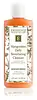
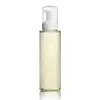
Eminence Organics Mangosteen Daily Resurfacing Cleanser Versus Eminence Organics Kombucha Microbiome Foaming Cleanser
This gel cleanser uses mild cleansing ingredients, but contains alcohol that may feel drying for some.
This foaming cleanser uses mild cleansing ingredients, but contains alcohol that may feel drying for some.

What's inside
What's inside
 Key Ingredients
Benefits
Concerns
Ingredients Side-by-side
Prunus Armeniaca Fruit Extract
Skin ConditioningAloe Barbadensis Leaf Juice
Skin Conditioning


Pyrus Malus Juice
Skin ConditioningMalus Domestica Fruit Extract
Antioxidant
Vitis Vinifera Juice
Antioxidant
Vitis Vinifera
MaskingHippophae Rhamnoides Fruit Juice
Skin ConditioningCalendula Officinalis Flower Oil
Masking



Helianthus Annuus Seed Oil
Emollient

Prunus Armeniaca Kernel Oil
Masking

Calendula Officinalis Flower Extract
Masking
Achillea Millefolium Extract
CleansingTrifolium Pratense Flower Extract
AstringentEchinacea Purpurea Root Extract
MoisturisingRosmarinus Officinalis Leaf Extract
AntimicrobialGlycerin
Humectant

Heptyl Glucoside
SurfactantLauryl Glucoside
CleansingCoco-Betaine
Cleansing
Zingiber Officinale Root Extract
Masking
Panax Ginseng Root Extract
Emollient
Garcinia Mangostana Fruit Extract
Skin ConditioningLycium Barbarum Callus Culture Extract
Skin ConditioningVaccinium Macrocarpon Fruit Extract
AstringentVaccinium Myrtillus Fruit Extract
Skin ConditioningLactic Acid
Buffering






Benzyl Alcohol
Perfuming



Dehydroacetic Acid
Preservative
Prunus Persica Fruit Water
Masking
Isopentyldiol
Humectant
Ribose
HumectantStyrene/Acrylates Copolymer
Euterpe Oleracea Fruit Extract
Citrus Limon Peel
MaskingMalpighia Glabra Fruit Extract
Skin ConditioningEmblica Officinalis Fruit
Skin ConditioningAdansonia Digitata Seed Oil
Emollient
Myrciaria Dubia Fruit Extract
Skin ConditioningDaucus Carota Sativa Root Extract
Skin Conditioning
Cocos Nucifera Water
Masking
Lycium Barbarum Fruit Extract
Astringent
Tapioca Starch
Potassium Sorbate
Preservative
Sodium Benzoate
Masking
Prunus Armeniaca Fruit Extract, Aloe Barbadensis Leaf Juice, Pyrus Malus Juice, Malus Domestica Fruit Extract, Vitis Vinifera Juice, Vitis Vinifera, Hippophae Rhamnoides Fruit Juice, Calendula Officinalis Flower Oil, Helianthus Annuus Seed Oil, Prunus Armeniaca Kernel Oil, Calendula Officinalis Flower Extract, Achillea Millefolium Extract, Trifolium Pratense Flower Extract, Echinacea Purpurea Root Extract, Rosmarinus Officinalis Leaf Extract, Glycerin, Heptyl Glucoside, Lauryl Glucoside, Coco-Betaine, Zingiber Officinale Root Extract, Panax Ginseng Root Extract, Garcinia Mangostana Fruit Extract, Lycium Barbarum Callus Culture Extract, Vaccinium Macrocarpon Fruit Extract, Vaccinium Myrtillus Fruit Extract, Lactic Acid, Benzyl Alcohol, Dehydroacetic Acid, Prunus Persica Fruit Water, Isopentyldiol, Ribose, Styrene/Acrylates Copolymer, Euterpe Oleracea Fruit Extract, Citrus Limon Peel, Malpighia Glabra Fruit Extract, Emblica Officinalis Fruit, Adansonia Digitata Seed Oil, Myrciaria Dubia Fruit Extract, Daucus Carota Sativa Root Extract, Cocos Nucifera Water, Lycium Barbarum Fruit Extract, Tapioca Starch, Potassium Sorbate, Sodium Benzoate
Aloe Barbadensis Leaf Juice
Skin Conditioning
Helianthus Annuus Seed Oil
Emollient
Pyrus Malus Juice
Skin ConditioningVitis Vinifera Seed Extract
Antimicrobial
Calendula Officinalis Flower Extract
Masking
Prunus Armeniaca Kernel Oil
Masking
Achillea Millefolium Extract
CleansingTrifolium Pratense Flower Extract
AstringentEchinacea Purpurea Root Extract
MoisturisingHippophae Rhamnoides Fruit Extract
Skin Conditioning
Glycerin
Humectant
Tocopherol
Antioxidant
Maltodextrin
Absorbent
Water
Skin ConditioningDecyl Glucoside
Cleansing
Cetyl Betaine
CleansingSaccharomyces/Xylinum/Black Tea Ferment
Skin Conditioning
Coco-Glucoside
Cleansing
Prunus Armeniaca Juice
MoisturisingLactococcus Ferment Lysate
Skin Conditioning
Camellia Sinensis Leaf Extract
Antimicrobial
Jasminum Officinale Flower Extract
Masking
Zingiber Officinale Root Extract
Masking
Inulin
Skin Conditioning
Lauramine Oxide
Cleansing1,2-Hexanediol
Skin Conditioning
Caprylyl Glycol
Emollient
Caprylyl/Capryl Glucoside
CleansingPropanediol
Solvent
Lavandula Hybrida Oil
Emollient
Lactic Acid
Buffering
Tetrasodium Glutamate Diacetate
ChelatingSalvia Sclarea Oil
Masking
Pelargonium Graveolens Flower Oil
Masking
Heptyl Glucoside
SurfactantTropolone
Skin ConditioningCitric Acid
Buffering
Alcohol Denat.
Antimicrobial
Vinegar
Sodium Dehydroacetate
Preservative
Sodium Benzoate
Masking
Euterpe Oleracea Fruit Extract
Citrus Limon Juice
Skin Conditioning
Malpighia Glabra Fruit Extract
Skin ConditioningEmblica Officinalis Fruit Extract
Skin ConditioningAdansonia Digitata Fruit Extract
EmollientMyrciaria Dubia Fruit Extract
Skin ConditioningDaucus Carota Sativa Root Extract
Skin Conditioning
Cocos Nucifera Water
Masking
Lycium Barbarum Fruit Extract
Astringent
Thioctic Acid
Antioxidant
Ubiquinone
Antioxidant
Aloe Barbadensis Leaf Juice, Helianthus Annuus Seed Oil, Pyrus Malus Juice, Vitis Vinifera Seed Extract, Calendula Officinalis Flower Extract, Prunus Armeniaca Kernel Oil, Achillea Millefolium Extract, Trifolium Pratense Flower Extract, Echinacea Purpurea Root Extract, Hippophae Rhamnoides Fruit Extract, Glycerin, Tocopherol, Maltodextrin, Water, Decyl Glucoside, Cetyl Betaine, Saccharomyces/Xylinum/Black Tea Ferment, Coco-Glucoside, Prunus Armeniaca Juice, Lactococcus Ferment Lysate, Camellia Sinensis Leaf Extract, Jasminum Officinale Flower Extract, Zingiber Officinale Root Extract, Inulin, Lauramine Oxide, 1,2-Hexanediol, Caprylyl Glycol, Caprylyl/Capryl Glucoside, Propanediol, Lavandula Hybrida Oil, Lactic Acid, Tetrasodium Glutamate Diacetate, Salvia Sclarea Oil, Pelargonium Graveolens Flower Oil, Heptyl Glucoside, Tropolone, Citric Acid, Alcohol Denat., Vinegar, Sodium Dehydroacetate, Sodium Benzoate, Euterpe Oleracea Fruit Extract, Citrus Limon Juice, Malpighia Glabra Fruit Extract, Emblica Officinalis Fruit Extract, Adansonia Digitata Fruit Extract, Myrciaria Dubia Fruit Extract, Daucus Carota Sativa Root Extract, Cocos Nucifera Water, Lycium Barbarum Fruit Extract, Thioctic Acid, Ubiquinone
Alternatives
Ingredients Explained
These ingredients are found in both products.
Ingredients higher up in an ingredient list are typically present in a larger amount.
Achillea Millefolium Extract comes from the yarrow plant. Yarrow is rich in antioxidants and fatty acids.
Aloe Barbadensis Leaf Juice is the filtered, stabilized liquid pressed from the inner gel of the aloe vera leaf.
In cosmetics, it shows up as either soothing active or a water-replacement base. It is roughly 98-99% water and the last 1-2% is an interesting mix of polysaccharides, amino acids, vitamins, minerals, and enzymes.
The polysaccharides do most of the work: they bind water at the skin surface for a light, non-greasy hydration boost. And one of the polysaccharides, glycomannan, is linked to fibroblast stimulation + collagen synthesis. This is also why aloe has such a long track record in wound and burn healing.
This ingredient is also calming with anti-inflammatory and mild antimicrobial activity, making it a great pick for sensitive, irritated, or post-sun skin.
Realistic expectations matter though; the solid evidence is mostly limited to hydration, soothing, and wound support. Deeper claims about anti-aging or sun protection are not well backed, and science reviews note it does not prevent radiation-induced skin injury.
Because it plays well with almost everything, it's commonly used as a base alongside other actives like niacinamide or vitamin C.
Typical usage concentrations range from 0.5% (where hydration benefits already show up) all the way to 90%+ (where it replaces water as the main base).
The safety for this ingredient is well-establish as well. Overall, this is a great supporting ingredient for those who want a boost in hydration.
Learn more about Aloe Barbadensis Leaf JuiceCalendula Officinalis Flower Extract comes from the marigold flower and has been used on skin for centuries for its calming effect.
In the lab, its active compounds appear to calm inflammation and support the early "healing" phase of minor wounds.
This is why Europe's medicines regulator has approved calendula extracts as a traditional remedy for minor skin inflammation and healing small wounds.
The stronger human evidence is around would/ulcer care rather than everyday cosmetic claims; a review that pulled together 14 studies found that calendula helped calm the early, inflamed stage of a wound and helped new skin tissue form faster.
Two studies also showed it shrank leg ulcers (the kind caused by poor circulation). Results were mixed for burns and for the skin irritation people get from radiation treatment, so it's not a sure thing there.
In cosmetics, it's mostly a skin conditioning and soothing agent.
The Cosmetic Ingredient Review panel concluded that calendula-derived ingredients are safe as used and that the ingredients are not irritating, sensitizing, or photosensitizing in clinical tests (though they may be mild eye irritants).
Typical use levels are quite low; industry data reported it used at under 0.5% (one supplier noted a 10-25% extract blend used at 1-10% in the finished product). Historical use goes up to 10%.
The only thing to keep in mind is if you have daisy/ragweed allergies. Calendula is in the same family and one patch-test study found 2% of dermatitis patients reacted to marigold. Be sure to patch test if you have sensitive or allergy-prone skin.
Learn more about Calendula Officinalis Flower ExtractDaucus Carota Sativa Root Extract comes from the root commonly known as carrot (the orange kind we eat!).
This extract contains beta-carotene, a pigment responsible for giving plants the orange color. Beta-carotene is a potent antioxidant. Antioxidants may help reduce the signs of aging.
Beta-carotene is the reason we turn orange if we eat too many carrots.
It should be noted coming into contact with the leaves of wild carrots can cause skin irritation. The sap causes phytophotodermatitis, or sensitivity exposed to sunlight.
This ingredient is created using the edible parts of the carrot.
Learn more about Daucus Carota Sativa Root ExtractWe don't have a description for Echinacea Purpurea Root Extract yet.
This extract comes from the Cabbage Palm, AKA the Açaí berry! It has skin soothing and antioxidant properties.
Acai berries are rich in antioxidants, including ferulic acid (The famous vitamin C stabilizer). Antioxidants protect your skin against damaging free-radical molecules.
You can also find carbohydrates, lipids, proteins, minerals, vitamin A, and Vitamin C in these berries.
Learn more about Euterpe Oleracea Fruit ExtractGlycerin (or glycerol) is a compound naturally found in your skin. It's a powerhouse humectant that pulls water into the stratum corneum.
Topically, glycerin does several things at once:
Your skin makes glycerin on its own (mostly from sebaceous oil breakdown) and shuttles it to your outermost layer of skin, or your epidermis, via aquaporin-3.
Aquaporin-3 is a transporter that is essential for normal skin hydration, elasticity, and repair. Interestingly, mice lacking in AQP3 have dry and less elastic skin that can be fully corrected with glycerin.
This ingredient is non-irritating, plays well with almost every ingredient, and works across all skin types. Typical use is anywhere between 3-10% but can go up to 79% in some leave-on products.
Just know very high concentrations (>40%) can feel tacky in low humidity.
Glycerin is the name for this ingredient in American English. British English uses Glycerol/Glycerine.
Learn more about GlycerinHelianthus Annuus Seed Oil is a plant oil derived from the seeds of a sunflower.
It is rich in fatty acids, primarily linoleic acid and oleic acid. This gives it emollient and skin conditioning properties.
The reason this ingredient is so effective is because it forms a thin film on the skin that reduces transepidermal water loss (TEWL) while supplying linoleic acid to the stratum corneum to improve barrier strength.
The high linoleic acid content is particularly noteworthy for acne-prone skin.
Research suggests that acne-prone skin tends to be deficient in linoleic acid in sebum. Topical application may help replenish this to support a healthier follicular environment and less comedone-promoting sebum.
One randomized study found sunflower seed oil preserved skin barrier integrity in adult volunteers with and without atopic dermatitis (outperforming olive oil).
This ingredient is well-studied, gentle, and an effective emollient suitable for most skin types.
On fungal acne: This ingredient may not be Fungal acne (Malassezia folliculitis) safe. This is because it contains fatty acids with carbon chain lengths in the C11-C24 range.
Learn more about Helianthus Annuus Seed OilWe don't have a description for Heptyl Glucoside yet.
Lactic Acid is another well-loved alpha hydroxy acid (AHA). It is gentler than glycolic acid but still highly effective.
Its main role is to exfoliate the surface of the skin by loosening the “glue” that holds dead skin cells together. Shedding those old cells leads to smoother, softer, and more even-toned skin.
Because lactic acid molecules are larger than glycolic acid, they don’t penetrate as deeply. This means they’re less likely to sting or irritate, making it a great choice for beginners or those with sensitive skin.
Like glycolic acid, it can:
Lactic acid also acts as a humectant (like hyaluronic acid). It can draw water into the skin to improve hydration and also plays a role in the skin's natural moisturizing factor (NMF) in the form of sodium lactate.
Studies show it can boost ceramide production to strengthen the skin barrier and even help balance the skin’s microbiome.
To get results, choose products with a pH between 3-4.
Lower strengths (5-12%) focus on surface exfoliation; higher strengths (12% and up) can reach deeper in the dermis (deeper, supportive layer) to improve skin texture and firmness over time.
Though it was originally derived from milk, most modern lactic acid used in skincare is vegan. It is made through non-dairy fermentation to create a bio-identical and stable form suitable for all formulations.
When lactic acid shows up near the end of an ingredient list, it usually means the brand added just a tiny amount to adjust the product’s pH.
Legend has it that Cleopatra used to bathe in sour milk to help reduce wrinkles.
Lactic acid is truly a gentle multitasker: it exfoliates, hydrates, strengthens, and brightens. It's a great ingredient for giving your skin a smooth, glowing, and healthy look without the harshness of stronger acids.
Read more about some other popular AHA's here:
Learn more about Lactic AcidLycium Barbarum Fruit Extract comes from the Goji Berry. Goji berries are native to China and can be found across Eurasia.
Goji berries contain polysaccharides, carotenoids and flavonoids. Antioxidants help your body fight off free-radical molecules. These molecules are unstable and may damage your skin. By making free-radicals more stable, antioxidants can help with anti-aging.
Polysaccharides help hydrate the top layer of skin due to its ability to mimic natural carbohydrates.
Learn more about Lycium Barbarum Fruit ExtractWe don't have a description for Malpighia Glabra Fruit Extract yet.
This extract comes from the camu camu berry and is known for its exceptionally high vitamin C content.
This ingredient is also known as Apricot kernel oil, and it comes form the seed kernels of apricot (a member of the Rosaceae family like almond, peach, cherry, and plum).
It's mostly made up of triglycerides: oleic acid (43.9-78.5%), linoleic acid (9.7-37%), and palmitic acid (4.9-7.3%). These numbers vary depending on the variety of Prunus and the ripeness of the fruit; oleic tends to go up at late harvest while linoleic goes down.
Vitamin E is also prevalent in this ingredient and the most dominant form is gamma-tocopherol.
These compounds give the ingredient emollient and skin conditioning properties that keep the skin soft and hydrated.
There's no regulatory maximum cap for this ingredient so you'll see it across a huge concentration range (100% as a single ingredient facial oil).
On allergies: refined cosmetic-grade oils carry almost no protein. The CIR notes that people allergic to a food generally do not react to the refined oil because the allergenic protein does not partition into it (though cold-pressed grades retain more).
However, it's worth patch testing if you have a stone fruit or tree nut allergy because manufacturer processes for removing the protein can vary.
Malassezia lacks the cytosolic fatty acid synthase gene so the yeast cannot make palmitate on its own and instead uses lipases and phospholipases to release fatty acids from host lipids. Since apricot kernel oil is entirely C16-18 (right in the usable range of C11-24), this ingredient may not be fungal acne safe.
Old rabbit-ear testing did assign this ingredient a comedogenic rating of 1-2. The original author has stated that testing on rabbit ears is not an ideal model for human comedogenicity.
Human testing has proved that any finished product with a comedogenic ingredient won't automatically make you break out; it really comes down to concentration, formula, and your skin.
Just know high-oleic oils tend to feel heavier on oily skin so it's worth patch testing.
Learn more about Prunus Armeniaca Kernel OilThis ingredient is also known as apple juice. Apples are rich in Vitamin C, sugars, and antioxidants.
Sodium Benzoate is a preservative. It's used in both cosmetic and food products to inhibit the growth of mold and bacteria. It is typically produced synthetically.
Both the US FDA and EU Health Committee have approved the use of sodium benzoate. In the US, levels of 0.1% (of the total product) are allowed.
Sodium benzoate works as a preservative by inhibiting the growth of bacteria inside of cells. It prevents the cell from fermenting a type of sugar using an enzyme called phosphofructokinase.
It is the salt of benzoic acid. Foods containing sodium benzoate include soda, salad dressings, condiments, fruit juices, wines, and snack foods.
Studies for using ascorbic acid and sodium benzoate in cosmetics are lacking, especially in skincare routines with multiple steps.
We always recommend speaking with a professional, such as a dermatologist, if you have any concerns.
Learn more about Sodium BenzoateThis extract comes from the flower more commonly known as red clover.
Zingiber Officinale is more commonly known as ginger.
Ginger root has antioxidant, anti-inflammation, and antimicrobial properties.
The antioxidant properties help protect your body from free-radicals. Free-radicals are molecules that may damage your skin cells. As a result, ginger may help slow down signs of aging such as hyperpigmentation and wrinkles.
Studies show ginger inhibits the enzyme that breaks down collagen. It also helps with:
This ingredient has no negative side-effects and is safe to use unless one has a specific allergy to it.
Ginger originates from Southeast Asia but has spread throughout the world. It is now a common spice used in many cultures.
Learn more about Zingiber Officinale Root Extract

