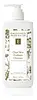
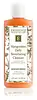
Eminence Organics Clear Skin Probiotic Cleanser Versus Eminence Organics Mangosteen Daily Resurfacing Cleanser
This salicylic acid gel cleanser is formulated around Salicylic Acid to clear breakouts and unclog pores.
This gel cleanser uses mild cleansing ingredients, but contains alcohol that may feel drying for some.

What's inside
What's inside
 Key Ingredients
Benefits
Concerns
Ingredients Side-by-side
Cucumis Melo Juice
SoothingSalix Alba Bark Extract
Astringent


Rosa Canina Fruit Extract
Astringent

Hydrolyzed Grape Fruit Extract
HumectantSymphytum Officinale Leaf Extract
Skin ConditioningLavandula Angustifolia Flower Extract
Cleansing

Equisetum Arvense Extract
AstringentMentha Piperita Leaf Extract
Skin ConditioningCalendula Officinalis Flower Extract
Masking

Glycine Max Root Extract
Skin ConditioningSweet Almond Amino Acids
HumectantLauryl Glucoside
CleansingBenzyl Alcohol
Perfuming



Salicylic Acid
Masking






Glycerin
Humectant
Sorbic Acid
Preservative
Yogurt
Skin ProtectingCucumis Sativus Fruit Extract
Emollient
Citric Acid
Buffering
Menthol
Masking
Melaleuca Alternifolia Leaf Oil
Antioxidant


Citrus Limon Fruit Extract
Masking
Malpighia Emarginata Fruit Extract
Skin ConditioningPhyllanthus Emblica Fruit Extract
HumectantAdansonia Digitata Seed Oil
Emollient
Camphor
Masking
Daucus Carota Sativa Root Extract
Skin Conditioning
Cocos Nucifera Water
Masking
Lycium Barbarum Fruit Extract
Astringent
Tapioca Starch
Thioctic Acid
Antioxidant
Cucumis Melo Juice, Salix Alba Bark Extract, Rosa Canina Fruit Extract, Hydrolyzed Grape Fruit Extract, Symphytum Officinale Leaf Extract, Lavandula Angustifolia Flower Extract, Equisetum Arvense Extract, Mentha Piperita Leaf Extract, Calendula Officinalis Flower Extract, Glycine Max Root Extract, Sweet Almond Amino Acids, Lauryl Glucoside, Benzyl Alcohol, Salicylic Acid, Glycerin, Sorbic Acid, Yogurt, Cucumis Sativus Fruit Extract, Citric Acid, Menthol, Melaleuca Alternifolia Leaf Oil, Citrus Limon Fruit Extract, Malpighia Emarginata Fruit Extract, Phyllanthus Emblica Fruit Extract, Adansonia Digitata Seed Oil, Camphor, Daucus Carota Sativa Root Extract, Cocos Nucifera Water, Lycium Barbarum Fruit Extract, Tapioca Starch, Thioctic Acid
Prunus Armeniaca Fruit Extract
Skin ConditioningAloe Barbadensis Leaf Juice
Skin Conditioning
Pyrus Malus Juice
Skin ConditioningMalus Domestica Fruit Extract
Antioxidant
Vitis Vinifera Juice
Antioxidant
Vitis Vinifera
MaskingHippophae Rhamnoides Fruit Juice
Skin ConditioningCalendula Officinalis Flower Oil
Masking
Helianthus Annuus Seed Oil
Emollient
Prunus Armeniaca Kernel Oil
Masking
Calendula Officinalis Flower Extract
Masking
Achillea Millefolium Extract
CleansingTrifolium Pratense Flower Extract
AstringentEchinacea Purpurea Root Extract
MoisturisingRosmarinus Officinalis Leaf Extract
AntimicrobialGlycerin
Humectant
Heptyl Glucoside
SurfactantLauryl Glucoside
CleansingCoco-Betaine
Cleansing
Zingiber Officinale Root Extract
Masking
Panax Ginseng Root Extract
Emollient
Garcinia Mangostana Fruit Extract
Skin ConditioningLycium Barbarum Callus Culture Extract
Skin ConditioningVaccinium Macrocarpon Fruit Extract
AstringentVaccinium Myrtillus Fruit Extract
Skin ConditioningLactic Acid
Buffering
Benzyl Alcohol
Perfuming
Dehydroacetic Acid
Preservative
Prunus Persica Fruit Water
Masking
Isopentyldiol
Humectant
Ribose
HumectantStyrene/Acrylates Copolymer
Euterpe Oleracea Fruit Extract
Citrus Limon Peel
MaskingMalpighia Glabra Fruit Extract
Skin ConditioningEmblica Officinalis Fruit
Skin ConditioningAdansonia Digitata Seed Oil
Emollient
Myrciaria Dubia Fruit Extract
Skin ConditioningDaucus Carota Sativa Root Extract
Skin Conditioning
Cocos Nucifera Water
Masking
Lycium Barbarum Fruit Extract
Astringent
Tapioca Starch
Potassium Sorbate
Preservative
Sodium Benzoate
Masking
Prunus Armeniaca Fruit Extract, Aloe Barbadensis Leaf Juice, Pyrus Malus Juice, Malus Domestica Fruit Extract, Vitis Vinifera Juice, Vitis Vinifera, Hippophae Rhamnoides Fruit Juice, Calendula Officinalis Flower Oil, Helianthus Annuus Seed Oil, Prunus Armeniaca Kernel Oil, Calendula Officinalis Flower Extract, Achillea Millefolium Extract, Trifolium Pratense Flower Extract, Echinacea Purpurea Root Extract, Rosmarinus Officinalis Leaf Extract, Glycerin, Heptyl Glucoside, Lauryl Glucoside, Coco-Betaine, Zingiber Officinale Root Extract, Panax Ginseng Root Extract, Garcinia Mangostana Fruit Extract, Lycium Barbarum Callus Culture Extract, Vaccinium Macrocarpon Fruit Extract, Vaccinium Myrtillus Fruit Extract, Lactic Acid, Benzyl Alcohol, Dehydroacetic Acid, Prunus Persica Fruit Water, Isopentyldiol, Ribose, Styrene/Acrylates Copolymer, Euterpe Oleracea Fruit Extract, Citrus Limon Peel, Malpighia Glabra Fruit Extract, Emblica Officinalis Fruit, Adansonia Digitata Seed Oil, Myrciaria Dubia Fruit Extract, Daucus Carota Sativa Root Extract, Cocos Nucifera Water, Lycium Barbarum Fruit Extract, Tapioca Starch, Potassium Sorbate, Sodium Benzoate
Reviews
Alternatives
Ingredients Explained
These ingredients are found in both products.
Ingredients higher up in an ingredient list are typically present in a larger amount.
This ingredient is also known as Baobab Seed Oil. Like most plant oils, it works by sitting on the skin's surface to slow water loss and keep skin soft.
The fatty acid content of this oil is roughly 25-36% linoleic acid, 20-30% oleic acid, and 25-30% palmitic acid. Plus, it has smaller amounts of stearic and linolenic acid.
Linoleic acid is the most abundant fatty acid naturally found in your epidermis and your skin uses it to build ceramides.
Baobab seed oil also brings some Vitamin E that provides mild antioxidant activity and helps keep the oil itself stable.
An actual human study that ran a 48-hour occlusive patch test found this ingredient caused no significant irritation.
Because this ingredient is full of C16-18 fatty acids that Malassezia feeds on, this ingredient may not be fungal acne safe.
Learn more about Adansonia Digitata Seed OilBenzyl Alcohol is an aromatic alcohol with several roles: it's a preservative, solvent, and mild fragrance component with a floral scent.
This ingredient has been deemed safe for use in cosmetic formulations at concentrations up to 5%, and up to 10% in hair dyes. You'll typically see 0.5-2% in most rinse-off or leave-on products.
As a preservative, it works by disrupting the membrane of microbial proteins. This helps keep bacteria and fungi from growing in your products.
The sensitization picture is actually quite assuring as well:of nearly 71,000 patients patch tested with benzyl alcohol, only 0.21% showed a positive reaction with most of them being weakly positive.
This led researchers to conclude that benzyl alcohol cannot be regarded as a significant contact allergen.
It is worth noting this ingredient is classified as one of the EU's regulated fragrance allergens and restricted to 1% in finished products.
Labels must also declare it in concentrations above 0.001% in leave-on products and 0.01% in rinse-off products.
At concentrations around 5%, localized redness and itching can appear as a direct irritant response and not as a true allergic reaction.
Learn more about Benzyl AlcoholCalendula Officinalis Flower Extract comes from the marigold flower and has been used on skin for centuries for its calming effect.
In the lab, its active compounds appear to calm inflammation and support the early "healing" phase of minor wounds.
This is why Europe's medicines regulator has approved calendula extracts as a traditional remedy for minor skin inflammation and healing small wounds.
The stronger human evidence is around would/ulcer care rather than everyday cosmetic claims; a review that pulled together 14 studies found that calendula helped calm the early, inflamed stage of a wound and helped new skin tissue form faster.
Two studies also showed it shrank leg ulcers (the kind caused by poor circulation). Results were mixed for burns and for the skin irritation people get from radiation treatment, so it's not a sure thing there.
In cosmetics, it's mostly a skin conditioning and soothing agent.
The Cosmetic Ingredient Review panel concluded that calendula-derived ingredients are safe as used and that the ingredients are not irritating, sensitizing, or photosensitizing in clinical tests (though they may be mild eye irritants).
Typical use levels are quite low; industry data reported it used at under 0.5% (one supplier noted a 10-25% extract blend used at 1-10% in the finished product). Historical use goes up to 10%.
The only thing to keep in mind is if you have daisy/ragweed allergies. Calendula is in the same family and one patch-test study found 2% of dermatitis patients reacted to marigold. Be sure to patch test if you have sensitive or allergy-prone skin.
Learn more about Calendula Officinalis Flower ExtractDaucus Carota Sativa Root Extract comes from the root commonly known as carrot (the orange kind we eat!).
This extract contains beta-carotene, a pigment responsible for giving plants the orange color. Beta-carotene is a potent antioxidant. Antioxidants may help reduce the signs of aging.
Beta-carotene is the reason we turn orange if we eat too many carrots.
It should be noted coming into contact with the leaves of wild carrots can cause skin irritation. The sap causes phytophotodermatitis, or sensitivity exposed to sunlight.
This ingredient is created using the edible parts of the carrot.
Learn more about Daucus Carota Sativa Root ExtractGlycerin (or glycerol) is a compound naturally found in your skin. It's a powerhouse humectant that pulls water into the stratum corneum.
Topically, glycerin does several things at once:
Your skin makes glycerin on its own (mostly from sebaceous oil breakdown) and shuttles it to your outermost layer of skin, or your epidermis, via aquaporin-3.
Aquaporin-3 is a transporter that is essential for normal skin hydration, elasticity, and repair. Interestingly, mice lacking in AQP3 have dry and less elastic skin that can be fully corrected with glycerin.
This ingredient is non-irritating, plays well with almost every ingredient, and works across all skin types. Typical use is anywhere between 3-10% but can go up to 79% in some leave-on products.
Just know very high concentrations (>40%) can feel tacky in low humidity.
Glycerin is the name for this ingredient in American English. British English uses Glycerol/Glycerine.
Learn more about GlycerinLauryl Glucoside sugar- and lipid-based cleansing agent. It is created from glucose and lauryl alcohol.
This ingredient is a surfactant, making it easier to rinse oil, dirt, and other pollutants away.
A British study found lauryl glucoside to cause skin sensitivity for some people. We recommend speaking with a professional if you have concerns.
Other names for this ingredient include "Lauryl Polyglucose", "Lauryl glycoside", and "D-Glucopyranoside".
Learn more about Lauryl GlucosideLycium Barbarum Fruit Extract comes from the Goji Berry. Goji berries are native to China and can be found across Eurasia.
Goji berries contain polysaccharides, carotenoids and flavonoids. Antioxidants help your body fight off free-radical molecules. These molecules are unstable and may damage your skin. By making free-radicals more stable, antioxidants can help with anti-aging.
Polysaccharides help hydrate the top layer of skin due to its ability to mimic natural carbohydrates.
Learn more about Lycium Barbarum Fruit ExtractTapioca starch is a thickening agent and is made from the cassava root, also known as yucca.
According to a manufacturer, it is an excellent talc replacement.
It is gluten-free.
Learn more about Tapioca Starch

