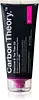
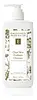
Carbon Theory Anti-Breakout Facial Cleansing Gel Versus Eminence Organics Clear Skin Probiotic Cleanser
This salicylic acid gel cleanser is formulated around Salicylic Acid to clear breakouts and unclog pores.
This salicylic acid gel cleanser is formulated around Salicylic Acid to clear breakouts and unclog pores.


What's inside
What's inside
 Key Ingredients
Benefits
Concerns
Ingredients Side-by-side
Water
Skin ConditioningDecyl Glucoside
Cleansing
Glycerin
Humectant


Polysorbate 20
Emulsifying

Polyglyceryl-4 Caprate
EmulsifyingLauryl Glucoside
CleansingCarbomer
Emulsion StabilisingCharcoal Powder
Abrasive


Melaleuca Alternifolia Leaf Oil
Antioxidant





Shea Butter Glycereth-8 Esters
Cleansing
Salicylic Acid
Masking





Sodium Hydroxide
BufferingSodium Phytate
ChelatingSorbic Acid
Preservative
Benzyl Alcohol
Perfuming


Limonene
Perfuming
Cucumis Melo Juice
SoothingSalix Alba Bark Extract
Astringent

Rosa Canina Fruit Extract
Astringent
Hydrolyzed Grape Fruit Extract
HumectantSymphytum Officinale Leaf Extract
Skin ConditioningLavandula Angustifolia Flower Extract
Cleansing
Equisetum Arvense Extract
AstringentMentha Piperita Leaf Extract
Skin ConditioningCalendula Officinalis Flower Extract
Masking
Glycine Max Root Extract
Skin ConditioningSweet Almond Amino Acids
HumectantLauryl Glucoside
CleansingBenzyl Alcohol
Perfuming
Salicylic Acid
Masking
Glycerin
Humectant
Sorbic Acid
Preservative
Yogurt
Skin ProtectingCucumis Sativus Fruit Extract
Emollient
Citric Acid
Buffering
Menthol
Masking
Melaleuca Alternifolia Leaf Oil
Antioxidant
Citrus Limon Fruit Extract
Masking
Malpighia Emarginata Fruit Extract
Skin ConditioningPhyllanthus Emblica Fruit Extract
HumectantAdansonia Digitata Seed Oil
Emollient
Camphor
Masking
Daucus Carota Sativa Root Extract
Skin Conditioning
Cocos Nucifera Water
Masking
Lycium Barbarum Fruit Extract
Astringent
Tapioca Starch
Thioctic Acid
Antioxidant
Cucumis Melo Juice, Salix Alba Bark Extract, Rosa Canina Fruit Extract, Hydrolyzed Grape Fruit Extract, Symphytum Officinale Leaf Extract, Lavandula Angustifolia Flower Extract, Equisetum Arvense Extract, Mentha Piperita Leaf Extract, Calendula Officinalis Flower Extract, Glycine Max Root Extract, Sweet Almond Amino Acids, Lauryl Glucoside, Benzyl Alcohol, Salicylic Acid, Glycerin, Sorbic Acid, Yogurt, Cucumis Sativus Fruit Extract, Citric Acid, Menthol, Melaleuca Alternifolia Leaf Oil, Citrus Limon Fruit Extract, Malpighia Emarginata Fruit Extract, Phyllanthus Emblica Fruit Extract, Adansonia Digitata Seed Oil, Camphor, Daucus Carota Sativa Root Extract, Cocos Nucifera Water, Lycium Barbarum Fruit Extract, Tapioca Starch, Thioctic Acid
Reviews
Ingredients Explained
These ingredients are found in both products.
Ingredients higher up in an ingredient list are typically present in a larger amount.
Benzyl Alcohol is an aromatic alcohol with several roles: it's a preservative, solvent, and mild fragrance component with a floral scent.
This ingredient has been deemed safe for use in cosmetic formulations at concentrations up to 5%, and up to 10% in hair dyes. You'll typically see 0.5-2% in most rinse-off or leave-on products.
As a preservative, it works by disrupting the membrane of microbial proteins. This helps keep bacteria and fungi from growing in your products.
The sensitization picture is actually quite assuring as well:of nearly 71,000 patients patch tested with benzyl alcohol, only 0.21% showed a positive reaction with most of them being weakly positive.
This led researchers to conclude that benzyl alcohol cannot be regarded as a significant contact allergen.
It is worth noting this ingredient is classified as one of the EU's regulated fragrance allergens and restricted to 1% in finished products.
Labels must also declare it in concentrations above 0.001% in leave-on products and 0.01% in rinse-off products.
At concentrations around 5%, localized redness and itching can appear as a direct irritant response and not as a true allergic reaction.
Learn more about Benzyl AlcoholGlycerin (or glycerol) is a compound naturally found in your skin. It's a powerhouse humectant that pulls water into the stratum corneum.
Topically, glycerin does several things at once:
Your skin makes glycerin on its own (mostly from sebaceous oil breakdown) and shuttles it to your outermost layer of skin, or your epidermis, via aquaporin-3.
Aquaporin-3 is a transporter that is essential for normal skin hydration, elasticity, and repair. Interestingly, mice lacking in AQP3 have dry and less elastic skin that can be fully corrected with glycerin.
This ingredient is non-irritating, plays well with almost every ingredient, and works across all skin types. Typical use is anywhere between 3-10% but can go up to 79% in some leave-on products.
Just know very high concentrations (>40%) can feel tacky in low humidity.
Glycerin is the name for this ingredient in American English. British English uses Glycerol/Glycerine.
Learn more about GlycerinLauryl Glucoside sugar- and lipid-based cleansing agent. It is created from glucose and lauryl alcohol.
This ingredient is a surfactant, making it easier to rinse oil, dirt, and other pollutants away.
A British study found lauryl glucoside to cause skin sensitivity for some people. We recommend speaking with a professional if you have concerns.
Other names for this ingredient include "Lauryl Polyglucose", "Lauryl glycoside", and "D-Glucopyranoside".
Learn more about Lauryl GlucosideThis ingredient is also known as tea tree oil. It has antioxidant, anti-inflammatory, and antimicrobial properties.
Tea tree oil is a complex lipophilic (fat-loving) oil that contains around 100 compounds with terpinen-4-ol being the most abundant (~40%).
Terpinen-4-ol is responsible for tea tree oil's broad-spectrum antimicrobial activity and makes it a well-researched option for acne.
Clinical studies support 5% tea tree oil as an effective topical treatment for mild to moderate acne. A study with 124 patients compared 5% tea tree oil gel to 5% benzoyl peroxide and both reduced acne (though tea tree oil worked more slowly).
Besides acne, it is also seen in anti-dandruff shampoos and scalp treatments for it's antimicrobial and anti-seborrheic properties.
Safety-wise, the allergic potential of low concentrations on healthy skin is considered low. However, oxidized (old or improperly stored) tea tree oil is a stronger sensitizer.
Irritation can also occur if using the undiluted oil on skin; it's best to use this ingredient as part of a carefully crafted cosmetic formula. This is because regulations require tea tree oil in cosmetics to be stabilized to prevent degradation.
This ingredient has been deemed safe up to 2% in shampoo, 1% in cleansers, and 0.1% in face cream by the EU's Scientific Committee on Consumer Safety (SCCS).
There is some lab evidence that tea tree oil is antifungal against Malassezia, but it is a supportive option at best and not a replacement for proven antifungal treatments.
Learn more about Melaleuca Alternifolia Leaf OilSalicylic Acid (also known as beta hydroxy acid or BHA) is a well-known ingredient for treating skin that struggles with acne and clogged pores. It exfoliates both the skin's surface and deep within the pores to help clear out buildup, control oil, and reduce inflammation.
Unlike AHAs (alpha hydroxy acids), salicylic acid is oil-soluble. This allows it to penetrate into pores which makes it especially effective for treating blackheads and preventing future breakouts.
Salicylic acid is also known for its soothing properties. It has a similar structure to aspirin and can calm inflamed or irritated skin, making it a good option for acne-prone skin that is also sensitive.
Concentrations of 0.5-2% are recognized by the U.S. FDA as an over-the-counter topical acne product.
It can cause irritation and/or dryness if one's skin already has a compromised moisture barrier, so it's best to focus on repairing that before introducing this ingredient into your routine.
While salicylic acid does not increase sun sensitivity, it’s still important to wear sunscreen daily to protect your skin.
If you are looking for the ingredient called BHA or Butylated Hydroxyanisole, click here.
Learn more about Salicylic AcidSorbic Acid is a preservative that stops your product from spoiling by stopping microbes from growing.
As a preservative, it's kind of a specialist: it has a broad spectrum of activity against yeast and molds but is weaker against bacteria. That's why it's often paired with another preservative to cover that gap.
This ingredient is also pretty picky about pH; it performs best at pH 6.5 or below.
At the right pH level, sorbic acid is "active" and can slip through the outer wall of a microbe. Once inside, it turns the cell's interior more acidic to shut down the microbe from the inside.
The EU caps this ingredient at 0.6% while the CIR has concluded it's safe at concentrations up to 1%. It's most often used around 0.05-0.2% in cosmetics.
Though this ingredient is considered low-sensitizing and well-tolerated, a very small number of people may have a contact allergy to it. Be sure to patch test if you have a history of allergies towards preservatives.
Learn more about Sorbic Acid

