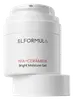
This brightening moisturizer is formulated around Niacinamide and Alpha-Arbutin to brighten dull-looking skin and strengthen the skin barrier.
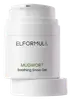
This calming moisturizer is formulated around Centella Asiatica Extract and Panthenol to calm redness and hydrate skin.

What's inside
What's inside
 Key Ingredients
Benefits
Concerns
Ingredients Side-by-side
Water
Skin ConditioningDimethicone
Emollient

Butylene Glycol
Humectant

Niacinamide
Smoothing









PEG/PPG/Polybutylene Glycol-8/5/3 Glycerin
HumectantPEG/PPG-17/6 Copolymer
SolventAlpha-Arbutin
Antioxidant

Betaine
Humectant
Cyclopentasiloxane
Emollient
1,2-Hexanediol
Skin Conditioning
Hydroxyacetophenone
Antioxidant
Acetyl Glucosamine
Skin Conditioning
PEG-12 Dimethicone
Skin Conditioning
Ammonium Acryloyldimethyltaurate/Vp Copolymer
Sodium Acrylate/Sodium Acryloyldimethyl Taurate Copolymer
Emulsion StabilisingPanthenol
Skin Conditioning
Acrylates/C10-30 Alkyl Acrylate Crosspolymer
Emulsion StabilisingTriethanolamine
BufferingIsohexadecane
EmollientPolysilicone-3
Skin Conditioning
Bisabolol
Antioxidant
Polysorbate 80
Emulsifying

Bis-PEG-15 Methyl Ether Dimethicone
Emulsifying
Disodium EDTA
ChelatingLaureth-7
EmulsifyingSaccharomyces/Rice Ferment Filtrate
Skin Conditioning
Sodium Hyaluronate
Humectant
Ceramide EOP
Skin Conditioning
Ceramide AP
Skin Conditioning
Beta-Glucan
Skin Conditioning
Saururus Chinensis Leaf/Root Extract
Antimicrobial
Taraxacum Officinale Leaf Extract
Skin ConditioningPropanediol
Solvent
Sorbitan Oleate
Emulsifying

Hydrolyzed Oats
Skin ConditioningFructose
Humectant
Glycerin
Humectant
Stephania Tetrandra Root Extract
Skin ConditioningPhosphatidylcholine
EmulsifyingChrysanthellum Indicum Extract
Skin Conditioning
Calendula Officinalis Flower Extract
Masking
CI 16255
Cosmetic ColorantCeramide NP
Skin Conditioning
Polyglyceryl-10 Oleate
Skin Conditioning
Lespedeza Capitata Leaf/Stem Extract
Skin ConditioningCentella Asiatica Root Extract
Skin Conditioning
Tocopherol
Antioxidant
Sodium Stearoyl Glutamate
CleansingPhenoxyethanol
Preservative
Glyceryl Caprylate
EmollientEthylhexylglycerin
Skin ConditioningWater, Dimethicone, Butylene Glycol, Niacinamide, PEG/PPG/Polybutylene Glycol-8/5/3 Glycerin, PEG/PPG-17/6 Copolymer, Alpha-Arbutin, Betaine, Cyclopentasiloxane, 1,2-Hexanediol, Hydroxyacetophenone, Acetyl Glucosamine, PEG-12 Dimethicone, Ammonium Acryloyldimethyltaurate/Vp Copolymer, Sodium Acrylate/Sodium Acryloyldimethyl Taurate Copolymer, Panthenol, Acrylates/C10-30 Alkyl Acrylate Crosspolymer, Triethanolamine, Isohexadecane, Polysilicone-3, Bisabolol, Polysorbate 80, Bis-PEG-15 Methyl Ether Dimethicone, Disodium EDTA, Laureth-7, Saccharomyces/Rice Ferment Filtrate, Sodium Hyaluronate, Ceramide EOP, Ceramide AP, Beta-Glucan, Saururus Chinensis Leaf/Root Extract, Taraxacum Officinale Leaf Extract, Propanediol, Sorbitan Oleate, Hydrolyzed Oats, Fructose, Glycerin, Stephania Tetrandra Root Extract, Phosphatidylcholine, Chrysanthellum Indicum Extract, Calendula Officinalis Flower Extract, CI 16255, Ceramide NP, Polyglyceryl-10 Oleate, Lespedeza Capitata Leaf/Stem Extract, Centella Asiatica Root Extract, Tocopherol, Sodium Stearoyl Glutamate, Phenoxyethanol, Glyceryl Caprylate, Ethylhexylglycerin
Water
Skin ConditioningErythritol
Humectant
Butylene Glycol
Humectant
Glycerin
Humectant
Centella Asiatica Extract
Cleansing
Cyclopentasiloxane
Emollient
PEG/PPG/Polybutylene Glycol-8/5/3 Glycerin
HumectantMethyl Gluceth-20
Humectant
Betaine
Humectant
Dimethicone
Emollient
Cyclohexasiloxane
Emollient
1,2-Hexanediol
Skin Conditioning
Hydroxyacetophenone
Antioxidant
Sodium Carbomer
Emulsion StabilisingPEG-12 Dimethicone
Skin Conditioning
Sodium Acrylates Crosspolymer-2
AbsorbentAllantoin
Skin Conditioning
Bisabolol
Antioxidant
Panthenol
Skin Conditioning
Artemisia Vulgaris Extract
Skin Conditioning
Menthoxypropanediol
Masking
Sodium Acrylate/Sodium Acryloyldimethyl Taurate Copolymer
Emulsion StabilisingPPG-15 Stearyl Ether
EmollientIsohexadecane
EmollientPolysorbate 80
Emulsifying
Artemisia Argyi Leaf Extract
Skin ConditioningMelaleuca Alternifolia Leaf Oil
Antioxidant

PEG-40 Hydrogenated Castor Oil
Emulsifying
Saururus Chinensis Leaf/Root Extract
Antimicrobial
Taraxacum Officinale Leaf Extract
Skin ConditioningPhenoxyethanol
Preservative
Silica
Abrasive
Stephania Tetrandra Root Extract
Skin ConditioningSorbitan Oleate
Emulsifying
CI 19140
Cosmetic ColorantEthylhexylglycerin
Skin ConditioningCI 42090
Cosmetic ColorantTocopherol
Antioxidant
Water, Erythritol, Butylene Glycol, Glycerin, Centella Asiatica Extract, Cyclopentasiloxane, PEG/PPG/Polybutylene Glycol-8/5/3 Glycerin, Methyl Gluceth-20, Betaine, Dimethicone, Cyclohexasiloxane, 1,2-Hexanediol, Hydroxyacetophenone, Sodium Carbomer, PEG-12 Dimethicone, Sodium Acrylates Crosspolymer-2, Allantoin, Bisabolol, Panthenol, Artemisia Vulgaris Extract, Menthoxypropanediol, Sodium Acrylate/Sodium Acryloyldimethyl Taurate Copolymer, PPG-15 Stearyl Ether, Isohexadecane, Polysorbate 80, Artemisia Argyi Leaf Extract, Melaleuca Alternifolia Leaf Oil, PEG-40 Hydrogenated Castor Oil, Saururus Chinensis Leaf/Root Extract, Taraxacum Officinale Leaf Extract, Phenoxyethanol, Silica, Stephania Tetrandra Root Extract, Sorbitan Oleate, CI 19140, Ethylhexylglycerin, CI 42090, Tocopherol
Ingredients Explained
These ingredients are found in both products.
Ingredients higher up in an ingredient list are typically present in a larger amount.
1,2-Hexanediol is a synthetic liquid and another multi-functional powerhouse.
It is a:
- Humectant, drawing moisture into the skin
- Emollient, helping to soften skin
- Solvent, dispersing and stabilizing formulas
- Preservative booster, enhancing the antimicrobial activity of other preservatives
Betaine is a humectant. Like hyaluronic acid, it helps attract and retain moisture in the skin. It’s known for being gentle and for helping the skin maintain balanced hydration.
Betaine is mainly used to improve hydration and support calmer skin. It helps skin cells regulate water balance because it functions as an osmolyte.
Some studies suggest betaine may support making skin tone more even.
Fun fact: Betaine naturally exists in the skin and the body. In cosmetic products, it can be either plant-derived (most commonly from sugar beets) or synthetically produced for consistency and stability.
Betaine is also known as trimethylglycine.
Learn more about BetaineBisabolol is a gentle skin conditioner, antioxidant, and soothing ingredient.
It's primary claim to fame is soothing and research shows topically applied bisabolol can quiet the chemical messengers that cause your skin to become inflamed, helping to sooth any irritation.
A clinical study found that applying 0.5% bisabolol daily for 8 weeks produced an average 9% decrease in skin pigmentation. Researchers found it can also suppress the process that leads to excess melanin production in skin.
In vitro studies found that bisabolol combined with propylene glycol significantly increased skin permeability by increasing lipid fluidity in the stratum corneum.
You'll likely see use concentrations quite low, usually 0.1-0.2%.
Overall, this is a well-tolerated ingredient that works well in formulas designed for sensitive, reactive, or post-procedure skin.
Learn more about BisabololButylene Glycol (or BG) is used within cosmetic products for a few different reasons:
Overall, Butylene Glycol is a safe and well-rounded ingredient that works well with other ingredients.
Though this ingredient works well with most skin types, some people with sensitive skin may experience a reaction such as allergic rashes, closed comedones, or itchiness.
Learn more about Butylene GlycolCyclopentasiloxane (D5) is a lightweight silicone that mostly acts as an emollient and solvent in cosmetics. Its the reason your products feel silky, fast-spreading, and non-greasy.
Since D5 is volatile, it does its thing and then evaporates off the skin quickly.
The safety profile of this ingredient is reassuring; the US CIR Expert Panel concluded D5 is safe as used in cosmetics and Health Canada concluded that D5 is not harmful to human health or the environment as currently used in cosmetics
There's a study that people mention about D5 in a rat study showing tumors. This study is related to long-term inhalation of high D5 levels.
Regulatory bodies have judged this study to be not applicable in topical skincare since skin absorption of D5 is very low and we're not really inhaling huge amounts of D5.
The only restriction for this ingredient is environmental. The European Chemicals Agency (ECHA) restricted D5 in wash-off cosmetics at or above 0.1% due to their persistence in water.
Learn more about CyclopentasiloxaneDimethicone is a type of synthetic silicone created from natural materials such as quartz. It is also known as polydimethylsiloxane.
What it does:
Dimethicone comes in different viscosities:
Depending on the viscosity, dimethicone has different properties.
Ingredients lists don't always show which type is used, so we recommend reaching out to the brand if you have questions about the viscosity.
This ingredient is unlikely to cause irritation because it does not get absorbed into skin. However, people with silicone allergies should be careful about using this ingredient.
Note: Dimethicone may contribute to pilling. This is because it is not oil or water soluble, so pilling may occur when layered with products. When mixed with heavy oils in a formula, the outcome is also quite greasy.
Learn more about DimethiconeEthylhexylglycerin is created from glycerin. It is a multitasker ingredient that:
The CIR Expert Panel found minimal skin absorption or sensitization of any kind in a safety assessment. Though this ingredient is considered well-tolerated, a small number of cases of allergic dermatitis have been published since 2002. Just be sure to patch test if you are unsure.
Industry-reported use ranges from 8% in rinse-off products and 2% in leave-on formulations.
Learn more about EthylhexylglycerinGlycerin (or glycerol) is a compound naturally found in your skin. It's a powerhouse humectant that pulls water into the stratum corneum.
Topically, glycerin does several things at once:
Your skin makes glycerin on its own (mostly from sebaceous oil breakdown) and shuttles it to your outermost layer of skin, or your epidermis, via aquaporin-3.
Aquaporin-3 is a transporter that is essential for normal skin hydration, elasticity, and repair. Interestingly, mice lacking in AQP3 have dry and less elastic skin that can be fully corrected with glycerin.
This ingredient is non-irritating, plays well with almost every ingredient, and works across all skin types. Typical use is anywhere between 3-10% but can go up to 79% in some leave-on products.
Just know very high concentrations (>40%) can feel tacky in low humidity.
Glycerin is the name for this ingredient in American English. British English uses Glycerol/Glycerine.
Learn more about GlycerinHydroxyacetophenone is a small phenolic molecule that earns its place in a formulas as an antioxidant and preservative booster.
As a phenol, it is able to neutralize free radicals to protect both the product and the skin from oxidative stress.
Though it can't kill microbes on its own, it works as a good supporting agent when combined with other preservatives like Phenoxyethanol or 1,2-Hexanediol.
This ingredient naturally occurs as piceol in Norwegian spruce needles (~0.4-1.1% dry weight and in cloudberries). Though the cosmetic-grade material is synthesized for purity and consistency.
You'll usually see it used at low levels and suppliers recommend up to 1% added to a water phase.
Safety testing was done at concentrations like 0.05% in SPF products and 0.5% in a Human Repeated Insult Patch Test. The safety evidence is assuring; this ingredient is safe for cosmetics in current use and also holds safety status as a food flavoring as well.
An honest caveat: the "soothing" and "anti-inflammatory" claims come mostly from supplier marketing rather than published clinical trials. The Cosmetic Ingredient Review's own literature search found no useful efficacy studies on this ingredient.
So the antioxidant and preservative-boosting roles are the well supported ones while the calming benefit is plausible but thinly evidenced.
Overall, this is a well-tolerated, low-irritation multitasker that quietly helps a formula stay fresh and stable.
Learn more about HydroxyacetophenoneIsohexadecane is added to enhance texture, emulsify, and to help cleanse. It is an isoparrafin. It is a component of petrolatum.
Due to its large size, Isohexadecane is not absorbed by the skin. Instead, it sits on top and acts as an emollient. Emollients help keep your skin soft and smooth by trapping moisture within.
Isohexadecane is often used in products designed to help oily skin. It is lightweight and non-greasy while helping to moisturize. When mixed with silicones, it gives a product a silky feel.
Learn more about IsohexadecanePanthenol is a common ingredient that helps hydrate and soothe the skin. It is found naturally in our skin and hair.
There are two forms of panthenol: D and L.
D-panthenol is also known as dexpanthenol. Most cosmetics use dexpanthenol or a mixture of D and L-panthenol.
Panthenol is famous due to its ability to go deeper into the skin's layers. Using this ingredient has numerous pros (and no cons):
Like hyaluronic acid, panthenol is a humectant. Humectants are able to bind and hold large amounts of water to keep skin hydrated.
This ingredient works well for wound healing. It works by increasing tissue in the wound and helps close open wounds.
Once oxidized, panthenol converts to pantothenic acid. Panthothenic acid is found in all living cells.
This ingredient is also referred to as pro-vitamin B5.
Learn more about PanthenolPEG-12 Dimethicone is a type of water-soluble silicone. It has skin conditioning and hydrating properties.
According to a manufacturer, this ingredient's stability is decreased by strong acid or alkali.
This ingredient is a water-soluble emollient and is derived from glycerin. It also has surfactant properties and can help dissolve oils or actives in water-based products.
According to the manufacturer, this ingredient:
- Moisturizes without stickiness or greasiness.
- Improves the penetration of water-based ingredients while reducing penetration of oil-based ones to help balance delivery in formulations
Phenoxyethanol is one of the most widely used preservatives in skincare (and for good reason!).
It has a large spectrum of antimicrobial activity and especially effective bacteria, yeast, and mold while only having a weak effect on your skin's natural microbiome.
On a cellular level, it disrupts the cell membranes of microbes by poking holes that make the cell leak. This shuts down the chemical reactions the microbe needs to make energy so it can no longer survive.
Another perk of this ingredient is that it stays functional across a wide pH range (3-10).
You'll often see it paired with boosters like Ethylhexylglycerin; one study showed that a 1:9 ratio of Ethylhexylglycerin to Phenoxyethanol damages bacterial membranes as effectively as doubling the Phenoxyethanol concentration on its own.
Typical use concentrations range from 0.3-1% depending on the formula, and this ingredient is capped at 1% int the EU.
Safety-wise, the fear mongering does not hold up to the evidence. The EU's Scientific Committee on Consumer Safety and FDA consider it safe as a preservative at up to 1%, including for children of all ages.
Adverse systemic effects only showed up in animal studies at exposures roughly 200x higher than what people get from cosmetics. And despite its very widespread use, this ingredient is a rare sensitizer and allergic reactions are uncommon.
Learn more about PhenoxyethanolPolysorbate 80 is a synthetic surfactant and emulsifier derived from sorbitol and oleic acid.
It reduces the surface tension between oil and water phases to help them stay mixed and stable in a formulation. In other words, it prevents your formulas from separating into an oily mess.
The CIR Expert Panel has evaluated the scientific data and found this ingredient to be safe, non-irritating, and non-sensitizing at concentrations up to 5% (it's even approved by the FDA as an OTC eye drop ingredient).
Learn more about Polysorbate 80Saururus Chinensis Leaf/Root Extract is an antioxidant.
This long ingredient is a copolymer of sodium acrylate and sodium acryloyldimethyl taurate monomers.
It is used to help stabilize other ingredients and create a thicker gel-like texture.
Emulsifiers prevent oils and waters from separating.
Learn more about Sodium Acrylate/Sodium Acryloyldimethyl Taurate CopolymerSorbitan Oleate is a PEG-free emulsifier made by esterifying sorbitol with oleic acid.
You'll likely see it paired with Polysorbate 80 to create the right emulsification balance.
Typical use levels in formulas range from 2-10%.
The CIR Expert Panel has concluded this ingredient to be safe as a cosmetic ingredient.
Since this ingredient is an ester of oleic acid, it may not be fungal acne safe. Oleic acid is a fatty acid that falls into the C11-24 range that Malassezia can metabolize.
This ingredient does have a comedogenic rating of 3, but this doesn't mean a formula with this ingredient will clog pores. Human testing has proved that any finished product with a comedogenic ingredient won't automatically make you break out; it really comes down to concentration, formula, and your skin.
Learn more about Sorbitan OleateWe don't have a description for Stephania Tetrandra Root Extract yet.
This ingredient is also known as Dandelion leaf extract.
Studies show the leaf, stem, and roots of this plant are rich in antioxidants such as caffeic acid and polysaccharides, which act as humectants to help hydrate the skin.
Tocopherol is a fat-soluble antioxidant known as Vitamin E.
You'll find this ingredient in the vast majority of skincare (for good reason). It works to neutralize free radicals, or unstable molecules generated by UV exposure, pollution, and other environmental stressors, before they can cause oxidative damage to your skin cells.
Topically applied tocopherol has been shown to protect against UV damage by ramping up the skin's own natural defense enzymes.
It also acts as a skin conditioning agent; some studies show that regular topical use can improve the skin's water-binding capacity over 2-4 weeks.
This ingredient is especially loved for being a team player. When combined with Vitamin C, the photoprotective effect of both ingredients roughly doubles and the combo also helps reduce UV-induced DNA damage.
This ingredient has some brightening potential but it's more of a prevention ingredient than spot-fader. Cell studies show it can slow down melanin production but it's worth noting that it's not the most powerful brightener out there.
In formulations, it also serves as a stabilizer that helps protect other oxidation-prone ingredients from degrading.
Concentrations usually range from 0.1-1% in most leave-on products.
Learn more about TocopherolWater. It's the most common cosmetic ingredient of all. You'll usually see it at the top of ingredient lists, meaning that it makes up the largest part of the product.
So why is it so popular? Water most often acts as a solvent - this means that it helps dissolve other ingredients into the formulation.
You'll also recognize water as that liquid we all need to stay alive. If you see this, drink a glass of water. Remember to stay hydrated!
Learn more about Water

