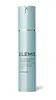
This wash off mask is made with Butyrospermum Parkii Butter and Sodium Hyaluronate for a rinse-off hydration boost.
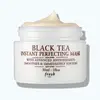
This wash off mask is made with Rice Ferment Filtrate and Saccharomyces Ferment Filtrate for a rinse-off hydration boost.


What's inside
What's inside
 Key Ingredients
Benefits
Concerns
Ingredients Side-by-side
Water
Skin ConditioningEthylhexyl Palmitate
Emollient




Isononyl Isononanoate
EmollientGlycerin
Humectant


Theobroma Cacao Seed Butter
Emollient
Butyrospermum Parkii Butter
Skin Conditioning
Steareth-2
EmulsifyingSteareth-21
CleansingPhenoxyethanol
Preservative
Carbomer
Emulsion StabilisingPropylene Glycol
Humectant
Parfum
Masking


Chlorphenesin
Antimicrobial
Sodium Hydroxide
BufferingButylene Glycol
Humectant
Disodium EDTA
ChelatingPadina Pavonica Thallus Extract
Skin ConditioningArgania Spinosa Kernel Oil
Emollient



Kaolin
Abrasive


Sodium Dehydroacetate
Preservative
Glyceryl Acrylate/Acrylic Acid Copolymer
HumectantAvena Sativa Kernel Extract
Abrasive

Pentylene Glycol
Skin Conditioning
Morinda Citrifolia Fruit Extract
Skin Conditioning

Citronellol
Perfuming
Moringa Oleifera Seed Extract
Skin Conditioning
Linalool
Perfuming
Tocopherol
Antioxidant
Alpha-Isomethyl Ionone
Perfuming
Hydroxycitronellal
Perfuming
Disodium Phosphate
BufferingCitric Acid
Buffering
Collagen Amino Acids
Moisturising
Rhizobian Gum
Sodium Hyaluronate
Humectant
Coumarin
Perfuming
Leuconostoc/Radish Root Ferment Filtrate
Antimicrobial
Ethylhexylglycerin
Skin ConditioningPotassium Sorbate
Preservative
Water, Ethylhexyl Palmitate, Isononyl Isononanoate, Glycerin, Theobroma Cacao Seed Butter, Butyrospermum Parkii Butter, Steareth-2, Steareth-21, Phenoxyethanol, Carbomer, Propylene Glycol, Parfum, Chlorphenesin, Sodium Hydroxide, Butylene Glycol, Disodium EDTA, Padina Pavonica Thallus Extract, Argania Spinosa Kernel Oil, Kaolin, Sodium Dehydroacetate, Glyceryl Acrylate/Acrylic Acid Copolymer, Avena Sativa Kernel Extract, Pentylene Glycol, Morinda Citrifolia Fruit Extract, Citronellol, Moringa Oleifera Seed Extract, Linalool, Tocopherol, Alpha-Isomethyl Ionone, Hydroxycitronellal, Disodium Phosphate, Citric Acid, Collagen Amino Acids, Rhizobian Gum, Sodium Hyaluronate, Coumarin, Leuconostoc/Radish Root Ferment Filtrate, Ethylhexylglycerin, Potassium Sorbate
Water
Skin ConditioningGlycerin
Humectant
Rice Ferment Filtrate
Skin Conditioning
Caprylic/Capric Triglyceride
Masking
Pentylene Glycol
Skin Conditioning
Sodium Polyacrylate
Absorbent
Betaine
Humectant
Saccharomyces Ferment Filtrate
Humectant
Camellia Sinensis Leaf Extract
Antimicrobial
Avena Sativa Kernel Extract
Abrasive
Vitis Vinifera Seed Oil
Emollient
Litchi Chinensis Seed Extract
Skin ConditioningRubus Fruticosus Leaf Extract
MaskingRosa Damascena Flower Oil
Masking
Sodium Hyaluronate
Humectant
Adenosine
Skin Conditioning
Tocopheryl Acetate
Antioxidant
Tocopherol
Antioxidant
Ethylhexyl Palmitate
Emollient
Poloxamer 407
EmulsifyingButylene Glycol
Humectant
Parfum
Masking
Hydrogenated Lecithin
Emulsifying
Menthoxypropanediol
Masking
Maltodextrin
Absorbent
Silica
Abrasive
CI 77891
Cosmetic ColorantTrihydroxystearin
Skin Conditioning
Hydroxyethylcellulose
Emulsion StabilisingDisodium EDTA
ChelatingSodium Citrate
BufferingCaprylyl Glycol
Emollient
Citric Acid
Buffering
Caramel
Cosmetic ColorantHexylene Glycol
EmulsifyingPotassium Sorbate
Preservative
BHT
Antioxidant
Biotin
AntiseborrhoeicPhenoxyethanol
Preservative
Linalool
Perfuming
Water, Glycerin, Rice Ferment Filtrate, Caprylic/Capric Triglyceride, Pentylene Glycol, Sodium Polyacrylate, Betaine, Saccharomyces Ferment Filtrate, Camellia Sinensis Leaf Extract, Avena Sativa Kernel Extract, Vitis Vinifera Seed Oil, Litchi Chinensis Seed Extract, Rubus Fruticosus Leaf Extract, Rosa Damascena Flower Oil, Sodium Hyaluronate, Adenosine, Tocopheryl Acetate, Tocopherol, Ethylhexyl Palmitate, Poloxamer 407, Butylene Glycol, Parfum, Hydrogenated Lecithin, Menthoxypropanediol, Maltodextrin, Silica, CI 77891, Trihydroxystearin, Hydroxyethylcellulose, Disodium EDTA, Sodium Citrate, Caprylyl Glycol, Citric Acid, Caramel, Hexylene Glycol, Potassium Sorbate, BHT, Biotin, Phenoxyethanol, Linalool
Reviews
Ingredients Explained
These ingredients are found in both products.
Ingredients higher up in an ingredient list are typically present in a larger amount.
Avena Sativa Kernel Extract is is derived from colloidal oatmeal. Besides being a healthy breakfast, oats have many benefits in skincare too.
This ingredient helps sooth, hydrate, and protect the skin. The starches in colloidal oatmeal are able to bind water, keeping the skin hydrated.
The cellulose and fiber in colloidal oatmeal help reduce inflammation. This can also help the skin feel softer.
Colloidal Oatmeal is also an antioxidant. Antioxidants protect our skin from free-radical damage.
Oatmeal also contains beneficial compounds:
This ingredient is created by mixing grounded oatmeal and a liquid base.
Learn more about Avena Sativa Kernel ExtractButylene Glycol (or BG) is used within cosmetic products for a few different reasons:
Overall, Butylene Glycol is a safe and well-rounded ingredient that works well with other ingredients.
Though this ingredient works well with most skin types, some people with sensitive skin may experience a reaction such as allergic rashes, closed comedones, or itchiness.
Learn more about Butylene GlycolCitric Acid is an alpha hydroxy acid (AHA) naturally found in citrus fruits like oranges, lemons, and limes.
Like other AHAs, citric acid can exfoliate skin by breaking down the bonds that hold dead skin cells together. This helps reveal smoother and brighter skin underneath.
However, this exfoliating effect only happens at high concentrations (20%) which can be hard to find in cosmetic products.
Due to this, citric acid is usually included in small amounts as a pH adjuster. This helps keep products slightly more acidic and compatible with skin's natural pH.
In skincare formulas, citric acid can:
While it can provide some skin benefits, research shows lactic acid and glycolic acid are generally more effective and less irritating exfoliants.
Most citric acid used in skincare today is made by fermenting sugars (usually from molasses). This synthetic version is identical to the natural citrus form but easier to stabilize and use in formulations.
Rosacea skin has a lower threshold for acids generally, with 62.5% of rosacea subjects in one study reacting to lactic acid in a sting test. This is why we mark citric acid as a potential rosacea trigger.
However, this ingredient shows up as a pH adjuster or chelator at roughly 0.1-1% in many products. These low levels are unlikely to be an issue for rosacea skin and becomes a potential trigger at exfoliating concentrations (20%). Because everybody's skin is unique, we recommend a patch test if you are unsure.
Learn more about Citric AcidDisodium EDTA is a chelating agent. It grabs onto and deactivates metal ions that sneak into your products from water, packaging, or air.
This ingredient mainly works behind the scenes and helps with:
On top of that, this ingredient can counteract the effects of hard water by binding to the minerals in it.
One thing worth knowing is that Disodium EDTA has been shown to be a mild penetration enhancer. It can help other ingredients absorb into skin more effectively which can be a double-edged sword (great for actives, but can also make the active too strong if you have sensitive skin).
Clinical patch testing showed no significant skin irritation at typical use concentrations and minimal dermal absorption.
You'll most likely see this ingredient near the end of an ingredient list. It's typically found in concentrations less than 1%.
Learn more about Disodium EDTAEthylhexyl Palmitate, also known as octyl palmitate, is created from 2-ethylhexyl alcohol and palmitic acid.
In cosmetics, it plays many roles:
One thing worth noting: a controlled study found this ingredient applied under occlusion to acne-prone subjects increased microcomedones. Just keep in mind this was under occlusive conditions and don't reflect how most products are used day-to-day.
For most people, this is a well-tolerated and lightweight ingredient.
This ingredient may not be fungal acne safe because it is an ester of palmitic acid, a C16 fatty acid that falls within the C11-24 range that Malassezia can metabolize.
You'll see this one rated 4 comedogenic all over the internet. That number isn't from a single study, and the actual research is more interesting.
The original rating comes from 1980s rabbit ear tests (which are a shaky basis for anything). But Ethylhexyl Palmitate is one of the few ingredients with real human data behind it. A 2021 controlled trial found this ingredient increased microcomedones by an average of 365% over four weeks.
Just know that test used the pure ingredient under an occlusive pad on back skin; most products use it at much lower levels alongside other ingredients and plenty of people use those with no issue.
Learn more about Ethylhexyl PalmitateGlycerin (or glycerol) is a compound naturally found in your skin. It's a powerhouse humectant that pulls water into the stratum corneum.
Topically, glycerin does several things at once:
Your skin makes glycerin on its own (mostly from sebaceous oil breakdown) and shuttles it to your outermost layer of skin, or your epidermis, via aquaporin-3.
Aquaporin-3 is a transporter that is essential for normal skin hydration, elasticity, and repair. Interestingly, mice lacking in AQP3 have dry and less elastic skin that can be fully corrected with glycerin.
This ingredient is non-irritating, plays well with almost every ingredient, and works across all skin types. Typical use is anywhere between 3-10% but can go up to 79% in some leave-on products.
Just know very high concentrations (>40%) can feel tacky in low humidity.
Glycerin is the name for this ingredient in American English. British English uses Glycerol/Glycerine.
Learn more about GlycerinLinalool is a small, naturally occurring scent molecule found in plants like lavender, coriander, bergamot, and more.
It is one of the two most-used fragrance ingredients in cosmetics and added purely for smell. Since it's not used for a skin benefit, there's no "effective dose". Concentration depends on the fragrance load of the product.
The EU requires it to be named on the label above 0.001% in leave-on and 0.01% in rinse-off products.
Fresh linalool is a weak sensitizer but air exposure turns some of it into hydroperoxides, which are strong sensitizers. Those oxidation products are the actual allergy concern.
Patch-test clinics see positive reactions to linalool hydroperoxides in about 4% to 12% of dermatitis patients depending on country and test concentration.
Resassuringly, one analytical study found hydroperoxide levels in real fragranced products to be orders of magnitude below what induced sensitization in animal studies with no evidence of oxidation building up during normal storage.
The practical takeaway is that linalool is fine for most people but worth avoiding if you have a confirmed fragrance contact allergy or a badly compromised barrier.
Products stored a long time after opening are also the high-risk scenario since that is when oxidation happens.
The scent of linalool is described as floral, spicy tropical, and citrus-like.
Learn more about LinaloolParfum is a catch-all term for an ingredient or more that is used to give a scent to products.
Also called "fragrance", this ingredient can be a blend of hundreds of chemicals or plant oils. This means every product with "fragrance" or "parfum" in the ingredients list is a different mixture.
For instance, Habanolide is a proprietary trade name for a specific aroma chemical. When used as a fragrance ingredient in cosmetics, most aroma chemicals fall under the broad labeling category of “FRAGRANCE” or “PARFUM” according to EU and US regulations.
The term 'parfum' or 'fragrance' is not regulated in many countries. In many cases, it is up to the brand to define this term.
For instance, many brands choose to label themselves as "fragrance-free" because they are not using synthetic fragrances. However, their products may still contain ingredients such as essential oils that are considered a fragrance by INCI standards.
One example is Calendula flower extract. Calendula is an essential oil that still imparts a scent or 'fragrance'.
Depending on the blend, the ingredients in the mixture can cause allergies and sensitivities on the skin. Some ingredients that are known EU allergens include linalool and citronellol.
Parfum can also be used to mask or cover an unpleasant scent.
The bottom line is: not all fragrances/parfum/ingredients are created equally. If you are worried about fragrances, we recommend taking a closer look at an ingredient. And of course, we always recommend speaking with a professional.
Learn more about ParfumPentylene Glycol (1,2-pentanediol) is a multitasking little diol with three main roles in a formula:
Research on alkanediols (the family pentylene glycol belongs to) show they work by disrupting microbial cell membranes. This disruption helps the primary preservative system in a product work more effectively at lower doses.
On the safety side, the Cosmetic Ingredient Review Expert Panel has concluded this ingredient to be safe as used in current cosmetic practices + concentrations.
Typical use levels in a formula run about 1-5%.
Learn more about Pentylene GlycolPhenoxyethanol is one of the most widely used preservatives in skincare (and for good reason!).
It has a large spectrum of antimicrobial activity and especially effective bacteria, yeast, and mold while only having a weak effect on your skin's natural microbiome.
On a cellular level, it disrupts the cell membranes of microbes by poking holes that make the cell leak. This shuts down the chemical reactions the microbe needs to make energy so it can no longer survive.
Another perk of this ingredient is that it stays functional across a wide pH range (3-10).
You'll often see it paired with boosters like Ethylhexylglycerin; one study showed that a 1:9 ratio of Ethylhexylglycerin to Phenoxyethanol damages bacterial membranes as effectively as doubling the Phenoxyethanol concentration on its own.
Typical use concentrations range from 0.3-1% depending on the formula, and this ingredient is capped at 1% int the EU.
Safety-wise, the fear mongering does not hold up to the evidence. The EU's Scientific Committee on Consumer Safety and FDA consider it safe as a preservative at up to 1%, including for children of all ages.
Adverse systemic effects only showed up in animal studies at exposures roughly 200x higher than what people get from cosmetics. And despite its very widespread use, this ingredient is a rare sensitizer and allergic reactions are uncommon.
Learn more about PhenoxyethanolPotassium Sorbate is a preservative used to prevent yeast and mold in products. It is commonly found in both cosmetic and food products.
This ingredient comes from potassium salt derived from sorbic acid. Sorbic acid is a natural antibiotic and effective against fungus.
Both potassium sorbate and sorbic acid can be found in baked goods, cheeses, dried meats, dried fruit, ice cream, pickles, wine, yogurt, and more.
You'll often find this ingredient used with other preservatives.
Learn more about Potassium SorbateSodium Hyaluronate is the salt form of hyaluronic acid. It is a long sugar chain that is naturally found in your skin, joints, and connective tissue that maintains hydration and elasticity.
In skincare, it works as a humectant. It pulls water from the environment and deeper layers of skin and binds it to the surface.
Interestingly, the size of the molecule affects its behavior:
Some clinical evidence links low molecular weight versions to improved wrinkle depth, elasticity, anti-inflammatory effects, and barrier repair.
Many serums use a blend of both weights so you can get surface hydration plus longer-lasting and deeper effects.
You'll typically see concentrations between 0.1-2% for this ingredient.
Learn more about Sodium HyaluronateTocopherol is a fat-soluble antioxidant known as Vitamin E.
You'll find this ingredient in the vast majority of skincare (for good reason). It works to neutralize free radicals, or unstable molecules generated by UV exposure, pollution, and other environmental stressors, before they can cause oxidative damage to your skin cells.
Topically applied tocopherol has been shown to protect against UV damage by ramping up the skin's own natural defense enzymes.
It also acts as a skin conditioning agent; some studies show that regular topical use can improve the skin's water-binding capacity over 2-4 weeks.
This ingredient is especially loved for being a team player. When combined with Vitamin C, the photoprotective effect of both ingredients roughly doubles and the combo also helps reduce UV-induced DNA damage.
This ingredient has some brightening potential but it's more of a prevention ingredient than spot-fader. Cell studies show it can slow down melanin production but it's worth noting that it's not the most powerful brightener out there.
In formulations, it also serves as a stabilizer that helps protect other oxidation-prone ingredients from degrading.
Concentrations usually range from 0.1-1% in most leave-on products.
Learn more about TocopherolWater. It's the most common cosmetic ingredient of all. You'll usually see it at the top of ingredient lists, meaning that it makes up the largest part of the product.
So why is it so popular? Water most often acts as a solvent - this means that it helps dissolve other ingredients into the formulation.
You'll also recognize water as that liquid we all need to stay alive. If you see this, drink a glass of water. Remember to stay hydrated!
Learn more about Water

