

What's inside
What's inside
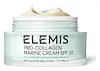 Key Ingredients
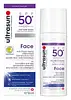
Benefits
Concerns
Ingredients Side-by-side
Water
Skin ConditioningGlycerin
Humectant


Caprylic/Capric Triglyceride
Masking
Glyceryl Stearate Se
Emulsifying


Isononyl Isononanoate
EmollientDicaprylyl Carbonate
EmollientDimethicone
Emollient
Butyl Methoxydibenzoylmethane
UV Absorber
Ethylhexyl Methoxycinnamate
UV Absorber

Phenoxyethanol
Preservative
Polyacrylate-13
Butylene Glycol
Humectant
Cetyl Alcohol
Emollient
Hydroxyacetophenone
Antioxidant


Octocrylene
UV Absorber
Stearic Acid
Cleansing
Tocopheryl Acetate
Antioxidant

Coco-Caprylate
Emollient
Xanthan Gum
EmulsifyingChlorphenesin
Antimicrobial
Polyisobutene
Parfum
Masking


Disodium EDTA
Lecithin
Emollient
Tocopherol
Antioxidant

Butyrospermum Parkii Butter
Skin Conditioning
Citric Acid
Buffering
Daucus Carota Sativa Root Extract
Skin Conditioning
Triticum Vulgare Germ Oil
Emollient
Chlorella Vulgaris Extract
Skin ConditioningGlyceryl Polyacrylate
Benzyl Benzoate
Antimicrobial
Glyceryl Acrylate/Acrylic Acid Copolymer
HumectantPadina Pavonica Thallus Extract
Skin ConditioningSodium Dehydroacetate
Preservative
Polysorbate 20
Emulsifying
Sorbitan Isostearate
Emulsifying
Ginkgo Biloba Leaf Extract
Skin Conditioning
Porphyridium Cruentum Extract
Skin ConditioningDipropylene Glycol
HumectantCitronellol
Perfuming
Geraniol
Perfuming
Hydroxycitronellal
Perfuming
Citrus Limon Peel Oil
Masking

Limonene
Perfuming
Potassium Sorbate
Preservative
Sodium Benzoate
Masking
Citrus Aurantium Amara Peel Oil
Skin Conditioning
Water, Glycerin, Caprylic/Capric Triglyceride, Glyceryl Stearate Se, Isononyl Isononanoate, Dicaprylyl Carbonate, Dimethicone, Butyl Methoxydibenzoylmethane, Ethylhexyl Methoxycinnamate, Phenoxyethanol, Polyacrylate-13, Butylene Glycol, Cetyl Alcohol, Hydroxyacetophenone, Octocrylene, Stearic Acid, Tocopheryl Acetate, Coco-Caprylate, Xanthan Gum, Chlorphenesin, Polyisobutene, Parfum, Disodium EDTA, Lecithin, Tocopherol, Butyrospermum Parkii Butter, Citric Acid, Daucus Carota Sativa Root Extract, Triticum Vulgare Germ Oil, Chlorella Vulgaris Extract, Glyceryl Polyacrylate, Benzyl Benzoate, Glyceryl Acrylate/Acrylic Acid Copolymer, Padina Pavonica Thallus Extract, Sodium Dehydroacetate, Polysorbate 20, Sorbitan Isostearate, Ginkgo Biloba Leaf Extract, Porphyridium Cruentum Extract, Dipropylene Glycol, Citronellol, Geraniol, Hydroxycitronellal, Citrus Limon Peel Oil, Limonene, Potassium Sorbate, Sodium Benzoate, Citrus Aurantium Amara Peel Oil
Water
Skin ConditioningCaprylic/Capric Triglyceride
Masking
Pentylene Glycol
Skin Conditioning
Methylene Bis-Benzotriazolyl Tetramethylbutylphenol
UV Filter
Titanium Dioxide
Cosmetic Colorant
Ethylhexyl Salicylate
UV Absorber
Bis-Ethylhexyloxyphenol Methoxyphenyl Triazine
Skin Conditioning
C12-15 Alkyl Benzoate
AntimicrobialDiethylamino Hydroxybenzoyl Hexyl Benzoate
UV Filter
Ethylhexyl Triazone
UV Absorber
Glycerin
Humectant
Silica
Abrasive


Squalane
Emollient
Cocoglycerides
Emollient
Hydrogenated Phosphatidylcholine
Emulsifying
C8-22 Alkyl Acrylates/Methacrylic Acid Crosspolymer
Acrylates Copolymer
Ectoin
Skin Conditioning
Decyl Glucoside
Cleansing
Vitis Vinifera Seed Extract
Antimicrobial
Propyl Alcohol
Solvent
Cetyl Phosphate
EmulsifyingCetyl Alcohol
Emollient
Alcohol
Antimicrobial
Sodium Hydroxide
BufferingXanthan Gum
EmulsifyingPropylene Glycol
Humectant
Lecithin
Emollient
Tocopheryl Acetate
Antioxidant
Ascorbyl Tetraisopalmitate
Antioxidant
Tocopherol
Antioxidant
Diisopropyl Adipate
EmollientUbiquinone
Antioxidant
Citric Acid
Buffering
Water, Caprylic/Capric Triglyceride, Pentylene Glycol, Methylene Bis-Benzotriazolyl Tetramethylbutylphenol, Titanium Dioxide, Ethylhexyl Salicylate, Bis-Ethylhexyloxyphenol Methoxyphenyl Triazine, C12-15 Alkyl Benzoate, Diethylamino Hydroxybenzoyl Hexyl Benzoate, Ethylhexyl Triazone, Glycerin, Silica, Squalane, Cocoglycerides, Hydrogenated Phosphatidylcholine, C8-22 Alkyl Acrylates/Methacrylic Acid Crosspolymer, Acrylates Copolymer, Ectoin, Decyl Glucoside, Vitis Vinifera Seed Extract, Propyl Alcohol, Cetyl Phosphate, Cetyl Alcohol, Alcohol, Sodium Hydroxide, Xanthan Gum, Propylene Glycol, Lecithin, Tocopheryl Acetate, Ascorbyl Tetraisopalmitate, Tocopherol, Diisopropyl Adipate, Ubiquinone, Citric Acid
Reviews
Ingredients Explained
These ingredients are found in both products.
Ingredients higher up in an ingredient list are typically present in a larger amount.
This ingredient is a lightweight emollient, solvent, and texture enhancer. It is considered a skin-softener by helping the skin prevent moisture loss.
It helps thicken a product's formula and makes it easier to spread by dissolving clumping compounds.
Caprylic Triglyceride is made by combining glycerin with coconut oil, forming a clear liquid. Though it behaves like an oil, it is not technically one due to its chemical composition. It is very stable, resistant to oxidation, and unlikely to go rancid. In practice, that translates to a long shelf life and a consistently elegant skin feel.
While there is an assumption Caprylic Triglyceride can clog pores due to it being derived from coconut oil, there is no research supporting this. Be sure to patch test if you have concerns.
Fractionated coconut oil and MCT Oil are both listed as Caprylic/Capric Triglyceride according to INCI. This is because INCI names are based on the ingredient’s final chemical composition and not its marketing name or source.
Learn more about Caprylic/Capric TriglycerideCetyl Alcohol is a fatty alcohol. Fatty Alcohols are most often used as an emollient or to thicken a product.
Its main roles are:
Though it has "alcohol" in the name, it is not related to denatured alcohol or ethyl alcohol.
The FDA allows products labeled "alcohol-free" to have fatty alcohols.
Learn more about Cetyl AlcoholCitric Acid is an alpha hydroxy acid (AHA) naturally found in citrus fruits like oranges, lemons, and limes.
Like other AHAs, citric acid can exfoliate skin by breaking down the bonds that hold dead skin cells together. This helps reveal smoother and brighter skin underneath.
However, this exfoliating effect only happens at high concentrations (20%) which can be hard to find in cosmetic products.
Due to this, citric acid is usually included in small amounts as a pH adjuster. This helps keep products slightly more acidic and compatible with skin's natural pH.
In skincare formulas, citric acid can:
While it can provide some skin benefits, research shows lactic acid and glycolic acid are generally more effective and less irritating exfoliants.
Most citric acid used in skincare today is made by fermenting sugars (usually from molasses). This synthetic version is identical to the natural citrus form but easier to stabilize and use in formulations.
Read more about some other popular AHA's here:
Learn more about Citric AcidGlycerin (or glycerol) is a compound naturally found in your skin. It's a powerhouse humectant that pulls water into the stratum corneum.
Topically, glycerin does several things at once:
Your skin makes glycerin on its own (mostly from sebaceous oil breakdown) and shuttles it to your outermost layer of skin, or your epidermis, via aquaporin-3.
Aquaporin-3 is a transporter that is essential for normal skin hydration, elasticity, and repair. Interestingly, mice lacking in AQP3 have dry and less elastic skin that can be fully corrected with glycerin.
This ingredient is non-irritating, plays well with almost every ingredient, and works across all skin types. Typical use is anywhere between 3-10% but can go up to 79% in some leave-on products.
Just know very high concentrations (>40%) can feel tacky in low humidity.
Glycerin is the name for this ingredient in American English. British English uses Glycerol/Glycerine.
Learn more about GlycerinLecithin is a term for a group of substances found in the cell membranes of plants, animals, and humans. They are made up of phospholipids.
Thanks to its amphiphilic structure (water-loving head and oil-loving tail), it is a true multitasker:
It plays well with most ingredients and is typically used at 0.1-1%. However, concentrations up to 50% have been reported in moisturizers.
Depending on the source of this ingredient, lecithin may not be fungal acne safe. This is because some sources of lecithin come from soybean oil, which may feed the malassezia yeast that causes fungal acne.
We recommend reaching out to the brand you are purchasing from to inquire about the source of their lecithin.
Learn more about LecithinTocopherol is a fat-soluble antioxidant known as Vitamin E.
You'll find this ingredient in the vast majority of skincare (for good reason). It works to neutralize free radicals, or unstable molecules generated by UV exposure, pollution, and other environmental stressors, before they can cause oxidative damage to your skin cells.
Topically applied tocopherol has been shown to protect against UV damage by ramping up the skin's own natural defense enzymes.
It also acts as a skin conditioning agent; some studies show that regular topical use can improve the skin's water-binding capacity over 2-4 weeks.
This ingredient is especially loved for being a team player. When combined with Vitamin C, the photoprotective effect of both ingredients roughly doubles and the combo also helps reduce UV-induced DNA damage.
This ingredient has some brightening potential but it's more of a prevention ingredient than spot-fader. Cell studies show it can slow down melanin production but it's worth noting that it's not the most powerful brightener out there.
In formulations, it also serves as a stabilizer that helps protect other oxidation-prone ingredients from degrading.
Concentrations usually range from 0.1-1% in most leave-on products.
Learn more about TocopherolTocopheryl Acetate is AKA Vitamin E. It is an antioxidant and protects your skin from free radicals. Free radicals damage the skin by breaking down collagen.
One study found using Tocopheryl Acetate with Vitamin C decreased the number of sunburned cells.
Tocopheryl Acetate is commonly found in both skincare and dietary supplements.
Learn more about Tocopheryl AcetateWater. It's the most common cosmetic ingredient of all. You'll usually see it at the top of ingredient lists, meaning that it makes up the largest part of the product.
So why is it so popular? Water most often acts as a solvent - this means that it helps dissolve other ingredients into the formulation.
You'll also recognize water as that liquid we all need to stay alive. If you see this, drink a glass of water. Remember to stay hydrated!
Learn more about WaterXanthan gum is used as a stabilizer and thickener within cosmetic products. It helps give products a sticky, thick feeling - preventing them from being too runny.
On the technical side of things, xanthan gum is a polysaccharide - a combination consisting of multiple sugar molecules bonded together.
Xanthan gum is a pretty common and great ingredient. It is a natural, non-toxic, non-irritating ingredient that is also commonly used in food products.
Learn more about Xanthan Gum
