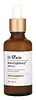
This anti-aging ampoule is formulated around Hydroxypinacolone Retinoate and Niacinamide to soften the look of wrinkles and refine skin texture.
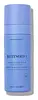
This anti-aging serum is formulated around Bakuchiol and Hydroxypinacolone Retinoate to soften the look of wrinkles and refine skin texture.


What's inside
What's inside
 Key Ingredients
Benefits
Concerns
Ingredients Side-by-side
Water
Skin ConditioningButylene Glycol
Humectant

Hydrogenated Poly(C6-14 Olefin)
EmollientBehenyl Alcohol
Emollient
Hydrogenated Vegetable Oil
Emollient




Cetearyl Alcohol
Emollient

Stearic Acid
Cleansing
Niacinamide
Smoothing










1,2-Hexanediol
Skin Conditioning
Sodium Hyaluronate
Humectant
Ethylhexylglycerin
Skin ConditioningCetyl Ethylhexanoate
EmollientPentaerythrityl Tetraethylhexanoate
Emollient
Dimethyl Isosorbide
SolventHydroxypinacolone Retinoate
Skin Conditioning
Glyceryl Stearate
Emollient
Polyglyceryl-3 Methylglucose Distearate
Emulsifying
Dimethicone
Emollient
Chamomilla Recutita Flower/Leaf Extract
AntimicrobialBetaine
Humectant
Camellia Sinensis Leaf Extract
Antimicrobial
Hamamelis Virginiana Leaf Extract
Skin Conditioning
Centella Asiatica Extract
Cleansing
Panthenol
Skin Conditioning
Pantolactone
Humectant
Glycerin
Humectant
Hydrolyzed Glycosaminoglycans
HumectantCarbomer
Emulsion StabilisingParfum
Masking


Adenosine
Skin Conditioning
Disodium EDTA
Tromethamine
BufferingDipotassium Glycyrrhizate
Humectant
Allantoin
Skin Conditioning
Tocopherol
Antioxidant
Water, Butylene Glycol, Hydrogenated Poly(C6-14 Olefin), Behenyl Alcohol, Hydrogenated Vegetable Oil, Cetearyl Alcohol, Stearic Acid, Niacinamide, 1,2-Hexanediol, Sodium Hyaluronate, Ethylhexylglycerin, Cetyl Ethylhexanoate, Pentaerythrityl Tetraethylhexanoate, Dimethyl Isosorbide, Hydroxypinacolone Retinoate, Glyceryl Stearate, Polyglyceryl-3 Methylglucose Distearate, Dimethicone, Chamomilla Recutita Flower/Leaf Extract, Betaine, Camellia Sinensis Leaf Extract, Hamamelis Virginiana Leaf Extract, Centella Asiatica Extract, Panthenol, Pantolactone, Glycerin, Hydrolyzed Glycosaminoglycans, Carbomer, Parfum, Adenosine, Disodium EDTA, Tromethamine, Dipotassium Glycyrrhizate, Allantoin, Tocopherol
Water
Skin ConditioningIsononyl Isononanoate
EmollientDiisopropyl Dimer Dilinoleate
Emollient
Glycerin
Humectant
Squalane
Emollient
Dimethicone
Emollient
Caprylic/Capric Triglyceride
Masking
Ethylhexyl Isononanoate
EmollientDimethyl Isosorbide
SolventPotassium Cetyl Phosphate
EmulsifyingBakuchiol
Antimicrobial
Cetyl Alcohol
Emollient
Glycine Soja Extract
Skin ConditioningHydroxyethyl Acrylate/Sodium Acryloyldimethyl Taurate Copolymer
Emulsion StabilisingBenzyl Alcohol
Perfuming


Hydroxypinacolone Retinoate
Skin Conditioning
Astrocaryum Murumuru Seed Butter
Emollient
Gossypium Herbaceum Seed Oil
Skin Conditioning
Polymethylsilsesquioxane
Glyceryl Stearate
Emollient
Polysilicone-11
Hdi/Trimethylol Hexyllactone Crosspolymer
Bidens Pilosa Extract
HumectantPolyisobutene
Butyrospermum Parkii Butter
Skin Conditioning
Withania Somnifera Root Extract
Skin Conditioning
Trisodium Ethylenediamine Disuccinate
Helianthus Annuus Seed Oil
Emollient
Hordeum Vulgare Extract
EmollientZingiber Officinale Root Extract
Masking
Cucumis Sativus Seed Extract
Skin ConditioningTocopheryl Acetate
Antioxidant
Tocopherol
Antioxidant
Linum Usitatissimum Seed Oil
Perfuming
Bisabolol
Antioxidant
Caprylhydroxamic Acid
Xanthan Gum
EmulsifyingPhytosterols
Skin Conditioning
Citric Acid
Buffering
PEG-7 Trimethylolpropane Coconut Ether
Emulsifying
Sorbitan Isostearate
Emulsifying
Phenethyl Alcohol
MaskingWater, Isononyl Isononanoate, Diisopropyl Dimer Dilinoleate, Glycerin, Squalane, Dimethicone, Caprylic/Capric Triglyceride, Ethylhexyl Isononanoate, Dimethyl Isosorbide, Potassium Cetyl Phosphate, Bakuchiol, Cetyl Alcohol, Glycine Soja Extract, Hydroxyethyl Acrylate/Sodium Acryloyldimethyl Taurate Copolymer, Benzyl Alcohol, Hydroxypinacolone Retinoate, Astrocaryum Murumuru Seed Butter, Gossypium Herbaceum Seed Oil, Polymethylsilsesquioxane, Glyceryl Stearate, Polysilicone-11, Hdi/Trimethylol Hexyllactone Crosspolymer, Bidens Pilosa Extract, Polyisobutene, Butyrospermum Parkii Butter, Withania Somnifera Root Extract, Trisodium Ethylenediamine Disuccinate, Helianthus Annuus Seed Oil, Hordeum Vulgare Extract, Zingiber Officinale Root Extract, Cucumis Sativus Seed Extract, Tocopheryl Acetate, Tocopherol, Linum Usitatissimum Seed Oil, Bisabolol, Caprylhydroxamic Acid, Xanthan Gum, Phytosterols, Citric Acid, PEG-7 Trimethylolpropane Coconut Ether, Sorbitan Isostearate, Phenethyl Alcohol
Ingredients Explained
These ingredients are found in both products.
Ingredients higher up in an ingredient list are typically present in a larger amount.
Dimethicone is a type of synthetic silicone created from natural materials such as quartz. It is also known as polydimethylsiloxane.
What it does:
Dimethicone comes in different viscosities:
Depending on the viscosity, dimethicone has different properties.
Ingredients lists don't always show which type is used, so we recommend reaching out to the brand if you have questions about the viscosity.
This ingredient is unlikely to cause irritation because it does not get absorbed into skin. However, people with silicone allergies should be careful about using this ingredient.
Note: Dimethicone may contribute to pilling. This is because it is not oil or water soluble, so pilling may occur when layered with products. When mixed with heavy oils in a formula, the outcome is also quite greasy.
Learn more about DimethiconeDimethyl Isosorbide (often shortened to DMI) is a sugar-derived solvent made from sorbitol. It's used to dissolve tricky ingredients and help them mix smoothly into a formula.
Many actives sit as gritty crystals when undissolved, so DMI swoops in to full dissolve them. This helps improve texture, stability, and how evenly an active is distributed.
It does have a penetration-enhancing reputation that is a bit more nuanced than marketing suggests; a cell study on human skin found that 10% DMI didn't significantly boost the permeation of Hydroquinone, Salicylic Acid, or Octadecenedioic Acid compared to controls (though it did improve their solubility in the formula itself).
Typical usage concentrations usually range from 1-10% depending on the formula's needs; this ingredient is also well tolerated at these levels.
Learn more about Dimethyl IsosorbideGlycerin (or glycerol) is a compound naturally found in your skin. It's a powerhouse humectant that pulls water into the stratum corneum.
Topically, glycerin does several things at once:
Your skin makes glycerin on its own (mostly from sebaceous oil breakdown) and shuttles it to your outermost layer of skin, or your epidermis, via aquaporin-3.
Aquaporin-3 is a transporter that is essential for normal skin hydration, elasticity, and repair. Interestingly, mice lacking in AQP3 have dry and less elastic skin that can be fully corrected with glycerin.
This ingredient is non-irritating, plays well with almost every ingredient, and works across all skin types. Typical use is anywhere between 3-10% but can go up to 79% in some leave-on products.
Just know very high concentrations (>40%) can feel tacky in low humidity.
Glycerin is the name for this ingredient in American English. British English uses Glycerol/Glycerine.
Learn more about GlycerinGlyceryl Stearate is made by reacting glycerin with stearic acid (typically sourced from plant oils like palm or coconut). It's an emulsifier, emollient, and mild occlusive.
Emulsifiers help ingredients like oil and water stay mixed so your formula stays nicely blended and uniform in texture.
This ingredient is typically used in concentrations between 1-10%. Studies have found it to be non-sensitizing, non-phototoxic, and non-photoallergenic.
A close cousin of this ingredient is Glyceryl Stearate SE ("self-emulsifying"). This just has a small amount of sodium or potassium stearate added so it can emulsify without a co-emulsifier.
Since this ingredient is an ester of a C18 fatty acid, it may not be fungal acne safe. The Malassezia yeast can potentially metabolize within the C11-C24 range.
Fun fact: The human body also creates Glyceryl Stearate naturally.
Learn more about Glyceryl StearateHydroxypinacolone Retinoate (aka Granactive Retinoid or HPR) is a retinoid that is part of the same vitamin A family as retinol.
It is an ester of retinoic acid that binds directly to your skin's retinoic acid receptors so it doesn't need your skin to convert it through several steps before it can do anything.
In practice, this means it does the classic retinoid jobs in a formula:
The best part is that it can do all this with noticeably less redness, flaking, and stinging than traditional retinoids.
That gentle reputation is backed by lab work as well; a 2018 study on skin models found that HPR triggered higher retinoid-gene activity than retinol, retinal, or retinyl propionate at the same concentrations while being less irritating to cells.
It also boosted procollagen production to levels similar to retinoic acid itself.
A 2023 study showed HPR works synergistically with retinyl propionate to switch on collagen-building pathways and a 2025 clinical serum study in women with mild photoaging saw improvements in wrinkles and elasticity (though that formula also contained retinol, peptides, and Silybin).
One naming quirk worth mentioning:
You'll likely see this ingredient sold under the trade name "Granactive Retinoid", which is actually only 10% HPR blended with 90% Dimethyl Isosorbide solvent. This means a 5% Granactive Retinoid really only means about 0.5% HPR.
Finished products typically land somewhere between 0.05-1% and it's happiest formulated at a mildly acidic to neutral pH (~5.5-6.5).
Another perk is that this is one of the more light- and temperature-stable retinoids which is a nice bonus for shelf life.
Learn more about Hydroxypinacolone RetinoateTocopherol is a fat-soluble antioxidant known as Vitamin E.
You'll find this ingredient in the vast majority of skincare (for good reason). It works to neutralize free radicals, or unstable molecules generated by UV exposure, pollution, and other environmental stressors, before they can cause oxidative damage to your skin cells.
Topically applied tocopherol has been shown to protect against UV damage by ramping up the skin's own natural defense enzymes.
It also acts as a skin conditioning agent; some studies show that regular topical use can improve the skin's water-binding capacity over 2-4 weeks.
This ingredient is especially loved for being a team player. When combined with Vitamin C, the photoprotective effect of both ingredients roughly doubles and the combo also helps reduce UV-induced DNA damage.
This ingredient has some brightening potential but it's more of a prevention ingredient than spot-fader. Cell studies show it can slow down melanin production but it's worth noting that it's not the most powerful brightener out there.
In formulations, it also serves as a stabilizer that helps protect other oxidation-prone ingredients from degrading.
Concentrations usually range from 0.1-1% in most leave-on products.
Learn more about TocopherolWater. It's the most common cosmetic ingredient of all. You'll usually see it at the top of ingredient lists, meaning that it makes up the largest part of the product.
So why is it so popular? Water most often acts as a solvent - this means that it helps dissolve other ingredients into the formulation.
You'll also recognize water as that liquid we all need to stay alive. If you see this, drink a glass of water. Remember to stay hydrated!
Learn more about Water

