

What's inside
What's inside
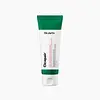 Key Ingredients
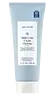
Benefits
Concerns
Ingredients Side-by-side
Water
Skin ConditioningGlycerin
Humectant



Sodium Cocoyl Isethionate
CleansingGlyceryl Stearate
Emollient
Stearyl Alcohol
Emollient
Coco-Betaine
CleansingLauramidopropyl Betaine
CleansingSodium Methyl Cocoyl Taurate
Cleansing
Sodium Chloride
Masking


Melia Azadirachta Leaf Extract
Skin ConditioningTheobroma Cacao Seed Extract
Antioxidant
Melia Azadirachta Flower Extract
Skin ConditioningEryngium Maritimum Callus Culture Filtrate
Skin ConditioningQuillaja Saponaria Bark Extract
CleansingHouttuynia Cordata Extract
Skin Conditioning

Ilex Aquifolium Leaf Extract
Skin ConditioningAchillea Millefolium Oil
Cleansing

Glycine Soja Peptide
Skin Conditioning
Streptococcus Thermophilus Ferment
HumectantAspergillus Ferment
Skin ConditioningTriticum Aestivum Seed Extract
Perfuming
Hedera Helix Extract
AntimicrobialMoringa Oleifera Seed Extract
Skin Conditioning
Centella Asiatica Extract
Cleansing
Hydroxypropyl Starch Phosphate
Coco-Glucoside
CleansingCaprylyl Glycol
Emollient
Citric Acid
Buffering



Maltodextrin
Absorbent
1,2-Hexanediol
Skin Conditioning
Dextrin
AbsorbentButylene Glycol
Humectant
Gluconolactone
Skin Conditioning
Panthenol
Skin Conditioning
Ethylhexylglycerin
Skin ConditioningLipase
Skin ConditioningProtease
Exfoliating
Dipropylene Glycol
HumectantCalcium Chloride
AstringentHydrogenated Lecithin
Emulsifying
Madecassoside
Antioxidant
Magnesium Sulfate
Asiatic Acid
Skin ConditioningAsiaticoside
Antioxidant
Madecassic Acid
Skin Conditioning
Tocopherol
Antioxidant
Disodium EDTA
Water, Glycerin, Sodium Cocoyl Isethionate, Glyceryl Stearate, Stearyl Alcohol, Coco-Betaine, Lauramidopropyl Betaine, Sodium Methyl Cocoyl Taurate, Sodium Chloride, Melia Azadirachta Leaf Extract, Theobroma Cacao Seed Extract, Melia Azadirachta Flower Extract, Eryngium Maritimum Callus Culture Filtrate, Quillaja Saponaria Bark Extract, Houttuynia Cordata Extract, Ilex Aquifolium Leaf Extract, Achillea Millefolium Oil, Glycine Soja Peptide, Streptococcus Thermophilus Ferment, Aspergillus Ferment, Triticum Aestivum Seed Extract, Hedera Helix Extract, Moringa Oleifera Seed Extract, Centella Asiatica Extract, Hydroxypropyl Starch Phosphate, Coco-Glucoside, Caprylyl Glycol, Citric Acid, Maltodextrin, 1,2-Hexanediol, Dextrin, Butylene Glycol, Gluconolactone, Panthenol, Ethylhexylglycerin, Lipase, Protease, Dipropylene Glycol, Calcium Chloride, Hydrogenated Lecithin, Madecassoside, Magnesium Sulfate, Asiatic Acid, Asiaticoside, Madecassic Acid, Tocopherol, Disodium EDTA
Water
Skin ConditioningC12-15 Alkyl Benzoate
AntimicrobialGlycerin
Humectant
Decyl Glucoside
CleansingCetearyl Alcohol
Emollient
Squalane
Emollient
Polysorbate 60
Emulsifying
Niacinamide
Smoothing


Sodium Cocoyl Glutamate
CleansingAlthaea Officinalis Root Extract
Skin Conditioning
Arnica Montana Flower Extract
Masking
Calendula Officinalis Flower Extract
Masking
Avena Sativa Kernel Flour
Abrasive
Panthenol
Skin Conditioning
Acrylates/C10-30 Alkyl Acrylate Crosspolymer
Emulsion StabilisingXanthan Gum
EmulsifyingPotassium Sorbate
Preservative
Trisodium Ethylenediamine Disuccinate
Butylene Glycol
Humectant
Tocopherol
Antioxidant
Ethylhexylglycerin
Skin ConditioningPhenoxyethanol
Preservative
Water, C12-15 Alkyl Benzoate, Glycerin, Decyl Glucoside, Cetearyl Alcohol, Squalane, Polysorbate 60, Niacinamide, Sodium Cocoyl Glutamate, Althaea Officinalis Root Extract, Arnica Montana Flower Extract, Calendula Officinalis Flower Extract, Avena Sativa Kernel Flour, Panthenol, Acrylates/C10-30 Alkyl Acrylate Crosspolymer, Xanthan Gum, Potassium Sorbate, Trisodium Ethylenediamine Disuccinate, Butylene Glycol, Tocopherol, Ethylhexylglycerin, Phenoxyethanol
Ingredients Explained
These ingredients are found in both products.
Ingredients higher up in an ingredient list are typically present in a larger amount.
Butylene Glycol (or BG) is used within cosmetic products for a few different reasons:
Overall, Butylene Glycol is a safe and well-rounded ingredient that works well with other ingredients.
Though this ingredient works well with most skin types, some people with sensitive skin may experience a reaction such as allergic rashes, closed comedones, or itchiness.
Learn more about Butylene GlycolEthylhexylglycerin (we can't pronounce this either) is commonly used as a preservative and skin softener. It is derived from glyceryl.
You might see Ethylhexylglycerin often paired with other preservatives such as phenoxyethanol. Ethylhexylglycerin has been found to increase the effectiveness of these other preservatives.
Glycerin is already naturally found in your skin. It helps moisturize and protect your skin.
A study from 2016 found glycerin to be more effective as a humectant than AHAs and hyaluronic acid.
As a humectant, it helps the skin stay hydrated by pulling moisture to your skin. The low molecular weight of glycerin allows it to pull moisture into the deeper layers of your skin.
Hydrated skin improves your skin barrier; Your skin barrier helps protect against irritants and bacteria.
Glycerin has also been found to have antimicrobial and antiviral properties. Due to these properties, glycerin is often used in wound and burn treatments.
In cosmetics, glycerin is usually derived from plants such as soybean or palm. However, it can also be sourced from animals, such as tallow or animal fat.
This ingredient is organic, colorless, odorless, and non-toxic.
Glycerin is the name for this ingredient in American English. British English uses Glycerol/Glycerine.
Learn more about GlycerinPanthenol is a common ingredient that helps hydrate and soothe the skin. It is found naturally in our skin and hair.
There are two forms of panthenol: D and L.
D-panthenol is also known as dexpanthenol. Most cosmetics use dexpanthenol or a mixture of D and L-panthenol.
Panthenol is famous due to its ability to go deeper into the skin's layers. Using this ingredient has numerous pros (and no cons):
Like hyaluronic acid, panthenol is a humectant. Humectants are able to bind and hold large amounts of water to keep skin hydrated.
This ingredient works well for wound healing. It works by increasing tissue in the wound and helps close open wounds.
Once oxidized, panthenol converts to pantothenic acid. Panthothenic acid is found in all living cells.
This ingredient is also referred to as pro-vitamin B5.
Learn more about PanthenolTocopherol (also known as Vitamin E) is a common antioxidant used to help protect the skin from free-radicals and strengthen the skin barrier. It's also fat soluble - this means our skin is great at absorbing it.
Vitamin E also helps keep your natural skin lipids healthy. Your lipid skin barrier naturally consists of lipids, ceramides, and fatty acids. Vitamin E offers extra protection for your skin’s lipid barrier, keeping your skin healthy and nourished.
Another benefit is a bit of UV protection. Vitamin E helps reduce the damage caused by UVB rays. (It should not replace your sunscreen). Combining it with Vitamin C can decrease sunburned cells and hyperpigmentation after UV exposure.
You might have noticed Vitamin E + C often paired together. This is because it is great at stabilizing Vitamin C. Using the two together helps increase the effectiveness of both ingredients.
There are often claims that Vitamin E can reduce/prevent scarring, but these claims haven't been confirmed by scientific research.
Learn more about TocopherolWater. It's the most common cosmetic ingredient of all. You'll usually see it at the top of ingredient lists, meaning that it makes up the largest part of the product.
So why is it so popular? Water most often acts as a solvent - this means that it helps dissolve other ingredients into the formulation.
You'll also recognize water as that liquid we all need to stay alive. If you see this, drink a glass of water. Stay hydrated!
Learn more about Water
