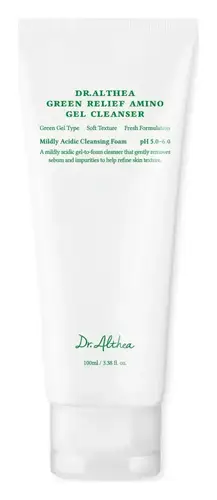
What's inside
What's inside
 Key Ingredients
Benefits
Concerns
Ingredients Side-by-side
Water
Skin ConditioningGlycerin
Humectant


Sodium Cocoyl Alaninate
Surfactant
Disodium Cocoamphodiacetate
CleansingSodium Methyl Cocoyl Taurate
Cleansing
Acrylates/C10-30 Alkyl Acrylate Crosspolymer
Emulsion StabilisingBetula Platyphylla Japonica Juice
Skin Conditioning
Sodium Chloride
MaskingBetaine
Humectant
Lauryl Hydroxysultaine
Cleansing1,2-Hexanediol
Skin Conditioning
Caprylyl Glycol
Emollient
Coco-Glucoside
Cleansing
Potassium Cocoyl Glycinate
Surfactant
Citric Acid
Buffering


Sodium Cocoyl Isethionate
Cleansing
Sodium Phytate
Caprylic/Capric Triglyceride
Masking
Dextrin
AbsorbentButylene Glycol
Humectant
Hydrogenated Lecithin
Emulsifying
Gardenia Florida Fruit Extract
Skin ConditioningHexylene Glycol
EmulsifyingQuillaja Saponaria Bark Extract
CleansingCeramide NP
Skin Conditioning


Glyceryl Caprylate
EmollientCynanchum Atratum Extract
Skin ConditioningEthylhexylglycerin
Skin ConditioningAlthaea Rosea Flower Extract
Skin ConditioningHydrolyzed Hyaluronic Acid
Humectant
Houttuynia Cordata Extract
Skin Conditioning
Water, Glycerin, Sodium Cocoyl Alaninate, Disodium Cocoamphodiacetate, Sodium Methyl Cocoyl Taurate, Acrylates/C10-30 Alkyl Acrylate Crosspolymer, Betula Platyphylla Japonica Juice, Sodium Chloride, Betaine, Lauryl Hydroxysultaine, 1,2-Hexanediol, Caprylyl Glycol, Coco-Glucoside, Potassium Cocoyl Glycinate, Citric Acid, Sodium Cocoyl Isethionate, Sodium Phytate, Caprylic/Capric Triglyceride, Dextrin, Butylene Glycol, Hydrogenated Lecithin, Gardenia Florida Fruit Extract, Hexylene Glycol, Quillaja Saponaria Bark Extract, Ceramide NP, Glyceryl Caprylate, Cynanchum Atratum Extract, Ethylhexylglycerin, Althaea Rosea Flower Extract, Hydrolyzed Hyaluronic Acid, Houttuynia Cordata Extract
Water
Skin ConditioningLauryl Hydroxysultaine
CleansingDisodium Cocoamphodiacetate
CleansingSodium Chloride
MaskingPotassium Cocoyl Glycinate
Surfactant
Acrylates Copolymer
Sodium Methyl Cocoyl Taurate
Cleansing
Potassium Cocoate
Emulsifying
Butylene Glycol
Humectant
Snail Secretion Filtrate
Skin Conditioning
Benzyl Glycol
SolventCitric Acid
Buffering
Citrus Aurantium Bergamia Fruit Oil
Masking


Ethylhexylglycerin
Skin ConditioningHexylene Glycol
EmulsifyingDisodium EDTA
Salvia Officinalis Oil
Masking
Betula Platyphylla Japonica Juice
Skin Conditioning
Glycyrrhiza Glabra Root Extract
Bleaching
Camellia Sinensis Leaf Extract
Antimicrobial


Agrimonia Eupatoria Extract
AstringentPanthenol
Skin Conditioning
1,2-Hexanediol
Skin Conditioning
Centella Asiatica Extract
Cleansing
Perilla Frutescens Leaf Extract
MaskingMelaleuca Alternifolia Leaf Extract
Perfuming
Phenoxyethanol
Preservative
Glycine
Buffering
Dipropylene Glycol
HumectantSaponaria Officinalis Extract
Skin ConditioningSerine
Masking
Glutamic Acid
Humectant
Kigelia Africana Fruit Extract
Skin ConditioningAspartic Acid
Masking
Caprylic/Capric Triglyceride
Masking
Leucine
Skin ConditioningAlanine
Masking
Lysine
Skin ConditioningArginine
Masking
Asiaticoside
Antioxidant
Tyrosine
MaskingPhenylalanine
Masking
Asiatic Acid
Skin Conditioning
Madecassic Acid
Skin Conditioning
Threonine
Proline
Skin Conditioning
Valine
MaskingIsoleucine
Skin ConditioningPentylene Glycol
Skin Conditioning
Phosphatidylcholine
EmulsifyingPlatycodon Grandiflorus Root Extract
Antioxidant
Poria Cocos Extract
Skin ConditioningCoix Lacryma-Jobi Ma-Yuen Seed Extract
Skin ConditioningPaeonia Lactiflora Root Extract
Skin ConditioningHistidine
Humectant
Madecassoside
Antioxidant
Cysteine
Antioxidant
Methionine
Skin ConditioningPolygonatum Officinale Rhizome/Root Extract
Skin ConditioningScutellaria Baicalensis Root Extract
Astringent
Angelica Gigas Extract
Skin ConditioningCornus Officinalis Fruit Extract
Skin ConditioningArtemisia Vulgaris Extract
Skin Conditioning
Rehmannia Chinensis Root Extract
Skin ConditioningCeramide NP
Skin Conditioning
Bifida Ferment Lysate
Skin Conditioning
Lactococcus Ferment Lysate
Skin Conditioning
Limonene
Perfuming


Linalool
Perfuming
Water, Lauryl Hydroxysultaine, Disodium Cocoamphodiacetate, Sodium Chloride, Potassium Cocoyl Glycinate, Acrylates Copolymer, Sodium Methyl Cocoyl Taurate, Potassium Cocoate, Butylene Glycol, Snail Secretion Filtrate, Benzyl Glycol, Citric Acid, Citrus Aurantium Bergamia Fruit Oil, Ethylhexylglycerin, Hexylene Glycol, Disodium EDTA, Salvia Officinalis Oil, Betula Platyphylla Japonica Juice, Glycyrrhiza Glabra Root Extract, Camellia Sinensis Leaf Extract, Agrimonia Eupatoria Extract, Panthenol, 1,2-Hexanediol, Centella Asiatica Extract, Perilla Frutescens Leaf Extract, Melaleuca Alternifolia Leaf Extract, Phenoxyethanol, Glycine, Dipropylene Glycol, Saponaria Officinalis Extract, Serine, Glutamic Acid, Kigelia Africana Fruit Extract, Aspartic Acid, Caprylic/Capric Triglyceride, Leucine, Alanine, Lysine, Arginine, Asiaticoside, Tyrosine, Phenylalanine, Asiatic Acid, Madecassic Acid, Threonine, Proline, Valine, Isoleucine, Pentylene Glycol, Phosphatidylcholine, Platycodon Grandiflorus Root Extract, Poria Cocos Extract, Coix Lacryma-Jobi Ma-Yuen Seed Extract, Paeonia Lactiflora Root Extract, Histidine, Madecassoside, Cysteine, Methionine, Polygonatum Officinale Rhizome/Root Extract, Scutellaria Baicalensis Root Extract, Angelica Gigas Extract, Cornus Officinalis Fruit Extract, Artemisia Vulgaris Extract, Rehmannia Chinensis Root Extract, Ceramide NP, Bifida Ferment Lysate, Lactococcus Ferment Lysate, Limonene, Linalool
Reviews
Ingredients Explained
These ingredients are found in both products.
Ingredients higher up in an ingredient list are typically present in a larger amount.
1,2-Hexanediol is a synthetic liquid and another multi-functional powerhouse.
It is a:
- Humectant, drawing moisture into the skin
- Emollient, helping to soften skin
- Solvent, dispersing and stabilizing formulas
- Preservative booster, enhancing the antimicrobial activity of other preservatives
Betula Platyphylla Japonica Juice is the sap of the Asian White Birch tree. Birch juice has antioxidant, hydrating, and soothing properties.
The high content of amino acids, sugars, and minerals provide the skin with moisture. On top of that, it contains Vitamins C and B (niacinamide). These two superstar ingredients protect your skin while reducing dark spots.
This white birch is currently being studied for potential anti-cancer properties. It has been used in traditional Asian medicine to help treat infections.
Learn more about Betula Platyphylla Japonica JuiceButylene Glycol (or BG) is used within cosmetic products for a few different reasons:
Overall, Butylene Glycol is a safe and well-rounded ingredient that works well with other ingredients.
Though this ingredient works well with most skin types, some people with sensitive skin may experience a reaction such as allergic rashes, closed comedones, or itchiness.
Learn more about Butylene GlycolCaprylic/Capric Triglyceride (aka MCT Oil) is a lightweight emollient, solvent, and texture enhancer. It is considered a skin-softener by helping to prevent moisture loss.
Though it behaves like an oil, it is not technically one due to its chemical composition. One perk of this ingredient is that it is very stable, resistant to oxidation, and unlikely to go rancid.
In practice, that translates to a long shelf life and a consistently elegant skin feel.
While there is an assumption Caprylic Triglyceride can clog pores due to it being derived from coconut oil, there is no research supporting this. Just patch test if you have concerns.
Fractionated coconut oil and MCT Oil are both listed as Caprylic/Capric Triglyceride according to INCI. This is because INCI names are based on the ingredient’s final chemical composition and not its marketing name or source.
This ingredient is treated as the gold standard fungal acne safe oil. Even though it is coconut derived, the problematic lauric acid is stripped out.
This leaves just caprylic (C8) and capric (C10) acid. These chain lengths actually trend antifungal; a 2020 study found caprylic acid was enough to disrupt Malassezia furfur cell membrane, with a caprylic acid derivative damaging membrane structures at concentrations as low as 0.2%.
Learn more about Caprylic/Capric TriglycerideCeramide NP (formerly known as Ceramide 3) is one of the skin's naturally occurring lipids.
Since ceramides are the major lipid components of the skin, they are crucial for maintaining skin barrier and hydration. Ceramide NP most closely mirrors the dominant kind in human skin amongst ceramide subtypes.
This ceramide works by slotting into gaps within the stratum corneum's lipid matrix to limit trans-epidermal water loss (TEWL) and shield the skin against external irritants.
A study with 312 patients found that using a ceramide-containing routine for 4 weeks reduced the severity of atopic dermatitis by over 61%.
Another clinical study in subjects aged 60 and older found that a ceramide body wash and moisturizer improved skin dryness and itchy skin in 15 days.
Overall, ceramides are considered non-irritating and safety tests have found little to no observable adverse effects from using this ingredient.
Ceramide NP is usually sourced from plants (like soybean or rice bran), or produced synthetically.
Learn more about Ceramide NPCitric Acid is an alpha hydroxy acid (AHA) naturally found in citrus fruits like oranges, lemons, and limes.
Like other AHAs, citric acid can exfoliate skin by breaking down the bonds that hold dead skin cells together. This helps reveal smoother and brighter skin underneath.
However, this exfoliating effect only happens at high concentrations (20%) which can be hard to find in cosmetic products.
Due to this, citric acid is usually included in small amounts as a pH adjuster. This helps keep products slightly more acidic and compatible with skin's natural pH.
In skincare formulas, citric acid can:
While it can provide some skin benefits, research shows lactic acid and glycolic acid are generally more effective and less irritating exfoliants.
Most citric acid used in skincare today is made by fermenting sugars (usually from molasses). This synthetic version is identical to the natural citrus form but easier to stabilize and use in formulations.
Read more about some other popular AHA's here:
Learn more about Citric AcidDisodium Cocoamphodiacetate is a surfactant and helps cleanse skin. It is created from the fatty acids of coconut oil.
Surfactants help rinse oil, dirt, and other pollutants easily from skin. It has a faint fruit-like scent.
Ethylhexylglycerin is created from glycerin. It is a multitasker ingredient that:
The CIR Expert Panel found minimal skin absorption or sensitization of any kind in a safety assessment. Though this ingredient is considered well-tolerated, a small number of cases of allergic dermatitis have been published since 2002. Just be sure to patch test if you are unsure.
Industry-reported use ranges from 8% in rinse-off products and 2% in leave-on formulations.
Learn more about EthylhexylglycerinHexylene Glycol is a multitasker ingredient that works as a solvent, humectant, emulsifier, viscosity reducer, and preservative booster.
It is able to dissolve both water and oil-soluble ingredients to stabilize tricky actives and make products spread more easily.
As a humectant, it pulls water into the skin. But it's a pretty minor moisturizing ingredient compared to other humectants, like glycerin.
Interestingly, it can act as a mild penetration enhancer. One in vitro study on human skin found a 12% concentration upped the absorption of mometasone furoate (a medicinal ingredient used to treat inflammatory skin conditions) up to 7%.
This ingredient is typically used at levels of 0.1-10% depending on the role it's playing.
A patch test study on eczema patients didn't find a significant increase in irritation versus the control group, but the potential for irritation rises at higher concentrations.
Learn more about Hexylene GlycolLauryl Hydroxysultaine is a mild surfactant or cleansing ingredient that helps lift away dirt/oil, boost foam, and thicken the formula. It plays nicely with other surfactants and stays stable across a wide pH range.
Potassium Cocoyl Glycinate is an amino acid-based surfactant and cleaning agent. This ingredient can be derived from animals or plants. It may also be synthetically created from fatty acids of the coconut and glycine.
Potassium Cocoyl Glycinate is a gentle surfactant. Surfactants help gather the dirt, oil, and other pollutants from your skin to be rinsed away. It is a mild cleanser and naturally produces foam.
Chances are, you eat sodium chloride every day. Sodium Chloride is also known as table salt. This ingredient has many purposes in skincare: thickener, emulsifier, and exfoliator.
You'll most likely find this ingredient in cleansers where it is used to create a gel-like texture. As an emulsifier, it also prevents ingredients from separating.
You might see people debate whether Sodium Chloride is comedogenic, but there actually haven't been any comedogenic tests done on it. Either way, the overall formulation of a product matters a lot more than any single ingredient.
You might see this ingredient used in scrubs as a primary exfoliating ingredient.
Learn more about Sodium ChlorideSodium Methyl Cocoyl Taurate is a gentle, coconut-derived cleansing surfactant. It's most commonly found in "sulfate-free" cleansers.
As a taurate, it belongs to a class of anionic surfactants prized for being efficient at cleansing without harshness, good performance in hard water, stability across a wide pH range, and easily biodegradable.
It is able to lift away oil and grime and make a nice lather without stripping your skin, so it's a good pick for sensitive skin.
Safety-wise, it has a good record. The CIR Expert Panel has concluded this ingredient to be safe in cosmetics and concentrations go up to 11% in leave-on products or 13% in rinse-off products.
Despite being derived from coconut oil, this ingredient is fungal acne safe. It's a water-soluble surfactant with no fatty oils or esters left intact on skin for the Malassezia yeast to feed.
Learn more about Sodium Methyl Cocoyl TaurateWater. It's the most common cosmetic ingredient of all. You'll usually see it at the top of ingredient lists, meaning that it makes up the largest part of the product.
So why is it so popular? Water most often acts as a solvent - this means that it helps dissolve other ingredients into the formulation.
You'll also recognize water as that liquid we all need to stay alive. If you see this, drink a glass of water. Remember to stay hydrated!
Learn more about Water