
What's inside
What's inside
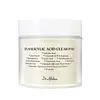 Key Ingredients
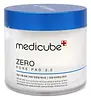
Benefits
Concerns
Ingredients Side-by-side
Water
Skin ConditioningButylene Glycol
Humectant

1,2-Hexanediol
Skin Conditioning
Glycerin
Humectant
Polyglyceryl-10 Laurate
Skin Conditioning
Polyglyceryl-10 Myristate
Skin Conditioning
Ethylhexylglycerin
Skin ConditioningAnastatica Hierochuntica Extract
AstringentDipotassium Glycyrrhizate
Humectant

Ammonium Acryloyldimethyltaurate/Vp Copolymer
Disodium EDTA
Allantoin
Skin Conditioning
Citric Acid
Buffering


Cynanchum Atratum Extract
Skin ConditioningSodium Citrate
BufferingCitrus Tangerina Peel Oil
Masking

Malt Extract
Skin ProtectingArtemisia Vulgaris Oil
Perfuming
Rosmarinus Officinalis Leaf Oil
Masking
Chamomilla Recutita Flower Oil
Masking
Juniperus Mexicana Oil
Masking
Lavandula Angustifolia Oil
Masking
Sodium Hyaluronate
Humectant

Hydroxypropyltrimonium Hyaluronate
Adansonia Digitata Seed Extract
Skin ConditioningAnthemis Nobilis Flower Extract
Masking
Portulaca Oleracea Extract
Skin Conditioning
Hydrolyzed Hyaluronic Acid
Humectant
Sodium Acetylated Hyaluronate
Humectant
Hyaluronic Acid
Humectant
Hydrolyzed Sodium Hyaluronate
Skin Conditioning
Opuntia Ficus-Indica Stem Extract
Skin Conditioning
Sodium Hyaluronate Crosspolymer
Humectant
Potassium Hyaluronate
Skin ConditioningLimonene
Perfuming
Water, Butylene Glycol, 1,2-Hexanediol, Glycerin, Polyglyceryl-10 Laurate, Polyglyceryl-10 Myristate, Ethylhexylglycerin, Anastatica Hierochuntica Extract, Dipotassium Glycyrrhizate, Ammonium Acryloyldimethyltaurate/Vp Copolymer, Disodium EDTA, Allantoin, Citric Acid, Cynanchum Atratum Extract, Sodium Citrate, Citrus Tangerina Peel Oil, Malt Extract, Artemisia Vulgaris Oil, Rosmarinus Officinalis Leaf Oil, Chamomilla Recutita Flower Oil, Juniperus Mexicana Oil, Lavandula Angustifolia Oil, Sodium Hyaluronate, Hydroxypropyltrimonium Hyaluronate, Adansonia Digitata Seed Extract, Anthemis Nobilis Flower Extract, Portulaca Oleracea Extract, Hydrolyzed Hyaluronic Acid, Sodium Acetylated Hyaluronate, Hyaluronic Acid, Hydrolyzed Sodium Hyaluronate, Opuntia Ficus-Indica Stem Extract, Sodium Hyaluronate Crosspolymer, Potassium Hyaluronate, Limonene
Water
Skin ConditioningMethylpropanediol
SolventTromethamine
BufferingLactic Acid
Buffering



Alcohol Denat.
Antimicrobial

1,2-Hexanediol
Skin Conditioning
Panthenol
Skin Conditioning
Glycereth-26
Humectant
Salicylic Acid
Masking


Ammonium Acryloyldimethyltaurate/Vp Copolymer
Betaine
Humectant
Trehalose
Humectant
Polyglyceryl-10 Laurate
Skin Conditioning
Ethylhexylglycerin
Skin ConditioningGlycerin
Humectant
Allantoin
Skin Conditioning
Polyglyceryl-10 Myristate
Skin Conditioning
Disodium EDTA
Butylene Glycol
Humectant
Sodium Hyaluronate
Humectant
Betaine Salicylate
Antimicrobial
Citrus Aurantium Dulcis Peel Oil
Masking
Citrus Limon Peel Oil
Masking
Citrus Grandis Peel Oil
Masking
Citrus Aurantium Bergamia Fruit Oil
Masking
Rosmarinus Officinalis Leaf Oil
Masking
Eucalyptus Globulus Leaf Oil
Perfuming
Lavandula Angustifolia Oil
Masking
Vitis Vinifera Fruit Extract
Skin ConditioningCitrus Aurantifolia Fruit Extract
Skin ConditioningCitrus Limon Fruit Extract
Masking
Pyrus Malus Fruit Extract
Skin Conditioning
Citrus Aurantium Dulcis Fruit Extract
MaskingEthyl Hexanediol
SolventCentella Asiatica Extract
Cleansing
Salix Alba Bark Extract
Astringent
Origanum Vulgare Leaf Extract
Skin ConditioningChamaecyparis Obtusa Leaf Extract
Skin ConditioningLactobacillus/Soybean Ferment Extract
Skin ConditioningCinnamomum Cassia Bark Extract
Masking
Scutellaria Baicalensis Root Extract
Astringent
Portulaca Oleracea Extract
Skin Conditioning
Oenothera Biennis Flower Extract
AstringentPinus Palustris Leaf Extract
TonicUlmus Davidiana Root Extract
Skin Conditioning
Pueraria Lobata Root Extract
HumectantLimonene
Perfuming
Water, Methylpropanediol, Tromethamine, Lactic Acid, Alcohol Denat., 1,2-Hexanediol, Panthenol, Glycereth-26, Salicylic Acid, Ammonium Acryloyldimethyltaurate/Vp Copolymer, Betaine, Trehalose, Polyglyceryl-10 Laurate, Ethylhexylglycerin, Glycerin, Allantoin, Polyglyceryl-10 Myristate, Disodium EDTA, Butylene Glycol, Sodium Hyaluronate, Betaine Salicylate, Citrus Aurantium Dulcis Peel Oil, Citrus Limon Peel Oil, Citrus Grandis Peel Oil, Citrus Aurantium Bergamia Fruit Oil, Rosmarinus Officinalis Leaf Oil, Eucalyptus Globulus Leaf Oil, Lavandula Angustifolia Oil, Vitis Vinifera Fruit Extract, Citrus Aurantifolia Fruit Extract, Citrus Limon Fruit Extract, Pyrus Malus Fruit Extract, Citrus Aurantium Dulcis Fruit Extract, Ethyl Hexanediol, Centella Asiatica Extract, Salix Alba Bark Extract, Origanum Vulgare Leaf Extract, Chamaecyparis Obtusa Leaf Extract, Lactobacillus/Soybean Ferment Extract, Cinnamomum Cassia Bark Extract, Scutellaria Baicalensis Root Extract, Portulaca Oleracea Extract, Oenothera Biennis Flower Extract, Pinus Palustris Leaf Extract, Ulmus Davidiana Root Extract, Pueraria Lobata Root Extract, Limonene
Reviews
Ingredients Explained
These ingredients are found in both products.
Ingredients higher up in an ingredient list are typically present in a larger amount.
1,2-Hexanediol is a synthetic liquid and another multi-functional powerhouse.
It is a:
- Humectant, drawing moisture into the skin
- Emollient, helping to soften skin
- Solvent, dispersing and stabilizing formulas
- Preservative booster, enhancing the antimicrobial activity of other preservatives
Allantoin is a soothing ingredient known for its protective and moisturizing properties; it's basically a quiet workhorse ingredient you can find in a huge range of cosmetics.
Though it can be derived from the comfrey plant, allantoin is produced synthetically for cosmetic products to ensure purity.
Research shows it can encourage your skin cells to turn over and renew by stimulating keratinocyte and fibroblast proliferation.
It also has mild keratolytic properties to help loosen and shed dead skin cells without being harsh.
Studies also suggest allantoin can help calm inflammation by dialing down some of the chemical signals your skin sends out when it is irritated.
This ingredient is typically used in the 0.1-0.5% range, and the FDA recognizes it as a skin protectant in OTC products up to 2%.
Overall, allantoin is a wonderful addition to most routines; it is stable across a wide pH range (~4-8), works well with other ingredients, and is considered non-sensitizing/non-irritating.
Fun fact: Allantoin is naturally occurring in comfrey root, beets, chamomile, and wheat sprouts. Our bodies even produce it as a byproduct of uric acid metabolism.
Learn more about AllantoinAmmonium Acryloyldimethyltaurate/Vp Copolymer is a synthetically created polymer. It's used as a film-forming agent and used to thicken the consistency of products.
Think of it as a supportive ingredient that helps your gel-creams feel silky, "cloud cream-like", and spread evenly without being greasy.
The Cosmetic Ingredient Review (CIR) Expert Panel evaluated it (along with 22 other acryloyldimethyltaurate polymers) and concluded it's:
Due to its large molecular size, it sits on the surface of skin rather than penetrating it.
Learn more about Ammonium Acryloyldimethyltaurate/Vp CopolymerButylene Glycol (or BG) is used within cosmetic products for a few different reasons:
Overall, Butylene Glycol is a safe and well-rounded ingredient that works well with other ingredients.
Though this ingredient works well with most skin types, some people with sensitive skin may experience a reaction such as allergic rashes, closed comedones, or itchiness.
Learn more about Butylene GlycolDisodium EDTA is a chelating agent. It grabs onto and deactivates metal ions that sneak into your products from water, packaging, or air.
This ingredient mainly works behind the scenes and helps with:
On top of that, this ingredient can counteract the effects of hard water by binding to the minerals in it.
One thing worth knowing is that Disodium EDTA has been shown to be a mild penetration enhancer. It can help other ingredients absorb into skin more effectively which can be a double-edged sword (great for actives, but can also make the active too strong if you have sensitive skin).
Clinical patch testing showed no significant skin irritation at typical use concentrations and minimal dermal absorption.
You'll most likely see this ingredient near the end of an ingredient list. It's typically found in concentrations less than 1%.
Learn more about Disodium EDTAEthylhexylglycerin is created from glycerin. It is a multitasker ingredient that:
The CIR Expert Panel found minimal skin absorption or sensitization of any kind in a safety assessment. Though this ingredient is considered well-tolerated, a small number of cases of allergic dermatitis have been published since 2002. Just be sure to patch test if you are unsure.
Industry-reported use ranges from 8% in rinse-off products and 2% in leave-on formulations.
Learn more about EthylhexylglycerinGlycerin (or glycerol) is a compound naturally found in your skin. It's a powerhouse humectant that pulls water into the stratum corneum.
Topically, glycerin does several things at once:
Your skin makes glycerin on its own (mostly from sebaceous oil breakdown) and shuttles it to your outermost layer of skin, or your epidermis, via aquaporin-3.
Aquaporin-3 is a transporter that is essential for normal skin hydration, elasticity, and repair. Interestingly, mice lacking in AQP3 have dry and less elastic skin that can be fully corrected with glycerin.
This ingredient is non-irritating, plays well with almost every ingredient, and works across all skin types. Typical use is anywhere between 3-10% but can go up to 79% in some leave-on products.
Just know very high concentrations (>40%) can feel tacky in low humidity.
Glycerin is the name for this ingredient in American English. British English uses Glycerol/Glycerine.
Learn more about GlycerinLavandula Angustifolia Oil is more commonly known as lavender essential oil. It is considered a fragrancing ingredient.
Lavender imparts a famous scent. While the smell is lovely, this ingredient and may sensitize skin in topical products. This is because about 85% of the oil is made up of linalool and linalyl acetate.
When exposed to air, these two compounds become strong allergens. This ingredient exhibits cytotoxicity at low concentrations; amounts of 0.25% have been shown to damage skin cells.
A study from Japan found this ingredient caused lavender sensitivity after widespread exposure.
Lavender essential oil has some antimicrobial, antibacterial, and anti-inflammatory properties. However, the cons of this ingredient may outweight the pros.
More research is needed to confirm lavender essential oil's effects when used in aromatherapy.
Lavandula Angustifolia is known as the English Lavender and famous for creating purple fields in Provence, France.
Learn more about Lavandula Angustifolia OilLimonene is a fragrance that adds scent and taste to a formulation.
It's found in the peel oil of citrus fruits and other plants such as lavender and eucalyptus. The scent of limonene is generally described as "sweet citrus".
Limonene acts as an antioxidant, meaning it helps neutralize free radicals.
When exposed to air, oxidized limonene may sensitize the skin. Because of this, limonene is often avoided by people with sensitive skin.
The term 'fragrance' is not regulated in many countries. In many cases, it is up to the brand to define this term. For instance, many brands choose to label themselves as "fragrance-free" because they are not using synthetic fragrances. However, their products may still contain ingredients such as essential oils that are considered a fragrance.
Learn more about LimonenePolyglyceryl-10 Laurate is a cleansing agent and emulsifier.
It rounds up dirt, oil, and grime, so they can be rinsed off easily as a cleanser. On the emulsifier side, it keeps your formula smooth and well-mixed by playing peacekeeper for ingredients that don't naturally get along (like oil and water).
Because it has a C12 (lauric acid) fatty acid chain, this ingredient can potentially feed the Malassezia yeast that causes fungal acne. The Malassezia yeast prefers esters with C11-C24 fatty acids If you're prone to flare-ups, you might want to patch-test or skip this one.
This ingredient is an ester of lauric acid and Polyglycerin-10.
Learn more about Polyglyceryl-10 LauratePolyglyceryl-10 Myristate is a nonionic emulsifier and skin conditioner made from Polyglycerin-10 and Myristic Acid.
As a skin conditioning agent, this ingredient leaves skin feeling soft without a greasy finish. As an emulsifier, it helps stabilize oil-in-water emulsions.
You'll likely see this ingredient in "clean" formulations because it's considered a natural alternative to PEGs.
Patch testing at concentration 0.1-1% showed no reactions and this ingredient is considered to be well-tolerated across skin types.
Due to its myristic acid base, this ingredient may not be fungal acne safe.
Learn more about Polyglyceryl-10 MyristateThis extract comes from Purslane, a succulent. It has anti-inflammatory, antioxidant, and hydrating properties.
Purslane is very nutritious. It contains omega-3 fatty acids, NMFs, many vitamins, minerals, and antioxidants. The vitamins found in purslane include: Vitamin C, Vitamin A, and Vitamin E.
Fun fact: Purslane is a succulent with an extensive habitat. It is used in traditional Korean medicine to treat irritated skin.
Nowadays, purslane is becoming a superfood due to its highly nutritious content.
Learn more about Portulaca Oleracea ExtractRosmarinus Officinalis Leaf Oil is oil expressed from the leaves of the rosemary plant.
Rosemary Leaf Oil is a fragrance and helps give your product a scent. If you are sensitive to irritating fragrances, this one contains camphor. Camphor has been found to irritate skin.
This oil also contains antioxidant and antimicrobial properties. As an antioxidant, it may protect you skin against damage. This can help slow down the signs of aging.
Learn more about Rosmarinus Officinalis Leaf OilSodium Hyaluronate is the salt form of hyaluronic acid. It is a long sugar chain that is naturally found in your skin, joints, and connective tissue that maintains hydration and elasticity.
In skincare, it works as a humectant. It pulls water from the environment and deeper layers of skin and binds it to the surface.
Interestingly, the size of the molecule affects its behavior:
Some clinical evidence links low molecular weight versions to improved wrinkle depth, elasticity, anti-inflammatory effects, and barrier repair.
Many serums use a blend of both weights so you can get surface hydration plus longer-lasting and deeper effects.
You'll typically see concentrations between 0.1-2% for this ingredient.
Learn more about Sodium HyaluronateWater. It's the most common cosmetic ingredient of all. You'll usually see it at the top of ingredient lists, meaning that it makes up the largest part of the product.
So why is it so popular? Water most often acts as a solvent - this means that it helps dissolve other ingredients into the formulation.
You'll also recognize water as that liquid we all need to stay alive. If you see this, drink a glass of water. Remember to stay hydrated!
Learn more about Water
