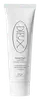
This barrier-repair moisturizer is formulated around Squalane and Linoleic Acid to strengthen the skin barrier and hydrate skin.
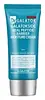
This barrier-repair moisturizer is formulated around Copper Tripeptide-1 and Galactomyces Ferment Filtrate to strengthen the skin barrier and hydrate skin.


What's inside
What's inside
 Key Ingredients
Benefits
Concerns
Ingredients Side-by-side
Water
Skin ConditioningGlycerin
Humectant


Squalane
Emollient
Caprylic/Capric Triglyceride
Masking
Coconut Alkanes
Emollient

Glyceryl Stearate
Emollient

Meadowfoam Estolide
Skin ConditioningPEG-100 Stearate
Surfactant
Cetearyl Alcohol
Emollient

C12-15 Alkyl Benzoate
AntimicrobialPhytosteryl Macadamiate
Skin Conditioning
Triheptanoin
Skin ConditioningCoco-Caprylate/Caprate
Emollient
Methylpropanediol
SolventLinoleic Acid
Cleansing

Phospholipids
Skin Conditioning
Phytosterols
Skin Conditioning
Sodium Polyacrylate
Absorbent
Tribehenin
Emollient
Caprylyl Glycol
Emollient
Phenoxyethanol
Preservative
Dipalmitoyl Hydroxyproline
Skin Conditioning
Sodium PCA
Humectant
Urea
Buffering

Dilinoleic Acid/Butanediol Copolymer
Hydroxyproline Palmitamide
Skin ConditioningHydroxyethyl Acrylate/Sodium Acryloyldimethyl Taurate Copolymer
Emulsion StabilisingIsohexadecane
EmollientCeramide Ng
Skin Conditioning
Trehalose
Humectant
Sodium Phytate
ChelatingPEG-10 Phytosterol
EmulsifyingHexylene Glycol
EmulsifyingPolysorbate 60
Emulsifying
Palmitic Acid
Emollient
Lactic Acid
Buffering




Polyquaternium-51
Skin Conditioning
Tocopherol
Antioxidant


Triacetin
AntimicrobialCastor Oil/Ipdi Copolymer

Sorbitan Isostearate
Emulsifying
Sodium Hyaluronate
Humectant
Palmitoyl Hexapeptide-12
Skin Conditioning
Water, Glycerin, Squalane, Caprylic/Capric Triglyceride, Coconut Alkanes, Glyceryl Stearate, Meadowfoam Estolide, PEG-100 Stearate, Cetearyl Alcohol, C12-15 Alkyl Benzoate, Phytosteryl Macadamiate, Triheptanoin, Coco-Caprylate/Caprate, Methylpropanediol, Linoleic Acid, Phospholipids, Phytosterols, Sodium Polyacrylate, Tribehenin, Caprylyl Glycol, Phenoxyethanol, Dipalmitoyl Hydroxyproline, Sodium PCA, Urea, Dilinoleic Acid/Butanediol Copolymer, Hydroxyproline Palmitamide, Hydroxyethyl Acrylate/Sodium Acryloyldimethyl Taurate Copolymer, Isohexadecane, Ceramide Ng, Trehalose, Sodium Phytate, PEG-10 Phytosterol, Hexylene Glycol, Polysorbate 60, Palmitic Acid, Lactic Acid, Polyquaternium-51, Tocopherol, Triacetin, Castor Oil/Ipdi Copolymer, Sorbitan Isostearate, Sodium Hyaluronate, Palmitoyl Hexapeptide-12
Copper Tripeptide-1
Skin Conditioning
Galactomyces Ferment Filtrate
Humectant
Butylene Glycol
Humectant
Glycerin
Humectant
Caprylic/Capric Triglyceride
Masking
Paeonia Suffruticosa Root Extract
Skin ProtectingScutellaria Baicalensis Root Extract
Astringent
Hydrogenated Lecithin
Emulsifying
Pentylene Glycol
Skin Conditioning
Betaine
Humectant
Sh-Oligopeptide-1
Skin Conditioning
Sh-Polypeptide-11
Sh-Oligopeptide-2
Skin Conditioning
Madecassoside
Antioxidant
Asiaticoside
Antioxidant
Asiatic Acid
Skin Conditioning
Madecassic Acid
Skin Conditioning
Ceramide NP
Skin Conditioning
Sucrose
Humectant
Fructose
Humectant
Glucose
Humectant
Polyglutamic Acid
Skin Conditioning
Hyaluronic Acid
Humectant
Sodium Hyaluronate
Humectant
Sodium PCA
Humectant
Beta-Glucan
Skin Conditioning
Hydroxyethyl Urea
Humectant
Portulaca Oleracea Extract
Skin Conditioning
Trehalose
Humectant
Dipotassium Glycyrrhizate
Humectant
Tocopherol
Antioxidant
Hydroxyethylcellulose
Emulsion StabilisingCarbomer
Emulsion StabilisingAdenosine
Skin Conditioning
Arginine
Masking
1,2-Hexanediol
Skin Conditioning
Copper Tripeptide-1, Galactomyces Ferment Filtrate, Butylene Glycol, Glycerin, Caprylic/Capric Triglyceride, Paeonia Suffruticosa Root Extract, Scutellaria Baicalensis Root Extract, Hydrogenated Lecithin, Pentylene Glycol, Betaine, Sh-Oligopeptide-1, Sh-Polypeptide-11, Sh-Oligopeptide-2, Madecassoside, Asiaticoside, Asiatic Acid, Madecassic Acid, Ceramide NP, Sucrose, Fructose, Glucose, Polyglutamic Acid, Hyaluronic Acid, Sodium Hyaluronate, Sodium PCA, Beta-Glucan, Hydroxyethyl Urea, Portulaca Oleracea Extract, Trehalose, Dipotassium Glycyrrhizate, Tocopherol, Hydroxyethylcellulose, Carbomer, Adenosine, Arginine, 1,2-Hexanediol
Reviews
Ingredients Explained
These ingredients are found in both products.
Ingredients higher up in an ingredient list are typically present in a larger amount.
Caprylic/Capric Triglyceride (aka MCT Oil) is a lightweight emollient, solvent, and texture enhancer. It is considered a skin-softener by helping to prevent moisture loss.
Though it behaves like an oil, it is not technically one due to its chemical composition. One perk of this ingredient is that it is very stable, resistant to oxidation, and unlikely to go rancid.
In practice, that translates to a long shelf life and a consistently elegant skin feel.
While there is an assumption Caprylic Triglyceride can clog pores due to it being derived from coconut oil, there is no research supporting this. Just patch test if you have concerns.
Fractionated coconut oil and MCT Oil are both listed as Caprylic/Capric Triglyceride according to INCI. This is because INCI names are based on the ingredient’s final chemical composition and not its marketing name or source.
This ingredient is treated as the gold standard fungal acne safe oil. Even though it is coconut derived, the problematic lauric acid is stripped out.
This leaves just caprylic (C8) and capric (C10) acid. These chain lengths actually trend antifungal; a 2020 study found caprylic acid was enough to disrupt Malassezia furfur cell membrane, with a caprylic acid derivative damaging membrane structures at concentrations as low as 0.2%.
Learn more about Caprylic/Capric TriglycerideGlycerin (or glycerol) is a compound naturally found in your skin. It's a powerhouse humectant that pulls water into the stratum corneum.
Topically, glycerin does several things at once:
Your skin makes glycerin on its own (mostly from sebaceous oil breakdown) and shuttles it to your outermost layer of skin, or your epidermis, via aquaporin-3.
Aquaporin-3 is a transporter that is essential for normal skin hydration, elasticity, and repair. Interestingly, mice lacking in AQP3 have dry and less elastic skin that can be fully corrected with glycerin.
This ingredient is non-irritating, plays well with almost every ingredient, and works across all skin types. Typical use is anywhere between 3-10% but can go up to 79% in some leave-on products.
Just know very high concentrations (>40%) can feel tacky in low humidity.
Glycerin is the name for this ingredient in American English. British English uses Glycerol/Glycerine.
Learn more about GlycerinSodium Hyaluronate is the salt form of hyaluronic acid. It is a long sugar chain that is naturally found in your skin, joints, and connective tissue that maintains hydration and elasticity.
In skincare, it works as a humectant. It pulls water from the environment and deeper layers of skin and binds it to the surface.
Interestingly, the size of the molecule affects its behavior:
Some clinical evidence links low molecular weight versions to improved wrinkle depth, elasticity, anti-inflammatory effects, and barrier repair.
Many serums use a blend of both weights so you can get surface hydration plus longer-lasting and deeper effects.
You'll typically see concentrations between 0.1-2% for this ingredient.
Learn more about Sodium HyaluronateSodium PCA (the salt of PCA) is one of the most well-established humectants in skincare.
Why is it so special? Your skin already makes it naturally; it's a natural component of your skin's Natural Moisturizing Factor (NMF), or the mix of water-binding compounds inside your skin cells that keeps things soft and hydrated.
As a cosmetic ingredient, it grabs water and holds it in the upper layers of skin to smooth roughness and ease dehydration.
There's some clinical support for the NMF approach with a study showing that a cream built to mimic the skin's NMF significantly boosted hydration.
Safety-wise, this ingredient non-irritating, non-comedogenic, and non-phototoxic in testing, with minimal skin absorption.
It also works really well with other hydrators like glycerin or hyaluronic acid, and typical usage is somewhere between 0.2-4%.
Learn more about Sodium PCATocopherol is a fat-soluble antioxidant known as Vitamin E.
You'll find this ingredient in the vast majority of skincare (for good reason). It works to neutralize free radicals, or unstable molecules generated by UV exposure, pollution, and other environmental stressors, before they can cause oxidative damage to your skin cells.
Topically applied tocopherol has been shown to protect against UV damage by ramping up the skin's own natural defense enzymes.
It also acts as a skin conditioning agent; some studies show that regular topical use can improve the skin's water-binding capacity over 2-4 weeks.
This ingredient is especially loved for being a team player. When combined with Vitamin C, the photoprotective effect of both ingredients roughly doubles and the combo also helps reduce UV-induced DNA damage.
This ingredient has some brightening potential but it's more of a prevention ingredient than spot-fader. Cell studies show it can slow down melanin production but it's worth noting that it's not the most powerful brightener out there.
In formulations, it also serves as a stabilizer that helps protect other oxidation-prone ingredients from degrading.
Concentrations usually range from 0.1-1% in most leave-on products.
Learn more about TocopherolTrehalose is a disaccharide made of two glucose molecules (glucose is sugar!). Trehalose is used to help moisturize skin. It also has antioxidant properties.
As a humectant, trehalose helps draw moisture from the air to your skin. This helps keep your skin hydrated.
Due to its antioxidant properties, trehalose may help with signs of aging. Antioxidants help fight free-radical molecules, unstable molecules that may damage your skin.
In medicine, trehalose and hyaluronic acid are used to help treat dry eyes.
Some animals, plants, and bacteria create trehalose as a source of energy to survive freeze or lack of water.
Learn more about Trehalose

