

What's inside
What's inside
 Key Ingredients
Benefits
Concerns
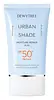
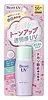
Ingredients Side-by-side
Water
Skin ConditioningDibutyl Adipate
EmollientDicaprylyl Carbonate
EmollientPropanediol
Solvent

Glycerin
Humectant
Butyloctyl Salicylate
Skin Conditioning
Titanium Dioxide
Cosmetic Colorant
Diethylamino Hydroxybenzoyl Hexyl Benzoate
UV Filter
Polysilicone-15
UV Filter
Niacinamide
Smoothing









Ethylhexyl Triazone
UV Absorber
1,2-Hexanediol
Skin Conditioning
Cetearyl Olivate

Cetearyl Alcohol
Emollient



Pentylene Glycol
Skin Conditioning
Sorbitan Olivate
Emulsifying
Behenyl Alcohol
Emollient
C14-22 Alcohols
Emulsion Stabilising
Polyglyceryl-2 Caprate
EmulsifyingPentaerythrityl Tetra-Di-T-Butyl Hydroxyhydrocinnamate
Antioxidant
Rosmarinus Officinalis Leaf Oil
Masking

Sucrose Stearate
EmollientMelia Azadirachta Leaf Extract
Skin ConditioningSimmondsia Chinensis Seed Oil
Emollient
Stearic Acid
Cleansing
C12-20 Alkyl Glucoside
EmulsifyingAlumina
Abrasive
Inulin Lauryl Carbamate
Emulsion StabilisingGlyceryl Caprylate
EmollientXanthan Gum
EmulsifyingEthylhexylglycerin
Skin ConditioningAdenosine
Skin Conditioning
Melia Azadirachta Flower Extract
Skin ConditioningSqualane
Emollient
Corchorus Olitorius Leaf Extract
Skin ConditioningHordeum Vulgare Extract
EmollientTocopherol
Antioxidant
Glucose
Humectant
Hydroxypropyltrimonium Hyaluronate
Panthenol
Skin Conditioning
Butylene Glycol
Humectant
Dipropylene Glycol
HumectantEcklonia Cava Extract
Skin ConditioningSodium Palmitoyl Proline
Skin ConditioningFructan
Skin ConditioningSodium Hyaluronate
Humectant
Undaria Pinnatifida Extract
Skin ConditioningOpuntia Ficus-Indica Stem Extract
Skin Conditioning
Spirulina Platensis Extract
Skin ProtectingBetula Platyphylla Japonica Juice
Skin Conditioning
Hydrolyzed Hyaluronic Acid
Humectant
Sodium Hyaluronate Crosspolymer
Humectant
Hyaluronic Acid
Humectant
Sodium Acetylated Hyaluronate
Humectant
Nymphaea Alba Flower Extract
Skin ConditioningHydrolyzed Sodium Hyaluronate
Skin Conditioning
Water, Dibutyl Adipate, Dicaprylyl Carbonate, Propanediol, Glycerin, Butyloctyl Salicylate, Titanium Dioxide, Diethylamino Hydroxybenzoyl Hexyl Benzoate, Polysilicone-15, Niacinamide, Ethylhexyl Triazone, 1,2-Hexanediol, Cetearyl Olivate, Cetearyl Alcohol, Pentylene Glycol, Sorbitan Olivate, Behenyl Alcohol, C14-22 Alcohols, Polyglyceryl-2 Caprate, Pentaerythrityl Tetra-Di-T-Butyl Hydroxyhydrocinnamate, Rosmarinus Officinalis Leaf Oil, Sucrose Stearate, Melia Azadirachta Leaf Extract, Simmondsia Chinensis Seed Oil, Stearic Acid, C12-20 Alkyl Glucoside, Alumina, Inulin Lauryl Carbamate, Glyceryl Caprylate, Xanthan Gum, Ethylhexylglycerin, Adenosine, Melia Azadirachta Flower Extract, Squalane, Corchorus Olitorius Leaf Extract, Hordeum Vulgare Extract, Tocopherol, Glucose, Hydroxypropyltrimonium Hyaluronate, Panthenol, Butylene Glycol, Dipropylene Glycol, Ecklonia Cava Extract, Sodium Palmitoyl Proline, Fructan, Sodium Hyaluronate, Undaria Pinnatifida Extract, Opuntia Ficus-Indica Stem Extract, Spirulina Platensis Extract, Betula Platyphylla Japonica Juice, Hydrolyzed Hyaluronic Acid, Sodium Hyaluronate Crosspolymer, Hyaluronic Acid, Sodium Acetylated Hyaluronate, Nymphaea Alba Flower Extract, Hydrolyzed Sodium Hyaluronate
Cyclopentasiloxane
Emollient
Zinc Oxide
Cosmetic Colorant
Alcohol
Antimicrobial




Ethylhexyl Methoxycinnamate
UV Absorber
Water
Skin ConditioningDimethicone
Emollient
Hydrogenated Polyisobutene
EmollientStearyl/Lauryl Methacrylate Crosspolymer
Skin ConditioningTalc
Abrasive
Isopropyl Palmitate
Emollient
Titanium Dioxide
Cosmetic Colorant
Mica
Cosmetic ColorantDiethylamino Hydroxybenzoyl Hexyl Benzoate
UV Filter
Polymethylsilsesquioxane
Glycerin
Humectant
Bis-Ethylhexyloxyphenol Methoxyphenyl Triazine
Skin Conditioning
Triethoxycaprylylsilane
PEG-12 Dimethicone
Skin Conditioning
Polysilicone-9
PEG-3 Dimethicone
Skin Conditioning
Vinyl Dimethicone/Methicone Silsesquioxane Crosspolymer
Aluminum Hydroxide
EmollientDimethicone/Vinyl Dimethicone Crosspolymer
Skin Conditioning
Stearic Acid
Cleansing
PEG-32
HumectantMethicone
Emollient
Tin Oxide
Abrasive
BHT
Antioxidant
Dimyristyl Phosphate
CleansingSodium Hyaluronate
Humectant
Phenoxyethanol
Preservative
Sulfuric Acid
BufferingCI 73360
Cosmetic ColorantCyclopentasiloxane, Zinc Oxide, Alcohol, Ethylhexyl Methoxycinnamate, Water, Dimethicone, Hydrogenated Polyisobutene, Stearyl/Lauryl Methacrylate Crosspolymer, Talc, Isopropyl Palmitate, Titanium Dioxide, Mica, Diethylamino Hydroxybenzoyl Hexyl Benzoate, Polymethylsilsesquioxane, Glycerin, Bis-Ethylhexyloxyphenol Methoxyphenyl Triazine, Triethoxycaprylylsilane, PEG-12 Dimethicone, Polysilicone-9, PEG-3 Dimethicone, Vinyl Dimethicone/Methicone Silsesquioxane Crosspolymer, Aluminum Hydroxide, Dimethicone/Vinyl Dimethicone Crosspolymer, Stearic Acid, PEG-32, Methicone, Tin Oxide, BHT, Dimyristyl Phosphate, Sodium Hyaluronate, Phenoxyethanol, Sulfuric Acid, CI 73360
Ingredients Explained
These ingredients are found in both products.
Ingredients higher up in an ingredient list are typically present in a larger amount.
Diethylamino Hydroxybenzoyl Hexyl Benzoate (DHHB) is a chemical UV-A absorber. It is formulated for high UVA protection (320-400 nm).
DHHB is well-liked for:
DHHB has been approved by the EU, Japan, Taiwan, and South America for use up to 10%. Unfortunately, it has not been approved for use in the US or Canada due to slow regulatory processes.
This ingredient is soluble in oils, fats, and lipids.
Learn more about Diethylamino Hydroxybenzoyl Hexyl BenzoateGlycerin (or glycerol) is a compound naturally found in your skin. It's a powerhouse humectant that pulls water into the stratum corneum.
Topically, glycerin does several things at once:
Your skin makes glycerin on its own (mostly from sebaceous oil breakdown) and shuttles it to your outermost layer of skin, or your epidermis, via aquaporin-3.
Aquaporin-3 is a transporter that is essential for normal skin hydration, elasticity, and repair. Interestingly, mice lacking in AQP3 have dry and less elastic skin that can be fully corrected with glycerin.
This ingredient is non-irritating, plays well with almost every ingredient, and works across all skin types. Typical use is anywhere between 3-10% but can go up to 79% in some leave-on products.
Just know very high concentrations (>40%) can feel tacky in low humidity.
Glycerin is the name for this ingredient in American English. British English uses Glycerol/Glycerine.
Learn more about GlycerinSodium Hyaluronate is the salt form of hyaluronic acid. It is a long sugar chain that is naturally found in your skin, joints, and connective tissue that maintains hydration and elasticity.
In skincare, it works as a humectant. It pulls water from the environment and deeper layers of skin and binds it to the surface.
Interestingly, the size of the molecule affects its behavior:
Some clinical evidence links low molecular weight versions to improved wrinkle depth, elasticity, anti-inflammatory effects, and barrier repair.
Many serums use a blend of both weights so you can get surface hydration plus longer-lasting and deeper effects.
You'll typically see concentrations between 0.1-2% for this ingredient.
Learn more about Sodium HyaluronateStearic Acid is a fatty acid that is already found in your skin. It's one of the free fatty acids that works alongside ceramides and cholesterols to maintain your barrier.
In cosmetics, it is a multitasker:
Safety-wise, the CIR Expert Panel has concluded it to be safe in cosmetics when formulated to be non-irritating and non-sensitizing.
Free stearic acid is a C18 fatty acid that the Malassezia yeast can substrate, so this ingredient may not be fungal acne safe.
Learn more about Stearic AcidTitanium dioxide is a mineral UV filter widely used in sunscreens and cosmetics.
It is one of only two UV filters officially classified as “mineral” by regulatory agencies, the other being zinc oxide.
Titanium dioxide provides broad-spectrum protection mostly in the UVB and UVAII range, with some protection in the UVAI range.
While its UVA protection isn’t as strong as zinc oxide’s, the difference is minor.
A common myth is that mineral UV filters reflect UV light. However, modern research shows titanium dioxide absorbs UV radiation like chemical filters (~95% absorption & 5% reflection).
Thanks to its non-irritating nature, titanium dioxide is suitable for sensitive, acne-prone, or redness-prone skin. It is unlikely to cause "eye sting" like other sunscreen ingredients.
A major drawback of this ingredient is its white cast and thick texture. This is why mineral sunscreens often leave a white cast and are less cosmetically elegant than chemical/hybrid sunscreens.
To improve white cast and spreadability, micronized or nano-sized titanium dioxide is often used.
There are ongoing concerns surrounding nano-titanium oxide's impact on marine ecosystems.
There is no conclusive evidence that any form of titanium oxide (or any other sunscreen ingredients) will cause harm to marine ecosystems or coral reefs. The science is still developing but many consumers are keeping a close eye on this issue.
Please note, many destinations have reef-safety sunscreen rules. For instance, the U.S. Virgin Islands advises all visitors to use non-nano mineral sunscreens.
Nano mineral sunscreens once raised safety concerns about absorption into skin.
Extensive research has shown that they do not penetrate healthy or damaged skin; they remain safely on the surface and the top layer of dead skin (stratum corneum).
You'll likely find titanium dioxide bundled with alumina, silica, or dimethicone. These ingredients help make titanium dioxide highly photostable; this prevents it from interacting with other formula components under UV light.
Learn more about Titanium DioxideWater. It's the most common cosmetic ingredient of all. You'll usually see it at the top of ingredient lists, meaning that it makes up the largest part of the product.
So why is it so popular? Water most often acts as a solvent - this means that it helps dissolve other ingredients into the formulation.
You'll also recognize water as that liquid we all need to stay alive. If you see this, drink a glass of water. Remember to stay hydrated!
Learn more about Water
