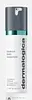
This acne moisturizer is formulated around Salicylic Acid and Niacinamide to clear breakouts and balance excess oil.
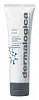
This barrier-repair moisturizer is formulated around Caprylic/Capric Triglyceride and Saccharide Isomerate to strengthen the skin barrier and hydrate skin.

What's inside
What's inside
 Key Ingredients
No key ingredients
Benefits
Concerns
Ingredients Side-by-side
Salicylic Acid 0.5%
Masking










Water
Skin ConditioningButylene Glycol
Humectant

Propanediol
Solvent
Niacinamide
Smoothing





Octyldodecanol
Emollient
Ethylhexyl Olivate
Skin Conditioning
Glycerin
Humectant
Erythritol
Humectant
Inulin
Skin Conditioning
Cetearyl Olivate
Lavandula Angustifolia Oil
Masking



Lavandula Hybrida Oil
Emollient
Citrus Limon Peel Oil
Masking
Salvia Sclarea Oil
Masking
Hydrolyzed Jojoba Esters
Skin Conditioning
Morinda Citrifolia Fruit Extract
Skin Conditioning
Leptospermum Scoparium Branch/Leaf Oil
Tonic
Phaeodactylum Tricornutum Extract
HumectantMagnolia Officinalis Bark Extract
Antimicrobial
Piper Nigrum Seed Extract
RefreshingRosmarinus Officinalis Leaf Oil
Masking
Tocopherol
Antioxidant

Xylitol
Humectant
Squalane
Emollient
Caprylyl Glycol
Emollient
Lecithin
Emollient
Glutamic Acid
Humectant
Polyquaternium-80
CleansingDidecyldimonium Chloride
EmulsifyingMethylpropanediol
SolventSorbitan Olivate
Emulsifying
Tetrasodium Glutamate Diacetate
ChelatingCitric Acid
Buffering
Sodium Hydroxide
BufferingPolyacrylate Crosspolymer-6
Emulsion StabilisingCaprylic Acid
CleansingLinalool
Perfuming
Limonene
Perfuming
Salicylic Acid 0.5%, Water, Butylene Glycol, Propanediol, Niacinamide, Octyldodecanol, Ethylhexyl Olivate, Glycerin, Erythritol, Inulin, Cetearyl Olivate, Lavandula Angustifolia Oil, Lavandula Hybrida Oil, Citrus Limon Peel Oil, Salvia Sclarea Oil, Hydrolyzed Jojoba Esters, Morinda Citrifolia Fruit Extract, Leptospermum Scoparium Branch/Leaf Oil, Phaeodactylum Tricornutum Extract, Magnolia Officinalis Bark Extract, Piper Nigrum Seed Extract, Rosmarinus Officinalis Leaf Oil, Tocopherol, Xylitol, Squalane, Caprylyl Glycol, Lecithin, Glutamic Acid, Polyquaternium-80, Didecyldimonium Chloride, Methylpropanediol, Sorbitan Olivate, Tetrasodium Glutamate Diacetate, Citric Acid, Sodium Hydroxide, Polyacrylate Crosspolymer-6, Caprylic Acid, Linalool, Limonene
Water
Skin ConditioningCaprylic/Capric Triglyceride
Masking
Pentylene Glycol
Skin Conditioning
Butylene Glycol
Humectant
Methyl Gluceth-20
Humectant
Coconut Alkanes
Emollient
Cetearyl Alcohol
Emollient
Palmitic Acid
Emollient
Stearic Acid
Cleansing
Saccharide Isomerate
Humectant
Dimethicone
Emollient
Glyceryl Stearate
Emollient
Hydrolyzed Jojoba Esters
Skin Conditioning
Leuconostoc/Radish Root Ferment Filtrate
Antimicrobial
Arctium Lappa Root Extract
Skin Conditioning
Citrus Limon Fruit Extract
Masking
Cucumis Sativus Fruit Extract
Emollient
Hedera Helix Extract
AntimicrobialMalva Sylvestris Flower Extract
Skin ConditioningNasturtium Officinale Extract
Perfuming
Propanediol
Solvent
Polysorbate 60
Emulsifying
Caprylyl Glycol
Emollient
Acrylates/C10-30 Alkyl Acrylate Crosspolymer
Emulsion StabilisingAllantoin
Skin Conditioning
Tetrasodium Glutamate Diacetate
ChelatingCoco-Caprylate/Caprate
Emollient
Polyquaternium-10
Ethylhexylglycerin
Skin ConditioningTriethyl Citrate
Masking
Myristic Acid
Cleansing
Citrus Aurantium Bergamia Fruit Extract
Skin ConditioningCitrus Limon Peel Extract
EmollientLavandula Angustifolia Flower/Leaf/Stem Extract
Masking
Lavandula Hybrida Flower Extract
Masking
Citric Acid
Buffering
Sodium Citrate
BufferingSodium Hydroxide
BufferingAminomethyl Propanol
BufferingCitral
Perfuming
Linalool
Perfuming
Limonene
Perfuming
Water, Caprylic/Capric Triglyceride, Pentylene Glycol, Butylene Glycol, Methyl Gluceth-20, Coconut Alkanes, Cetearyl Alcohol, Palmitic Acid, Stearic Acid, Saccharide Isomerate, Dimethicone, Glyceryl Stearate, Hydrolyzed Jojoba Esters, Leuconostoc/Radish Root Ferment Filtrate, Arctium Lappa Root Extract, Citrus Limon Fruit Extract, Cucumis Sativus Fruit Extract, Hedera Helix Extract, Malva Sylvestris Flower Extract, Nasturtium Officinale Extract, Propanediol, Polysorbate 60, Caprylyl Glycol, Acrylates/C10-30 Alkyl Acrylate Crosspolymer, Allantoin, Tetrasodium Glutamate Diacetate, Coco-Caprylate/Caprate, Polyquaternium-10, Ethylhexylglycerin, Triethyl Citrate, Myristic Acid, Citrus Aurantium Bergamia Fruit Extract, Citrus Limon Peel Extract, Lavandula Angustifolia Flower/Leaf/Stem Extract, Lavandula Hybrida Flower Extract, Citric Acid, Sodium Citrate, Sodium Hydroxide, Aminomethyl Propanol, Citral, Linalool, Limonene
Ingredients Explained
These ingredients are found in both products.
Ingredients higher up in an ingredient list are typically present in a larger amount.
Butylene Glycol (or BG) is used within cosmetic products for a few different reasons:
Overall, Butylene Glycol is a safe and well-rounded ingredient that works well with other ingredients.
Though this ingredient works well with most skin types, some people with sensitive skin may experience a reaction such as allergic rashes, closed comedones, or itchiness.
Learn more about Butylene GlycolCaprylyl Glycol is a humectant, skin conditioner, emollient, and preservative booster derived from either caprylic acid or synthetically created.
Typical use levels vary from 0.3-1% as a preservative booster and go up to 2% to condition skin.
Because it is not a free-fatty acid, this ingredient is fungal acne safe (there's nothing for Malassezia to feed on).
Learn more about Caprylyl GlycolCitric Acid is an alpha hydroxy acid (AHA) naturally found in citrus fruits like oranges, lemons, and limes.
Like other AHAs, citric acid can exfoliate skin by breaking down the bonds that hold dead skin cells together. This helps reveal smoother and brighter skin underneath.
However, this exfoliating effect only happens at high concentrations (20%) which can be hard to find in cosmetic products.
Due to this, citric acid is usually included in small amounts as a pH adjuster. This helps keep products slightly more acidic and compatible with skin's natural pH.
In skincare formulas, citric acid can:
While it can provide some skin benefits, research shows lactic acid and glycolic acid are generally more effective and less irritating exfoliants.
Most citric acid used in skincare today is made by fermenting sugars (usually from molasses). This synthetic version is identical to the natural citrus form but easier to stabilize and use in formulations.
Rosacea skin has a lower threshold for acids generally, with 62.5% of rosacea subjects in one study reacting to lactic acid in a sting test. This is why we mark citric acid as a potential rosacea trigger.
However, this ingredient shows up as a pH adjuster or chelator at roughly 0.1-1% in many products. These low levels are unlikely to be an issue for rosacea skin and becomes a potential trigger at exfoliating concentrations (20%). Because everybody's skin is unique, we recommend a patch test if you are unsure.
Learn more about Citric AcidHydrolyzed Jojoba Esters (HJE) are an emollient and skin-conditioning agent made by breaking down jojoba oil into a blend of fatty acids and fatty alcohols.
Jojoba is pretty cool because it's a liquid wax ester rather than a triglyceride like most plant oils. Its structure closely resembles the wax esters in human sebum so it slots nicely into the skin's own lipid layer.
In cosmetics, HJE works mainly to soften skin, reinforce the barrier, and lock in moisture by reducing water loss. This ingredient also holds onto the skin even after rinsing which is why you'll see it in cleansers or wipes.
There's a decent clinical backing for the moisturizing claims: a small controlled study found that pairing HJE with glycerin lowered transepidermal water loss significantly than glycerin alone (and this effect lasted up to 24 hours).
Follow-up work showed HJE appear to "trap" glycerin in the film they form on skin to boost its hydrating power.
Typical use levels are low: the glycering-synergy research used around 1.25% (a common pairing is roughly 1.25% HJE and 3.75% glycerin).
This ingredient has been found safe as used in cosmetics with low irritation risk.
As for fungal acne, the fatty acids and alcohols in jojoba fall in roughly the C18-24 range. This overlaps the C11-24 window that Malassezia yeast can feed on in lab studies, so this ingredient may not be fungal acne safe.
Learn more about Hydrolyzed Jojoba EstersLimonene is the compound that gives citrus peel its smell.
In skincare, it shows up as a standalone fragrance ingredient or as a natural compound of citrus and other essential oils.
You'll typically see this ingredient used in very small amounts; anything above 0.001% in a leave-on product or 0.01% in a rinse-off has to be named on the label in the EU. The citrus oils that carry it sit around 0.5-1% in a finished formula.
Fresh limonene is a weak allergen; the real issue is that it slowly reacts with air and then breaks down from oxidation to create hydroperoxides (which are strong sensitizers). This is why suppliers are required to keep the peroxide value below 20 mmol.
Positive reactions in people being investigated for eczema vary:
It's worth skipping if you have a known fragrance allergy or a compromised barrier, but the risk is low for most people.
Older or long-opened products are also more likely to bother you than fresh ones due to oxidation.
Learn more about LimoneneLinalool is a small, naturally occurring scent molecule found in plants like lavender, coriander, bergamot, and more.
It is one of the two most-used fragrance ingredients in cosmetics and added purely for smell. Since it's not used for a skin benefit, there's no "effective dose". Concentration depends on the fragrance load of the product.
The EU requires it to be named on the label above 0.001% in leave-on and 0.01% in rinse-off products.
Fresh linalool is a weak sensitizer but air exposure turns some of it into hydroperoxides, which are strong sensitizers. Those oxidation products are the actual allergy concern.
Patch-test clinics see positive reactions to linalool hydroperoxides in about 4% to 12% of dermatitis patients depending on country and test concentration.
Resassuringly, one analytical study found hydroperoxide levels in real fragranced products to be orders of magnitude below what induced sensitization in animal studies with no evidence of oxidation building up during normal storage.
The practical takeaway is that linalool is fine for most people but worth avoiding if you have a confirmed fragrance contact allergy or a badly compromised barrier.
Products stored a long time after opening are also the high-risk scenario since that is when oxidation happens.
The scent of linalool is described as floral, spicy tropical, and citrus-like.
Learn more about LinaloolPropanediol is an all-star ingredient. It softens, hydrates, and smooths the skin.
It’s often used to:
Propanediol is not likely to cause sensitivity and considered safe to use. It is derived from corn or petroleum with a clear color and no scent.
Learn more about PropanediolSodium Hydroxide is also known as lye or caustic soda. It is used to adjust the pH of products; many ingredients require a specific pH to be effective.
In small amounts, sodium hydroxide is considered safe to use. However, large amounts may cause chemical burns due to its high alkaline.
Your skin has a natural pH and acid mantle. This acid mantle helps prevent harmful bacteria from breaking through. The acid mantle also helps keep your skin hydrated.
"Alkaline" refers to a high pH level. A low pH level would be considered acidic.
Learn more about Sodium HydroxideTetrasodium Glutamate Diacetate is a chelating agent. Chelating agents help prevent metal ions from binding to other ingredients. This helps prevent unwanted effects and reactions from a product. These metal ions may come from water and are found in miniscule amounts.
Tetrasodium Glutamate Diacetate can also help other preservatives be more effective.
Water. It's the most common cosmetic ingredient of all. You'll usually see it at the top of ingredient lists, meaning that it makes up the largest part of the product.
So why is it so popular? Water most often acts as a solvent - this means that it helps dissolve other ingredients into the formulation.
You'll also recognize water as that liquid we all need to stay alive. If you see this, drink a glass of water. Remember to stay hydrated!
Learn more about Water

