Danessa Myricks Beauty 10/10 Barrier Boost HA + Ectoin Plumping Serum Versus Anua Rice 70 Glow Milky Toner
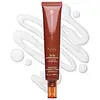
This barrier-repair serum is formulated around Sodium Hyaluronate and Ectoin to strengthen the skin barrier and hydrate skin.
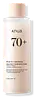
This brightening toner is formulated around Niacinamide and Oryza Sativa Extract to brighten dull-looking skin and hydrate skin.


What's inside
What's inside
 Key Ingredients
Benefits
Concerns
No concerns
Ingredients Side-by-side
Water
Skin ConditioningIsopentyldiol
Humectant
C9-12 Alkane
SolventDiglycerin
Humectant
Butylene Glycol
Humectant
Octyldodecyl Myristate
EmollientJojoba Esters
Emollient

Isostearyl Alcohol
Emollient
Hydroxyethyl Acrylate/Sodium Acryloyldimethyl Taurate Copolymer
Emulsion StabilisingCetearyl Alcohol
Emollient



Sodium Hyaluronate
Humectant


Sodium Hyaluronate Crosspolymer
Humectant
Hydrolyzed Hyaluronic Acid
Humectant
Hyaluronic Acid
Humectant
Sodium Acetylated Hyaluronate
Humectant
Hydrolyzed Sodium Hyaluronate
Skin Conditioning
Ectoin
Skin Conditioning
Lactic Acid
Buffering






Helianthus Annuus Seed Wax
Skin Conditioning
Coco-Caprylate/Caprate
Emollient
Sodium Gluconate
ChelatingButylene Glycol Cocoate
Emulsifying
Ethylhexyl Stearate
Emollient
Acacia Decurrens Flower Wax
Emollient
Polyglycerin-3
Humectant
Glyceryl Stearate
Emollient
Sodium Stearoyl Glutamate
CleansingXanthan Gum
EmulsifyingHydroxyacetophenone
Antioxidant
Caprylyl Glycol
Emollient
Polyglyceryl-4 Diisostearate/Polyhydroxystearate/Sebacate
Emulsifying
Sodium Isostearate
CleansingPolysorbate 60
Emulsifying
Sorbitan Isostearate
Emulsifying
Pentylene Glycol
Skin Conditioning
Ethylcellulose
Ethylhexylglycerin
Skin ConditioningTocopherol
Antioxidant
Water, Isopentyldiol, C9-12 Alkane, Diglycerin, Butylene Glycol, Octyldodecyl Myristate, Jojoba Esters, Isostearyl Alcohol, Hydroxyethyl Acrylate/Sodium Acryloyldimethyl Taurate Copolymer, Cetearyl Alcohol, Sodium Hyaluronate, Sodium Hyaluronate Crosspolymer, Hydrolyzed Hyaluronic Acid, Hyaluronic Acid, Sodium Acetylated Hyaluronate, Hydrolyzed Sodium Hyaluronate, Ectoin, Lactic Acid, Helianthus Annuus Seed Wax, Coco-Caprylate/Caprate, Sodium Gluconate, Butylene Glycol Cocoate, Ethylhexyl Stearate, Acacia Decurrens Flower Wax, Polyglycerin-3, Glyceryl Stearate, Sodium Stearoyl Glutamate, Xanthan Gum, Hydroxyacetophenone, Caprylyl Glycol, Polyglyceryl-4 Diisostearate/Polyhydroxystearate/Sebacate, Sodium Isostearate, Polysorbate 60, Sorbitan Isostearate, Pentylene Glycol, Ethylcellulose, Ethylhexylglycerin, Tocopherol
Oryza Sativa Bran Water 71%
Masking
Butylene Glycol
Humectant
Glycerin
Humectant
Dipropylene Glycol
HumectantNiacinamide
Smoothing

Propanediol
Solvent
Water
Skin Conditioning1,2-Hexanediol
Skin Conditioning
Methyl Gluceth-20
Humectant
Panthenol
Skin Conditioning
Betaine
Humectant
Oryza Sativa Extract
Absorbent
Hydroxyacetophenone
Antioxidant
Diphenyl Dimethicone
Emollient
Triethylhexanoin
MaskingHydrogenated Lecithin
Emulsifying
Adenosine
Skin Conditioning
Ethylhexylglycerin
Skin ConditioningCarbomer
Emulsion StabilisingTromethamine
BufferingXanthan Gum
EmulsifyingGlyceryl Acrylate/Acrylic Acid Copolymer
HumectantTheobroma Cacao Seed Extract
Antioxidant
Sodium Hyaluronate
Humectant
Hydrolyzed Hyaluronic Acid
Humectant
Hyaluronic Acid
Humectant
Dextrin
AbsorbentHydrolyzed Rice Protein
Skin ConditioningOryza Sativa Seed Protein
Antioxidant
Ceramide NP
Skin Conditioning
Sodium Lauroyl Lactylate
EmulsifyingArbutin
Antioxidant
Ascorbic Acid
Antioxidant
Allantoin
Skin Conditioning
Ceramide AP
Skin Conditioning
Phytosphingosine
Skin Conditioning
Cholesterol
Emollient
Ceramide EOP
Skin Conditioning
Oryza Sativa Bran Water 71%, Butylene Glycol, Glycerin, Dipropylene Glycol, Niacinamide, Propanediol, Water, 1,2-Hexanediol, Methyl Gluceth-20, Panthenol, Betaine, Oryza Sativa Extract, Hydroxyacetophenone, Diphenyl Dimethicone, Triethylhexanoin, Hydrogenated Lecithin, Adenosine, Ethylhexylglycerin, Carbomer, Tromethamine, Xanthan Gum, Glyceryl Acrylate/Acrylic Acid Copolymer, Theobroma Cacao Seed Extract, Sodium Hyaluronate, Hydrolyzed Hyaluronic Acid, Hyaluronic Acid, Dextrin, Hydrolyzed Rice Protein, Oryza Sativa Seed Protein, Ceramide NP, Sodium Lauroyl Lactylate, Arbutin, Ascorbic Acid, Allantoin, Ceramide AP, Phytosphingosine, Cholesterol, Ceramide EOP
Reviews
Ingredients Explained
These ingredients are found in both products.
Ingredients higher up in an ingredient list are typically present in a larger amount.
Butylene Glycol (or BG) is used within cosmetic products for a few different reasons:
Overall, Butylene Glycol is a safe and well-rounded ingredient that works well with other ingredients.
Though this ingredient works well with most skin types, some people with sensitive skin may experience a reaction such as allergic rashes, closed comedones, or itchiness.
Learn more about Butylene GlycolEthylhexylglycerin is created from glycerin. It is a multitasker ingredient that:
The CIR Expert Panel found minimal skin absorption or sensitization of any kind in a safety assessment. Though this ingredient is considered well-tolerated, a small number of cases of allergic dermatitis have been published since 2002. Just be sure to patch test if you are unsure.
Industry-reported use ranges from 8% in rinse-off products and 2% in leave-on formulations.
Learn more about EthylhexylglycerinHyaluronic acid (HA) is a glycosaminoglycan (basically a long sugar chain) that your skin already makes on its own. In your skin, HA lives in the extracellular matrix and acts as the body's moisture reservoir.
Topically, HA is a humectant that binds water and helps skin look more plump, smooth, and hydrated.
The only catch is that HA isn't a single thing; it actually comes in a wide range of molecular weights (~50 - 2,000+ kDA) and size matters.
Some clinical evidence links low molecular weight versions to improved wrinkle depth, elasticity, anti-inflammatory effects, and barrier repair.
This is why the best HA serums blend the two sizes together so you get the best of both worlds.
The majority of cosmetic HA is produced by bacterial fermentation, typically using Streptococcus or Bacillus strains. Typical use levels in skincare sit around 0.1-2%.
A clinical study using a 0.2% low-molecular weight HA gel showed improvement in facial seborrheic dermatitis with excellent tolerance.
These are some other common types of Hyaluronic Acid:
Learn more about Hyaluronic AcidHydrolyzed Hyaluronic Acid is hyaluronic acid (HA) that is broken down into lower molecular weight fragments.
It's a humectant that pulls and holds water in the skin to help with hydration, plumpness, and reduce transepidermal water loss.
Because hydrolyzed hyaluronic acid is smaller in size, it can slip past your outermost layer of skin more easily than full-sized HA.
Most formulations will combine all sizes to get the best of both worlds.
Typical usage levels range from 0.01-1%. Any percentage higher than 2% might become goopy and tacky.
Learn more about Hydrolyzed Hyaluronic AcidHydroxyacetophenone is a small phenolic molecule that earns its place in a formulas as an antioxidant and preservative booster.
As a phenol, it is able to neutralize free radicals to protect both the product and the skin from oxidative stress.
Though it can't kill microbes on its own, it works as a good supporting agent when combined with other preservatives like Phenoxyethanol or 1,2-Hexanediol.
This ingredient naturally occurs as piceol in Norwegian spruce needles (~0.4-1.1% dry weight and in cloudberries). Though the cosmetic-grade material is synthesized for purity and consistency.
You'll usually see it used at low levels and suppliers recommend up to 1% added to a water phase.
Safety testing was done at concentrations like 0.05% in SPF products and 0.5% in a Human Repeated Insult Patch Test. The safety evidence is assuring; this ingredient is safe for cosmetics in current use and also holds safety status as a food flavoring as well.
An honest caveat: the "soothing" and "anti-inflammatory" claims come mostly from supplier marketing rather than published clinical trials. The Cosmetic Ingredient Review's own literature search found no useful efficacy studies on this ingredient.
So the antioxidant and preservative-boosting roles are the well supported ones while the calming benefit is plausible but thinly evidenced.
Overall, this is a well-tolerated, low-irritation multitasker that quietly helps a formula stay fresh and stable.
Learn more about HydroxyacetophenoneSodium Hyaluronate is the salt form of hyaluronic acid. It is a long sugar chain that is naturally found in your skin, joints, and connective tissue that maintains hydration and elasticity.
In skincare, it works as a humectant. It pulls water from the environment and deeper layers of skin and binds it to the surface.
Interestingly, the size of the molecule affects its behavior:
Some clinical evidence links low molecular weight versions to improved wrinkle depth, elasticity, anti-inflammatory effects, and barrier repair.
Many serums use a blend of both weights so you can get surface hydration plus longer-lasting and deeper effects.
You'll typically see concentrations between 0.1-2% for this ingredient.
Learn more about Sodium HyaluronateWater. It's the most common cosmetic ingredient of all. You'll usually see it at the top of ingredient lists, meaning that it makes up the largest part of the product.
So why is it so popular? Water most often acts as a solvent - this means that it helps dissolve other ingredients into the formulation.
You'll also recognize water as that liquid we all need to stay alive. If you see this, drink a glass of water. Remember to stay hydrated!
Learn more about WaterXanthan gum is used as a stabilizer and thickener within cosmetic products. It helps give products a sticky, thick feeling - preventing them from being too runny.
On the technical side of things, xanthan gum is a polysaccharide - a combination consisting of multiple sugar molecules bonded together.
Xanthan gum is a pretty common and great ingredient. It is a natural, non-toxic, non-irritating ingredient that is also commonly used in food products.
Learn more about Xanthan Gum

