
What's inside
What's inside
 Key Ingredients
Benefits
Concerns
Ingredients Side-by-side
Water
Skin ConditioningCetyl Alcohol
Emollient



Dimethicone
Emollient

Chrysanthemum Boreale Flower/Leaf/Stem Extract
Skin ConditioningStearyl Alcohol
Emollient
Stearamidopropyl Dimethylamine
EmulsifyingDicaprylyl Carbonate
EmollientRehmannia Glutinosa Root Extract
Skin ConditioningGlutamic Acid
Humectant
Myristyl Alcohol
Emollient


Thuja Orientalis Leaf Extract
Antioxidant
Artemisia Vulgaris Extract
Skin Conditioning
Morus Alba Bark Extract
Skin ConditioningEclipta Prostrata Extract
Skin Conditioning
Gleditsia Japonica Fruit Extract
Skin ConditioningLauryl Alcohol
Emollient
Disodium EDTA
ChelatingCnidium Officinale Root Extract
Skin ConditioningLactobacillus
Skin ConditioningAcorus Calamus Rhizome Water
Skin ConditioningPEG-10
HumectantGlycerin
Humectant

Panax Ginseng Root Extract
Emollient
Phenyl Trimethicone
Skin Conditioning
Keratin
Skin ConditioningPanthenol
Skin Conditioning
Caprylic/Capric Triglyceride
Masking
Citric Acid
Buffering

Lecithin
Emollient
Butylene Glycol
Humectant
Hydrolyzed Keratin
Humectant
Tocopheryl Acetate
Antioxidant
Oxidized Keratin
Skin ConditioningCeramide NP
Skin Conditioning

1,2-Hexanediol
Skin Conditioning
Caprylyl Glycol
Emollient
Sodium Benzoate
Masking
Phenoxyethanol
Preservative
Parfum
Masking


Linalool
Perfuming
Alpha-Isomethyl Ionone
Perfuming
Limonene
Perfuming
Hexyl Cinnamal
Perfuming
Citronellol
Perfuming
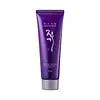
Water, Cetyl Alcohol, Dimethicone, Chrysanthemum Boreale Flower/Leaf/Stem Extract, Stearyl Alcohol, Stearamidopropyl Dimethylamine, Dicaprylyl Carbonate, Rehmannia Glutinosa Root Extract, Glutamic Acid, Myristyl Alcohol, Thuja Orientalis Leaf Extract, Artemisia Vulgaris Extract, Morus Alba Bark Extract, Eclipta Prostrata Extract, Gleditsia Japonica Fruit Extract, Lauryl Alcohol, Disodium EDTA, Cnidium Officinale Root Extract, Lactobacillus, Acorus Calamus Rhizome Water, PEG-10, Glycerin, Panax Ginseng Root Extract, Phenyl Trimethicone, Keratin, Panthenol, Caprylic/Capric Triglyceride, Citric Acid, Lecithin, Butylene Glycol, Hydrolyzed Keratin, Tocopheryl Acetate, Oxidized Keratin, Ceramide NP, 1,2-Hexanediol, Caprylyl Glycol, Sodium Benzoate, Phenoxyethanol, Parfum, Linalool, Alpha-Isomethyl Ionone, Limonene, Hexyl Cinnamal, Citronellol
Propylene Glycol
Humectant
Alcohol
Antimicrobial

Myristyl Alcohol
Emollient
Water
Skin ConditioningCyclopentasiloxane
Emollient
Steartrimonium Chloride
Preservative
Sodium Lactate
Buffering
Behentrimonium Chloride
Preservative
Parfum
Masking
Menthol
Masking
Salicylic Acid
Masking




Isopropyl Alcohol
Solvent
Panthenol
Skin Conditioning
Butylene Glycol
Humectant
Hydrolyzed Collagen
Emollient
Gelatin
Glycerin
Humectant
Hydrolyzed Keratin
Humectant
Avena Sativa Kernel Meal
Abrasive
Glycine
Buffering
Spirulina Platensis Extract
Skin ProtectingSerine
Masking
Glutamic Acid
Humectant
Hydrolyzed Corn Protein
Skin ConditioningHydrolyzed Soy Protein
Humectant
Hydrolyzed Wheat Protein
Skin ConditioningPhenoxyethanol
Preservative
Aspartic Acid
Masking
Leucine
Skin ConditioningAlanine
Masking
Lysine
Skin ConditioningArginine
Masking
Tyrosine
MaskingPhenylalanine
Masking
Proline
Skin Conditioning
Threonine
Valine
MaskingIsoleucine
Skin ConditioningHistidine
Humectant
Cystine
MaskingMethionine
Skin ConditioningAcorus Calamus Root Extract
Perfuming
Calendula Officinalis Flower Extract
Masking
Camellia Sinensis Leaf Extract
Antimicrobial
Carum Petroselinum Extract
Skin ConditioningCentella Asiatica Extract
Cleansing
Citrus Limon Fruit Extract
Masking
Ginkgo Biloba Leaf Extract
Skin Conditioning
Glycyrrhiza Glabra Root Extract
Bleaching
Houttuynia Cordata Extract
Skin Conditioning
Lavandula Angustifolia Extract
Skin Conditioning
Oryza Sativa Bran Extract
Skin Conditioning
Perilla Frutescens Leaf Extract
MaskingSalvia Officinalis Leaf Extract
CleansingActinidia Chinensis Fruit Extract
EmollientChrysanthemum Zawadskii Extract
Skin ConditioningCitrus Aurantium Dulcis Fruit Extract
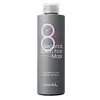
MaskingPropylene Glycol, Alcohol, Myristyl Alcohol, Water, Cyclopentasiloxane, Steartrimonium Chloride, Sodium Lactate, Behentrimonium Chloride, Parfum, Menthol, Salicylic Acid, Isopropyl Alcohol, Panthenol, Butylene Glycol, Hydrolyzed Collagen, Gelatin, Glycerin, Hydrolyzed Keratin, Avena Sativa Kernel Meal, Glycine, Spirulina Platensis Extract, Serine, Glutamic Acid, Hydrolyzed Corn Protein, Hydrolyzed Soy Protein, Hydrolyzed Wheat Protein, Phenoxyethanol, Aspartic Acid, Leucine, Alanine, Lysine, Arginine, Tyrosine, Phenylalanine, Proline, Threonine, Valine, Isoleucine, Histidine, Cystine, Methionine, Acorus Calamus Root Extract, Calendula Officinalis Flower Extract, Camellia Sinensis Leaf Extract, Carum Petroselinum Extract, Centella Asiatica Extract, Citrus Limon Fruit Extract, Ginkgo Biloba Leaf Extract, Glycyrrhiza Glabra Root Extract, Houttuynia Cordata Extract, Lavandula Angustifolia Extract, Oryza Sativa Bran Extract, Perilla Frutescens Leaf Extract, Salvia Officinalis Leaf Extract, Actinidia Chinensis Fruit Extract, Chrysanthemum Zawadskii Extract, Citrus Aurantium Dulcis Fruit Extract
Ingredients Explained
These ingredients are found in both products.
Ingredients higher up in an ingredient list are typically present in a larger amount.
Butylene Glycol (or BG) is used within cosmetic products for a few different reasons:
Overall, Butylene Glycol is a safe and well-rounded ingredient that works well with other ingredients.
Though this ingredient works well with most skin types, some people with sensitive skin may experience a reaction such as allergic rashes, closed comedones, or itchiness.
Learn more about Butylene GlycolGlutamic Acid is an amino acid that is found in all living organisms. Our bodies use this to help nerve cells in the brain communicate with other cells.
In cosmetics, glutamic acid is a famous humectant. It draws water from the air to your skin, keeping your skin hydrated (like hyaluronic acid).
An in-vitro study from 2024 found glutamic acid to play a role in inhibiting inflammation and thus a potential skin-soothing ingredient.
Other studies show it to be have potential wound healing, skin barrier repair, and hair growth properties.
Glutamic acid has poor solubility in water and other solvents.
Learn more about Glutamic AcidGlycerin (or glycerol) is a compound naturally found in your skin. It's a powerhouse humectant that pulls water into the stratum corneum.
Topically, glycerin does several things at once:
Your skin makes glycerin on its own (mostly from sebaceous oil breakdown) and shuttles it to your outermost layer of skin, or your epidermis, via aquaporin-3.
Aquaporin-3 is a transporter that is essential for normal skin hydration, elasticity, and repair. Interestingly, mice lacking in AQP3 have dry and less elastic skin that can be fully corrected with glycerin.
This ingredient is non-irritating, plays well with almost every ingredient, and works across all skin types. Typical use is anywhere between 3-10% but can go up to 79% in some leave-on products.
Just know very high concentrations (>40%) can feel tacky in low humidity.
Glycerin is the name for this ingredient in American English. British English uses Glycerol/Glycerine.
Learn more about GlycerinHydrolyzed Keratin is derived from keratin. Keratin is a large protein that is naturally found in our hair and skin.
Studies show keratin is able to seal broken hair cuticles, helping to prevent split ends and breakage.
As a humectant, hydrolyzed keratin helps draw moisture from the air to your hair and skin. This helps keep your skin and hair hydrated.
Learn more about Hydrolyzed KeratinMyristyl Alcohol is a fatty alcohol. Despite the word "alcohol", it has nothing in common with the drying kind you find in hand sanitizer.
This ingredient is a waxy solid that formulators use to thicken creams, help oil + water stay mixed, soften skin, and boost foam.
Concentration use usually lands somewhere between 0.1-3% for face products.
Allergies to this ingredient are uncommon and most reported cases from from medication creams rather than cosmetics.
This ingredient does have a comedogenic rating of 2, but this doesn't mean a formula with this ingredient will clog pores. Human testing has proved that any finished product with this ingredient won't automatically make you break out; it really comes down to concentration, formula, and your skin.
The Malassezia yeast feeds on fatty alcohols with a chain length above 12 carbons, and this ingredient is a C14 primary fatty alcohol. This ingredient may not be fungal acne safe.
Learn more about Myristyl AlcoholPanthenol is a common ingredient that helps hydrate and soothe the skin. It is found naturally in our skin and hair.
There are two forms of panthenol: D and L.
D-panthenol is also known as dexpanthenol. Most cosmetics use dexpanthenol or a mixture of D and L-panthenol.
Panthenol is famous due to its ability to go deeper into the skin's layers. Using this ingredient has numerous pros (and no cons):
Like hyaluronic acid, panthenol is a humectant. Humectants are able to bind and hold large amounts of water to keep skin hydrated.
This ingredient works well for wound healing. It works by increasing tissue in the wound and helps close open wounds.
Once oxidized, panthenol converts to pantothenic acid. Panthothenic acid is found in all living cells.
This ingredient is also referred to as pro-vitamin B5.
Learn more about PanthenolParfum is a catch-all term for an ingredient or more that is used to give a scent to products.
Also called "fragrance", this ingredient can be a blend of hundreds of chemicals or plant oils. This means every product with "fragrance" or "parfum" in the ingredients list is a different mixture.
For instance, Habanolide is a proprietary trade name for a specific aroma chemical. When used as a fragrance ingredient in cosmetics, most aroma chemicals fall under the broad labeling category of “FRAGRANCE” or “PARFUM” according to EU and US regulations.
The term 'parfum' or 'fragrance' is not regulated in many countries. In many cases, it is up to the brand to define this term.
For instance, many brands choose to label themselves as "fragrance-free" because they are not using synthetic fragrances. However, their products may still contain ingredients such as essential oils that are considered a fragrance by INCI standards.
One example is Calendula flower extract. Calendula is an essential oil that still imparts a scent or 'fragrance'.
Depending on the blend, the ingredients in the mixture can cause allergies and sensitivities on the skin. Some ingredients that are known EU allergens include linalool and citronellol.
Parfum can also be used to mask or cover an unpleasant scent.
The bottom line is: not all fragrances/parfum/ingredients are created equally. If you are worried about fragrances, we recommend taking a closer look at an ingredient. And of course, we always recommend speaking with a professional.
Learn more about ParfumPhenoxyethanol is one of the most widely used preservatives in skincare (and for good reason!).
It has a large spectrum of antimicrobial activity and especially effective bacteria, yeast, and mold while only having a weak effect on your skin's natural microbiome.
On a cellular level, it disrupts the cell membranes of microbes by poking holes that make the cell leak. This shuts down the chemical reactions the microbe needs to make energy so it can no longer survive.
Another perk of this ingredient is that it stays functional across a wide pH range (3-10).
You'll often see it paired with boosters like Ethylhexylglycerin; one study showed that a 1:9 ratio of Ethylhexylglycerin to Phenoxyethanol damages bacterial membranes as effectively as doubling the Phenoxyethanol concentration on its own.
Typical use concentrations range from 0.3-1% depending on the formula, and this ingredient is capped at 1% int the EU.
Safety-wise, the fear mongering does not hold up to the evidence. The EU's Scientific Committee on Consumer Safety and FDA consider it safe as a preservative at up to 1%, including for children of all ages.
Adverse systemic effects only showed up in animal studies at exposures roughly 200x higher than what people get from cosmetics. And despite its very widespread use, this ingredient is a rare sensitizer and allergic reactions are uncommon.
Learn more about PhenoxyethanolWater. It's the most common cosmetic ingredient of all. You'll usually see it at the top of ingredient lists, meaning that it makes up the largest part of the product.
So why is it so popular? Water most often acts as a solvent - this means that it helps dissolve other ingredients into the formulation.
You'll also recognize water as that liquid we all need to stay alive. If you see this, drink a glass of water. Remember to stay hydrated!
Learn more about Water

