
What's inside
What's inside
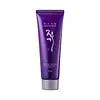 Key Ingredients
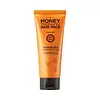
Benefits
Concerns
Ingredients Side-by-side
Water
Skin ConditioningCetyl Alcohol
Emollient



Dimethicone
Emollient

Chrysanthemum Boreale Flower/Leaf/Stem Extract
Skin ConditioningStearyl Alcohol
Emollient
Stearamidopropyl Dimethylamine
EmulsifyingDicaprylyl Carbonate
EmollientRehmannia Glutinosa Root Extract
Skin ConditioningGlutamic Acid
Humectant
Myristyl Alcohol
Emollient


Thuja Orientalis Leaf Extract
Antioxidant
Artemisia Vulgaris Extract
Skin Conditioning
Morus Alba Bark Extract
Skin ConditioningEclipta Prostrata Extract
Skin Conditioning
Gleditsia Japonica Fruit Extract
Skin ConditioningLauryl Alcohol
Emollient
Disodium EDTA
ChelatingCnidium Officinale Root Extract
Skin ConditioningLactobacillus
Skin ConditioningAcorus Calamus Rhizome Water
Skin ConditioningPEG-10
HumectantGlycerin
Humectant

Panax Ginseng Root Extract
Emollient
Phenyl Trimethicone
Skin Conditioning
Keratin
Skin ConditioningPanthenol
Skin Conditioning
Caprylic/Capric Triglyceride
Masking
Citric Acid
Buffering

Lecithin
Emollient
Butylene Glycol
Humectant
Hydrolyzed Keratin
Humectant
Tocopheryl Acetate
Antioxidant
Oxidized Keratin
Skin ConditioningCeramide NP
Skin Conditioning

1,2-Hexanediol
Skin Conditioning
Caprylyl Glycol
Emollient
Sodium Benzoate
Masking
Phenoxyethanol
Preservative
Parfum
Masking


Linalool
Perfuming
Alpha-Isomethyl Ionone
Perfuming
Limonene
Perfuming
Hexyl Cinnamal
Perfuming
Citronellol
Perfuming
Water, Cetyl Alcohol, Dimethicone, Chrysanthemum Boreale Flower/Leaf/Stem Extract, Stearyl Alcohol, Stearamidopropyl Dimethylamine, Dicaprylyl Carbonate, Rehmannia Glutinosa Root Extract, Glutamic Acid, Myristyl Alcohol, Thuja Orientalis Leaf Extract, Artemisia Vulgaris Extract, Morus Alba Bark Extract, Eclipta Prostrata Extract, Gleditsia Japonica Fruit Extract, Lauryl Alcohol, Disodium EDTA, Cnidium Officinale Root Extract, Lactobacillus, Acorus Calamus Rhizome Water, PEG-10, Glycerin, Panax Ginseng Root Extract, Phenyl Trimethicone, Keratin, Panthenol, Caprylic/Capric Triglyceride, Citric Acid, Lecithin, Butylene Glycol, Hydrolyzed Keratin, Tocopheryl Acetate, Oxidized Keratin, Ceramide NP, 1,2-Hexanediol, Caprylyl Glycol, Sodium Benzoate, Phenoxyethanol, Parfum, Linalool, Alpha-Isomethyl Ionone, Limonene, Hexyl Cinnamal, Citronellol
Water
Skin ConditioningDimethicone
Emollient
Cetyl Alcohol
Emollient
Chrysanthemum Boreale Flower/Leaf/Stem Extract
Skin ConditioningStearamidopropyl Dimethylamine
EmulsifyingStearyl Alcohol
Emollient
Glutamic Acid
Humectant
Dicaprylyl Carbonate
EmollientThuja Orientalis Leaf Extract
Antioxidant
Morus Alba Bark Extract
Skin ConditioningHouttuynia Cordata Extract
Skin Conditioning
Polygonum Multiflorum Root Extract
Skin ConditioningMyristyl Alcohol
Emollient
Amodimethicone
Menthol
Masking
Rehmannia Glutinosa Root Extract
Skin ConditioningLauryl Alcohol
Emollient
PEG-10
HumectantGlycerin
Humectant
Artemisia Vulgaris Extract
Skin Conditioning
Panax Ginseng Root Extract
Emollient
Butylene Glycol
Humectant
Persea Gratissima Oil
Skin Conditioning
Honey
Humectant
Helianthus Annuus Seed Oil
Emollient
Citric Acid
Buffering
Keratin
Skin ConditioningPanthenol
Skin Conditioning
Lactobacillus/Artemisia Princeps Leaf Extract/Honeysuckle Flower Extract/Paeonia Albiflora Root Extract/Phellodendron Amurense Bark Extract Ferment Filtrate
Skin ConditioningLecithin
Emollient
Phenyl Trimethicone
Skin Conditioning
Caprylic/Capric Triglyceride
Masking
Hydrolyzed Silk
Humectant
Tocopheryl Acetate
Antioxidant
Hydrolyzed Keratin
Humectant
Royal Jelly Extract
Skin Conditioning
Ceramide NP
Skin Conditioning
Sodium Benzoate
Masking
Phenoxyethanol
Preservative
Parfum
Masking
Limonene
Perfuming
Water, Dimethicone, Cetyl Alcohol, Chrysanthemum Boreale Flower/Leaf/Stem Extract, Stearamidopropyl Dimethylamine, Stearyl Alcohol, Glutamic Acid, Dicaprylyl Carbonate, Thuja Orientalis Leaf Extract, Morus Alba Bark Extract, Houttuynia Cordata Extract, Polygonum Multiflorum Root Extract, Myristyl Alcohol, Amodimethicone, Menthol, Rehmannia Glutinosa Root Extract, Lauryl Alcohol, PEG-10, Glycerin, Artemisia Vulgaris Extract, Panax Ginseng Root Extract, Butylene Glycol, Persea Gratissima Oil, Honey, Helianthus Annuus Seed Oil, Citric Acid, Keratin, Panthenol, Lactobacillus/Artemisia Princeps Leaf Extract/Honeysuckle Flower Extract/Paeonia Albiflora Root Extract/Phellodendron Amurense Bark Extract Ferment Filtrate, Lecithin, Phenyl Trimethicone, Caprylic/Capric Triglyceride, Hydrolyzed Silk, Tocopheryl Acetate, Hydrolyzed Keratin, Royal Jelly Extract, Ceramide NP, Sodium Benzoate, Phenoxyethanol, Parfum, Limonene
Ingredients Explained
These ingredients are found in both products.
Ingredients higher up in an ingredient list are typically present in a larger amount.
Artemisia Vulgaris Extract is more commonly known as the common mugwort. It has strong antioxidant properties and helps soothe irritation.
Antioxidants protect skin from damage and the signs of aging.
This plant contains the compounds saponins, glycosides, flavanoids, protein, triterpenoids.
The common wugwort has been used in traditional Indian, Chinese, and European medicines to treat gastrointestinal diseases.
Learn more about Artemisia Vulgaris ExtractButylene Glycol (or BG) is used within cosmetic products for a few different reasons:
Overall, Butylene Glycol is a safe and well-rounded ingredient that works well with other ingredients.
Though this ingredient works well with most skin types, some people with sensitive skin may experience a reaction such as allergic rashes, closed comedones, or itchiness.
Learn more about Butylene GlycolCaprylic/Capric Triglyceride (aka MCT Oil) is a lightweight emollient, solvent, and texture enhancer. It is considered a skin-softener by helping to prevent moisture loss.
Though it behaves like an oil, it is not technically one due to its chemical composition. One perk of this ingredient is that it is very stable, resistant to oxidation, and unlikely to go rancid.
In practice, that translates to a long shelf life and a consistently elegant skin feel.
While there is an assumption Caprylic Triglyceride can clog pores due to it being derived from coconut oil, there is no research supporting this. Just patch test if you have concerns.
Fractionated coconut oil and MCT Oil are both listed as Caprylic/Capric Triglyceride according to INCI. This is because INCI names are based on the ingredient’s final chemical composition and not its marketing name or source.
This ingredient is treated as the gold standard fungal acne safe oil. Even though it is coconut derived, the problematic lauric acid is stripped out.
This leaves just caprylic (C8) and capric (C10) acid. These chain lengths actually trend antifungal; a 2020 study found caprylic acid was enough to disrupt Malassezia furfur cell membrane, with a caprylic acid derivative damaging membrane structures at concentrations as low as 0.2%.
Learn more about Caprylic/Capric TriglycerideCeramide NP (formerly known as Ceramide 3) is one of the skin's naturally occurring lipids.
Since ceramides are the major lipid components of the skin, they are crucial for maintaining skin barrier and hydration. Ceramide NP most closely mirrors the dominant kind in human skin amongst ceramide subtypes.
This ceramide works by slotting into gaps within the stratum corneum's lipid matrix to limit trans-epidermal water loss (TEWL) and shield the skin against external irritants.
A study with 312 patients found that using a ceramide-containing routine for 4 weeks reduced the severity of atopic dermatitis by over 61%.
Another clinical study in subjects aged 60 and older found that a ceramide body wash and moisturizer improved skin dryness and itchy skin in 15 days.
Overall, ceramides are considered non-irritating and safety tests have found little to no observable adverse effects from using this ingredient.
Ceramide NP is usually sourced from plants (like soybean or rice bran), or produced synthetically.
Learn more about Ceramide NPCetyl Alcohol is a fatty alcohol. Fatty Alcohols are most often used as an emollient or to thicken a product.
Its main roles are:
Though it has "alcohol" in the name, it is not related to denatured alcohol or ethyl alcohol.
The FDA allows products labeled "alcohol-free" to have fatty alcohols.
This ingredient may not be fungal acne safe. It is a primary fatty alcohol with a chain length above 12 carbons. A study from 2019 show Malassezia can feed on fatty alcohols in this range, so it may trigger fungal acne in those prone to it.
Learn more about Cetyl AlcoholCitric Acid is an alpha hydroxy acid (AHA) naturally found in citrus fruits like oranges, lemons, and limes.
Like other AHAs, citric acid can exfoliate skin by breaking down the bonds that hold dead skin cells together. This helps reveal smoother and brighter skin underneath.
However, this exfoliating effect only happens at high concentrations (20%) which can be hard to find in cosmetic products.
Due to this, citric acid is usually included in small amounts as a pH adjuster. This helps keep products slightly more acidic and compatible with skin's natural pH.
In skincare formulas, citric acid can:
While it can provide some skin benefits, research shows lactic acid and glycolic acid are generally more effective and less irritating exfoliants.
Most citric acid used in skincare today is made by fermenting sugars (usually from molasses). This synthetic version is identical to the natural citrus form but easier to stabilize and use in formulations.
Rosacea skin has a lower threshold for acids generally, with 62.5% of rosacea subjects in one study reacting to lactic acid in a sting test. This is why we mark citric acid as a potential rosacea trigger.
However, this ingredient shows up as a pH adjuster or chelator at roughly 0.1-1% in many products. These low levels are unlikely to be an issue for rosacea skin and becomes a potential trigger at exfoliating concentrations (20%). Because everybody's skin is unique, we recommend a patch test if you are unsure.
Learn more about Citric AcidDicaprylyl Carbonate comes from carbonic acid and caprylyl alcohol, a fatty alcohol. It is an emollient and gives skin a velvet feel. The sources of Dicaprylyl Carbonate may be synthetic or from animals.
As an emollient, Dicaprylyl Carbonate creates a film on the skin. This film traps moisture in, keeping your skin soft and hydrated.
Dimethicone is a type of synthetic silicone created from natural materials such as quartz. It is also known as polydimethylsiloxane.
What it does:
Dimethicone comes in different viscosities:
Depending on the viscosity, dimethicone has different properties.
Ingredients lists don't always show which type is used, so we recommend reaching out to the brand if you have questions about the viscosity.
This ingredient is unlikely to cause irritation because it does not get absorbed into skin. However, people with silicone allergies should be careful about using this ingredient.
Note: Dimethicone may contribute to pilling. This is because it is not oil or water soluble, so pilling may occur when layered with products. When mixed with heavy oils in a formula, the outcome is also quite greasy.
Learn more about DimethiconeGlutamic Acid is an amino acid that is found in all living organisms. Our bodies use this to help nerve cells in the brain communicate with other cells.
In cosmetics, glutamic acid is a famous humectant. It draws water from the air to your skin, keeping your skin hydrated (like hyaluronic acid).
An in-vitro study from 2024 found glutamic acid to play a role in inhibiting inflammation and thus a potential skin-soothing ingredient.
Other studies show it to be have potential wound healing, skin barrier repair, and hair growth properties.
Glutamic acid has poor solubility in water and other solvents.
Learn more about Glutamic AcidGlycerin (or glycerol) is a compound naturally found in your skin. It's a powerhouse humectant that pulls water into the stratum corneum.
Topically, glycerin does several things at once:
Your skin makes glycerin on its own (mostly from sebaceous oil breakdown) and shuttles it to your outermost layer of skin, or your epidermis, via aquaporin-3.
Aquaporin-3 is a transporter that is essential for normal skin hydration, elasticity, and repair. Interestingly, mice lacking in AQP3 have dry and less elastic skin that can be fully corrected with glycerin.
This ingredient is non-irritating, plays well with almost every ingredient, and works across all skin types. Typical use is anywhere between 3-10% but can go up to 79% in some leave-on products.
Just know very high concentrations (>40%) can feel tacky in low humidity.
Glycerin is the name for this ingredient in American English. British English uses Glycerol/Glycerine.
Learn more about GlycerinHydrolyzed Keratin is derived from keratin. Keratin is a large protein that is naturally found in our hair and skin.
Studies show keratin is able to seal broken hair cuticles, helping to prevent split ends and breakage.
As a humectant, hydrolyzed keratin helps draw moisture from the air to your hair and skin. This helps keep your skin and hair hydrated.
Learn more about Hydrolyzed KeratinKeratin is a protein naturally found in our hair and skin.
In haircare, it has been shown to seal broken cuticles. This can help prevent breakage and split ends.
Lauryl Alcohol is a type of fatty alcohol. It is derived from palm kernel oil or coconut oil.
Fatty alcohols are not the same as drying, volatile alcohols like alcohol denatured or ethanol; they're designed to be non-sensitizing and hydrating.
Lauryl alcohol pulls triple duty:
Because lauryl alcohol falls within the C11 - C24 carbon chain range that the Malassezia yeast (fungal acne) can metabolize, this ingredient may not be fungal acne safe.
Learn more about Lauryl AlcoholLecithin is a term for a group of substances found in the cell membranes of plants, animals, and humans. They are made up of phospholipids.
Thanks to its amphiphilic structure (water-loving head and oil-loving tail), it is a true multitasker:
It plays well with most ingredients and is typically used at 0.1-1%. However, concentrations up to 50% have been reported in moisturizers.
Learn more about LecithinLimonene is the compound that gives citrus peel its smell.
In skincare, it shows up as a standalone fragrance ingredient or as a natural compound of citrus and other essential oils.
You'll typically see this ingredient used in very small amounts; anything above 0.001% in a leave-on product or 0.01% in a rinse-off has to be named on the label in the EU. The citrus oils that carry it sit around 0.5-1% in a finished formula.
Fresh limonene is a weak allergen; the real issue is that it slowly reacts with air and then breaks down from oxidation to create hydroperoxides (which are strong sensitizers). This is why suppliers are required to keep the peroxide value below 20 mmol.
Positive reactions in people being investigated for eczema vary:
It's worth skipping if you have a known fragrance allergy or a compromised barrier, but the risk is low for most people.
Older or long-opened products are also more likely to bother you than fresh ones due to oxidation.
Learn more about LimoneneWe don't have a description for Morus Alba Bark Extract yet.
Myristyl Alcohol is a fatty alcohol. Despite the word "alcohol", it has nothing in common with the drying kind you find in hand sanitizer.
This ingredient is a waxy solid that formulators use to thicken creams, help oil + water stay mixed, soften skin, and boost foam.
Concentration use usually lands somewhere between 0.1-3% for face products.
Allergies to this ingredient are uncommon and most reported cases from from medication creams rather than cosmetics.
This ingredient does have a comedogenic rating of 2, but this doesn't mean a formula with this ingredient will clog pores. Human testing has proved that any finished product with this ingredient won't automatically make you break out; it really comes down to concentration, formula, and your skin.
The Malassezia yeast feeds on fatty alcohols with a chain length above 12 carbons, and this ingredient is a C14 primary fatty alcohol. This ingredient may not be fungal acne safe.
Learn more about Myristyl AlcoholGinseng root is a well-loved ingredient in Asian skincare for good reason. It hydrates the skin, soothes irritation, and helps even out skin tone.
In traditional East Asian medicine, ginseng has been used for centuries both as food and as a healing remedy, and modern research continues to confirm its skin benefits.
One of the standout features of ginseng is its ability to improve blood circulation and oxygen delivery to the skin, bringing a fresh supply of nutrients to support overall skin health. It also has antioxidant and anti-inflammatory properties. This helps to protect your skin against damage from UV exposure, pollution, and daily stress.
Additionally, studies suggest that ginseng may help reduce hyperpigmentation by inhibiting tyrosinase, the enzyme involved in melanin production.
There are different types of ginseng used in skincare, and while they all share core benefits, their potency can vary.
Most products use fresh or white ginseng because it’s more affordable. However, red ginseng, produced by steaming the root, contains higher levels of ginsenosides, which are compounds with proven anti-aging effects. These ginsenosides help reduce the appearance of wrinkles and improve skin elasticity.
Note: All forms of ginseng are listed simply as “Panax ginseng” in ingredient lists. We recommend reaching out to the brand if you have questions about which type of ginseng is used in their ingredients.
For general antioxidant benefits, any ginseng extract will do, but for wrinkle care or firmer skin, red or fermented ginseng is often more effective.
In short, ginseng is a powerhouse ingredient that supports hydration, radiance, and resilience.
Learn more about Panax Ginseng Root ExtractPanthenol is a common ingredient that helps hydrate and soothe the skin. It is found naturally in our skin and hair.
There are two forms of panthenol: D and L.
D-panthenol is also known as dexpanthenol. Most cosmetics use dexpanthenol or a mixture of D and L-panthenol.
Panthenol is famous due to its ability to go deeper into the skin's layers. Using this ingredient has numerous pros (and no cons):
Like hyaluronic acid, panthenol is a humectant. Humectants are able to bind and hold large amounts of water to keep skin hydrated.
This ingredient works well for wound healing. It works by increasing tissue in the wound and helps close open wounds.
Once oxidized, panthenol converts to pantothenic acid. Panthothenic acid is found in all living cells.
This ingredient is also referred to as pro-vitamin B5.
Learn more about PanthenolParfum is a catch-all term for an ingredient or more that is used to give a scent to products.
Also called "fragrance", this ingredient can be a blend of hundreds of chemicals or plant oils. This means every product with "fragrance" or "parfum" in the ingredients list is a different mixture.
For instance, Habanolide is a proprietary trade name for a specific aroma chemical. When used as a fragrance ingredient in cosmetics, most aroma chemicals fall under the broad labeling category of “FRAGRANCE” or “PARFUM” according to EU and US regulations.
The term 'parfum' or 'fragrance' is not regulated in many countries. In many cases, it is up to the brand to define this term.
For instance, many brands choose to label themselves as "fragrance-free" because they are not using synthetic fragrances. However, their products may still contain ingredients such as essential oils that are considered a fragrance by INCI standards.
One example is Calendula flower extract. Calendula is an essential oil that still imparts a scent or 'fragrance'.
Depending on the blend, the ingredients in the mixture can cause allergies and sensitivities on the skin. Some ingredients that are known EU allergens include linalool and citronellol.
Parfum can also be used to mask or cover an unpleasant scent.
The bottom line is: not all fragrances/parfum/ingredients are created equally. If you are worried about fragrances, we recommend taking a closer look at an ingredient. And of course, we always recommend speaking with a professional.
Learn more about ParfumWe don't have a description for PEG-10 yet.
Phenoxyethanol is one of the most widely used preservatives in skincare (and for good reason!).
It has a large spectrum of antimicrobial activity and especially effective bacteria, yeast, and mold while only having a weak effect on your skin's natural microbiome.
On a cellular level, it disrupts the cell membranes of microbes by poking holes that make the cell leak. This shuts down the chemical reactions the microbe needs to make energy so it can no longer survive.
Another perk of this ingredient is that it stays functional across a wide pH range (3-10).
You'll often see it paired with boosters like Ethylhexylglycerin; one study showed that a 1:9 ratio of Ethylhexylglycerin to Phenoxyethanol damages bacterial membranes as effectively as doubling the Phenoxyethanol concentration on its own.
Typical use concentrations range from 0.3-1% depending on the formula, and this ingredient is capped at 1% int the EU.
Safety-wise, the fear mongering does not hold up to the evidence. The EU's Scientific Committee on Consumer Safety and FDA consider it safe as a preservative at up to 1%, including for children of all ages.
Adverse systemic effects only showed up in animal studies at exposures roughly 200x higher than what people get from cosmetics. And despite its very widespread use, this ingredient is a rare sensitizer and allergic reactions are uncommon.
Learn more about PhenoxyethanolPhenyl Trimethicone is a silicon-based polymer. It is derived from silica.
Phenyl Trimethicone is used as an emollient and prevents products from foaming.
As an emollient, it helps trap moisture in the skin. It is considered an occlusive.
Learn more about Phenyl TrimethiconeWe don't have a description for Rehmannia Glutinosa Root Extract yet.
Sodium Benzoate is a preservative. It's used in both cosmetic and food products to inhibit the growth of mold and bacteria. It is typically produced synthetically.
Both the US FDA and EU Health Committee have approved the use of sodium benzoate. In the US, levels of 0.1% (of the total product) are allowed.
Sodium benzoate works as a preservative by inhibiting the growth of bacteria inside of cells. It prevents the cell from fermenting a type of sugar using an enzyme called phosphofructokinase.
It is the salt of benzoic acid. Foods containing sodium benzoate include soda, salad dressings, condiments, fruit juices, wines, and snack foods.
Studies for using ascorbic acid and sodium benzoate in cosmetics are lacking, especially in skincare routines with multiple steps.
We always recommend speaking with a professional, such as a dermatologist, if you have any concerns.
Learn more about Sodium BenzoateWe don't have a description for Stearamidopropyl Dimethylamine yet.
Stearyl Alcohol is a type of fatty alcohol from stearic acid. It is a white, waxy compound used to emulsify ingredients used as an emollient or to thicken a product.
Emollients help soothe and hydrate the skin by trapping moisture.
Fatty alcohols are usually derived from natural fats and oils and therefore do not have the same drying or irritating effect as solvent (ethanol) alcohols.
The FDA allows products labeled "alcohol-free" to have fatty alcohols.
This ingredient may not be fungal acne safe. It is a primary fatty alcohol with a chain length above 12 carbons. A study from 2019 show Malassezia can feed on fatty alcohols in this range, so it may trigger fungal acne in those prone to it.
Learn more about Stearyl AlcoholThuja Orientalis Leaf Extract is an antioxidant.
Tocopheryl Acetate is a stable, shelf-friendly form of vitamin E.
Formulators love it because plain vitamin E oxidizes quickly once it hits air. This acetate version stays stable and resists going off, helping to extend a product's shelf life.
It's actually inactive on its own and works like a slow-release "storage" form; the enzymes in your skin called esterases gradually convert it into active vitamin E over time.
One in vivo study showed 5% of the acetate in the living layer of the epidermis converted to vitamin E after 5 days of application. This study also found the skin gained protection against UV damage even though the conversion was slow and small.
Once converted, vitamin E acts as a skin's main fat-soluble antioxidant that fights free radicals to protect skin from damage.
Topical vitamin E generally boosts the skin's photoprotection, and it reduced UV-damage in animal models.
This ingredient has some brightening potential but it's more of a prevention ingredient than spot-fader. Cell studies show it can slow down melanin production but it's worth noting that it's not the most powerful brightener out there.
Overall, it has a pretty solid safety profile and has been found to be non-irritating and non-comedogenic. Allergic reactions may happen but stay rare due to how widely the ingredient gets used.
The concentration will vary depending on the formula; industry data shows 0.1% in baby lotions, 3% in lipsticks, and 5% in foot powders. You can also find this ingredient at 100% in a pure vitamin E oil.
Most leave-on skincare keeps it at the lower end, often between 0.5-1%.
Learn more about Tocopheryl AcetateWater. It's the most common cosmetic ingredient of all. You'll usually see it at the top of ingredient lists, meaning that it makes up the largest part of the product.
So why is it so popular? Water most often acts as a solvent - this means that it helps dissolve other ingredients into the formulation.
You'll also recognize water as that liquid we all need to stay alive. If you see this, drink a glass of water. Remember to stay hydrated!
Learn more about WaterWe don't have a description for Chrysanthemum Boreale Flower/Leaf/Stem Extract yet.


