This oil-based makeup remover is made to dissolve makeup, sunscreen, and daily buildup.
This oil-based makeup remover is made to dissolve makeup, sunscreen, and daily buildup.

What's inside
What's inside
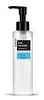 Key Ingredients
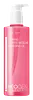
Benefits
Concerns
Ingredients Side-by-side
Cetyl Ethylhexanoate
EmollientCanola Oil
Emollient





Caprylic/Capric Triglyceride
Masking


PEG-20 Glyceryl Triisostearate
Emollient
PEG-8 Isostearate
Emulsifying
1,2-Hexanediol
Skin Conditioning
Rosa Canina Fruit Oil
Emollient
Camellia Japonica Seed Oil
Emollient
Citrus Limon Fruit Extract
Masking
Sodium Hyaluronate
Humectant


Camellia Sinensis Leaf Extract
Antimicrobial




Melaleuca Alternifolia Leaf Extract
Perfuming
Malpighia Emarginata Fruit Extract
Skin ConditioningEuterpe Oleracea Fruit Extract
Vaccinium Angustifolium Fruit Extract
Skin Protecting
Morus Alba Fruit Extract
Antioxidant
Vitis Vinifera Fruit Extract
Skin ConditioningPrunus Avium Fruit Extract
Skin ConditioningAloe Barbadensis Leaf Extract
Emollient
Leontopodium Alpinum Extract
Skin ConditioningEthylhexylglycerin
Skin ConditioningPyrus Communis Fruit Extract
Skin ConditioningRosa Damascena Flower Water
Masking
Iris Florentina Root Extract
MaskingCucumis Melo Fruit Extract
Skin ConditioningHedera Helix Leaf/Stem Extract
AntimicrobialCetyl Ethylhexanoate, Canola Oil, Caprylic/Capric Triglyceride, PEG-20 Glyceryl Triisostearate, PEG-8 Isostearate, 1,2-Hexanediol, Rosa Canina Fruit Oil, Camellia Japonica Seed Oil, Citrus Limon Fruit Extract, Sodium Hyaluronate, Camellia Sinensis Leaf Extract, Melaleuca Alternifolia Leaf Extract, Malpighia Emarginata Fruit Extract, Euterpe Oleracea Fruit Extract, Vaccinium Angustifolium Fruit Extract, Morus Alba Fruit Extract, Vitis Vinifera Fruit Extract, Prunus Avium Fruit Extract, Aloe Barbadensis Leaf Extract, Leontopodium Alpinum Extract, Ethylhexylglycerin, Pyrus Communis Fruit Extract, Rosa Damascena Flower Water, Iris Florentina Root Extract, Cucumis Melo Fruit Extract, Hedera Helix Leaf/Stem Extract
Caprylic/Capric Triglyceride
Masking
Isopropyl Palmitate
Emollient
PEG-20 Glyceryl Triisostearate
Emollient
Glycine Soja Oil
Emollient
Ethylhexylglycerin
Skin ConditioningOlea Europaea Fruit Oil
Masking
Water
Skin ConditioningGuaiazulene
Antimicrobial
Oenothera Biennis Oil
Emollient
Daucus Carota Sativa Seed Oil
Emollient
Camellia Japonica Seed Oil
Emollient
Moringa Oleifera Seed Oil
Emollient
Ceramide NP
Skin Conditioning
Salvia Officinalis Oil
Masking
Argania Spinosa Kernel Oil
Emollient
Persea Gratissima Oil
Skin Conditioning
Allantoin
Skin Conditioning
Tocopherol
Antioxidant
Melaleuca Alternifolia Leaf Oil
Antioxidant

Panthenol
Skin Conditioning
Vitis Vinifera Seed Oil
Emollient
Juglans Regia Seed Oil
Skin Conditioning
Zinc PCA
Humectant
Capryloyl Salicylic Acid
Exfoliating
Butylene Glycol
Humectant
Asiaticoside
Antioxidant
Madecassic Acid
Skin Conditioning
Asiatic Acid
Skin Conditioning
1,2-Hexanediol
Skin Conditioning
Centella Asiatica Extract
Cleansing
Houttuynia Cordata Extract
Skin Conditioning
Xanthan Gum
EmulsifyingPortulaca Oleracea Extract
Skin Conditioning
Saururus Chinensis Extract
Skin ConditioningArtemisia Capillaris Extract
Caprylyl Glycol
Emollient
Aloe Barbadensis Leaf Extract
Emollient
Acorus Calamus Root Extract
Perfuming
Hyaluronic Acid
Humectant
Glucose
Humectant
Sodium Hyaluronate
Humectant
Madecassoside
Antioxidant
Chondrus Crispus Extract
Skin Conditioning
Melaleuca Alternifolia Leaf Extract
Perfuming
Hydroxypropyltrimonium Hyaluronate
Hydrolyzed Hyaluronic Acid
Humectant
Sodium Acetylated Hyaluronate
Humectant
Sodium Hyaluronate Crosspolymer
Humectant
Hydrolyzed Sodium Hyaluronate
Skin Conditioning
Potassium Hyaluronate
Skin ConditioningCitrus Aurantium Bergamia Fruit Oil
Masking
Limonene
Perfuming
Linalool
Perfuming
Caprylic/Capric Triglyceride, Isopropyl Palmitate, PEG-20 Glyceryl Triisostearate, Glycine Soja Oil, Ethylhexylglycerin, Olea Europaea Fruit Oil, Water, Guaiazulene, Oenothera Biennis Oil, Daucus Carota Sativa Seed Oil, Camellia Japonica Seed Oil, Moringa Oleifera Seed Oil, Ceramide NP, Salvia Officinalis Oil, Argania Spinosa Kernel Oil, Persea Gratissima Oil, Allantoin, Tocopherol, Melaleuca Alternifolia Leaf Oil, Panthenol, Vitis Vinifera Seed Oil, Juglans Regia Seed Oil, Zinc PCA, Capryloyl Salicylic Acid, Butylene Glycol, Asiaticoside, Madecassic Acid, Asiatic Acid, 1,2-Hexanediol, Centella Asiatica Extract, Houttuynia Cordata Extract, Xanthan Gum, Portulaca Oleracea Extract, Saururus Chinensis Extract, Artemisia Capillaris Extract, Caprylyl Glycol, Aloe Barbadensis Leaf Extract, Acorus Calamus Root Extract, Hyaluronic Acid, Glucose, Sodium Hyaluronate, Madecassoside, Chondrus Crispus Extract, Melaleuca Alternifolia Leaf Extract, Hydroxypropyltrimonium Hyaluronate, Hydrolyzed Hyaluronic Acid, Sodium Acetylated Hyaluronate, Sodium Hyaluronate Crosspolymer, Hydrolyzed Sodium Hyaluronate, Potassium Hyaluronate, Citrus Aurantium Bergamia Fruit Oil, Limonene, Linalool
Reviews
Ingredients Explained
These ingredients are found in both products.
Ingredients higher up in an ingredient list are typically present in a larger amount.
1,2-Hexanediol is a synthetic liquid and another multi-functional powerhouse.
It is a:
- Humectant, drawing moisture into the skin
- Emollient, helping to soften skin
- Solvent, dispersing and stabilizing formulas
- Preservative booster, enhancing the antimicrobial activity of other preservatives
Aloe Barbadensis Leaf Extract is a botanical extract pulled from the leaves of aloe vera and one of the most studied plant ingredients in cosmetics.
The inner leaf gel it comes from is mostly water (~99-99.5%) and the remaining fraction is made up of pretty good stuff: polysaccharides, vitamins, phenolics, and enzymes.
Its headline job is hydration.
The star polysaccharide in aloe, acemannan, is a humectant that retains moisture and helps reduce trans-epidermal water loss.
Aloe also has real soothing credentials; it contains anti-inflammatory compounds like bradykinase and C-glucosyl chromone that help calm irritation and redness.
On the repair side, lab work shows that acemannan wakes up your skin's repair cells (fibroblasts), prompting them to multiply and speed up healing.
There's some human data for cosmetic benefit too: a cream containing 10% Aloe Barbadensis leaf extract improved skin hydration and elasticity in a real-use study.
Safety-wise, this ingredient is well-regarded with just one rare downside; there have been some case reports of acute eczema, contact urticaria, and dermatitis in people who applied aloe-derived ingredients topically. Those with a known aloe or Liliaceae sensitivity should patch test.
Typical use levels range widely, from under 1% up to 90%+ depending on the format and the effect you are after.
Learn more about Aloe Barbadensis Leaf ExtractThis ingredient is also known as Tsubaki oil, or the fixed oil from the seeds of the Japanese camellia.
It's basically a fatty acid delivery system (~75-85% oleic acid) plus some minor extras like squalene, tocopherols, and phytosterols.
That profile makes it a classic emollient; it works by hanging out with the skin's surface lipids, softens, and slows down water loss.
The most cited study on it was done on skin cells in a dish where this oil got them to make more of the building blocks for collagen while also slowing down the enzyme that breaks collagen down. Researchers tested this on human skin too; it didn't cause irritation and helped skin hold onto moisture better.
Another study done on cells and mice found this oil quieted down some of the body's inflammation signals.
These studies are still small, early, and not done on humans, so it's best to think of this ingredient as a great supporting ingredient for the rest of your routine and not the main active.
Concentrations can range from 1-5% in serums to 100% as a single face oil (how it's most traditionally used).
Because this ingredient is a triglyceride of long-chain fatty acids, this ingredient may not be Malassezia safe.
Allergies to this protein are quite rare as the refined seed oil contains very little residual protein. Human irritation testing also came back clean. But it is a plant and as with any botanical ingredient, contact allergy is possible.
Learn more about Camellia Japonica Seed OilCaprylic/Capric Triglyceride (aka MCT Oil) is a lightweight emollient, solvent, and texture enhancer. It is considered a skin-softener by helping to prevent moisture loss.
Though it behaves like an oil, it is not technically one due to its chemical composition. One perk of this ingredient is that it is very stable, resistant to oxidation, and unlikely to go rancid.
In practice, that translates to a long shelf life and a consistently elegant skin feel.
While there is an assumption Caprylic Triglyceride can clog pores due to it being derived from coconut oil, there is no research supporting this. Just patch test if you have concerns.
Fractionated coconut oil and MCT Oil are both listed as Caprylic/Capric Triglyceride according to INCI. This is because INCI names are based on the ingredient’s final chemical composition and not its marketing name or source.
This ingredient is treated as the gold standard fungal acne safe oil. Even though it is coconut derived, the problematic lauric acid is stripped out.
This leaves just caprylic (C8) and capric (C10) acid. These chain lengths actually trend antifungal; a 2020 study found caprylic acid was enough to disrupt Malassezia furfur cell membrane, with a caprylic acid derivative damaging membrane structures at concentrations as low as 0.2%.
Learn more about Caprylic/Capric TriglycerideEthylhexylglycerin is created from glycerin. It is a multitasker ingredient that:
The CIR Expert Panel found minimal skin absorption or sensitization of any kind in a safety assessment. Though this ingredient is considered well-tolerated, a small number of cases of allergic dermatitis have been published since 2002. Just be sure to patch test if you are unsure.
Industry-reported use ranges from 8% in rinse-off products and 2% in leave-on formulations.
Learn more about EthylhexylglycerinMelaleuca Alternifolia Leaf Extract comes from the Tea Tree, Melaleuca alternifolia, Myrtaceae. This tea tree is native to Australia.
Tea Leaf extract contains antimicrobial and anti-acne properties.
This ingredient has perfuming properties and contains linalool and limonene. These fragrance and terpinen components can cause skin sensitivity.
Learn more about the benefits of Tea Tree Oil here.
Learn more about Melaleuca Alternifolia Leaf ExtractPEG-20 Glyceryl Triisostearate is a synthetic, oil-loving helper ingredient that does two jobs:
This ingredient is made by joining three building blocks: PEG, Isostearic Acid and glycerin. The PEG gives it the oil-and-water blending power.
This ingredient has been found safe for use in cosmetics and broader PEG family testing shows minimal irritation/sensitization. The molecule's large size also means it isn't expected to penetrate skin to any meaningful degree.
Fungal acne note: This ingredient may not be fungal acne safe due to isostearic acid (C18). Isostearic acid falls into the C11-24 range that Malassezia can feed on.
Learn more about PEG-20 Glyceryl TriisostearateSodium Hyaluronate is the salt form of hyaluronic acid. It is a long sugar chain that is naturally found in your skin, joints, and connective tissue that maintains hydration and elasticity.
In skincare, it works as a humectant. It pulls water from the environment and deeper layers of skin and binds it to the surface.
Interestingly, the size of the molecule affects its behavior:
Some clinical evidence links low molecular weight versions to improved wrinkle depth, elasticity, anti-inflammatory effects, and barrier repair.
Many serums use a blend of both weights so you can get surface hydration plus longer-lasting and deeper effects.
You'll typically see concentrations between 0.1-2% for this ingredient.
Learn more about Sodium Hyaluronate

