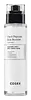
This anti-aging serum is formulated around Niacinamide and Acetyl Hexapeptide-8 to soften the look of wrinkles and strengthen the skin barrier.
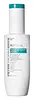
This anti-aging serum is formulated around Tripeptide-10 Citrulline and Acetyl Octapeptide-3 to soften the look of wrinkles.


What's inside
What's inside
 Key Ingredients
Benefits
Concerns
Ingredients Side-by-side
Water
Skin ConditioningDipropylene Glycol
HumectantGlycerin
Humectant


Pentylene Glycol
Skin Conditioning
1,2-Hexanediol
Skin Conditioning
Niacinamide
Smoothing









Acetyl Hexapeptide-8
Humectant
Copper Tripeptide-1
Skin Conditioning
Sh-Polypeptide-121
Skin Conditioning
Dipeptide Diaminobutyroyl Benzylamide Diacetate
Skin Conditioning
Oligopeptide-68
Bleaching
Palmitoyl Tripeptide-8
Skin Conditioning
Allantoin
Skin Conditioning
Sodium Hyaluronate
Humectant
Acetyl Glucosamine
Skin Conditioning
Serine
Masking
Alanine
Masking
Glycine
Buffering
Threonine
Arginine
Masking
Proline
Skin Conditioning
Betaine
Humectant
Sodium PCA
Humectant
Sodium Lactate
Buffering
PCA
Humectant
Glutamic Acid
Humectant
Lysine Hcl
Skin Conditioning
Tocopherol
Antioxidant

Dextran
Glycine Soja Oil
Emollient





Hydrogenated Lecithin
Emulsifying
Ammonium Acryloyldimethyltaurate/Vp Copolymer
Polyacrylate Crosspolymer-6
Emulsion StabilisingButylene Glycol
Humectant
Xanthan Gum
EmulsifyingEthylhexylglycerin
Skin ConditioningAdenosine
Skin Conditioning
Polyquaternium-51
Skin Conditioning
Disodium EDTA
Citric Acid
Buffering
Caprylyl Glycol
Emollient
T-Butyl Alcohol
Perfuming



Potassium Sorbate
Preservative
Sodium Oleate
CleansingWater, Dipropylene Glycol, Glycerin, Pentylene Glycol, 1,2-Hexanediol, Niacinamide, Acetyl Hexapeptide-8, Copper Tripeptide-1, Sh-Polypeptide-121, Dipeptide Diaminobutyroyl Benzylamide Diacetate, Oligopeptide-68, Palmitoyl Tripeptide-8, Allantoin, Sodium Hyaluronate, Acetyl Glucosamine, Serine, Alanine, Glycine, Threonine, Arginine, Proline, Betaine, Sodium PCA, Sodium Lactate, PCA, Glutamic Acid, Lysine Hcl, Tocopherol, Dextran, Glycine Soja Oil, Hydrogenated Lecithin, Ammonium Acryloyldimethyltaurate/Vp Copolymer, Polyacrylate Crosspolymer-6, Butylene Glycol, Xanthan Gum, Ethylhexylglycerin, Adenosine, Polyquaternium-51, Disodium EDTA, Citric Acid, Caprylyl Glycol, T-Butyl Alcohol, Potassium Sorbate, Sodium Oleate
Water
Skin ConditioningGlycerin
Humectant
Rosa Centifolia Flower Water
Skin ConditioningIsopropyl Myristate
Emollient
Squalane
Emollient
Mannitol
Humectant
Butylene Glycol
Humectant
Natto Gum
Tripeptide-10 Citrulline
Skin Conditioning
Acetyl Octapeptide-3
Humectant
Palmitoyl Hexapeptide-12
Skin Conditioning
Acetyl Tetrapeptide-11
Skin Conditioning
Acetyl Hexapeptide-8
Humectant
Acetyl Hexapeptide-1
Skin Conditioning
Palmitoyl Oligopeptide
Cleansing
Acetyl Tetrapeptide-9
Skin Conditioning
Acetyl Tetrapeptide-2
Skin Conditioning
Tripeptide-1
Skin Conditioning
Palmitoyl Tetrapeptide-7
Skin Conditioning
Hexapeptide-11
Skin Conditioning
Dipeptide Diaminobutyroyl Benzylamide Diacetate
Skin Conditioning
Palmitoyl Tripeptide-5
Skin Conditioning
Trifluoroacetyl Tripeptide-2
Skin Conditioning
Palmitoyl Tripeptide-1
Skin Conditioning
Sodium Polyglutamate
HumectantSodium Hyaluronate
Humectant
Tocopheryl Acetate
Antioxidant
Retinyl Palmitate
Skin Conditioning
Ascorbic Acid
Antioxidant
Hydrolyzed Soy Protein
Humectant
Hydrolyzed Wheat Protein
Skin ConditioningLecithin
Emollient
Pseudoalteromonas Ferment Extract
Humectant
Acrylates Copolymer
Magnesium Chloride
Polysorbate 20
Emulsifying
Dimethyl Isosorbide
SolventAcrylates/C10-30 Alkyl Acrylate Crosspolymer
Emulsion StabilisingLeuconostoc/Radish Root Ferment Filtrate
Antimicrobial
PEG-8 Dimethicone
Emulsifying
Disodium Phosphate
BufferingCarbomer
Emulsion StabilisingDextran
Sodium Lactate
Buffering
Tetradecyl Aminobutyroylvalylaminobutyric Urea Trifluoroacetate
Skin ConditioningXanthan Gum
EmulsifyingTriethanolamine
BufferingSodium Phosphate
BufferingOctyldodecanol
Emollient
Silica
Abrasive
Sodium Propoxyhydroxypropyl Thiosulfate Silica
Sodium Hydroxide
BufferingCaprylyl Glycol
Emollient
Potassium Sorbate
Preservative
Sodium Benzoate
Masking
Phenoxyethanol
Preservative
Water, Glycerin, Rosa Centifolia Flower Water, Isopropyl Myristate, Squalane, Mannitol, Butylene Glycol, Natto Gum, Tripeptide-10 Citrulline, Acetyl Octapeptide-3, Palmitoyl Hexapeptide-12, Acetyl Tetrapeptide-11, Acetyl Hexapeptide-8, Acetyl Hexapeptide-1, Palmitoyl Oligopeptide, Acetyl Tetrapeptide-9, Acetyl Tetrapeptide-2, Tripeptide-1, Palmitoyl Tetrapeptide-7, Hexapeptide-11, Dipeptide Diaminobutyroyl Benzylamide Diacetate, Palmitoyl Tripeptide-5, Trifluoroacetyl Tripeptide-2, Palmitoyl Tripeptide-1, Sodium Polyglutamate, Sodium Hyaluronate, Tocopheryl Acetate, Retinyl Palmitate, Ascorbic Acid, Hydrolyzed Soy Protein, Hydrolyzed Wheat Protein, Lecithin, Pseudoalteromonas Ferment Extract, Acrylates Copolymer, Magnesium Chloride, Polysorbate 20, Dimethyl Isosorbide, Acrylates/C10-30 Alkyl Acrylate Crosspolymer, Leuconostoc/Radish Root Ferment Filtrate, PEG-8 Dimethicone, Disodium Phosphate, Carbomer, Dextran, Sodium Lactate, Tetradecyl Aminobutyroylvalylaminobutyric Urea Trifluoroacetate, Xanthan Gum, Triethanolamine, Sodium Phosphate, Octyldodecanol, Silica, Sodium Propoxyhydroxypropyl Thiosulfate Silica, Sodium Hydroxide, Caprylyl Glycol, Potassium Sorbate, Sodium Benzoate, Phenoxyethanol
Reviews
Ingredients Explained
These ingredients are found in both products.
Ingredients higher up in an ingredient list are typically present in a larger amount.
Acetyl Hexapeptide-8 (also known as Argireline) is a synthetic hexapeptide that is often called a "topical Botox alternative".
It works by mimicking how Botox relaxes muscles; it interferes with the signaling process that tells your facial muscles to contract. This can help soften expression lines like forehead wrinkles or crow's feet over time.
The comparison to Botox does have limits because the molecule is water-loving and relatively large.
Acetyl Hexapeptide-8 has a hard time absorbing deeply enough through the skin's outer barrier to actually reach the muscles.
So whether it truly works the way Botox does at a biological level is still up for debate, but early clinical outcomes are fairly encouraging.
A 12 week human study of a multi-ingredient regimen containing this ingredient saw:
While some studies have observed improvements in wrinkle appearance, it is important to note that more consistent results are seen in multi-ingredient formulations (vs just Acetyl Hexapeptide-8 alone).
Some research studies also used higher concentrations (up to 10%) while this ingredient is usually found in concentrations up to 0.005% in leave-on formulations.
Learn more about Acetyl Hexapeptide-8Butylene Glycol (or BG) is used within cosmetic products for a few different reasons:
Overall, Butylene Glycol is a safe and well-rounded ingredient that works well with other ingredients.
Though this ingredient works well with most skin types, some people with sensitive skin may experience a reaction such as allergic rashes, closed comedones, or itchiness.
Learn more about Butylene GlycolCaprylyl Glycol is a humectant, skin conditioner, emollient, and preservative booster derived from either caprylic acid or synthetically created.
Typical use levels vary from 0.3-1% as a preservative booster and go up to 2% to condition skin.
Because it is not a free-fatty acid, this ingredient is fungal acne safe (there's nothing for Malassezia to feed on).
Learn more about Caprylyl GlycolDextran is a sugar (polysaccharide) with skin hydrating properties.
Fun fact: Louis Pasteur first discovered this ingredient as a microbial product in wine.
This small molecule peptide has similar benefits to Argireline, the "botox" peptide.
According to the manufacturer, this peptide mimics snake venom to freeze muscles. This prevents muscle movement and contractions to prohibit the formation of fine lines and wrinkles.
While this seems promising, research is lacking in proving this ingredient to be as effective as botox.
Learn more about Dipeptide Diaminobutyroyl Benzylamide DiacetateGlycerin (or glycerol) is a compound naturally found in your skin. It's a powerhouse humectant that pulls water into the stratum corneum.
Topically, glycerin does several things at once:
Your skin makes glycerin on its own (mostly from sebaceous oil breakdown) and shuttles it to your outermost layer of skin, or your epidermis, via aquaporin-3.
Aquaporin-3 is a transporter that is essential for normal skin hydration, elasticity, and repair. Interestingly, mice lacking in AQP3 have dry and less elastic skin that can be fully corrected with glycerin.
This ingredient is non-irritating, plays well with almost every ingredient, and works across all skin types. Typical use is anywhere between 3-10% but can go up to 79% in some leave-on products.
Just know very high concentrations (>40%) can feel tacky in low humidity.
Glycerin is the name for this ingredient in American English. British English uses Glycerol/Glycerine.
Learn more about GlycerinPotassium Sorbate is a preservative used to prevent yeast and mold in products. It is commonly found in both cosmetic and food products.
This ingredient comes from potassium salt derived from sorbic acid. Sorbic acid is a natural antibiotic and effective against fungus.
Both potassium sorbate and sorbic acid can be found in baked goods, cheeses, dried meats, dried fruit, ice cream, pickles, wine, yogurt, and more.
You'll often find this ingredient used with other preservatives.
Learn more about Potassium SorbateSodium Hyaluronate is the salt form of hyaluronic acid. It is a long sugar chain that is naturally found in your skin, joints, and connective tissue that maintains hydration and elasticity.
In skincare, it works as a humectant. It pulls water from the environment and deeper layers of skin and binds it to the surface.
Interestingly, the size of the molecule affects its behavior:
Some clinical evidence links low molecular weight versions to improved wrinkle depth, elasticity, anti-inflammatory effects, and barrier repair.
Many serums use a blend of both weights so you can get surface hydration plus longer-lasting and deeper effects.
You'll typically see concentrations between 0.1-2% for this ingredient.
Learn more about Sodium HyaluronateSodium Lactate is the sodium salt of lactic acid, an AHA. It is a humectant and sometimes used to adjust the pH of a product.
This ingredient is part of our skin's NMF, or natural moisturizing factor. Our NMF is essential for the hydration of our top skin layers and plasticity of skin. NMF also influences our skin's natural acid mantle and pH, which protects our skin from harmful bacteria.
High percentages of Sodium Lactate can have an exfoliating effect.
Fun fact: Sodium Lactate is produced from fermented sugar.
Learn more about Sodium LactateWater. It's the most common cosmetic ingredient of all. You'll usually see it at the top of ingredient lists, meaning that it makes up the largest part of the product.
So why is it so popular? Water most often acts as a solvent - this means that it helps dissolve other ingredients into the formulation.
You'll also recognize water as that liquid we all need to stay alive. If you see this, drink a glass of water. Remember to stay hydrated!
Learn more about WaterXanthan gum is used as a stabilizer and thickener within cosmetic products. It helps give products a sticky, thick feeling - preventing them from being too runny.
On the technical side of things, xanthan gum is a polysaccharide - a combination consisting of multiple sugar molecules bonded together.
Xanthan gum is a pretty common and great ingredient. It is a natural, non-toxic, non-irritating ingredient that is also commonly used in food products.
Learn more about Xanthan Gum

