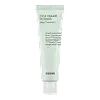
This calming moisturizer is formulated around Centella Asiatica Extract and Panthenol to calm redness and strengthen the skin barrier.
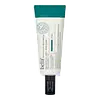
This calming moisturizer is formulated around Panthenol and Madecassoside to calm redness and hydrate skin.

What's inside
What's inside
 Key Ingredients
Benefits
Concerns
Ingredients Side-by-side
Centella Asiatica Extract
Cleansing





Centella Asiatica Leaf Extract
Skin Conditioning
Centella Asiatica Root Extract
Skin Conditioning
Butylene Glycol
Humectant
Cetearyl Alcohol
Emollient






Helianthus Annuus Seed Oil
Emollient
Caprylic/Capric Triglyceride
Masking
Glycerin
Humectant
Cetearyl Olivate
1,2-Hexanediol
Skin Conditioning
Sorbitan Olivate
Emulsifying
Macadamia Ternifolia Seed Oil
Emollient
Panthenol
Skin Conditioning
Hydroxyethyl Acrylate/Sodium Acryloyldimethyl Taurate Copolymer
Emulsion StabilisingEthylhexylglycerin
Skin ConditioningBeeswax
Emulsion Stabilising
Arginine
Masking
Carbomer
Emulsion StabilisingAsiaticoside
Antioxidant
Madecassic Acid
Skin Conditioning
Asiatic Acid
Skin Conditioning
Centella Asiatica Oil
Antimicrobial
Madecassoside
Antioxidant
Allantoin
Skin Conditioning
Sodium Hyaluronate
Humectant
Glycine Soja Oil
Emollient
Water
Skin ConditioningPinus Pinaster Bark Extract
Antioxidant
Centella Asiatica Extract, Centella Asiatica Leaf Extract, Centella Asiatica Root Extract, Butylene Glycol, Cetearyl Alcohol, Helianthus Annuus Seed Oil, Caprylic/Capric Triglyceride, Glycerin, Cetearyl Olivate, 1,2-Hexanediol, Sorbitan Olivate, Macadamia Ternifolia Seed Oil, Panthenol, Hydroxyethyl Acrylate/Sodium Acryloyldimethyl Taurate Copolymer, Ethylhexylglycerin, Beeswax, Arginine, Carbomer, Asiaticoside, Madecassic Acid, Asiatic Acid, Centella Asiatica Oil, Madecassoside, Allantoin, Sodium Hyaluronate, Glycine Soja Oil, Water, Pinus Pinaster Bark Extract
Water
Skin ConditioningGlycerin
Humectant
Cyclohexasiloxane
Emollient
Propanediol
Solvent
Polyglyceryl-4 Caprate
Emulsifying1,2-Hexanediol
Skin Conditioning
Hydrogenated Olive Oil Stearyl Esters
Emulsion Stabilising
Hydrogenated Polydecene
EmollientCetyl Palmitate
Emollient
Panthenol
Skin Conditioning
Madecassoside
Antioxidant
Centella Asiatica Leaf Extract
Skin Conditioning
Beta-Glucan
Skin Conditioning
Rubus Idaeus Leaf Extract
Skin ConditioningNepeta Cataria Extract
TonicCalendula Officinalis Flower Extract
Masking
Avena Sativa Kernel Extract
Abrasive
Baptisia Tinctoria Root Extract
Skin ConditioningStellaria Media Extract
Skin ConditioningEquisetum Arvense Leaf Extract
AstringentAlchemilla Vulgaris Leaf Extract
Antioxidant
Sodium Hyaluronate
Humectant
Hydrolyzed Hyaluronic Acid
Humectant
Sorbitan Stearate
Emulsifying
Sorbitan Isostearate
Emulsifying
Caprylic/Capric Triglyceride
Masking
Acrylates/C10-30 Alkyl Acrylate Crosspolymer
Emulsion StabilisingSqualane
Emollient
Butylene Glycol
Humectant
Tridecyl Stearate
Emollient
Tridecyl Trimellitate
EmollientIsohexadecane
EmollientHydrogenated Vegetable Oil
Emollient
Jojoba Esters
Emollient
Hydroxyethyl Acrylate/Sodium Acryloyldimethyl Taurate Copolymer
Emulsion StabilisingTromethamine
BufferingPolyglyceryl-10 Stearate
Skin Conditioning
Dipentaerythrityl Hexacaprylate/Hexacaprate
EmulsifyingHydrogenated Olive Oil Unsaponifiables
Emollient
Trisodium EDTA
ChelatingPolysorbate 60
Emulsifying
Tocopherol
Antioxidant

Citrus Aurantifolia Oil
Cleansing

Rosmarinus Officinalis Leaf Oil
Masking
Citrus Aurantium Dulcis Peel Oil
Masking
Pelargonium Graveolens Flower Oil
Masking
Citral
Perfuming
Citronellol
Perfuming
Geraniol
Perfuming
Limonene
Perfuming
Linalool
Perfuming
Water, Glycerin, Cyclohexasiloxane, Propanediol, Polyglyceryl-4 Caprate, 1,2-Hexanediol, Hydrogenated Olive Oil Stearyl Esters, Hydrogenated Polydecene, Cetyl Palmitate, Panthenol, Madecassoside, Centella Asiatica Leaf Extract, Beta-Glucan, Rubus Idaeus Leaf Extract, Nepeta Cataria Extract, Calendula Officinalis Flower Extract, Avena Sativa Kernel Extract, Baptisia Tinctoria Root Extract, Stellaria Media Extract, Equisetum Arvense Leaf Extract, Alchemilla Vulgaris Leaf Extract, Sodium Hyaluronate, Hydrolyzed Hyaluronic Acid, Sorbitan Stearate, Sorbitan Isostearate, Caprylic/Capric Triglyceride, Acrylates/C10-30 Alkyl Acrylate Crosspolymer, Squalane, Butylene Glycol, Tridecyl Stearate, Tridecyl Trimellitate, Isohexadecane, Hydrogenated Vegetable Oil, Jojoba Esters, Hydroxyethyl Acrylate/Sodium Acryloyldimethyl Taurate Copolymer, Tromethamine, Polyglyceryl-10 Stearate, Dipentaerythrityl Hexacaprylate/Hexacaprate, Hydrogenated Olive Oil Unsaponifiables, Trisodium EDTA, Polysorbate 60, Tocopherol, Citrus Aurantifolia Oil, Rosmarinus Officinalis Leaf Oil, Citrus Aurantium Dulcis Peel Oil, Pelargonium Graveolens Flower Oil, Citral, Citronellol, Geraniol, Limonene, Linalool
Reviews
Ingredients Explained
These ingredients are found in both products.
Ingredients higher up in an ingredient list are typically present in a larger amount.
1,2-Hexanediol is a synthetic liquid and another multi-functional powerhouse.
It is a:
- Humectant, drawing moisture into the skin
- Emollient, helping to soften skin
- Solvent, dispersing and stabilizing formulas
- Preservative booster, enhancing the antimicrobial activity of other preservatives
Butylene Glycol (or BG) is used within cosmetic products for a few different reasons:
Overall, Butylene Glycol is a safe and well-rounded ingredient that works well with other ingredients.
Though this ingredient works well with most skin types, some people with sensitive skin may experience a reaction such as allergic rashes, closed comedones, or itchiness.
Learn more about Butylene GlycolCaprylic/Capric Triglyceride (aka MCT Oil) is a lightweight emollient, solvent, and texture enhancer. It is considered a skin-softener by helping to prevent moisture loss.
Though it behaves like an oil, it is not technically one due to its chemical composition. One perk of this ingredient is that it is very stable, resistant to oxidation, and unlikely to go rancid.
In practice, that translates to a long shelf life and a consistently elegant skin feel.
While there is an assumption Caprylic Triglyceride can clog pores due to it being derived from coconut oil, there is no research supporting this. Just patch test if you have concerns.
Fractionated coconut oil and MCT Oil are both listed as Caprylic/Capric Triglyceride according to INCI. This is because INCI names are based on the ingredient’s final chemical composition and not its marketing name or source.
This ingredient is treated as the gold standard fungal acne safe oil. Even though it is coconut derived, the problematic lauric acid is stripped out.
This leaves just caprylic (C8) and capric (C10) acid. These chain lengths actually trend antifungal; a 2020 study found caprylic acid was enough to disrupt Malassezia furfur cell membrane, with a caprylic acid derivative damaging membrane structures at concentrations as low as 0.2%.
Learn more about Caprylic/Capric TriglycerideCentella Asiatica Leaf Extract comes from the leaves of an herb plant native to Southeast Asia. Centella Asiatica is rich in antioxidants and amino acids. It can help reduce irritation and soothe the skin.
Many active components found in centella asiatica, such as Madecassic Acid and Asiaticoside, encourage the skin to naturally produce hyaluronic acid. This helps keep our skin hydrated. Many of these components also show antioxidant activity and may help reduce the signs of aging.
Research shows centella asiatica can help increase Type I collagen production by increasing fibroblast production. Fibroblast helps form connective tissue.
The combination of all these properties makes centella asiatica leaf extract effective at soothing the skin.
Other components of centella asiatica leaf extract include Vitamin A, vitamin C, several B vitamins, and Asiatic Acid.
Recent studies found madecassoside may help prevent damage from UV rays by preventing UV-induced inflammation. Further research is needed.
This plant has been used as a medicine and in food for many centuries. As a medicine, it is used to treat burns, scratches, and wounds.
Learn more about Centella Asiatica Leaf ExtractGlycerin (or glycerol) is a compound naturally found in your skin. It's a powerhouse humectant that pulls water into the stratum corneum.
Topically, glycerin does several things at once:
Your skin makes glycerin on its own (mostly from sebaceous oil breakdown) and shuttles it to your outermost layer of skin, or your epidermis, via aquaporin-3.
Aquaporin-3 is a transporter that is essential for normal skin hydration, elasticity, and repair. Interestingly, mice lacking in AQP3 have dry and less elastic skin that can be fully corrected with glycerin.
This ingredient is non-irritating, plays well with almost every ingredient, and works across all skin types. Typical use is anywhere between 3-10% but can go up to 79% in some leave-on products.
Just know very high concentrations (>40%) can feel tacky in low humidity.
Glycerin is the name for this ingredient in American English. British English uses Glycerol/Glycerine.
Learn more about GlycerinThis is a synthetic polymer. It helps improve the texture of products by adding thickness and gel-like feel.
It is also an emulsifer, meaning it prevents ingredients such as oil and water from separating. It also helps evenly disperse other ingredients.
Madecassoside is one of four active compounds found in Centella asiatica and is one of the main reasons Centella is so effective at calming irritated skin and supporting the moisture barrier.
There's a solid body of peer-reviewed research backing Madecassoside for several skin benefits. Studies have found:
Madecassoside pairs well with other hydrating or antioxidant ingredients like Ascorbic Acid or Hyaluronic Acid.
Learn more about MadecassosidePanthenol is a common ingredient that helps hydrate and soothe the skin. It is found naturally in our skin and hair.
There are two forms of panthenol: D and L.
D-panthenol is also known as dexpanthenol. Most cosmetics use dexpanthenol or a mixture of D and L-panthenol.
Panthenol is famous due to its ability to go deeper into the skin's layers. Using this ingredient has numerous pros (and no cons):
Like hyaluronic acid, panthenol is a humectant. Humectants are able to bind and hold large amounts of water to keep skin hydrated.
This ingredient works well for wound healing. It works by increasing tissue in the wound and helps close open wounds.
Once oxidized, panthenol converts to pantothenic acid. Panthothenic acid is found in all living cells.
This ingredient is also referred to as pro-vitamin B5.
Learn more about PanthenolSodium Hyaluronate is the salt form of hyaluronic acid. It is a long sugar chain that is naturally found in your skin, joints, and connective tissue that maintains hydration and elasticity.
In skincare, it works as a humectant. It pulls water from the environment and deeper layers of skin and binds it to the surface.
Interestingly, the size of the molecule affects its behavior:
Some clinical evidence links low molecular weight versions to improved wrinkle depth, elasticity, anti-inflammatory effects, and barrier repair.
Many serums use a blend of both weights so you can get surface hydration plus longer-lasting and deeper effects.
You'll typically see concentrations between 0.1-2% for this ingredient.
Learn more about Sodium HyaluronateWater. It's the most common cosmetic ingredient of all. You'll usually see it at the top of ingredient lists, meaning that it makes up the largest part of the product.
So why is it so popular? Water most often acts as a solvent - this means that it helps dissolve other ingredients into the formulation.
You'll also recognize water as that liquid we all need to stay alive. If you see this, drink a glass of water. Remember to stay hydrated!
Learn more about Water

