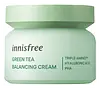
This oil-control moisturizer is formulated around Squalane and Niacinamide to balance excess oil and hydrate skin.
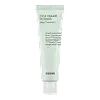
This calming moisturizer is formulated around Centella Asiatica Extract and Panthenol to calm redness and strengthen the skin barrier.

What's inside
What's inside
 Key Ingredients
Benefits
Concerns
Ingredients Side-by-side
Water
Skin ConditioningPropanediol
Solvent

Cetyl Ethylhexanoate
EmollientButylene Glycol
Humectant
Methyl Trimethicone
Skin Conditioning
Glycerin
Humectant
Hydrogenated Poly(C6-14 Olefin)
EmollientC14-22 Alcohols
Emulsion Stabilising
1,2-Hexanediol
Skin Conditioning
Squalane
Emollient
Niacinamide
Smoothing








Stearic Acid
Cleansing


Glyceryl Stearate
Emollient
Betaine
Humectant
Palmitic Acid
Emollient

Arachidyl Alcohol
Emollient
C12-20 Alkyl Glucoside
EmulsifyingHydroxyethyl Acrylate/Sodium Acryloyldimethyl Taurate Copolymer
Emulsion StabilisingSilica
Abrasive
Acrylates/C10-30 Alkyl Acrylate Crosspolymer
Emulsion StabilisingBehenyl Alcohol
Emollient
Glyceryl Caprylate
EmollientArachidyl Glucoside
EmulsifyingTromethamine
BufferingDisodium EDTA
ChelatingEthylhexylglycerin
Skin ConditioningCamellia Sinensis Leaf Extract
Antimicrobial
Sorbitan Isostearate
Emulsifying
Arginine
Masking
Aspartic Acid
Masking
Glutamic Acid
Humectant
Hyaluronic Acid
Humectant
Zinc PCA
Humectant
Gluconolactone
Chelating
Glucose
Humectant
Tocopherol
Antioxidant
Water, Propanediol, Cetyl Ethylhexanoate, Butylene Glycol, Methyl Trimethicone, Glycerin, Hydrogenated Poly(C6-14 Olefin), C14-22 Alcohols, 1,2-Hexanediol, Squalane, Niacinamide, Stearic Acid, Glyceryl Stearate, Betaine, Palmitic Acid, Arachidyl Alcohol, C12-20 Alkyl Glucoside, Hydroxyethyl Acrylate/Sodium Acryloyldimethyl Taurate Copolymer, Silica, Acrylates/C10-30 Alkyl Acrylate Crosspolymer, Behenyl Alcohol, Glyceryl Caprylate, Arachidyl Glucoside, Tromethamine, Disodium EDTA, Ethylhexylglycerin, Camellia Sinensis Leaf Extract, Sorbitan Isostearate, Arginine, Aspartic Acid, Glutamic Acid, Hyaluronic Acid, Zinc PCA, Gluconolactone, Glucose, Tocopherol
Centella Asiatica Extract
Cleansing
Centella Asiatica Leaf Extract
Skin Conditioning
Centella Asiatica Root Extract
Skin Conditioning
Butylene Glycol
Humectant
Cetearyl Alcohol
Emollient
Helianthus Annuus Seed Oil
Emollient
Caprylic/Capric Triglyceride
Masking
Glycerin
Humectant
Cetearyl Olivate
1,2-Hexanediol
Skin Conditioning
Sorbitan Olivate
Emulsifying
Macadamia Ternifolia Seed Oil
Emollient
Panthenol
Skin Conditioning
Hydroxyethyl Acrylate/Sodium Acryloyldimethyl Taurate Copolymer
Emulsion StabilisingEthylhexylglycerin
Skin ConditioningBeeswax
Emulsion Stabilising
Arginine
Masking
Carbomer
Emulsion StabilisingAsiaticoside
Antioxidant
Madecassic Acid
Skin Conditioning
Asiatic Acid
Skin Conditioning
Centella Asiatica Oil
Antimicrobial
Madecassoside
Antioxidant
Allantoin
Skin Conditioning
Sodium Hyaluronate
Humectant
Glycine Soja Oil
Emollient
Water
Skin ConditioningPinus Pinaster Bark Extract
Antioxidant
Centella Asiatica Extract, Centella Asiatica Leaf Extract, Centella Asiatica Root Extract, Butylene Glycol, Cetearyl Alcohol, Helianthus Annuus Seed Oil, Caprylic/Capric Triglyceride, Glycerin, Cetearyl Olivate, 1,2-Hexanediol, Sorbitan Olivate, Macadamia Ternifolia Seed Oil, Panthenol, Hydroxyethyl Acrylate/Sodium Acryloyldimethyl Taurate Copolymer, Ethylhexylglycerin, Beeswax, Arginine, Carbomer, Asiaticoside, Madecassic Acid, Asiatic Acid, Centella Asiatica Oil, Madecassoside, Allantoin, Sodium Hyaluronate, Glycine Soja Oil, Water, Pinus Pinaster Bark Extract
Reviews
Ingredients Explained
These ingredients are found in both products.
Ingredients higher up in an ingredient list are typically present in a larger amount.
1,2-Hexanediol is a synthetic liquid and another multi-functional powerhouse.
It is a:
- Humectant, drawing moisture into the skin
- Emollient, helping to soften skin
- Solvent, dispersing and stabilizing formulas
- Preservative booster, enhancing the antimicrobial activity of other preservatives
Arginine is a semi-essential amino acid. This just means our bodies can product a bit on its own, but sometimes needs a little boost from food sources.
It is a part of your skin's natural moisturizing factor (NMF), or the water-loving molecules in your outermost layer of skin (stratum corneum) that keeps everything hydrated and happy.
Here's an interesting thing about Arginine: your skin converts it into urea through the Krebs-Henseleit urea cycle. Urea is one of the most effective humectants your skin naturally produces.
A clinical study showed applying 2.5% arginine hydrochloride to atopic dermatitis skin showed significant urea levels in the stratum corneum and improved moisture in just four weeks.
Arginine is also a precursor to nitric oxide; nitric oxide improves microcirculation and supports wound healing and collagen synthesis.
One study found that an amino acid complex containing Arginine reduced skin irritation, improved hydration, and accelerated skin repair in clinical / in-vivo studies.
Arginine itself is an amino acid and not a fatty acid, oil, or ester. On its own, it's not a direct food source for Malassezia, or the yeast that causes fungal acne.
Learn more about ArginineButylene Glycol (or BG) is used within cosmetic products for a few different reasons:
Overall, Butylene Glycol is a safe and well-rounded ingredient that works well with other ingredients.
Though this ingredient works well with most skin types, some people with sensitive skin may experience a reaction such as allergic rashes, closed comedones, or itchiness.
Learn more about Butylene GlycolEthylhexylglycerin is created from glycerin. It is a multitasker ingredient that:
The CIR Expert Panel found minimal skin absorption or sensitization of any kind in a safety assessment. Though this ingredient is considered well-tolerated, a small number of cases of allergic dermatitis have been published since 2002. Just be sure to patch test if you are unsure.
Industry-reported use ranges from 8% in rinse-off products and 2% in leave-on formulations.
Learn more about EthylhexylglycerinGlycerin (or glycerol) is a compound naturally found in your skin. It's a powerhouse humectant that pulls water into the stratum corneum.
Topically, glycerin does several things at once:
Your skin makes glycerin on its own (mostly from sebaceous oil breakdown) and shuttles it to your outermost layer of skin, or your epidermis, via aquaporin-3.
Aquaporin-3 is a transporter that is essential for normal skin hydration, elasticity, and repair. Interestingly, mice lacking in AQP3 have dry and less elastic skin that can be fully corrected with glycerin.
This ingredient is non-irritating, plays well with almost every ingredient, and works across all skin types. Typical use is anywhere between 3-10% but can go up to 79% in some leave-on products.
Just know very high concentrations (>40%) can feel tacky in low humidity.
Glycerin is the name for this ingredient in American English. British English uses Glycerol/Glycerine.
Learn more about GlycerinThis is a synthetic polymer. It helps improve the texture of products by adding thickness and gel-like feel.
It is also an emulsifer, meaning it prevents ingredients such as oil and water from separating. It also helps evenly disperse other ingredients.
Water. It's the most common cosmetic ingredient of all. You'll usually see it at the top of ingredient lists, meaning that it makes up the largest part of the product.
So why is it so popular? Water most often acts as a solvent - this means that it helps dissolve other ingredients into the formulation.
You'll also recognize water as that liquid we all need to stay alive. If you see this, drink a glass of water. Remember to stay hydrated!
Learn more about Water

