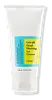
This betaine salicylate gel cleanser is formulated around Betaine Salicylate to clear breakouts and unclog pores.
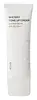
This hybrid sunscreen covers the full UV range and blocks ~97% of UVB at SPF 30.

What's inside
What's inside
 Key Ingredients
Benefits
Concerns
Ingredients Side-by-side
Water
Skin ConditioningCocamidopropyl Betaine
Cleansing



Sodium Lauroyl Methyl Isethionate
CleansingSodium Chloride
MaskingPolysorbate 20
Emulsifying
Styrax Japonicus Branch/Fruit/Leaf Extract
Skin ConditioningButylene Glycol
Humectant

Saccharomyces Ferment
Skin Conditioning
Cryptomeria Japonica Leaf Extract
HumectantNelumbo Nucifera Leaf Extract
Skin ConditioningPinus Palustris Leaf Extract
TonicUlmus Davidiana Root Extract
Skin Conditioning
Oenothera Biennis Flower Extract
AstringentPueraria Lobata Root Extract
HumectantMelaleuca Alternifolia Leaf Oil
Antioxidant





Allantoin
Skin Conditioning

Caprylyl Glycol
Emollient
Ethylhexylglycerin
Skin ConditioningBetaine Salicylate
Antimicrobial

Citric Acid
Buffering

Ethyl Hexanediol
Solvent1,2-Hexanediol
Skin Conditioning
Trisodium Ethylenediamine Disuccinate
ChelatingSodium Benzoate
Masking
Disodium EDTA
ChelatingWater, Cocamidopropyl Betaine, Sodium Lauroyl Methyl Isethionate, Sodium Chloride, Polysorbate 20, Styrax Japonicus Branch/Fruit/Leaf Extract, Butylene Glycol, Saccharomyces Ferment, Cryptomeria Japonica Leaf Extract, Nelumbo Nucifera Leaf Extract, Pinus Palustris Leaf Extract, Ulmus Davidiana Root Extract, Oenothera Biennis Flower Extract, Pueraria Lobata Root Extract, Melaleuca Alternifolia Leaf Oil, Allantoin, Caprylyl Glycol, Ethylhexylglycerin, Betaine Salicylate, Citric Acid, Ethyl Hexanediol, 1,2-Hexanediol, Trisodium Ethylenediamine Disuccinate, Sodium Benzoate, Disodium EDTA
Water
Skin ConditioningDibutyl Adipate
EmollientTitanium Dioxide
Cosmetic Colorant

Glycerin
Humectant
Propanediol
Solvent
Caprylyl Methicone
Skin Conditioning
Polyglyceryl-3 Methylglucose Distearate
Emulsifying
Butylene Glycol
Humectant
Niacinamide
Smoothing



Polysilicone-15
UV Filter
Cetearyl Alcohol
Emollient

1,2-Hexanediol
Skin Conditioning
Ethylhexyl Triazone
UV Absorber
Pentylene Glycol
Skin Conditioning
Polysorbate 60
Emulsifying
Oenothera Biennis Flower/Leaf/Stem Extract
Skin ConditioningUlmus Davidiana Root Extract
Skin Conditioning
Pinus Palustris Leaf Extract
TonicPueraria Lobata Root Extract
HumectantOryza Sativa Extract
Absorbent
Avena Sativa Meal Extract
SoothingGlycine Max Seed Extract
Skin ConditioningSimmondsia Chinensis Seed Oil
Emollient
Glyceryl Stearates
Emollient
Adenosine
Skin Conditioning
Squalane
Emollient
Panthenol
Skin Conditioning
Bis-Ethylhexyloxyphenol Methoxyphenyl Triazine
UV Absorber
Polymethylsilsesquioxane
Polyacrylate-13
Polyglyceryl-2 Caprate
EmulsifyingPolyacrylate Crosspolymer-6
Emulsion StabilisingAmmonium Acryloyldimethyltaurate/Vp Copolymer
Polyisobutene
Sucrose Stearate
EmollientEthylhexylglycerin
Skin ConditioningSodium Stearoyl Glutamate
CleansingStearic Acid
Cleansing
Alumina
Abrasive
Xanthan Gum
EmulsifyingGlyceryl Caprylate
EmollientPolysorbate 20
Emulsifying
Disodium EDTA
ChelatingSorbitan Isostearate
Emulsifying
Sodium Polyacrylate
Absorbent
N-Butyl Alcohol
Perfuming

Polyether-1
Tocopherol
Antioxidant
Parfum
Masking
Water, Dibutyl Adipate, Titanium Dioxide, Glycerin, Propanediol, Caprylyl Methicone, Polyglyceryl-3 Methylglucose Distearate, Butylene Glycol, Niacinamide, Polysilicone-15, Cetearyl Alcohol, 1,2-Hexanediol, Ethylhexyl Triazone, Pentylene Glycol, Polysorbate 60, Oenothera Biennis Flower/Leaf/Stem Extract, Ulmus Davidiana Root Extract, Pinus Palustris Leaf Extract, Pueraria Lobata Root Extract, Oryza Sativa Extract, Avena Sativa Meal Extract, Glycine Max Seed Extract, Simmondsia Chinensis Seed Oil, Glyceryl Stearates, Adenosine, Squalane, Panthenol, Bis-Ethylhexyloxyphenol Methoxyphenyl Triazine, Polymethylsilsesquioxane, Polyacrylate-13, Polyglyceryl-2 Caprate, Polyacrylate Crosspolymer-6, Ammonium Acryloyldimethyltaurate/Vp Copolymer, Polyisobutene, Sucrose Stearate, Ethylhexylglycerin, Sodium Stearoyl Glutamate, Stearic Acid, Alumina, Xanthan Gum, Glyceryl Caprylate, Polysorbate 20, Disodium EDTA, Sorbitan Isostearate, Sodium Polyacrylate, N-Butyl Alcohol, Polyether-1, Tocopherol, Parfum
Reviews
Ingredients Explained
These ingredients are found in both products.
Ingredients higher up in an ingredient list are typically present in a larger amount.
1,2-Hexanediol is a synthetic liquid and another multi-functional powerhouse.
It is a:
- Humectant, drawing moisture into the skin
- Emollient, helping to soften skin
- Solvent, dispersing and stabilizing formulas
- Preservative booster, enhancing the antimicrobial activity of other preservatives
Butylene Glycol (or BG) is used within cosmetic products for a few different reasons:
Overall, Butylene Glycol is a safe and well-rounded ingredient that works well with other ingredients.
Though this ingredient works well with most skin types, some people with sensitive skin may experience a reaction such as allergic rashes, closed comedones, or itchiness.
Learn more about Butylene GlycolDisodium EDTA is a chelating agent. It grabs onto and deactivates metal ions that sneak into your products from water, packaging, or air.
This ingredient mainly works behind the scenes and helps with:
On top of that, this ingredient can counteract the effects of hard water by binding to the minerals in it.
One thing worth knowing is that Disodium EDTA has been shown to be a mild penetration enhancer. It can help other ingredients absorb into skin more effectively which can be a double-edged sword (great for actives, but can also make the active too strong if you have sensitive skin).
Clinical patch testing showed no significant skin irritation at typical use concentrations and minimal dermal absorption.
You'll most likely see this ingredient near the end of an ingredient list. It's typically found in concentrations less than 1%.
Learn more about Disodium EDTAEthylhexylglycerin is created from glycerin. It is a multitasker ingredient that:
The CIR Expert Panel found minimal skin absorption or sensitization of any kind in a safety assessment. Though this ingredient is considered well-tolerated, a small number of cases of allergic dermatitis have been published since 2002. Just be sure to patch test if you are unsure.
Industry-reported use ranges from 8% in rinse-off products and 2% in leave-on formulations.
Learn more about EthylhexylglycerinWe don't have a description for Pinus Palustris Leaf Extract yet.
Polysorbate 20 is a gentle, water-soluble emulsifier and mild surfactant. It stops oil and water from separating to keep your formulas blended and stable.
It also acts as a mild penetration enhancer by helping active ingredients absorb slightly better.
The common safety discussion around this ingredient involves a manufacturing byproduct called 1,4-dioxane.
Trace amounts can form during production but the EU's Scientific Committee on Consumer Safety has concluded that levels at/below 10 ppm in finished products are safe (commercial products consistently fall within acceptable margins).
True allergic reactions are uncommon and the CIR Expert Panel has confirmed this ingredient to be safe as used in cosmetics.
Because it is derived from lauric acid, it may not be fungal acne safe.
Learn more about Polysorbate 20This ingredient comes from the Kudzu root.
This tree is also known as the David Elm. It contains the ingredient bakuchiol.
Other great compounds found in this ingredient include galactose, glucose, and phenolics. The sugar content gives it great skin hydrating properties. Phenolics are potent antioxidants commonly found in fruits and veggies.
A 2020 study found the phenolics of this root to have an anti-inflammatory effect.
Fun fact: This ingredient is used in traditional Asian medicine.
Learn more about Ulmus Davidiana Root ExtractWater. It's the most common cosmetic ingredient of all. You'll usually see it at the top of ingredient lists, meaning that it makes up the largest part of the product.
So why is it so popular? Water most often acts as a solvent - this means that it helps dissolve other ingredients into the formulation.
You'll also recognize water as that liquid we all need to stay alive. If you see this, drink a glass of water. Remember to stay hydrated!
Learn more about Water

