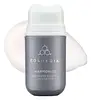
This barrier-repair moisturizer is formulated around Squalane and Boswellia Serrata Extract to strengthen the skin barrier and calm redness.
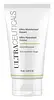
This barrier-repair moisturizer is formulated around Butyrospermum Parkii Butter and Urea to strengthen the skin barrier and hydrate skin.


What's inside
What's inside
 Key Ingredients
Benefits
Concerns
Ingredients Side-by-side
Water
Skin ConditioningCaprylic/Capric Triglyceride
Masking


Glycerin
Humectant
Pentylene Glycol
Skin Conditioning
Glyceryl Stearate
Emollient

Lactobacillus Ferment Lysate Filtrate
Skin ConditioningHydrogenated Ethylhexyl Olivate
EmollientSqualane
Emollient
Mangifera Indica Seed Butter
Skin Conditioning
Vitis Vinifera Fruit Extract
Skin ConditioningZingiber Officinale Root Extract
Masking
Boswellia Serrata Extract
Skin Conditioning
Chlorella Vulgaris Extract
Skin ConditioningRhodiola Rosea Root Extract
EmollientInonotus Obliquus Extract
Skin ConditioningGanoderma Lucidum Extract
Skin Protecting
Withania Somnifera Root Extract
Skin Conditioning
Leuconostoc/Radish Root Ferment Filtrate
Antimicrobial
Populus Tremuloides Bark Extract
AntiseborrhoeicTremella Fuciformis Sporocarp Extract
Antioxidant
Panthenol
Skin Conditioning
Bisabolol
Antioxidant
Cetearyl Alcohol
Emollient



Xanthan Gum
EmulsifyingHydroxyacetophenone
Antioxidant
Ammonium Acryloyldimethyltaurate/Vp Copolymer
Sodium Stearoyl Lactylate
Emulsifying1,2-Hexanediol
Skin Conditioning
Caprylyl Glycol
Emollient
Sodium Hydroxide
BufferingHydrogenated Olive Oil Unsaponifiables
Emollient
Propanediol
Solvent
Lavandula Angustifolia Flower/Leaf/Stem Extract
Masking

Sodium Phytate
Citric Acid
Buffering

Lactic Acid
Buffering



Sodium Benzoate
Masking
Water, Caprylic/Capric Triglyceride, Glycerin, Pentylene Glycol, Glyceryl Stearate, Lactobacillus Ferment Lysate Filtrate, Hydrogenated Ethylhexyl Olivate, Squalane, Mangifera Indica Seed Butter, Vitis Vinifera Fruit Extract, Zingiber Officinale Root Extract, Boswellia Serrata Extract, Chlorella Vulgaris Extract, Rhodiola Rosea Root Extract, Inonotus Obliquus Extract, Ganoderma Lucidum Extract, Withania Somnifera Root Extract, Leuconostoc/Radish Root Ferment Filtrate, Populus Tremuloides Bark Extract, Tremella Fuciformis Sporocarp Extract, Panthenol, Bisabolol, Cetearyl Alcohol, Xanthan Gum, Hydroxyacetophenone, Ammonium Acryloyldimethyltaurate/Vp Copolymer, Sodium Stearoyl Lactylate, 1,2-Hexanediol, Caprylyl Glycol, Sodium Hydroxide, Hydrogenated Olive Oil Unsaponifiables, Propanediol, Lavandula Angustifolia Flower/Leaf/Stem Extract, Sodium Phytate, Citric Acid, Lactic Acid, Sodium Benzoate
Water
Skin ConditioningButyrospermum Parkii Butter
Skin Conditioning
C12-15 Alkyl Benzoate
AntimicrobialGlycerin
Humectant
Methylpropanediol
SolventGlyceryl Behenate
Emollient
Cyclopentasiloxane
Emollient
Cetyl Alcohol
Emollient
Glyceryl Stearate
Emollient
Sodium Lactate
Buffering
Dimethicone
Emollient
Urea
Buffering
Sodium Hyaluronate
Humectant
Cholesterol
Emollient
Linoleic Acid
Cleansing
Ceramide NP
Skin Conditioning
Linolenic Acid
Cleansing
Sodium PCA
Humectant
Tocopherol
Antioxidant
Hydroxyethyl Acrylate/Sodium Acryloyldimethyl Taurate Copolymer
Emulsion StabilisingPEG-75 Stearate
Surfactant
Xanthan Gum
EmulsifyingCeteth-20
CleansingSteareth-20
CleansingPolysorbate 60
Emulsifying
Sorbitan Isostearate
Emulsifying
Cocos Nucifera Oil
Masking
Vanillin
Masking
Phenylpropanol
Masking
Caprylyl Glycol
Emollient
Disodium EDTA
Sodium Hydroxide
BufferingLactic Acid
Buffering
Water, Butyrospermum Parkii Butter, C12-15 Alkyl Benzoate, Glycerin, Methylpropanediol, Glyceryl Behenate, Cyclopentasiloxane, Cetyl Alcohol, Glyceryl Stearate, Sodium Lactate, Dimethicone, Urea, Sodium Hyaluronate, Cholesterol, Linoleic Acid, Ceramide NP, Linolenic Acid, Sodium PCA, Tocopherol, Hydroxyethyl Acrylate/Sodium Acryloyldimethyl Taurate Copolymer, PEG-75 Stearate, Xanthan Gum, Ceteth-20, Steareth-20, Polysorbate 60, Sorbitan Isostearate, Cocos Nucifera Oil, Vanillin, Phenylpropanol, Caprylyl Glycol, Disodium EDTA, Sodium Hydroxide, Lactic Acid
Ingredients Explained
These ingredients are found in both products.
Ingredients higher up in an ingredient list are typically present in a larger amount.
Caprylyl Glycol is a humectant, skin conditioner, emollient, and preservative booster derived from either caprylic acid or synthetically created.
Typical use levels vary from 0.3-1% as a preservative booster and go up to 2% to condition skin.
Because it is not a free-fatty acid, this ingredient is fungal acne safe (there's nothing for Malassezia to feed on).
Learn more about Caprylyl GlycolGlycerin (or glycerol) is a compound naturally found in your skin. It's a powerhouse humectant that pulls water into the stratum corneum.
Topically, glycerin does several things at once:
Your skin makes glycerin on its own (mostly from sebaceous oil breakdown) and shuttles it to your outermost layer of skin, or your epidermis, via aquaporin-3.
Aquaporin-3 is a transporter that is essential for normal skin hydration, elasticity, and repair. Interestingly, mice lacking in AQP3 have dry and less elastic skin that can be fully corrected with glycerin.
This ingredient is non-irritating, plays well with almost every ingredient, and works across all skin types. Typical use is anywhere between 3-10% but can go up to 79% in some leave-on products.
Just know very high concentrations (>40%) can feel tacky in low humidity.
Glycerin is the name for this ingredient in American English. British English uses Glycerol/Glycerine.
Learn more about GlycerinGlyceryl Stearate is made by reacting glycerin with stearic acid (typically sourced from plant oils like palm or coconut). It's an emulsifier, emollient, and mild occlusive.
Emulsifiers help ingredients like oil and water stay mixed so your formula stays nicely blended and uniform in texture.
This ingredient is typically used in concentrations between 1-10%. Studies have found it to be non-sensitizing, non-phototoxic, and non-photoallergenic.
A close cousin of this ingredient is Glyceryl Stearate SE ("self-emulsifying"). This just has a small amount of sodium or potassium stearate added so it can emulsify without a co-emulsifier.
Since this ingredient is an ester of a C18 fatty acid, it may not be fungal acne safe. The Malassezia yeast can potentially metabolize within the C11-C24 range.
Fun fact: The human body also creates Glyceryl Stearate naturally.
Learn more about Glyceryl StearateLactic Acid is another well-loved alpha hydroxy acid (AHA). It is gentler than glycolic acid but still highly effective.
Its main role is to exfoliate the surface of the skin by loosening the “glue” that holds dead skin cells together. Shedding those old cells leads to smoother, softer, and more even-toned skin.
Because lactic acid molecules are larger than glycolic acid, they don’t penetrate as deeply. This means they’re less likely to sting or irritate, making it a great choice for beginners or those with sensitive skin.
Like glycolic acid, it can:
Lactic acid also acts as a humectant (like hyaluronic acid). It can draw water into the skin to improve hydration and also plays a role in the skin's natural moisturizing factor (NMF) in the form of sodium lactate.
Studies show it can boost ceramide production to strengthen the skin barrier and even help balance the skin’s microbiome.
To get results, choose products with a pH between 3-4.
Lower strengths (5-12%) focus on surface exfoliation; higher strengths (12% and up) can reach deeper in the dermis (deeper, supportive layer) to improve skin texture and firmness over time.
Though it was originally derived from milk, most modern lactic acid used in skincare is vegan. It is made through non-dairy fermentation to create a bio-identical and stable form suitable for all formulations.
When lactic acid shows up near the end of an ingredient list, it usually means the brand added just a tiny amount to adjust the product’s pH.
Legend has it that Cleopatra used to bathe in sour milk to help reduce wrinkles.
Lactic acid is truly a gentle multitasker: it exfoliates, hydrates, strengthens, and brightens. It's a great ingredient for giving your skin a smooth, glowing, and healthy look without the harshness of stronger acids.
Read more about some other popular AHA's here:
Learn more about Lactic AcidSodium Hydroxide is also known as lye or caustic soda. It is used to adjust the pH of products; many ingredients require a specific pH to be effective.
In small amounts, sodium hydroxide is considered safe to use. However, large amounts may cause chemical burns due to its high alkaline.
Your skin has a natural pH and acid mantle. This acid mantle helps prevent harmful bacteria from breaking through. The acid mantle also helps keep your skin hydrated.
"Alkaline" refers to a high pH level. A low pH level would be considered acidic.
Learn more about Sodium HydroxideWater. It's the most common cosmetic ingredient of all. You'll usually see it at the top of ingredient lists, meaning that it makes up the largest part of the product.
So why is it so popular? Water most often acts as a solvent - this means that it helps dissolve other ingredients into the formulation.
You'll also recognize water as that liquid we all need to stay alive. If you see this, drink a glass of water. Remember to stay hydrated!
Learn more about WaterXanthan gum is used as a stabilizer and thickener within cosmetic products. It helps give products a sticky, thick feeling - preventing them from being too runny.
On the technical side of things, xanthan gum is a polysaccharide - a combination consisting of multiple sugar molecules bonded together.
Xanthan gum is a pretty common and great ingredient. It is a natural, non-toxic, non-irritating ingredient that is also commonly used in food products.
Learn more about Xanthan Gum

