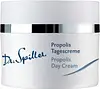
This calming day moisturizer is formulated around Aloe Barbadensis Leaf Juice and Royal Jelly to calm redness and hydrate skin.
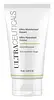
This barrier-repair moisturizer is formulated around Butyrospermum Parkii Butter and Urea to strengthen the skin barrier and hydrate skin.


What's inside
What's inside
 Key Ingredients
Benefits
Concerns
Ingredients Side-by-side
Aloe Barbadensis Leaf Juice
Skin Conditioning


Water
Skin ConditioningPentylene Glycol
Skin Conditioning
Propylene Glycol
Humectant

Propylheptyl Caprylate
EmollientEthylhexyl Stearate
Emollient


Glyceryl Stearate Citrate
Emollient
Hydrogenated Polydecene
EmollientCetearyl Alcohol
Emollient

Glyceryl Stearate
Emollient
Ethylhexyl Methoxycinnamate
UV Absorber


Glycerin
Humectant
Decyl Oleate
Emollient
Polyglyceryl-6 Stearate
Emollient
Persea Gratissima Oil
Skin Conditioning
Vitis Vinifera Seed Oil
Emollient
Tocopherol
Antioxidant




Helianthus Annuus Seed Oil
Emollient
Royal Jelly
Retinyl Palmitate
Skin Conditioning
Xanthan Gum
EmulsifyingTetrasodium Glutamate Diacetate
ChelatingPolyacrylate Crosspolymer-6
Emulsion StabilisingAlcohol Denat.
Antimicrobial

T-Butyl Alcohol
Perfuming

Dimethicone
Emollient
Sodium Lactate
Buffering
Palmitic Acid
Emollient
Stearic Acid
Cleansing
Polyglyceryl-6 Behenate
Emulsion Stabilising
Propolis Cera
AntiseborrhoeicSodium Hydroxide
BufferingHydrogenated Palm Glycerides Citrate
Emollient
Parfum
Masking
Linalool
Perfuming
Alpha-Isomethyl Ionone
Perfuming
Hydroxycitronellal
Perfuming
Limonene
Perfuming
Hexyl Cinnamal
Perfuming
Citronellol
Perfuming
Benzyl Alcohol
Perfuming
Benzyl Benzoate
Antimicrobial
Aloe Barbadensis Leaf Juice, Water, Pentylene Glycol, Propylene Glycol, Propylheptyl Caprylate, Ethylhexyl Stearate, Glyceryl Stearate Citrate, Hydrogenated Polydecene, Cetearyl Alcohol, Glyceryl Stearate, Ethylhexyl Methoxycinnamate, Glycerin, Decyl Oleate, Polyglyceryl-6 Stearate, Persea Gratissima Oil, Vitis Vinifera Seed Oil, Tocopherol, Helianthus Annuus Seed Oil, Royal Jelly, Retinyl Palmitate, Xanthan Gum, Tetrasodium Glutamate Diacetate, Polyacrylate Crosspolymer-6, Alcohol Denat., T-Butyl Alcohol, Dimethicone, Sodium Lactate, Palmitic Acid, Stearic Acid, Polyglyceryl-6 Behenate, Propolis Cera, Sodium Hydroxide, Hydrogenated Palm Glycerides Citrate, Parfum, Linalool, Alpha-Isomethyl Ionone, Hydroxycitronellal, Limonene, Hexyl Cinnamal, Citronellol, Benzyl Alcohol, Benzyl Benzoate
Water
Skin ConditioningButyrospermum Parkii Butter
Skin Conditioning
C12-15 Alkyl Benzoate
AntimicrobialGlycerin
Humectant
Methylpropanediol
SolventGlyceryl Behenate
Emollient
Cyclopentasiloxane
Emollient
Cetyl Alcohol
Emollient
Glyceryl Stearate
Emollient
Sodium Lactate
Buffering
Dimethicone
Emollient
Urea
Buffering

Sodium Hyaluronate
Humectant
Cholesterol
Emollient
Linoleic Acid
Cleansing
Ceramide NP
Skin Conditioning
Linolenic Acid
Cleansing
Sodium PCA
Humectant
Tocopherol
Antioxidant
Hydroxyethyl Acrylate/Sodium Acryloyldimethyl Taurate Copolymer
Emulsion StabilisingPEG-75 Stearate
Surfactant
Xanthan Gum
EmulsifyingCeteth-20
CleansingSteareth-20
CleansingPolysorbate 60
Emulsifying
Sorbitan Isostearate
Emulsifying
Cocos Nucifera Oil
Masking
Vanillin
Masking
Phenylpropanol
Masking
Caprylyl Glycol
Emollient
Disodium EDTA
ChelatingSodium Hydroxide
BufferingLactic Acid
Buffering


Water, Butyrospermum Parkii Butter, C12-15 Alkyl Benzoate, Glycerin, Methylpropanediol, Glyceryl Behenate, Cyclopentasiloxane, Cetyl Alcohol, Glyceryl Stearate, Sodium Lactate, Dimethicone, Urea, Sodium Hyaluronate, Cholesterol, Linoleic Acid, Ceramide NP, Linolenic Acid, Sodium PCA, Tocopherol, Hydroxyethyl Acrylate/Sodium Acryloyldimethyl Taurate Copolymer, PEG-75 Stearate, Xanthan Gum, Ceteth-20, Steareth-20, Polysorbate 60, Sorbitan Isostearate, Cocos Nucifera Oil, Vanillin, Phenylpropanol, Caprylyl Glycol, Disodium EDTA, Sodium Hydroxide, Lactic Acid
Ingredients Explained
These ingredients are found in both products.
Ingredients higher up in an ingredient list are typically present in a larger amount.
Dimethicone is a type of synthetic silicone created from natural materials such as quartz. It is also known as polydimethylsiloxane.
What it does:
Dimethicone comes in different viscosities:
Depending on the viscosity, dimethicone has different properties.
Ingredients lists don't always show which type is used, so we recommend reaching out to the brand if you have questions about the viscosity.
This ingredient is unlikely to cause irritation because it does not get absorbed into skin. However, people with silicone allergies should be careful about using this ingredient.
Note: Dimethicone may contribute to pilling. This is because it is not oil or water soluble, so pilling may occur when layered with products. When mixed with heavy oils in a formula, the outcome is also quite greasy.
Learn more about DimethiconeGlycerin (or glycerol) is a compound naturally found in your skin. It's a powerhouse humectant that pulls water into the stratum corneum.
Topically, glycerin does several things at once:
Your skin makes glycerin on its own (mostly from sebaceous oil breakdown) and shuttles it to your outermost layer of skin, or your epidermis, via aquaporin-3.
Aquaporin-3 is a transporter that is essential for normal skin hydration, elasticity, and repair. Interestingly, mice lacking in AQP3 have dry and less elastic skin that can be fully corrected with glycerin.
This ingredient is non-irritating, plays well with almost every ingredient, and works across all skin types. Typical use is anywhere between 3-10% but can go up to 79% in some leave-on products.
Just know very high concentrations (>40%) can feel tacky in low humidity.
Glycerin is the name for this ingredient in American English. British English uses Glycerol/Glycerine.
Learn more about GlycerinGlyceryl Stearate is made by reacting glycerin with stearic acid (typically sourced from plant oils like palm or coconut). It's an emulsifier, emollient, and mild occlusive.
Emulsifiers help ingredients like oil and water stay mixed so your formula stays nicely blended and uniform in texture.
This ingredient is typically used in concentrations between 1-10%. Studies have found it to be non-sensitizing, non-phototoxic, and non-photoallergenic.
A close cousin of this ingredient is Glyceryl Stearate SE ("self-emulsifying"). This just has a small amount of sodium or potassium stearate added so it can emulsify without a co-emulsifier.
Since this ingredient is an ester of a C18 fatty acid, it may not be fungal acne safe. The Malassezia yeast can potentially metabolize within the C11-C24 range.
Fun fact: The human body also creates Glyceryl Stearate naturally.
Learn more about Glyceryl StearateSodium Hydroxide is also known as lye or caustic soda. It is used to adjust the pH of products; many ingredients require a specific pH to be effective.
In small amounts, sodium hydroxide is considered safe to use. However, large amounts may cause chemical burns due to its high alkaline.
Your skin has a natural pH and acid mantle. This acid mantle helps prevent harmful bacteria from breaking through. The acid mantle also helps keep your skin hydrated.
"Alkaline" refers to a high pH level. A low pH level would be considered acidic.
Learn more about Sodium HydroxideSodium Lactate is the sodium salt of lactic acid, an AHA. It is a humectant and sometimes used to adjust the pH of a product.
This ingredient is part of our skin's NMF, or natural moisturizing factor. Our NMF is essential for the hydration of our top skin layers and plasticity of skin. NMF also influences our skin's natural acid mantle and pH, which protects our skin from harmful bacteria.
High percentages of Sodium Lactate can have an exfoliating effect.
Fun fact: Sodium Lactate is produced from fermented sugar.
Learn more about Sodium LactateTocopherol is a fat-soluble antioxidant known as Vitamin E.
You'll find this ingredient in the vast majority of skincare (for good reason). It works to neutralize free radicals, or unstable molecules generated by UV exposure, pollution, and other environmental stressors, before they can cause oxidative damage to your skin cells.
Topically applied tocopherol has been shown to protect against UV damage by ramping up the skin's own natural defense enzymes.
It also acts as a skin conditioning agent; some studies show that regular topical use can improve the skin's water-binding capacity over 2-4 weeks.
This ingredient is especially loved for being a team player. When combined with Vitamin C, the photoprotective effect of both ingredients roughly doubles and the combo also helps reduce UV-induced DNA damage.
This ingredient has some brightening potential but it's more of a prevention ingredient than spot-fader. Cell studies show it can slow down melanin production but it's worth noting that it's not the most powerful brightener out there.
In formulations, it also serves as a stabilizer that helps protect other oxidation-prone ingredients from degrading.
Concentrations usually range from 0.1-1% in most leave-on products.
Learn more about TocopherolWater. It's the most common cosmetic ingredient of all. You'll usually see it at the top of ingredient lists, meaning that it makes up the largest part of the product.
So why is it so popular? Water most often acts as a solvent - this means that it helps dissolve other ingredients into the formulation.
You'll also recognize water as that liquid we all need to stay alive. If you see this, drink a glass of water. Remember to stay hydrated!
Learn more about WaterXanthan gum is used as a stabilizer and thickener within cosmetic products. It helps give products a sticky, thick feeling - preventing them from being too runny.
On the technical side of things, xanthan gum is a polysaccharide - a combination consisting of multiple sugar molecules bonded together.
Xanthan gum is a pretty common and great ingredient. It is a natural, non-toxic, non-irritating ingredient that is also commonly used in food products.
Learn more about Xanthan Gum


