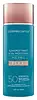
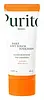
Colorescience Sunforgettable Total Protection Face Shield Flex SPF 50 Versus PURITO Daily Soft Touch Sunscreen SPF 50+ PA++++
This mineral sunscreen covers the full UV range and blocks ~98% of UVB at SPF 50.
This chemical sunscreen covers the full UV range and blocks ~98% of UVB at SPF 50.


What's inside
What's inside
 Key Ingredients
Benefits
Concerns
Ingredients Side-by-side
Zinc Oxide 12%
Cosmetic Colorant


Water
Skin ConditioningC12-15 Alkyl Benzoate
AntimicrobialButyloctyl Salicylate
Skin Conditioning
Lauryl PEG-8 Dimethicone
Surfactant
Isododecane
EmollientPropanediol
Solvent

Caprylyl Methicone
Skin Conditioning
Dimethicone
Emollient
Niacinamide
Smoothing








Tridecyl Salicylate
Skin ConditioningDimethicone/Vinyl Dimethicone Crosspolymer
Skin Conditioning
Trilaureth-4 Phosphate
EmulsifyingDimethiconol
Emollient
Lauryl PEG-10 Tris(Trimethylsiloxy)Silylethyl Dimethicone
Emulsifying
Mica
Cosmetic ColorantPolyester-1
Maltodextrin
Absorbent
Sodium Chloride
MaskingBisabolol
Antioxidant
Disodium Lauriminodipropionate Tocopheryl Phosphates
CleansingEthylhexylglycerin
Skin ConditioningTremella Fuciformis Sporocarp Extract
Antioxidant
Allantoin
Skin Conditioning
Silica Dimethyl Silylate
EmollientCaprylyl Glycol
Emollient
Isoceteth-10
EmulsifyingZein
Skin ConditioningHexylene Glycol
EmulsifyingDimethylmethoxy Chromanol
Antioxidant
Synthetic Fluorphlogopite
Zea Mays Starch
Absorbent
Silica
Abrasive
Caesalpinia Spinosa Fruit Pod Extract
Hydrogenated Lecithin
Emulsifying
Tetrasodium Glutamate Diacetate
Caprylic/Capric Triglyceride
Masking
Helianthus Annuus Sprout Extract
Skin ConditioningPhenoxyethanol
Preservative
Sodium Benzoate
Masking
Benzoic Acid
Masking
Dehydroacetic Acid
Preservative
Sodium Hydroxide
BufferingSodium Myristoyl Glutamate
CleansingAluminum Hydroxide
EmollientCI 77891
Cosmetic ColorantIron Oxides
Zinc Oxide 12%, Water, C12-15 Alkyl Benzoate, Butyloctyl Salicylate, Lauryl PEG-8 Dimethicone, Isododecane, Propanediol, Caprylyl Methicone, Dimethicone, Niacinamide, Tridecyl Salicylate, Dimethicone/Vinyl Dimethicone Crosspolymer, Trilaureth-4 Phosphate, Dimethiconol, Lauryl PEG-10 Tris(Trimethylsiloxy)Silylethyl Dimethicone, Mica, Polyester-1, Maltodextrin, Sodium Chloride, Bisabolol, Disodium Lauriminodipropionate Tocopheryl Phosphates, Ethylhexylglycerin, Tremella Fuciformis Sporocarp Extract, Allantoin, Silica Dimethyl Silylate, Caprylyl Glycol, Isoceteth-10, Zein, Hexylene Glycol, Dimethylmethoxy Chromanol, Synthetic Fluorphlogopite, Zea Mays Starch, Silica, Caesalpinia Spinosa Fruit Pod Extract, Hydrogenated Lecithin, Tetrasodium Glutamate Diacetate, Caprylic/Capric Triglyceride, Helianthus Annuus Sprout Extract, Phenoxyethanol, Sodium Benzoate, Benzoic Acid, Dehydroacetic Acid, Sodium Hydroxide, Sodium Myristoyl Glutamate, Aluminum Hydroxide, CI 77891, Iron Oxides
Water
Skin ConditioningPropanediol
Solvent
Dibutyl Adipate
EmollientDicaprylyl Carbonate
EmollientDiethylamino Hydroxybenzoyl Hexyl Benzoate
UV Filter
Ethylhexyl Triazone
UV Absorber
Bis-Ethylhexyloxyphenol Methoxyphenyl Triazine
Skin Conditioning
Amylopectin
Butylene Glycol
Humectant
Methylene Bis-Benzotriazolyl Tetramethylbutylphenol
UV Filter
Glycerin
Humectant
Behenyl Alcohol
Emollient
Poly C10-30 Alkyl Acrylate
Emulsion StabilisingPolyglyceryl-3 Methylglucose Distearate
Emulsifying

Sodium Acrylates Crosspolymer-2
AbsorbentCarbomer
Emulsion StabilisingTromethamine
BufferingDecyl Glucoside
Cleansing
Acrylates/C10-30 Alkyl Acrylate Crosspolymer
Emulsion StabilisingBisabolol
Antioxidant
Panthenol
Skin Conditioning
Caprylhydroxamic Acid
Centella Asiatica Extract
Cleansing
Tocopherol
Antioxidant
Ceramide NP
Skin Conditioning
Dipropylene Glycol
HumectantCholesterol
Emollient
Propylene Glycol
Humectant
Xanthan Gum
EmulsifyingGlyceryl Stearate
Emollient
Ceramide As
Skin Conditioning
Ceramide AP
Skin Conditioning
Ceramide Ns
Skin Conditioning
Hydrogenated Lecithin
Emulsifying
Ceramide EOP
Skin Conditioning
Water, Propanediol, Dibutyl Adipate, Dicaprylyl Carbonate, Diethylamino Hydroxybenzoyl Hexyl Benzoate, Ethylhexyl Triazone, Bis-Ethylhexyloxyphenol Methoxyphenyl Triazine, Amylopectin, Butylene Glycol, Methylene Bis-Benzotriazolyl Tetramethylbutylphenol, Glycerin, Behenyl Alcohol, Poly C10-30 Alkyl Acrylate, Polyglyceryl-3 Methylglucose Distearate, Sodium Acrylates Crosspolymer-2, Carbomer, Tromethamine, Decyl Glucoside, Acrylates/C10-30 Alkyl Acrylate Crosspolymer, Bisabolol, Panthenol, Caprylhydroxamic Acid, Centella Asiatica Extract, Tocopherol, Ceramide NP, Dipropylene Glycol, Cholesterol, Propylene Glycol, Xanthan Gum, Glyceryl Stearate, Ceramide As, Ceramide AP, Ceramide Ns, Hydrogenated Lecithin, Ceramide EOP
Reviews
Ingredients Explained
These ingredients are found in both products.
Ingredients higher up in an ingredient list are typically present in a larger amount.
Bisabolol is a gentle skin conditioner, antioxidant, and soothing ingredient.
It's primary claim to fame is soothing and research shows topically applied bisabolol can quiet the chemical messengers that cause your skin to become inflamed, helping to sooth any irritation.
A clinical study found that applying 0.5% bisabolol daily for 8 weeks produced an average 9% decrease in skin pigmentation. Researchers found it can also suppress the process that leads to excess melanin production in skin.
In vitro studies found that bisabolol combined with propylene glycol significantly increased skin permeability by increasing lipid fluidity in the stratum corneum.
You'll likely see use concentrations quite low, usually 0.1-0.2%.
Overall, this is a well-tolerated ingredient that works well in formulas designed for sensitive, reactive, or post-procedure skin.
Learn more about BisabololHydrogenated Lecithin is a more stable version of lecithin.
It's made by taking lecithin (a phospholipid commonly found in soybeans and egg yolks) and hydrogenating it. This just means the unsaturated fatty acids are turned into saturated ones so they don't go bad as easily.
This ingredient is an emollient, emulsifier, and penetration enhancer. As an emollient, it helps soften and hydrate skin by trapping moisture within. As an emulsifier, it prevents oil and water ingredients from separating.
Hydrogenated Lecithin can form tiny spherical structures made of phospholipid bilayers called liposomes. These liposomes are able to capture compounds inside their structure and deliver them through the skin barrier.
Because phospholipids are a natural component of our cell membranes, this ingredient is inherently compatible with skin.
A 2021 study found lecithin-based surfactants were less harsh and more tolerable comared to Sodium Lauryl Sulfate (SLS).
Learn more about Hydrogenated LecithinPropanediol is an all-star ingredient. It softens, hydrates, and smooths the skin.
It’s often used to:
Propanediol is not likely to cause sensitivity and considered safe to use. It is derived from corn or petroleum with a clear color and no scent.
Learn more about PropanediolWater. It's the most common cosmetic ingredient of all. You'll usually see it at the top of ingredient lists, meaning that it makes up the largest part of the product.
So why is it so popular? Water most often acts as a solvent - this means that it helps dissolve other ingredients into the formulation.
You'll also recognize water as that liquid we all need to stay alive. If you see this, drink a glass of water. Remember to stay hydrated!
Learn more about Water

