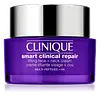
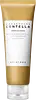
Clinique Smart Clinical Repair Lifting Face + Neck Cream Versus SKIN1004 Madagascar Centella Ampoule Foam
This anti-aging moisturizer is formulated around Butyrospermum Parkii Butter and Acetyl Hexapeptide-8 to soften the look of wrinkles and hydrate skin.


What's inside
What's inside
 Key Ingredients
Benefits
Concerns
Ingredients Side-by-side
Water
Skin ConditioningButyrospermum Parkii Butter
Skin Conditioning






Butylene Glycol
Humectant
Caprylic/Capric/Myristic/Stearic Triglyceride
EmollientPolyglyceryl-3 Methylglucose Distearate
Emulsifying
Glycerin
Humectant
Coco-Caprylate/Caprate
Emollient
Simmondsia Chinensis Seed Oil
Emollient
Polyglyceryl-10 Pentastearate
Skin Conditioning
Glyceryl Stearate
Emollient
Behenyl Alcohol
Emollient
Ricinus Communis Seed Oil
Masking
Mangifera Indica Seed Butter
Skin Conditioning
Prunus Amygdalus Dulcis Seed Extract
Skin ConditioningCaffeine
Skin Conditioning

Dimethicone
Emollient
Ethylhexylglycerin
Skin ConditioningDimethicone/Vinyl Dimethicone Crosspolymer
Skin Conditioning
Caprylyl Glycol
Emollient
Cera Alba
Emollient
Sodium Hyaluronate
Humectant

Acetyl Hexapeptide-8
Humectant
Palmitoyl Tripeptide-1
Skin Conditioning
Palmitoyl Tetrapeptide-7
Skin Conditioning
Palmitoyl Hexapeptide-12
Skin Conditioning
PEG-8
HumectantPEG-100 Stearate
Surfactant
Glyceryl Polymethacrylate
Acrylates/Va Copolymer
Copernicia Cerifera Cera
Emollient
Potassium Cetyl Phosphate
EmulsifyingAcrylates/C10-30 Alkyl Acrylate Crosspolymer
Emulsion StabilisingSodium Stearoyl Lactylate
EmulsifyingHydroxyethyl Acrylate/Sodium Acryloyldimethyl Taurate Copolymer
Emulsion StabilisingStearic Acid
Cleansing
Hexylene Glycol
EmulsifyingSodium Hydroxide
BufferingCarbomer
Emulsion StabilisingPolysorbate 60
Emulsifying
Sorbitan Isostearate
Emulsifying
Polysorbate 20
Emulsifying
Tocopheryl Acetate
Antioxidant


Tocopherol
Antioxidant
Disodium EDTA
Phenoxyethanol
Preservative
Chlorphenesin
Antimicrobial
Potassium Sorbate
Preservative
Mica
Cosmetic ColorantCI 77891
Cosmetic ColorantWater, Butyrospermum Parkii Butter, Butylene Glycol, Caprylic/Capric/Myristic/Stearic Triglyceride, Polyglyceryl-3 Methylglucose Distearate, Glycerin, Coco-Caprylate/Caprate, Simmondsia Chinensis Seed Oil, Polyglyceryl-10 Pentastearate, Glyceryl Stearate, Behenyl Alcohol, Ricinus Communis Seed Oil, Mangifera Indica Seed Butter, Prunus Amygdalus Dulcis Seed Extract, Caffeine, Dimethicone, Ethylhexylglycerin, Dimethicone/Vinyl Dimethicone Crosspolymer, Caprylyl Glycol, Cera Alba, Sodium Hyaluronate, Acetyl Hexapeptide-8, Palmitoyl Tripeptide-1, Palmitoyl Tetrapeptide-7, Palmitoyl Hexapeptide-12, PEG-8, PEG-100 Stearate, Glyceryl Polymethacrylate, Acrylates/Va Copolymer, Copernicia Cerifera Cera, Potassium Cetyl Phosphate, Acrylates/C10-30 Alkyl Acrylate Crosspolymer, Sodium Stearoyl Lactylate, Hydroxyethyl Acrylate/Sodium Acryloyldimethyl Taurate Copolymer, Stearic Acid, Hexylene Glycol, Sodium Hydroxide, Carbomer, Polysorbate 60, Sorbitan Isostearate, Polysorbate 20, Tocopheryl Acetate, Tocopherol, Disodium EDTA, Phenoxyethanol, Chlorphenesin, Potassium Sorbate, Mica, CI 77891
Water
Skin ConditioningSodium Cocoyl Isethionate
Cleansing
Glycerin
Humectant
Sodium Methyl Cocoyl Taurate
Cleansing
Coco-Betaine
Cleansing
Centella Asiatica Extract
Cleansing
Potassium Cocoyl Glycinate
Surfactant
1,2-Hexanediol
Skin Conditioning
Potassium Cocoate
Emulsifying
Potassium Benzoate
Preservative
Polyquaternium-67
Citric Acid
Buffering
Sodium Chloride
MaskingButylene Glycol
Humectant
Dextrin
AbsorbentTheobroma Cacao Extract
Skin ConditioningDisodium EDTA
Sodium Acetate
BufferingSodium Bicarbonate
Abrasive
Coptis Chinensis Root Extract
Antioxidant
Sodium Hyaluronate
Humectant
Coccinia Indica Fruit Extract
Skin Conditioning
Eclipta Prostrata Extract
Skin Conditioning
Water, Sodium Cocoyl Isethionate, Glycerin, Sodium Methyl Cocoyl Taurate, Coco-Betaine, Centella Asiatica Extract, Potassium Cocoyl Glycinate, 1,2-Hexanediol, Potassium Cocoate, Potassium Benzoate, Polyquaternium-67, Citric Acid, Sodium Chloride, Butylene Glycol, Dextrin, Theobroma Cacao Extract, Disodium EDTA, Sodium Acetate, Sodium Bicarbonate, Coptis Chinensis Root Extract, Sodium Hyaluronate, Coccinia Indica Fruit Extract, Eclipta Prostrata Extract
Reviews
Ingredients Explained
These ingredients are found in both products.
Ingredients higher up in an ingredient list are typically present in a larger amount.
Butylene Glycol (or BG) is used within cosmetic products for a few different reasons:
Overall, Butylene Glycol is a safe and well-rounded ingredient that works well with other ingredients.
Though this ingredient works well with most skin types, some people with sensitive skin may experience a reaction such as allergic rashes, closed comedones, or itchiness.
Learn more about Butylene GlycolDisodium EDTA is a chelating agent. It grabs onto and deactivates metal ions that sneak into your products from water, packaging, or air.
This ingredient mainly works behind the scenes and helps with:
On top of that, this ingredient can counteract the effects of hard water by binding to the minerals in it.
One thing worth knowing is that Disodium EDTA has been shown to be a mild penetration enhancer. It can help other ingredients absorb into skin more effectively which can be a double-edged sword (great for actives, but can also make the active too strong if you have sensitive skin).
Clinical patch testing showed no significant skin irritation at typical use concentrations and minimal dermal absorption.
You'll most likely see this ingredient near the end of an ingredient list. It's typically found in concentrations less than 1%.
Learn more about Disodium EDTAGlycerin (or glycerol) is a compound naturally found in your skin. It's a powerhouse humectant that pulls water into the stratum corneum.
Topically, glycerin does several things at once:
Your skin makes glycerin on its own (mostly from sebaceous oil breakdown) and shuttles it to your outermost layer of skin, or your epidermis, via aquaporin-3.
Aquaporin-3 is a transporter that is essential for normal skin hydration, elasticity, and repair. Interestingly, mice lacking in AQP3 have dry and less elastic skin that can be fully corrected with glycerin.
This ingredient is non-irritating, plays well with almost every ingredient, and works across all skin types. Typical use is anywhere between 3-10% but can go up to 79% in some leave-on products.
Just know very high concentrations (>40%) can feel tacky in low humidity.
Glycerin is the name for this ingredient in American English. British English uses Glycerol/Glycerine.
Learn more about GlycerinSodium Hyaluronate is the salt form of hyaluronic acid. It is a long sugar chain that is naturally found in your skin, joints, and connective tissue that maintains hydration and elasticity.
In skincare, it works as a humectant. It pulls water from the environment and deeper layers of skin and binds it to the surface.
Interestingly, the size of the molecule affects its behavior:
Some clinical evidence links low molecular weight versions to improved wrinkle depth, elasticity, anti-inflammatory effects, and barrier repair.
Many serums use a blend of both weights so you can get surface hydration plus longer-lasting and deeper effects.
You'll typically see concentrations between 0.1-2% for this ingredient.
Learn more about Sodium HyaluronateWater. It's the most common cosmetic ingredient of all. You'll usually see it at the top of ingredient lists, meaning that it makes up the largest part of the product.
So why is it so popular? Water most often acts as a solvent - this means that it helps dissolve other ingredients into the formulation.
You'll also recognize water as that liquid we all need to stay alive. If you see this, drink a glass of water. Remember to stay hydrated!
Learn more about Water

